Bloom’s Taxonomy and Advanced Placement: Preparing for College-Level Thinking

Understanding Bloom’s Taxonomy
Bloom’s Taxonomy isn’t just a fancy term you hear in educational jargon; it’s a foundational framework that helps educators design learning experiences. Created by Benjamin Bloom in the 1950s, this taxonomy categorizes cognitive skills into levels, starting from basic knowledge recall to higher-order thinking. In the context of Advanced Placement (AP) courses, this framework is particularly relevant. Why? Because AP courses aim to cultivate college-level thinking skills in high school students, aligning perfectly with the goals of Bloom’s Taxonomy.
At the base of this hierarchy is the Knowledge level, where students recall facts and concepts. Moving up, we find Comprehension, Application, Analysis, Synthesis, and Evaluation. Each of these stages requires a deeper level of engagement and understanding. For students in AP courses, mastering these levels can set them apart in college and beyond. Think about it: students who can synthesize information and evaluate arguments are not just doing better on exams; they are preparing themselves for real-world challenges.
The Importance of Advanced Placement Courses
Advanced Placement courses are designed to challenge high school students, preparing them for the rigors of college academics. These classes are often more demanding than standard courses. They require students to think critically, analyze complex information, and articulate their thoughts clearly. The stakes are high, too. Successful completion of AP exams can lead to college credit, potentially saving students time and money.
However, the benefits extend beyond just the chance for credit. AP courses promote skills that are crucial in any college setting—skills that are deeply rooted in Bloom’s Taxonomy. When you engage in AP coursework, you’re not just memorizing facts; you’re developing your ability to think critically and creatively. For example, in an AP Chemistry class, you might explore experimental design, which requires not only foundational knowledge but also an understanding of how to apply that knowledge in practical scenarios.
Applying Bloom’s Taxonomy in AP Courses
So how do you use Bloom’s Taxonomy to excel in your AP classes? Let’s break it down by each level of the taxonomy and see how you can apply it in your studies. Start with Knowledge. Here, your focus should be on mastering the basics—terms, concepts, and key figures relevant to your subject. Use flashcards, study groups, or online resources like Quizlet to reinforce this knowledge. As you build your foundation, your confidence will grow.
Once you feel confident with the basic information, move on to Comprehension. This means you need to demonstrate understanding. Try summarizing your notes or teaching the material to someone else. If you can explain a concept clearly, chances are you’ve grasped it well. Consider the difference between simply knowing a historical date and understanding its significance in a broader context—this is where comprehension shines.
Next is the Application level. Here, you’ll take what you’ve learned and apply it to new situations or contexts. This is where AP exams get tricky—they often require you to apply your knowledge in scenarios you haven't encountered before. Practice with past exam questions or create your own hypothetical scenarios to test your understanding. For instance, if you're studying environmental science, think about how the concepts you learn apply to current events such as climate change.
Analysis, Synthesis, and Evaluation: The Higher-Order Thinking Skills
Now we’re getting to the good stuff—higher-order thinking. Analysis requires you to break down information into parts and examine relationships. You might be asked to evaluate arguments in an AP English essay or analyze data in an AP Science exam. Use graphic organizers to map out your thoughts. This can help you visually understand how various ideas relate to each other. For example, when analyzing a literary text, create a Venn diagram to compare and contrast themes, characters, or narrative techniques.
Synthesis is all about combining elements from various sources to create something new. In an AP History class, for example, you might need to synthesize information from several different time periods to draw a conclusion about a historical argument. Use tools like concept maps to explore how different historical events connect. This might involve linking causes and effects across different eras, which is a skill that can give you an edge not just in exams but also in developing a well-rounded understanding of history.
Finally, there’s Evaluation. This is where you make judgments based on criteria and standards. In an AP exam, you might need to critique a theory or evaluate the effectiveness of a historical event. This is a skill that can take time to develop, so practice writing critiques of articles or theories within your subject area. Don’t just summarize; engage with the material. What are its strengths? What are its weaknesses? How does it compare to other theories or viewpoints?
Utilizing Resources to Enhance Your Learning
Navigating the AP landscape can be overwhelming, but you don’t have to do it alone. Various resources can help you deepen your understanding and master the material. Websites like the College Board offer valuable insight into what AP exams entail and provide sample questions to practice with. These resources are not just for review; they can help you understand the format of questions and the depth of knowledge required.
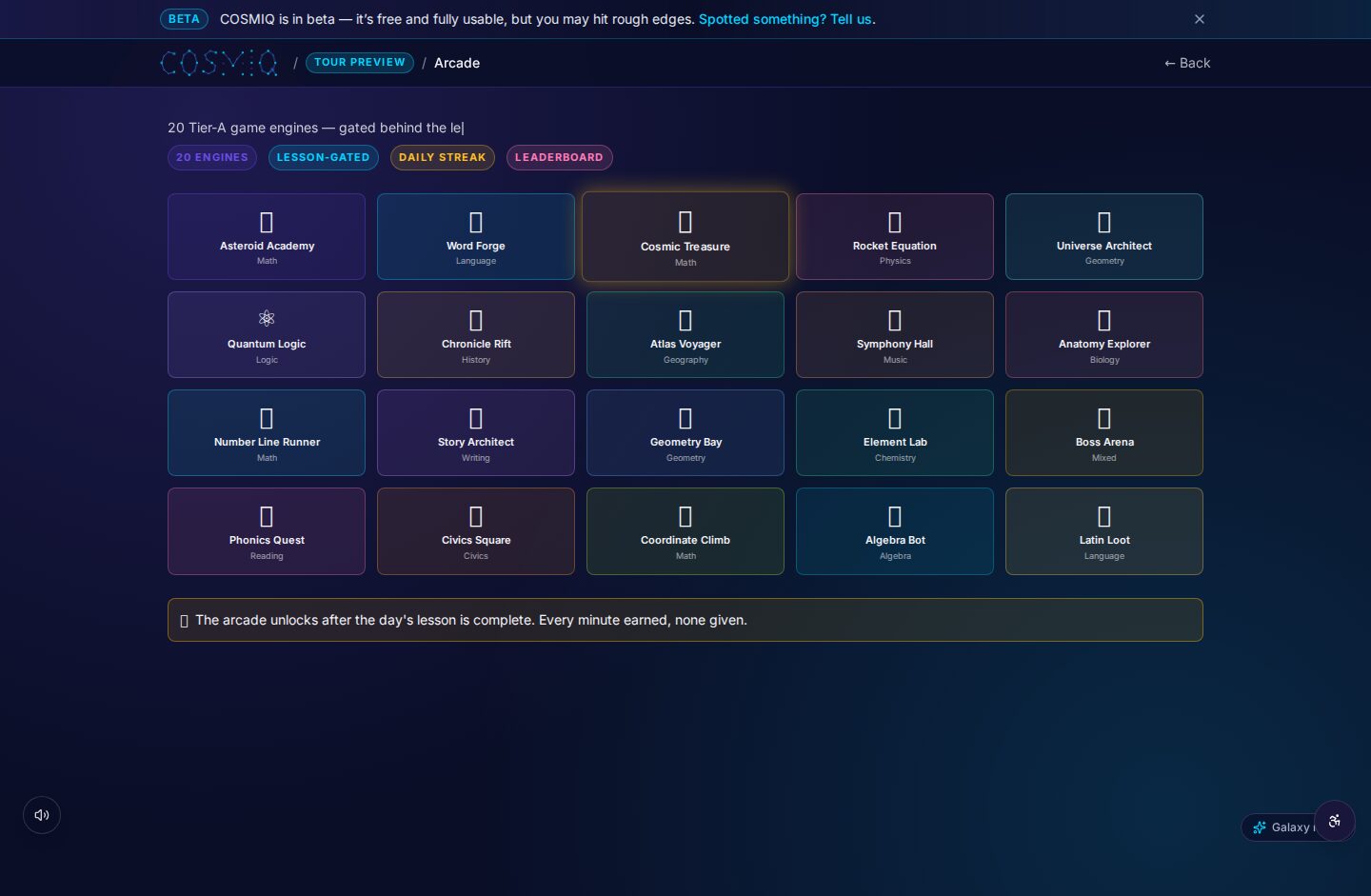
You can also explore online platforms such as https://getcosmiq.app/ for additional study materials, or check out study groups on social media platforms. Engaging with peers can provide new perspectives and learning opportunities. Don’t overlook public libraries, which often have study guides and AP exam prep books. The more diverse your resources, the more comprehensive your understanding will be.
Why Think Beyond Just Passing the Exam?
It’s easy to get caught up in the idea of just passing the AP exam, but you should aim for more than that. The skills you cultivate in AP courses are vital for your future academic and professional life. They prepare you not only for college but for critical thinking in any field you choose. Think about how often you’ll need to analyze information, synthesize ideas, and evaluate arguments in whatever career path you take.
For instance, a future lawyer must evaluate case studies critically, while a marketing professional needs to analyze consumer data. The depth of understanding you gain through Bloom’s Taxonomy in your AP classes can be a game-changer. Consider the long-term advantages of being able to dissect complex texts, negotiate ideas, and construct your arguments logically. These skills will differentiate you in job interviews and professional settings.
Mindset Matters: Embracing the Challenge
A significant part of succeeding in AP courses is your mindset. You might feel intimidated by the workload or the complexity of the material. It's normal! But remember, challenges are opportunities to grow. Embrace the struggle as part of the learning process. A growth mindset isn't just a concept; it's a practice you can build daily. When you encounter difficulties, take a moment to reflect on how far you've come and how every challenge contributes to your learning journey.
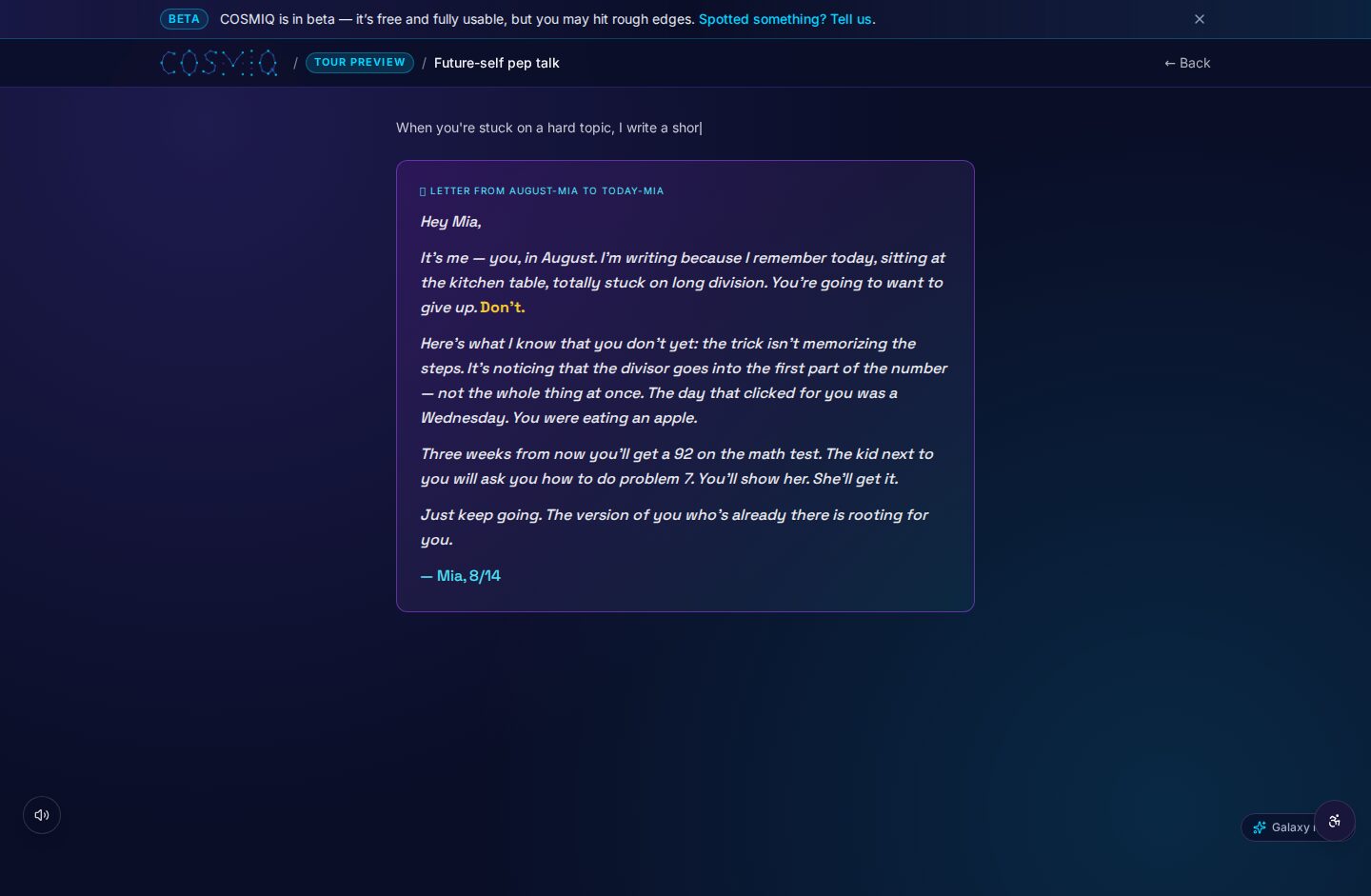
You can also find motivation in the broader picture. Think about how completing an AP course can open doors for you in college and beyond. Picture your future self confidently navigating complex problems and making informed decisions. Visualize yourself in a college classroom, discussing nuanced topics with peers and professors, using the skills you've cultivated. That vision can be a powerful motivator.
Collaborating with Teachers and Peers
Don’t underestimate the power of collaboration when it comes to mastering Bloom’s Taxonomy in AP courses. Your teachers are your allies. They are there to guide you through the material and help you develop your skills. Don’t hesitate to ask questions when you’re stuck or seek clarification on complex topics. Many teachers appreciate when students take initiative in their learning. This can lead to deeper discussions and a more enriching educational experience.
Working with your peers can also enhance your learning experience. Forming study groups can be particularly effective. Discussing topics and sharing insights can reinforce your understanding and help you see things from different angles. Plus, teaching others is one of the best ways to cement your knowledge. You might find that explaining a complex topic to a classmate helps you understand it better yourself.
Embracing Technology and Online Learning Tools
In today’s digital age, technology can be a tremendous ally in your AP studies. Online learning tools and apps offer a variety of resources to enhance your understanding of Bloom’s Taxonomy. For example, platforms like Quizlet and Khan Academy provide interactive learning experiences that cater to different learning styles and paces. They allow you to review material, take practice quizzes, and even engage in peer discussions.
Additionally, there are numerous forums and online communities where AP students share tips, resources, and study guides. Websites like https://www.drmattlynch.com/ provide valuable insights into effective study techniques specifically tailored for AP courses. Engaging with these platforms not only broadens your understanding but also keeps you connected with a community of learners striving for the same academic goals.
Final Thoughts on Bloom’s Taxonomy and AP Success
Bloom’s Taxonomy offers a roadmap for developing critical thinking skills essential for success in AP courses and in life beyond high school. By understanding the levels of learning and applying them to your studies, you're setting yourself up for a successful transition to college. Remember, it’s not just about the grades or passing the exam; it’s about cultivating a mindset that values learning, growth, and the ability to think critically.
As you navigate your AP journey, keep these principles in mind. Embrace challenges, collaborate with others, and utilize available resources. Engage deeply with the material, and most importantly, allow yourself to grow with each step. With determination and the right strategies, you’re not just preparing for an exam; you’re preparing for a future filled with opportunities. Look ahead, and remember that the skills you’re developing now will serve you well throughout your academic and professional career.
Related resources: drmattlynch.com · pedagogue.app
Learn anything, free.
COSMIQ is a free, voice-driven AI tutor for every learner. No credit card, ever.
Start learning free →