Boosting Engagement: Insights from ISTE for Dynamic Classrooms

The ISTE (International Society for Technology in Education) conference is a hub of innovation, where educators from around the globe share their best practices and insights into leveraging technology to transform learning. One of the most consistent themes, year after year, revolves around the crucial topic of student engagement. How do we capture students' attention, ignite their curiosity, and sustain their motivation? While technology often plays a role, the core strategies are rooted in sound pedagogical principles. Let's explore some key takeaways from ISTE on building genuinely engaging learning experiences.
Understanding What Engagement Really Means
Before diving into strategies, it's important to differentiate between mere compliance and true engagement. A quiet classroom isn't necessarily an engaged one. True engagement involves:
- Cognitive Engagement: Students are thinking critically, problem-solving, and making connections.
- Emotional Engagement: Students feel a sense of belonging, curiosity, and even joy in their learning.
- Behavioral Engagement: Students are actively participating, asking questions, and contributing to discussions or projects.
Many ISTE sessions highlight that technology, when used thoughtfully, can be a powerful catalyst for all three types of engagement, but it's the instructional design behind the tech that truly matters.
Strategies for Fostering Active Participation
1. Empower Student Voice and Choice
One recurring message from ISTE is the power of giving students agency. When students have a say in what or how they learn, their investment skyrockets. This doesn't mean letting chaos reign, but rather offering structured choices:
- Project-Based Learning (PBL): Students tackle real-world problems, often choosing their approach and presentation method.
- Flexible Learning Paths: Allow students to choose from a menu of activities to demonstrate understanding.
- Student-Led Discussions: Encourage students to lead portions of a lesson or present their findings to peers.
- Feedback Loops: Create opportunities for students to provide feedback on lessons and suggest improvements.
Technology can facilitate this by providing platforms for collaboration, content creation, and personalized learning paths.
2. Design for Collaboration and Connection
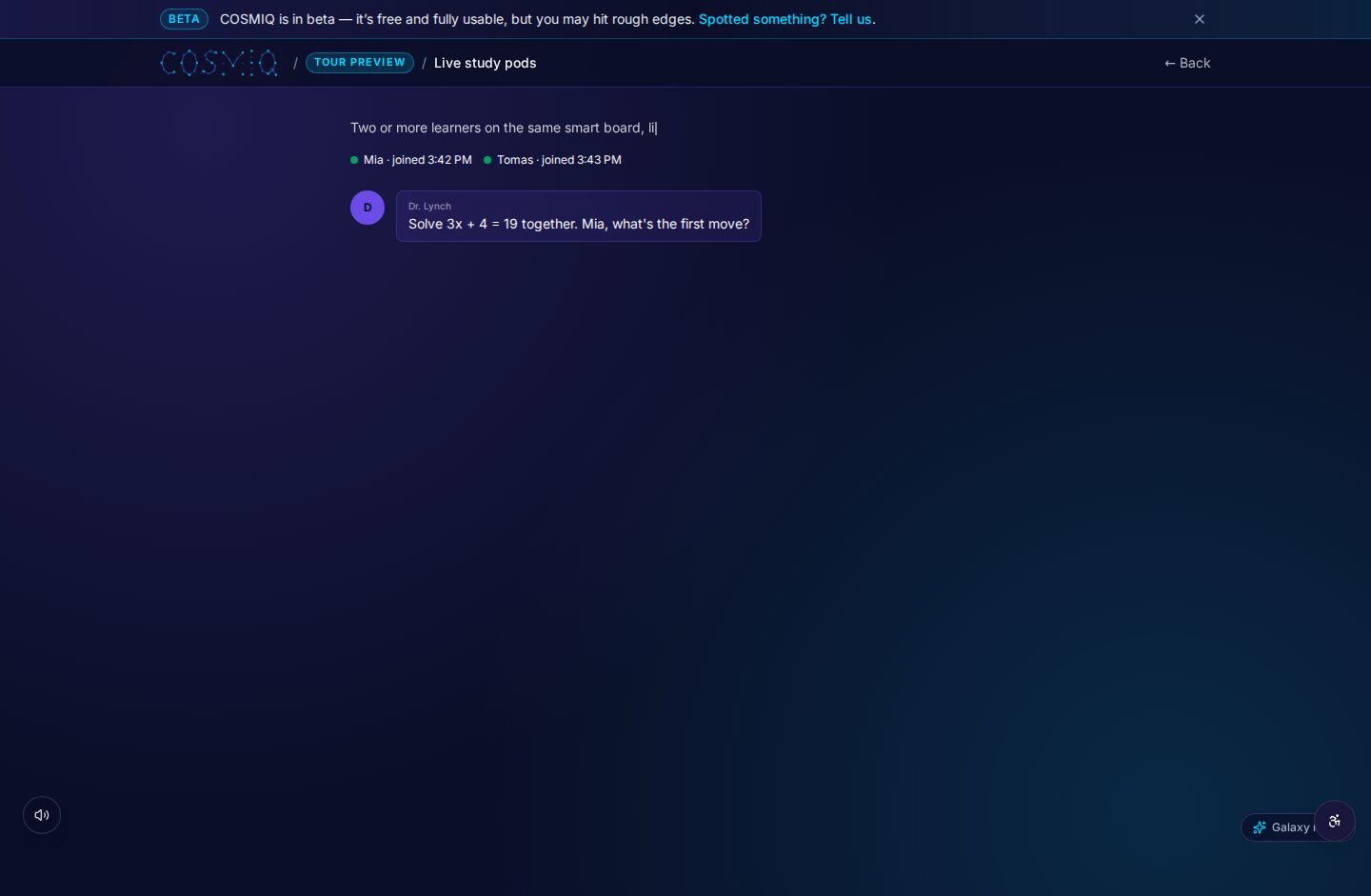
Humans are social learners. ISTE presenters consistently emphasize the value of collaborative learning environments. When students work together, they learn from each other, develop crucial social skills, and feel a stronger sense of community.
- Group Projects with Clear Roles: Ensure each member has a vital contribution.
- Peer Teaching and Tutoring: Students often learn best when explaining concepts to others.
- Digital Collaboration Tools: Utilize shared documents, whiteboards, and communication platforms to enable seamless teamwork, both in and out of the classroom.
- Global Connections: Leverage technology to connect students with peers or experts in other parts of the world, broadening their perspectives and purpose.
3. Make Learning Relevant and Authentic
Students are more engaged when they understand why they are learning something and how it connects to their lives or the real world. ISTE sessions often showcase how to bridge the gap between classroom content and authentic application:
- Real-World Problems: Frame lessons around current events, community issues, or practical challenges.
- Guest Speakers/Virtual Field Trips: Bring experts or new environments into the classroom, even virtually.
- Creation, Not Just Consumption: Shift from students passively consuming information to actively creating products, presentations, or solutions.
- Personalized Learning: Use data and flexible tools to tailor learning experiences to individual student interests and needs.
Technology can be instrumental here, offering access to vast resources, tools for creation, and platforms for sharing student work with an authentic audience.
4. Integrate Formative Assessment as Learning
Engagement thrives when students feel a sense of progress and receive timely, actionable feedback. ISTE discussions often highlight how formative assessment, when integrated seamlessly into instruction, can become a powerful engagement tool rather than just a grading mechanism.
- Low-Stakes Quizzes and Polls: Use digital tools for quick checks for understanding that allow students to self-assess.
- Interactive Whiteboards and Response Systems: Encourage all students to participate and show their thinking.
- Peer Feedback: Teach students how to give constructive feedback to one another.
- Reflective Journals/Portfolios: Encourage students to reflect on their learning journey and demonstrate growth over time.
When assessment feels like part of the learning process, students are more likely to stay invested and motivated.
Conclusion
Building student engagement is an ongoing process that requires creativity, empathy, and a willingness to adapt. The insights shared at ISTE consistently remind us that while technology can enhance our efforts, the heart of engagement lies in empowering students, fostering connections, making learning relevant, and providing meaningful feedback. By focusing on these core principles, educators can create dynamic, inspiring classrooms where every student feels seen, heard, and motivated to learn.
Learn anything, free.
COSMIQ is a free, voice-driven AI tutor for every learner. No credit card, ever.
Start learning free →