Boosting Grades from Bed: How Sleep Incentives Transform Student Success at Pitt

For many college students, the pursuit of academic excellence often clashes with the reality of late-night study sessions, social activities, and the challenges of independent living. Sleep, often seen as a luxury, can become a casualty in this balancing act. However, a recent study from the University of Pittsburgh offers compelling evidence that prioritizing sleep isn't just good for health; it can directly translate into better grades.
This pioneering research, published in the Journal of Political Economy, highlights an innovative approach to student support: using small incentives to encourage healthier sleep habits. The findings suggest a new, cost-effective pathway for universities to enhance student success, benefiting not only the students but also their families and the broader academic community.
The Wake-Up Call: Understanding Student Sleep Habits
According to the University of Pittsburgh's study, college students are often severely sleep-deprived. The research, which involved over 1,100 university students across the United States, found that at the study's baseline, students slept an average of just 6.6 hours per night. A striking 85% failed to meet the recommended minimum of seven hours of sleep on at least one school night each week, and nearly half routinely went to bed after 1:00 a.m.
These statistics underscore a widespread challenge in higher education. Poor sleep can impact concentration, memory, and overall cognitive function, making it harder for students to absorb new information and perform well on assignments and exams. For parents, understanding this dynamic is crucial; supporting healthy sleep routines, even from a distance, can be as important as encouraging study habits.
An Innovative Approach: Technology and Timely Incentives
The University of Pittsburgh study utilized a sophisticated, technology-enabled design to tackle this issue. Researchers, including Osea Giuntella from Pitt, Silvia Saccardo from Carnegie Mellon, and Sally Sadoff from UC San Diego, equipped participants with Fitbits for objective sleep tracking. A custom-built smartphone app delivered personalized bedtime reminders, real-time feedback, and immediate digital payments for meeting a seven-hour sleep goal.

This approach allowed researchers to monitor engagement and track how different combinations of cues, feedback, and incentives affected both short-term sleep and the formation of longer-term habits. Participants also completed weekly surveys on time use, mental health, and cognitive performance, providing a rich dataset to understand the broader impact of improved sleep.
As Giuntella noted, according to the university, "This was one of the most comprehensive behavioral field experiments ever conducted on sleep." This integration of wearable technology, real-time incentives, and psychological measures offered unique insights into the relationship between sleep habits and educational outcomes. The project built upon the work of the Behavioral Economics Design Initiative (BEDI) and the Pittsburgh Experimental Economics Laboratory (PEEL) at the University of Pittsburgh, showcasing the university's commitment to applying behavioral insights to real-world challenges.
The Academic Payoff: Better Sleep, Better Grades
The results were compelling. The intervention increased the share of nights with seven or more hours of sleep by 26%, translating to about 19 additional minutes of weeknight sleep. Even after the incentives ended, smaller but lasting gains of approximately 8 minutes per night were observed. Crucially, students in the incentive group earned 0.075–0.089 higher grade points that semester. The university says this represents a 0.10–0.11 standard deviation improvement, which they equate to roughly doubling the impact of traditional financial-aid incentive programs, but at less than one-quarter of the cost.
These findings are particularly significant for freshmen, who often face the greatest challenges in managing their time and establishing new routines away from home. The benefits were also strongest in STEM courses and classes held around midday, suggesting that well-rested students perform better in the most cognitively demanding contexts. The program also helped students develop more regular sleep schedules, reduce nighttime screen use, and, importantly, report feeling better able to cope with stress during the treatment period.
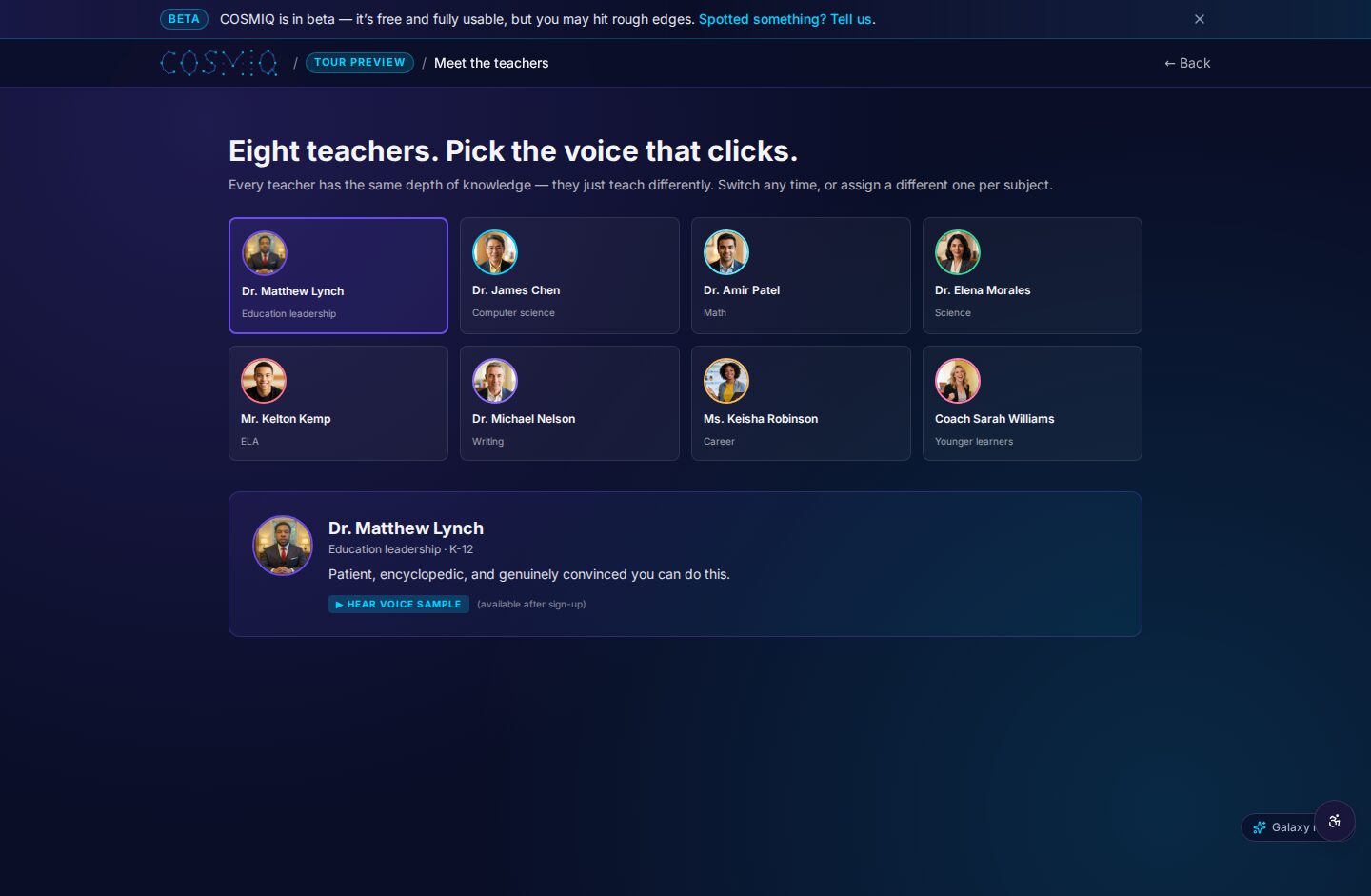
For educators, this research offers a valuable perspective. While academic support services are essential, addressing fundamental student well-being, such as sleep, can have a profound and cost-effective impact on learning outcomes. Tools like COSMIQ, a free voice-driven AI tutor, can complement these efforts by providing accessible, personalized academic assistance, helping students make the most of their well-rested minds. Teachers can encourage students to utilize such resources for homework help, practice, or exam preparation, ensuring that when they are awake and alert, they have the support they need to succeed.
A Model for Future Student Support
The University of Pittsburgh's study provides a powerful new model for supporting student success. As Giuntella stated, according to the university, "Our results show that helping students sleep more—and sleep better—can boost academic performance just as effectively as traditional academic interventions, but at a fraction of the cost." This insight has far-reaching implications for universities looking to enhance student retention and achievement.
By focusing on foundational aspects of student well-being, institutions like the University of Pittsburgh are paving the way for more holistic and effective support systems. This research not only celebrates an innovative approach to education but also offers practical, evidence-based strategies that can genuinely improve the lives and academic journeys of college students everywhere.
Learn anything, free.
COSMIQ is a free, voice-driven AI tutor for every learner. No credit card, ever.
Start learning free →