Bridging Disciplines: GW Researchers Propose Framework for Collaborative AI in Public Health

In an era where artificial intelligence is rapidly reshaping industries and daily life, the call for responsible and impactful AI development has never been louder. George Washington University (GW) is at the forefront of this conversation, with researchers proposing a thoughtful framework to merge the expertise of public health and computer science. This innovative approach, detailed in a new article in Frontiers in Public Health, suggests that by breaking down traditional academic silos, universities can cultivate more effective and ethically sound AI solutions for pressing health issues.
For students, parents, and educators, this development highlights a crucial trend: the future of problem-solving increasingly lies at the intersection of diverse fields. Understanding how AI can be applied to real-world challenges, particularly in areas like public health, offers invaluable insights into the skills and perspectives that will be highly sought after in the coming years.
Why Interdisciplinary Collaboration Matters for AI
According to GW public health researcher Seble Frehywot and her colleagues, the fields of public health and computer science, while seemingly distinct, possess complementary strengths vital for advancing AI. Public health experts bring a deep understanding of societal health challenges, such as disease outbreaks, health inequities, and policy implications. Computer scientists, on the other hand, offer specialized knowledge in AI, machine learning, and data analysis techniques.
The researchers at GW emphasize that when these two disciplines work in isolation, valuable opportunities for innovation and problem-solving can be missed. Imagine developing an AI tool to predict the spread of a virus without a nuanced understanding of community health behaviors, or crafting health policy without leveraging the power of predictive analytics. The framework proposed by GW aims to bridge this gap, ensuring that AI development is informed by real-world needs and guided by ethical considerations from its inception.
A Practical Six-Step Framework for Universities
One of the most compelling aspects of the GW researchers' proposal is its practicality. They have outlined a six-step “bridge-building” framework designed for universities to foster collaboration without necessarily requiring massive new infrastructure or significant external grants. This makes the approach accessible for institutions looking to integrate interdisciplinary AI development into their curricula and research efforts.
The proposed steps include:
- Creating a shared vision and appointing interdisciplinary faculty champions: This involves identifying leaders who can advocate for and guide collaborative efforts across departments.
- Hosting joint seminars, workshops, and networking opportunities: Providing platforms for faculty and students from both fields to interact, share ideas, and build relationships.
- Developing AI-for-public-health training and courses: Crafting educational programs that equip public health students with practical AI skills and provide computer science students with a deeper understanding of health challenges.
- Launching collaborative research projects and sharing resources: Encouraging joint initiatives that leverage the strengths of both disciplines and optimize resource utilization.
- Aligning tenure, promotion, and other academic incentives: Modifying institutional policies to recognize and reward interdisciplinary work, fostering a culture of collaboration.
- Building ethics, privacy, and responsible AI considerations into projects from the start: Ensuring that ethical guidelines and privacy concerns are integral to the design and deployment of AI solutions, rather than an afterthought.
This comprehensive approach, championed by George Washington University, offers a clear roadmap for institutions aiming to prepare an AI-ready workforce that is also socially conscious and responsible.
Impact on Students and the Future Workforce
The GW researchers highlight that this kind of collaboration offers significant benefits for students. Public health students can gain practical AI skills, making them more competitive in a data-driven world. Simultaneously, computer science students can develop a richer understanding of epidemiology, health equity, health policy, and other real-world health challenges, ensuring their AI creations are relevant and impactful.
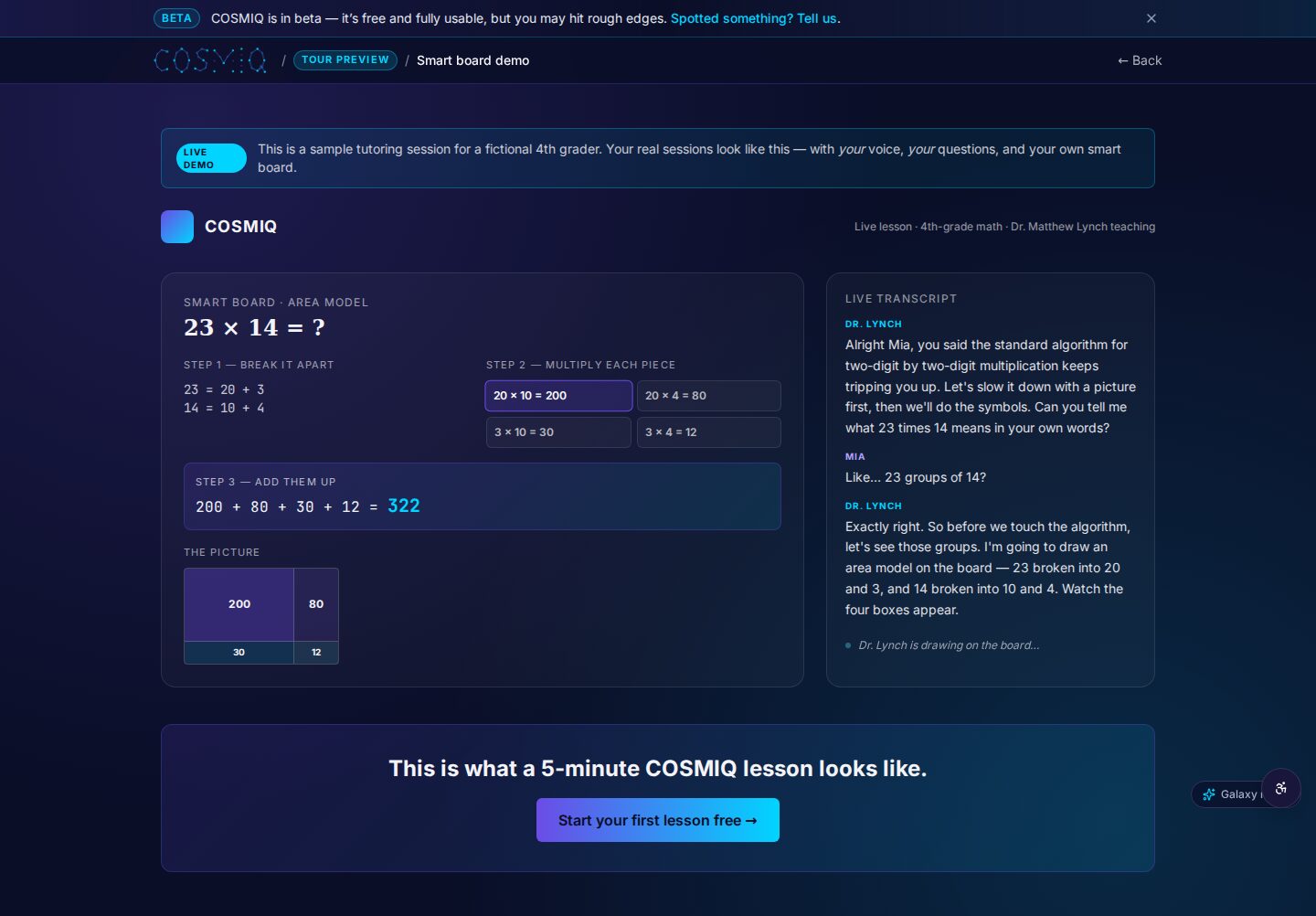
For parents and teachers, this underscores the importance of encouraging students to explore interdisciplinary interests. Programs that combine technical skills with an understanding of societal needs will be crucial for future career success. Platforms like COSMIQ, a free voice-driven AI tutor, are already helping K-12 students explore complex topics across subjects, laying a foundation for this kind of integrated learning.
As universities and health organizations nationwide grapple with how to train an AI-ready workforce and ensure the responsible development and deployment of AI, the framework from George Washington University provides a timely and valuable contribution. It emphasizes that the most powerful AI solutions will likely emerge not from isolated brilliance, but from thoughtful collaboration across diverse fields, guided by a commitment to ethical practice and societal well-being.
Looking Ahead
The work spearheaded by GW researchers serves as an inspiring example of how academic institutions can proactively shape the future of AI for the public good. By fostering environments where public health and computer science professionals can learn from each other, universities can cultivate a new generation of innovators equipped to tackle some of the world's most pressing challenges with intelligence, empathy, and responsibility. This commitment to interdisciplinary excellence is a testament to George Washington University's dedication to advancing both knowledge and societal well-being.
Learn anything, free.
COSMIQ is a free, voice-driven AI tutor for every learner. No credit card, ever.
Start learning free →