Bridging Gaps: 14 Practical Ways to Address Learning Gaps in the Classroom

Every student's learning journey is unique, and it's perfectly natural for some to encounter areas where understanding isn't quite complete. These 'holes' in learning aren't a sign of failure but rather an opportunity for targeted support and growth. For educators, identifying and effectively addressing these gaps is not just good practice – it's a must for truly effective teaching. When we bridge these foundational gaps, we empower students to build new knowledge on solid ground, preventing future struggles and fostering a genuine love for learning. This article explores practical, actionable strategies for teachers, and indeed for parents and students too, to help fill those crucial learning gaps.
Understanding and Identifying Learning Gaps
Before we can fill a gap, we must first understand where it lies. Learning gaps can manifest in various ways, from a shaky grasp of basic arithmetic to difficulty with reading comprehension or a lack of prerequisite knowledge for a new topic. Spotting these can be subtle, but a proactive approach helps tremendously.

- Formative Assessments: Regular, low-stakes quizzes, exit tickets, and quick checks for understanding are invaluable. They provide immediate feedback on what students have grasped and what needs revisiting.
- Observation and Listening: Pay close attention during class discussions, group work, and individual tasks. What questions are students asking? Where do they hesitate? What misconceptions surface?
- One-on-One Conversations: A brief chat can often reveal more than a test. Ask students to explain their thinking or demonstrate a concept in their own words.
- Reviewing Prior Work: Looking at past assignments, tests, or even work from previous grades can highlight recurring patterns of difficulty.
- Peer-to-Peer Learning Insights: Sometimes, observing how students explain concepts to each other can reveal where understanding is strong and where it falters.
14 Ways to Effectively Fill Learning Gaps
Once identified, the real work of bridging those gaps begins. Here are 14 practical strategies that can make a significant difference:
- Targeted Mini-Lessons: Don't re-teach an entire unit. Instead, create short, focused lessons on specific challenging concepts for small groups or individuals.
- Differentiated Instruction: Tailor your teaching methods, content, and assessments to meet diverse learning needs. This might mean providing different resources or varying the complexity of tasks.
- Personalized Practice: Offer practice problems or activities that specifically address the identified gap. Tools and platforms that adapt to a student's performance can be very helpful here.
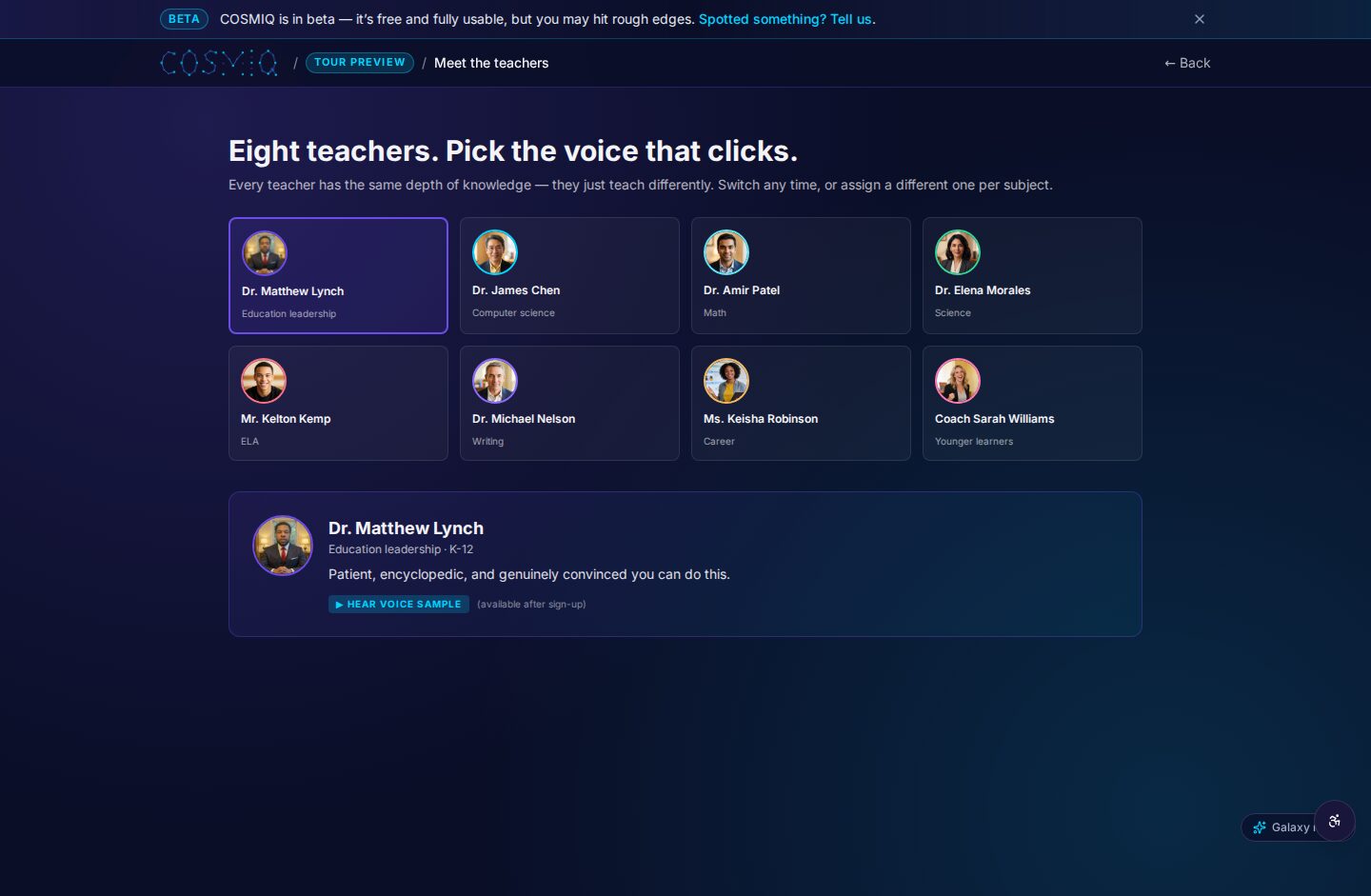
- Utilize Technology: Educational apps, online tutorials, and AI-powered tutoring platforms (like COSMIQ!) can provide personalized explanations and practice, allowing students to revisit concepts at their own pace.
- Small Group Interventions: Pull aside small groups of students who share a common learning gap for focused instruction and support.
- Peer Tutoring: Encourage students who have mastered a concept to help their classmates. Explaining a concept solidifies the tutor's understanding while providing valuable support to the learner.
- Visual Aids and Manipulatives: For abstract concepts, physical or digital manipulatives, diagrams, and visual representations can make a world of difference.
- Break Down Complex Tasks: Deconstruct larger assignments or concepts into smaller, manageable steps. This reduces overwhelm and allows students to build confidence with each successful step.
- Provide Ample Review Opportunities: Regularly revisit previously taught material, especially foundational concepts, to reinforce learning and ensure retention.
- Connect to Prior Knowledge: Explicitly link new information to what students already know. This helps them build a cohesive understanding and see the relevance of the new material.
- Offer Varied Explanations: If one way of explaining a concept isn't working, try another. Some students grasp ideas better through stories, others through examples, and others through hands-on activities.
- Encourage Metacognition: Teach students to think about their own thinking. Ask them, "What strategies did you use?" or "How did you figure that out?" This empowers them to identify their own areas of confusion.
- Collaborate with Parents: Keep parents informed about their child's progress and suggest ways they can support learning at home, such as reviewing specific topics or engaging in related activities.
- Foster a Growth Mindset: Emphasize that making mistakes and encountering challenges is a normal part of learning. Celebrate effort and progress, reinforcing the idea that abilities can grow through dedication.
A Continuous Process
Addressing learning gaps is not a one-time fix but an ongoing, dynamic process. It requires patience, flexibility, and a deep commitment to meeting each student where they are. By consistently identifying these gaps and employing a range of strategies, educators can create a more inclusive and effective learning environment where every student has the opportunity to thrive and reach their full potential. The ultimate goal is to build confident, capable learners who are equipped for future academic challenges and beyond.
Learn anything, free.
COSMIQ is a free, voice-driven AI tutor for every learner. No credit card, ever.
Start learning free →