Build a Shareable Student Learning Portfolio

Understanding the Concept of a Learning Portfolio
A learning portfolio isn’t just a collection of your work; it’s a reflection of your growth as a student. It showcases what you’ve learned, how you’ve applied that knowledge, and your journey throughout your education. This isn’t just a scrapbook of accomplishments; it’s a structured way to demonstrate your skills and understanding. Think about it: when you’re applying for jobs or internships, having a tangible way to show your progress can set you apart from the crowd. But what makes a portfolio truly effective is its shareability.
A shareable student learning portfolio allows you to present your work to a wider audience—be it teachers, peers, or prospective employers. It’s not merely about what you’ve done; it’s about how you can communicate your experiences and skills to others. So, what does this look like in practice? A portfolio might include essays, projects, reflections, and other artifacts that illustrate your academic journey. The goal is to create a cohesive narrative that highlights your strengths. Imagine if someone asked you about your educational experiences. Instead of fumbling through your memories, you'd simply share your portfolio, showcasing real evidence of your progress and growth.
Choosing the Right Platform
Before diving into the content of your portfolio, choosing the right platform is crucial. You might wonder, is it best to go with a traditional binder or a digital option? While physical portfolios have their charm, digital portfolios are far more versatile. Platforms like Google Sites, WordPress, or even social media can serve as excellent spaces for your shareable learning portfolio.
Digital platforms allow for easy updates, access anytime, and the ability to share your work with just a link. Imagine a public student progress link that anyone can view, showcasing your best work with minimal effort. Choosing a platform also involves considering your audience. Are you presenting to academic professionals, or is it peer-to-peer sharing? Tailor the platform to fit your needs. For instance, if you're aiming for a professional audience, a polished WordPress site may serve you better than a basic Google Sites page. On the other hand, if your focus is on sharing with classmates, a social media platform could offer more interactive feedback.
Gathering Your Artifacts
Artifacts are the heart of your portfolio. This includes anything from essays and projects to reports and multimedia presentations. Start by collecting pieces that best represent your work. You might have a standout research paper that earned high praise or a group project where you played a pivotal role. Don’t shy away from including process work as well—drafts, notes, and feedback can provide context to your final products. When gathering these materials, think about their diversity. Include a mix of different types of work, such as written pieces, presentations, or creative projects, to showcase your versatility.
As you gather these materials, consider their relevance. Each piece should align with the narrative you want to tell about your learning journey. It’s not about quantity; it’s about quality. Aim for a few select works that truly highlight your skills and growth. Remember, your portfolio is dynamic—it's meant to evolve as you progress, so keep an eye out for new achievements to include. For example, if you take a course that pushes you creatively, include projects that show this new skill. The goal is to illustrate not just where you’ve been but also where you’re heading.
Creating a Cohesive Narrative
Once you’ve collected your artifacts, it’s time to weave them into a coherent narrative. This means thinking critically about how each piece fits into your overall story. What are the key themes or skills you want to highlight? Maybe it’s your analytical skills, creativity, or teamwork. Organize your artifacts in a way that flows naturally. You could categorize them by subject or skill set, or present them chronologically to show your progression. For instance, if you want to showcase your writing growth, you might start with an early essay and follow it up with your latest work, demonstrating how your skills have improved over time.
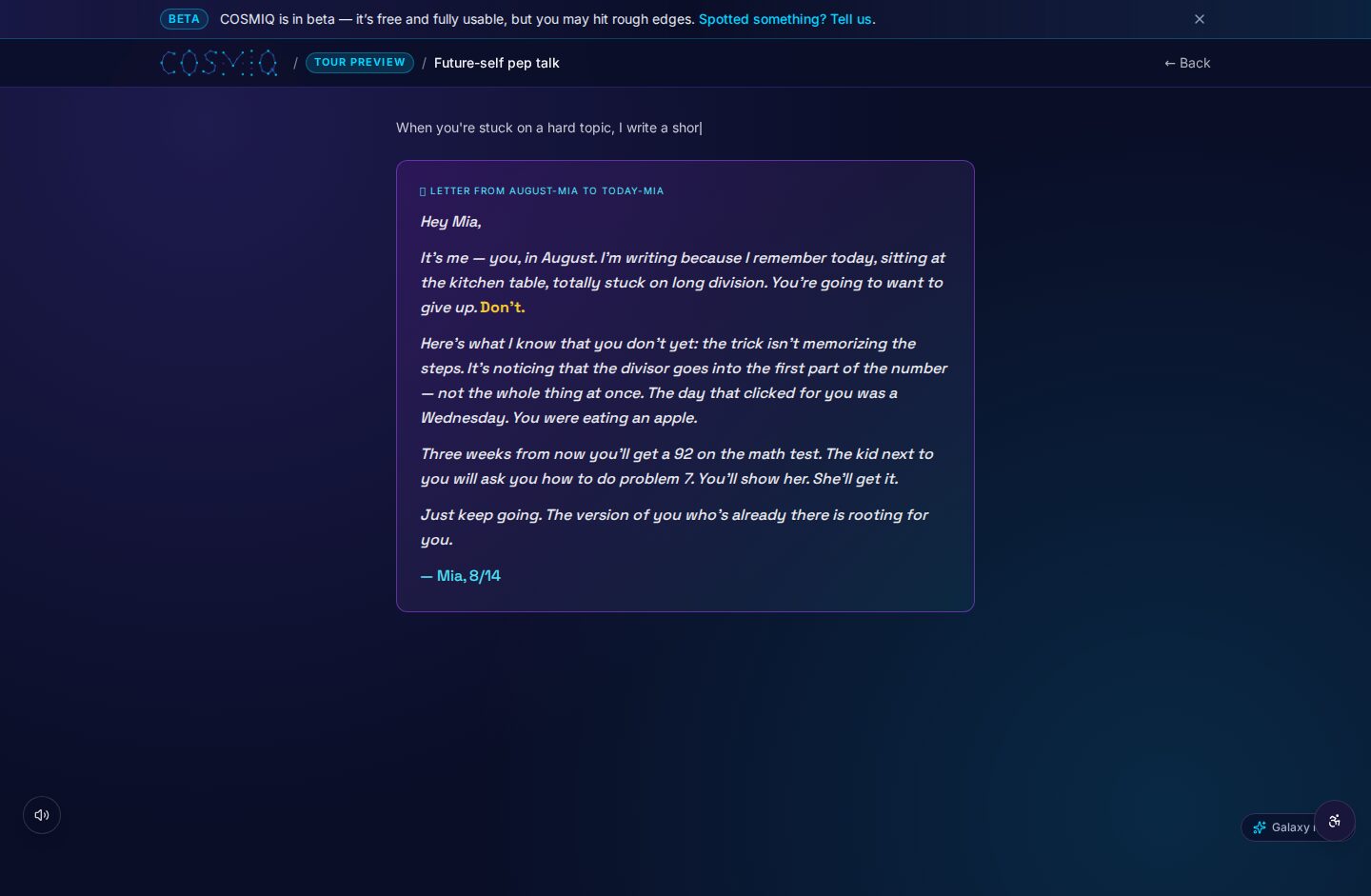
Don't forget to include reflections throughout your portfolio. These reflections can explain why you chose certain pieces, what you learned from the experience, and how it applies to your future goals. A public student progress link that includes reflections adds depth, showing not just what you did, but how you think and grow as a learner. For example, after posting a project, you might write a brief reflection about the challenges you faced, what you learned about collaboration, and how this experience has prepared you for future team-oriented projects.
Designing the Portfolio
Design matters. A well-designed portfolio is not just aesthetically pleasing; it enhances usability. Whether you’re using a digital platform or creating a printed version, keep it clean and organized. Use headings, bullet points, and visuals to break up text and make navigation easy. Consistent formatting is key—choose a color scheme and fonts that reflect your personality without overwhelming the content. If you choose to use images, ensure they are high quality and relevant to the work you are presenting, as visuals can significantly enhance understanding and engagement.
For a digital portfolio, consider incorporating multimedia elements. Videos of presentations, audio reflections, or interactive features can engage your audience and provide a richer experience. Just remember that the design should complement your work, not distract from it. The goal is to make your portfolio as shareable and accessible as possible. Think about the experience you want your audience to have and how design can facilitate that. For instance, if visuals are a significant part of your work, you might design your portfolio around a gallery format that allows images to take center stage.
Sharing Your Portfolio
Now that you have your shareable learning portfolio, it’s time to share it! Depending on your audience, you might consider different methods of dissemination. For classmates and teachers, a simple email with your public student progress link might suffice. But if you're aiming for potential employers, think about how you present yourself. A polished presentation, coupled with a personal message, can make a strong impression. Don't just send a link; craft a brief introduction about yourself and the highlights of your portfolio, guiding your audience on what to focus on.
Don’t hesitate to utilize social media for sharing your portfolio. LinkedIn, for example, is a great platform for professional networking. You can share your link there, and even write a post highlighting your favorite projects or skills. Engaging with your audience and inviting feedback can also foster connections and potentially open doors for future opportunities. Joining relevant online communities or forums related to your field can also provide additional channels for sharing your work and gaining insights from others.
Reflecting and Updating Your Portfolio
A portfolio isn’t a one-time project; it’s an ongoing endeavor. As you continue your education, make it a habit to revisit your portfolio regularly. Add new artifacts, reflect on your progress, and update your narrative to align with your latest experiences. This constant evolution will not only help you stay organized but also keep you in tune with your growth as a learner. Make it part of your routine, perhaps at the end of each term, to assess what you’ve accomplished and what you want to showcase.
Consider setting aside time each semester to review your portfolio. Ask yourself what skills you’ve gained, what challenges you faced, and how you overcame them. Think about the feedback you received and how you’ve applied it moving forward. This reflective practice not only strengthens your portfolio but also enhances your overall learning experience. It can be illuminating to connect the dots between past challenges and your current skills; this insight can be invaluable as you map out your future educational or career goals.
Valuing Peer Feedback
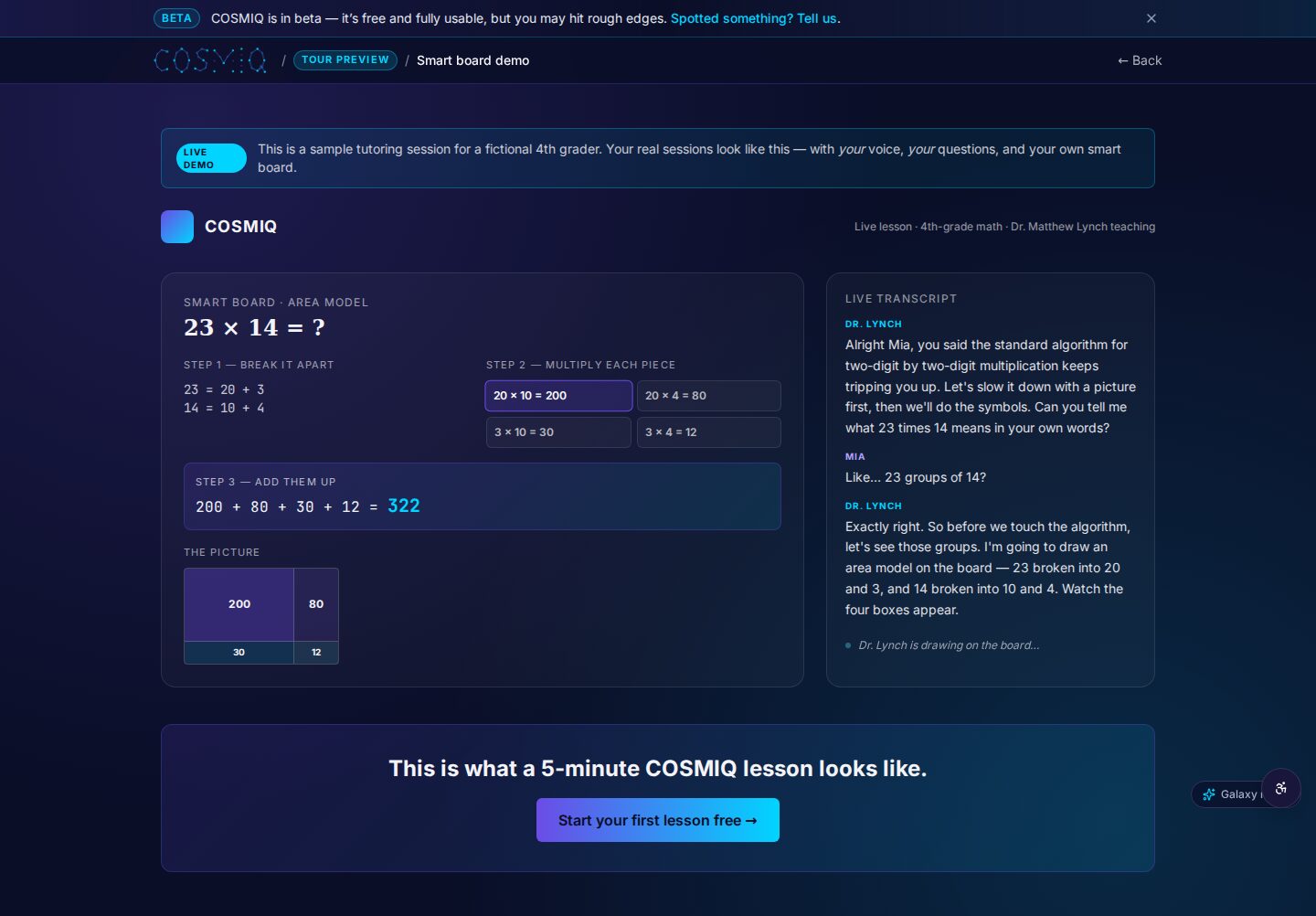
When constructing a shareable student learning portfolio, it’s easy to focus solely on individual achievements. However, seeking feedback from peers is equally vital. Sharing your portfolio with classmates can provide fresh perspectives and constructive criticism that you might not have considered. Enlisting a trusted friend to review your portfolio can highlight areas of strength you may overlook, and also point out aspects that might need more clarity or inclusiveness.
Consider setting up a portfolio review session where you and your peers can exchange portfolios for critique. This collaborative approach not only strengthens your portfolio but also builds a community of learners. Make sure to ask specific questions about what parts resonated the most or where your peers felt confusion. This reliable outside input can be invaluable in refining your narrative, ensuring clarity, and engaging your audience effectively.
Leveraging Technology for Enhancement
In today’s digital age, technology can enhance your shareable student learning portfolio in countless ways. Think about incorporating tools that can elevate your work. For instance, platforms like Canva can help you design visually striking graphics to complement your essays or projects. Interactive elements, such as infographics or clickable links to your work, can keep viewers engaged and convey information more effectively.
Additionally, consider using analytics tools to track who views your portfolio and what sections receive the most attention. This data can inform future updates and adjustments, ensuring you always put your best foot forward. Understanding which pieces of work attract interest can help you highlight them in your presentations or discussions, giving you insight into what aspects of your skills or experiences resonate most with your audience.
Final Thoughts
Creating a shareable student learning portfolio is an invaluable exercise in self-reflection and communication. It’s your chance to showcase not only what you’ve done but also who you are as a learner. By carefully curating your artifacts and presenting them thoughtfully, you craft a narrative that speaks to your experiences and aspirations. Your portfolio becomes a living document that reflects your journey, triumphs, and areas for growth.
So, roll up your sleeves and start building your portfolio today. It’s more than just a collection of your work—it’s a powerful tool that can help you articulate your growth and potential. Remember, every piece of work you include is a step on your journey, and sharing that journey can inspire others as much as it can benefit you. Take pride in your portfolio and let it be a beacon of your achievements and aspirations.
Related resources: student learning portfolio public · student learning portfolio public
Learn anything, free.
COSMIQ is a free, voice-driven AI tutor for every learner. No credit card, ever.
Start learning free →