Cambridge University to Hold Independent Inquiry into Jason Arday Appointment

The University of Cambridge, a venerable institution renowned for its academic excellence and groundbreaking research, has recently announced a significant step towards reinforcing its commitment to transparency and integrity. According to reports, the university has agreed to hold an independent inquiry into the appointment of Professor Jason Arday. This decision, while focused on a specific internal matter, resonates far beyond the university walls, offering valuable insights into the broader pursuit of fairness and accountability in higher education.
For students, parents, and educators worldwide, this development from Cambridge underscores the critical importance of robust processes and open dialogue within academic institutions. It signals a proactive approach to addressing concerns, ensuring that the foundations upon which academic reputations are built remain strong and trustworthy.
Upholding Trust and Transparency in Academia
The University of Cambridge's decision to initiate an independent inquiry is a powerful statement about its dedication to maintaining public trust and ensuring the highest standards of governance. An independent inquiry, by its very nature, aims to provide an impartial and thorough examination of facts, free from internal biases. This commitment to transparency is vital for any educational institution, particularly one with the global standing of Cambridge.
For prospective students and their families, knowing that an institution is willing to scrutinize its own processes can be incredibly reassuring. It speaks to an environment where integrity is paramount, and where the mechanisms for accountability are not just theoretical but actively implemented. This can foster a greater sense of confidence in the university's leadership and its commitment to fairness, which is a cornerstone of a healthy learning environment.
What an Independent Inquiry Means for the University Community
An independent inquiry serves multiple purposes. Firstly, it seeks to establish facts accurately and objectively. Secondly, it can identify any areas where processes might be improved, leading to stronger, more resilient systems in the future. For Cambridge, this could mean an opportunity to review and enhance its appointment procedures, ensuring they are robust, equitable, and beyond reproach.

This process can also contribute to a culture of continuous improvement within the university. By openly addressing questions, Cambridge demonstrates a willingness to learn and adapt, which is a crucial quality for any institution aspiring to lead in the 21st century. Such an approach benefits not only the current faculty and staff but also future generations of scholars and students who will contribute to Cambridge's legacy.
For students, understanding that their university values accountability can be empowering. It teaches them the importance of ethical conduct and the mechanisms for addressing concerns in a structured and fair manner. This real-world example of institutional self-reflection can be a valuable lesson in civic responsibility and ethical leadership.
The Broader Impact on Education and Equity
While the specifics of the inquiry relate to an individual appointment, the principle of independent oversight has broader implications for equity and inclusion in higher education. Ensuring that all appointments are made through fair and transparent processes is fundamental to creating diverse and representative academic communities. Institutions that commit to such scrutiny are better positioned to attract and retain talent from all backgrounds, enriching the learning experience for everyone.
Parents and teachers often look to leading institutions like Cambridge as benchmarks. When Cambridge takes a proactive step like this, it sends a message across the educational landscape: that integrity and fairness are non-negotiable. This can inspire other institutions to review their own practices and strive for similar levels of transparency and accountability.
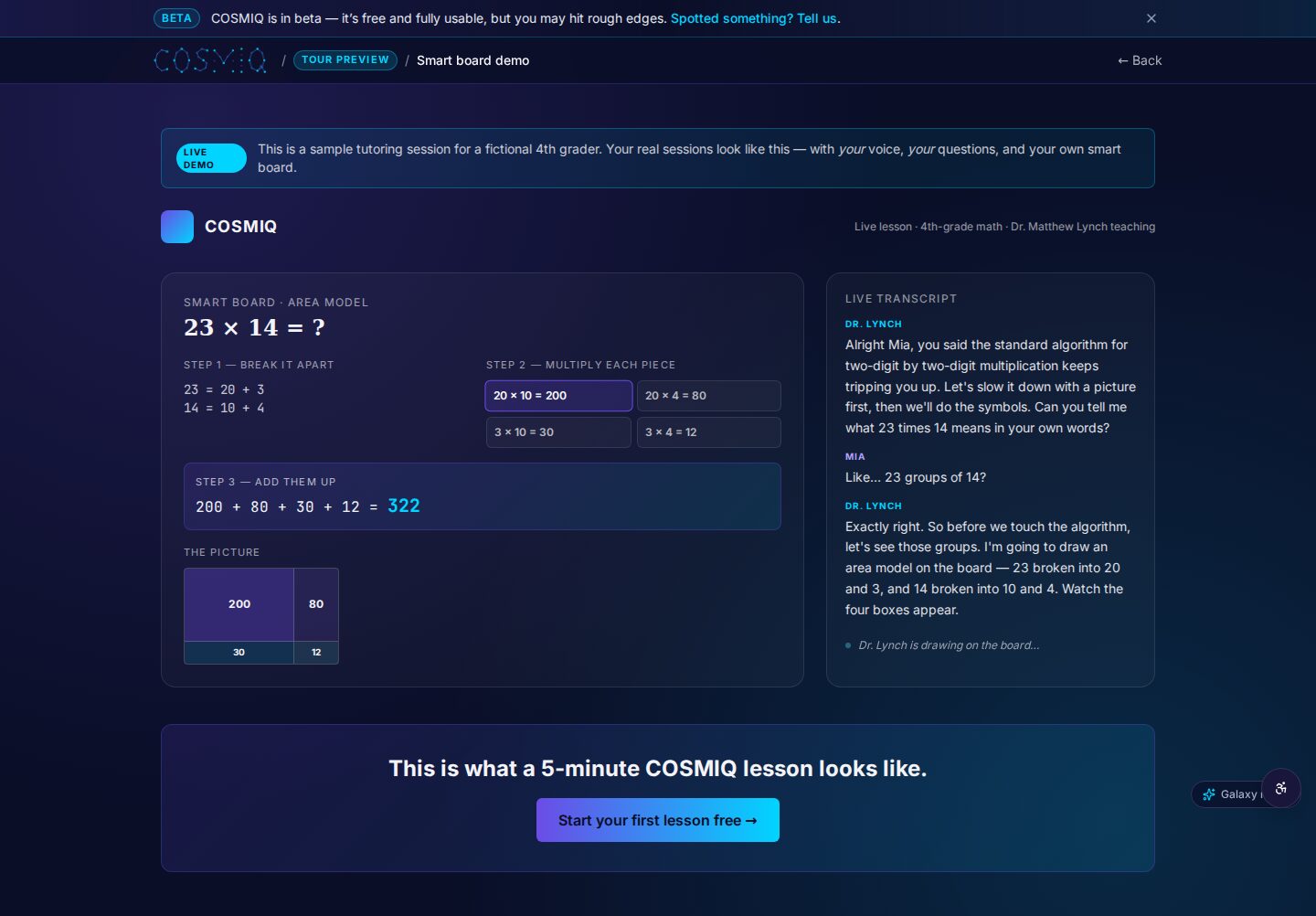
For students preparing for university, understanding the values that underpin top institutions can guide their choices and aspirations. Many free resources, such as COSMIQ, a free voice-driven AI tutor, offer K-12 students support across various subjects, helping them build the foundational knowledge and critical thinking skills that are valued in environments committed to academic rigor and ethical conduct. Additionally, students can explore the exam prep directory to prepare for the rigorous entrance requirements of prestigious universities like Cambridge.
Looking Ahead: A Stronger Cambridge
The University of Cambridge's agreement to hold an independent inquiry into Professor Jason Arday's appointment is a testament to its enduring commitment to its core values. It underscores the belief that even the most esteemed institutions must remain accountable and transparent. This proactive measure is not just about addressing a specific issue; it's about reinforcing the foundations of trust and integrity that are essential for academic excellence and for fostering an environment where all members of the university community can thrive.
By embracing this process, Cambridge demonstrates its leadership not only in research and education but also in institutional governance. This commitment to transparency and fairness ultimately strengthens the university, benefiting its students, faculty, and the wider global community it serves.
Learn anything, free.
COSMIQ is a free, voice-driven AI tutor for every learner. No credit card, ever.
Start learning free →