ChatGPT vs. a Dedicated AI Tutor for Studying

When it comes to studying, we often look for tools that can enhance our learning experience. In recent years, artificial intelligence has stepped into the educational arena, introducing options like ChatGPT and dedicated AI tutors. Both have their unique strengths and weaknesses, leading many students to wonder: which one should I choose? To answer that, let’s explore the capabilities, benefits, and limitations of each.
Understanding ChatGPT
ChatGPT is a conversational AI developed by OpenAI. It’s designed to engage users in dialogue, answer questions, and provide information at a moment's notice. You can think of it as a chat buddy that happens to be packed with knowledge. If you ask it a question about history, science, or even math, it can generate a response almost instantly. But how does it stack up against a more focused AI tutor?
One of the significant advantages of ChatGPT is its accessibility. You can use it anytime and anywhere, as long as you have internet access. This convenience makes it attractive for quick queries or brainstorming ideas. Whether you're stuck on a homework problem or need help understanding a concept, ChatGPT can provide guidance. Imagine you're cramming for a midterm and need a quick review of basic concepts in physics. A simple question typed into ChatGPT can yield an instant explanation or even a brief summary of the topic.
However, it’s essential to remember that ChatGPT is not infallible. It generates responses based on a vast dataset and might occasionally produce inaccurate or misinterpreted information. So while it’s fast and convenient, you need to be discerning about the information it provides. For example, if you’re working on a specific homework question that requires nuanced understanding, relying solely on ChatGPT may lead to misunderstandings.
What is a Dedicated AI Tutor?
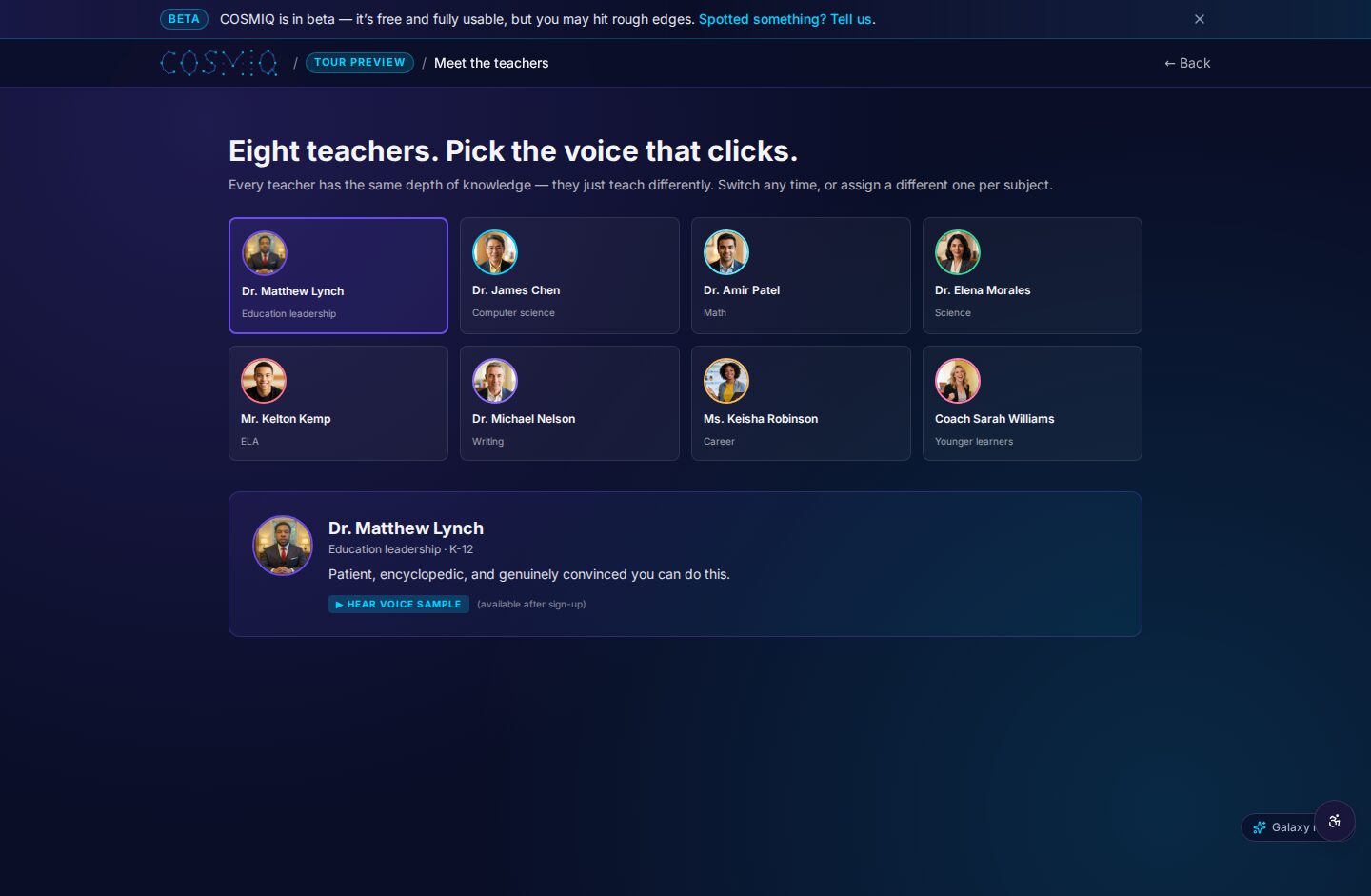
A dedicated AI tutor, on the other hand, is specifically designed to facilitate educational growth. Unlike ChatGPT, these platforms often incorporate personalized learning paths, adaptive quizzes, and interactive lessons tailored to your needs. Examples include platforms like Squirrel AI or Carnegie Learning, which focus on specific subjects and adapt their teaching styles based on student performance.
These AI tutors typically involve a more structured approach. They assess your current understanding, identify weaknesses, and adjust teaching methods accordingly. This customization is particularly beneficial for students struggling with specific subjects, as it allows for targeted practice and reinforcement. Let's say a student is having trouble with geometry; a dedicated AI tutor can analyze the student's previous answers, determine where the misunderstandings lie, and provide a series of exercises to gradually build proficiency.
This targeted approach can make a significant difference. Unlike ChatGPT, which operates on a general level of knowledge, a dedicated AI tutor can drill down into specific areas of difficulty. This level of focus allows for a more comprehensive understanding of the subject matter, which is especially vital for foundational concepts that students need to grasp before moving on to more advanced topics. Think about a student who struggles with the basics of algebra; a dedicated AI tutor can ensure that they master those fundamentals before attempting more complicated equations.
Personalized Learning Experience
Personalization is where dedicated AI tutors shine. They create a unique learning experience tailored to each student’s needs. For example, if you’re struggling with algebra, the tutor can focus on that area, providing exercises that gradually increase in difficulty as your proficiency improves. This tailored approach can lead to more effective learning compared to the more general responses from ChatGPT.
In contrast, ChatGPT offers a more broad-strokes approach. While it can answer a wide range of questions, it doesn’t adapt based on individual performance or previous interactions. You might get a great answer for one question but struggle with the next. This lack of continuity can sometimes lead to gaps in understanding. For instance, if you’ve just learned about linear equations, asking ChatGPT for help might yield good information. However, if your next question delves into quadratic equations, you may find the explanation lacking without the context of where you're currently at in your learning journey.
Dedicated AI tutors often create a progression model based on your learning history. For example, if you’ve mastered basic addition and subtraction, the tutor won’t waste your time with that content; instead, it will introduce multiplication and division, ensuring that you’re always moving forward. This ensures that learning feels dynamic and engaging, rather than static and repetitive.
Engagement and Interaction
Learning can often feel like a solitary journey, but engagement helps to keep motivation high. Dedicated AI tutors often incorporate gamification elements—points, badges, or levels—to make studying feel more rewarding. This can transform a mundane study session into an enjoyable challenge. For example, you might earn a badge for completing a series of math problems or unlock new levels as you pass quizzes, which can keep you motivated to continue learning.
ChatGPT, while engaging in conversation, lacks these gamified elements. It feels more like chatting with a knowledgeable friend than participating in an interactive learning game. For students who thrive on competition and rewards, a dedicated AI tutor may provide the kind of stimulation that keeps them engaged. Consider a student who might lose interest when studying alone—having the ability to earn rewards or track progress can provide that extra push to stay focused. This element of engagement can be particularly crucial for younger students who may need more encouragement to stay motivated.
Response Quality and Accuracy
When it comes to the quality of responses, both options have their merits. ChatGPT can provide detailed explanations and examples, but it isn’t flawless. Occasionally, it generates inaccuracies or outdated information. For instance, if you're asking complex questions or need specifics on a recent scientific development, you might not always receive the most reliable answer. Imagine asking for the latest findings in climate change research; ChatGPT could reference older studies instead of the most recent data, which could mislead you in your assignments.
On the other hand, dedicated AI tutors usually pull from curated educational resources. They’re designed to provide data that aligns with current curricula, which might make them a safer bet for homework assistance. So, if you’re asking yourself, “is ChatGPT safe for homework?”—the answer isn’t a straightforward yes. While it can help, it might not always give the accurate information you need for assignments. If you're relying on it for a critical research project, the potential for misinformation could pose a real risk.
Moreover, dedicated AI tutors often include citations or references for their answers, providing students with a pathway to verify the information. This becomes particularly useful for research purposes, where having credible sources can enhance the quality of your work. In contrast, ChatGPT may not always provide a source for the information it shares, leaving you to wonder where it came from.
Cost and Accessibility
Cost is often a deciding factor when choosing between services. ChatGPT is typically accessible for free, though there may be a premium option with added features. This accessibility makes it a great starting point for students who might not have the budget for dedicated tutoring services.
Dedicated AI tutors, however, often come with subscription fees or one-time costs depending on the platform. While they provide personalized learning experiences, the price tag can be a barrier for some students. Thus, you must weigh your budget against the potential benefits of a more tailored educational experience. For instance, a subscription model might cost around $20 per month, which adds up over the academic year. This expenditure has to be justified with tangible results in improved grades or understanding.
Yet, consider this: investing in a dedicated tutor might save you money in the long run by preventing the need for extra classes or retakes. If a dedicated AI tutor helps you grasp concepts more efficiently, it could reduce the time spent on homework and studying, ultimately improving your academic performance without extra costs.
User Interface and Experience
The user experience can significantly influence how effective a study tool is. Both ChatGPT and dedicated AI tutors offer unique interfaces, but they cater to different user needs. ChatGPT operates on a simple chat-based model. You type in your question, and it responds in real time. This format can be quite user-friendly, especially for those who prefer minimal distractions while studying.
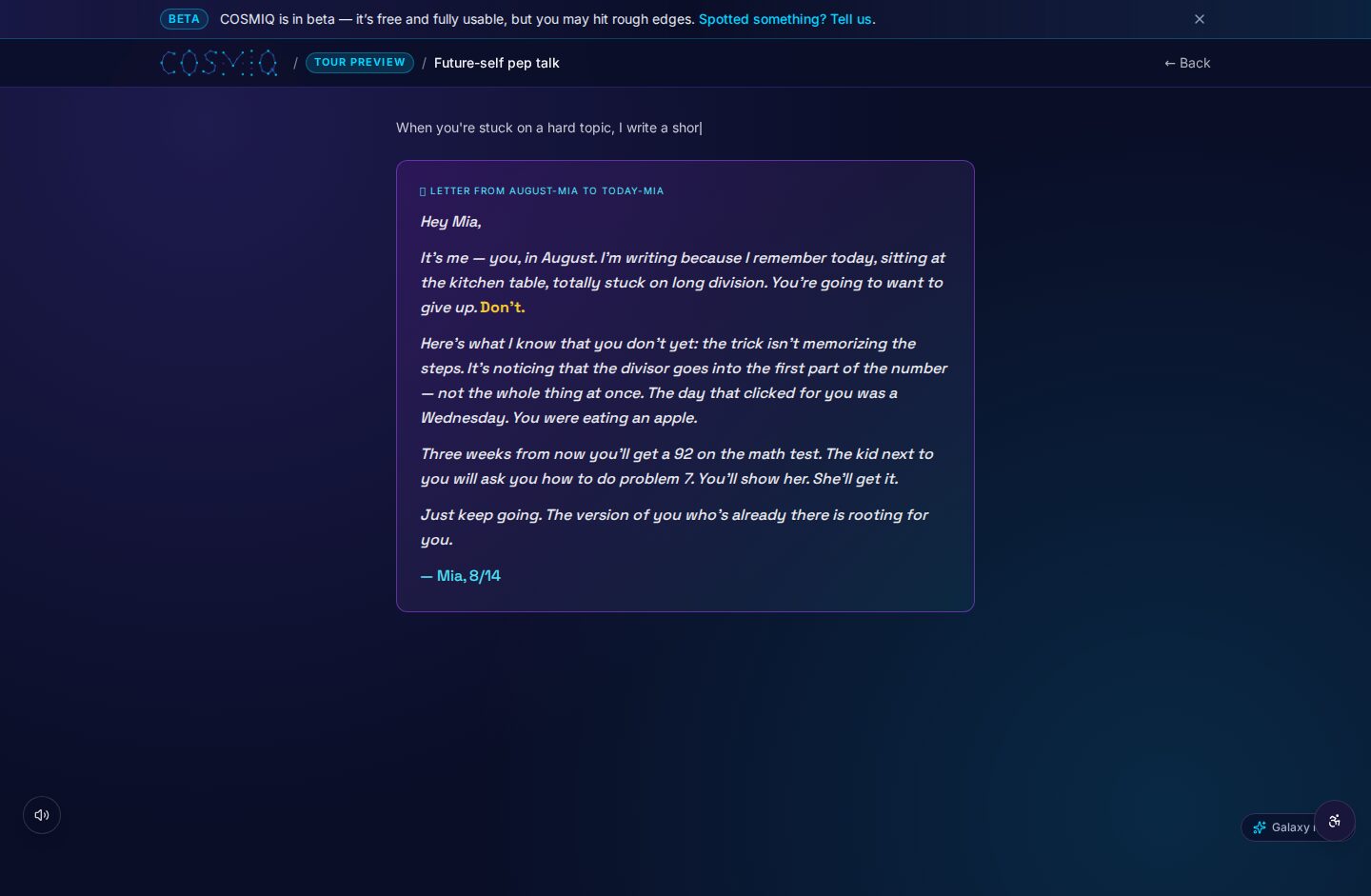
In contrast, dedicated AI tutors often feature comprehensive dashboards where students can track their progress, view their strengths and weaknesses, and explore various resources. These interfaces can feel overwhelming at first, but they provide a wealth of information that’s beneficial in the long run. For instance, you can see your past quizzes, which topics you struggled with, and recommendations for what to study next, all in one place.
Furthermore, the interactive elements of dedicated AI tutors can be both a blessing and a curse. While they enhance engagement, they can also lead to distractions if the gamification becomes too enticing. Think about how easy it is to get sidetracked by game-like rewards instead of focusing on learning. It’s essential to strike a balance between enjoying the study process and actually absorbing the material.
Ultimately, the Right Fit for You
Choosing between ChatGPT and a dedicated AI tutor boils down to your specific needs and learning style. If you’re someone who needs quick answers and enjoys casual conversation, ChatGPT could be your go-to. However, if you seek a structured and adaptive learning experience, a dedicated AI tutor might serve you better.
Think about your study goals. Are you preparing for exams, or are you just trying to grasp a concept? If it’s the latter, ChatGPT may suffice. But if you’re facing a tough subject and need focused help, investing in a dedicated AI tutor could pay off in the long run. In this context, consider your learning habits. Do you prefer self-paced study sessions, or do you thrive on direct feedback? Knowing your preferences can steer you toward the right choice.
Final Thoughts on Choosing Your Study Aid
As you consider your options, reflect on your learning style and the subjects you face. ChatGPT offers flexibility and versatility, while dedicated AI tutors deliver structured guidance and personalized support. Each has its distinct advantages, so understanding what you truly need is crucial.
Ultimately, whether you lean towards ChatGPT or a dedicated AI tutor, make sure to start with a clear idea of what you want to achieve. Your study journey is unique, and selecting the right tool can make all the difference. Instead of just asking yourself, 'is ChatGPT safe for homework?' consider how well it aligns with your educational goals. Your learning experience should serve you, not the other way around.
Final Thoughts on the Impact of AI in Education
The rise of AI in education marks a significant shift in how we think about learning and teaching. As technology evolves, so do the possibilities. Both ChatGPT and dedicated AI tutors reflect this transformation, but they do so in different ways. Students today have the unique opportunity to harness the power of AI to tailor their educational journeys.
However, as we embrace these technologies, we must also acknowledge their limitations. ChatGPT can complement your studies but shouldn't replace critical thinking and traditional learning methods. Conversely, while dedicated AI tutors can provide structured support, they might not offer the same breadth of information as a general tool like ChatGPT.
Ultimately, the goal of integrating AI into education should be to enhance the learning experience, not complicate it. With careful consideration of your needs and the strengths of each tool, you can navigate this new educational landscape successfully. Take advantage of the resources available to you, and remember that a balanced approach, combining both AI tools and human guidance, might be the key to unlocking your full potential.
Learn anything, free.
COSMIQ is a free, voice-driven AI tutor for every learner. No credit card, ever.
Start learning free →