ClassLink and Clever Integration for District-Wide AI Tutoring

As education increasingly turns to technology for solutions, the integration of AI tutoring systems is transforming how students learn. School districts face the challenge of providing personalized education without overwhelming teachers or draining budgets. Enter AI tutors for districts, designed to streamline the learning experience while maximizing resources. Among the most valuable tools in this realm are ClassLink and Clever integration, which not only enhance accessibility but also ensure that tutoring is tailored to the unique needs of K-12 students.
Understanding AI Tutoring for Districts
AI tutors for K-12 districts represent a significant shift in educational methodologies. They harness data and machine learning algorithms to create customized learning pathways for students. These systems analyze student performance in real-time, offering immediate feedback and targeted resources. Imagine a student struggling with algebra; an AI tutor can identify their weaknesses and provide practice problems specifically designed to address those gaps. This personalized approach is what sets AI tutors apart from traditional methods.
However, the effectiveness of these AI tutors hinges on their accessibility. Without proper integration, the potential benefits can easily become lost in translation. That's where platforms like ClassLink and Clever come into play. They bridge the gap between educational content and student access, making sure every student has the tools they need to succeed.
The Power of ClassLink Integration
ClassLink integration tutor systems offer schools a seamless way to manage educational resources. With Single Sign-On (SSO) capabilities, students can access various applications using just one set of credentials. This not only simplifies the login process but also allows easy navigation between different tools and platforms.
For instance, say a student logs into ClassLink. With a single click, they can jump from their classroom learning management system to an AI tutoring platform. This diminishes the barriers that often come with multiple logins, ensuring that learning is fluid and uninterrupted. The real magic happens when the district tutoring platform is equipped with an AI tutor. Students can switch from lessons to tutoring in no time, allowing for a more cohesive learning experience.
Additionally, ClassLink's analytics feature enables educators to monitor how often students engage with the AI tutor. This data can drive decisions on whether to adjust tutoring strategies or introduce new subjects based on student interests and performance patterns. Imagine a scenario where a school has identified that a majority of students are struggling with fractions. Teachers can then use ClassLink's insights to deploy targeted interventions efficiently, ensuring that no student is left behind.
Clever-Integrated Tutoring
On the other hand, Clever-integrated tutoring provides districts with another powerful option. Clever focuses on making app integration simple for teachers and students alike. With the Clever portal, districts can manage all their digital resources in one place, streamlining not just access but also data management.
Imagine a school where teachers can easily assign specific AI tutoring sessions to students directly from their Clever dashboard. They can select a tutoring module that best meets the needs of their class based on performance metrics gathered throughout the term. This direct access not only empowers teachers but also leads to targeted support for students, fostering a more productive learning environment.
Furthermore, Clever's automatic rostering eliminates the need for manual entry of student information across platforms. This means updates to class lists and student progress are reflected in real-time, allowing for adaptive learning experiences. If a student excels in a certain subject and advances to a higher level, this change automatically syncs across all integrated platforms, including AI tutoring programs. Imagine the peace of mind for teachers, knowing that they can focus on instruction rather than administrative tasks.
OneRoster Compatibility
When discussing AI tutors, OneRoster compatibility is a crucial feature to consider. OneRoster is an industry-standard specification that allows for the secure transfer of data between different educational applications. This means that when a district implements an AI tutor for K-12 districts, they can rest assured that data flows smoothly and securely. OneRoster standardizes how student data is shared, minimizing the need for manual data entry and drastically reducing the chances of errors.
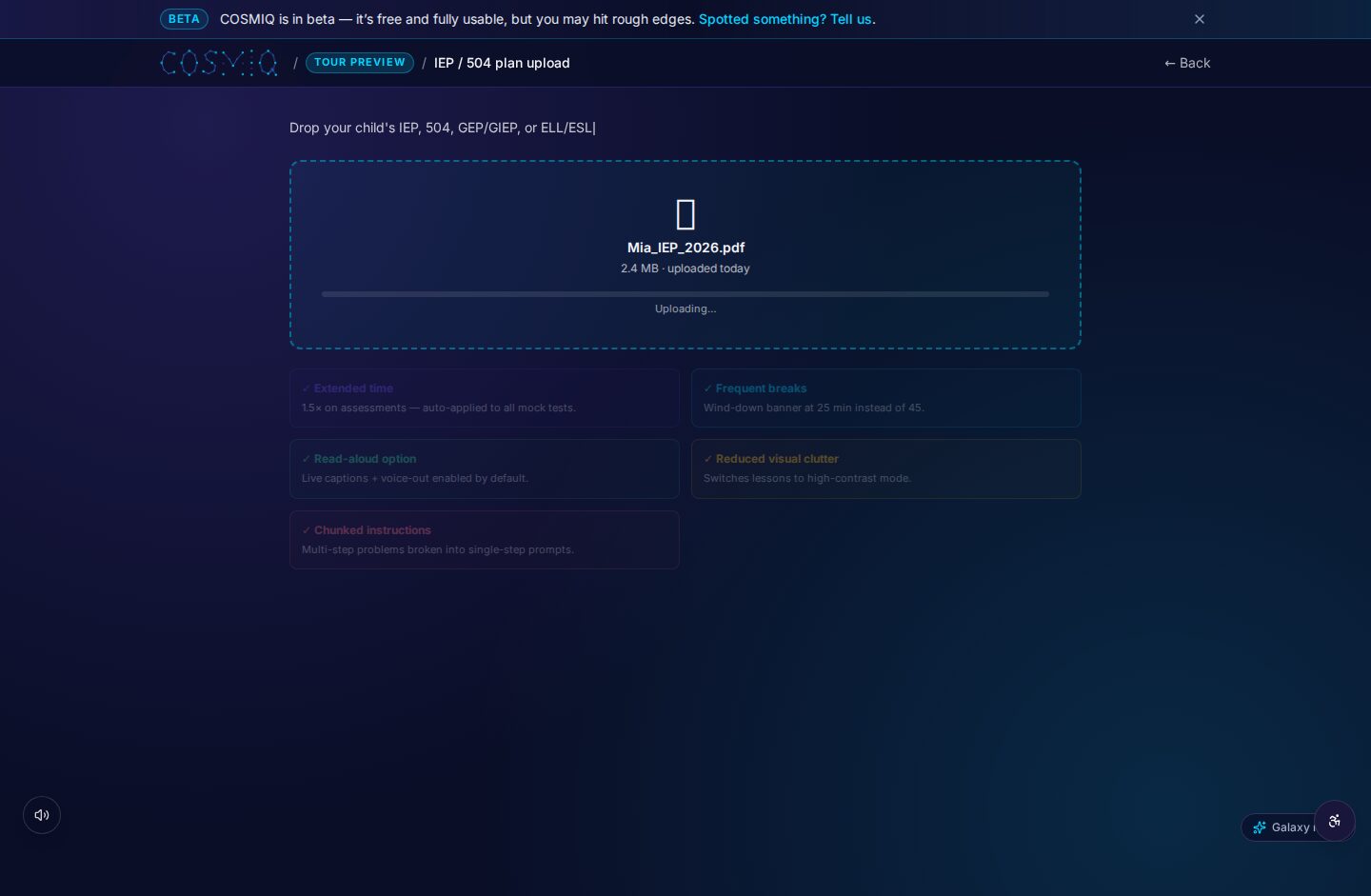
Consider a district that utilizes various tools for assessments, attendance, and learning management. Without OneRoster compatibility, syncing this information can be a logistical nightmare. However, with AI tutoring systems that adhere to OneRoster standards, districts can pull relevant data effortlessly, allowing AI tutors to adapt to each student's needs based on real-time performance.
Moreover, OneRoster can facilitate improved communication between different educational software. For example, if a student shows consistent difficulty in a particular area based on their performance in an AI tutor, this insight can be shared with the learning management system (LMS). Educators can take proactive steps to adjust the curriculum or provide additional support, creating a holistic approach to student success.
Benefits of District-Wide AI Tutoring
Implementing a district-wide AI tutor enhances educational equity. Not every student learns at the same pace or in the same way. With access to tailored content, students who may have struggled in a traditional classroom setting can receive the guidance they need without feeling pressured. This is particularly beneficial in districts with diverse learning needs and backgrounds.
For example, a student who excels in math but struggles in reading can receive specific support in reading while still advancing in math. This dual approach ensures that students are not held back by one subject's challenges while encouraging a growth mindset. In districts employing AI tutors, you’ll likely see improvements in overall student performance and engagement, as these systems help keep learners motivated.
Additionally, AI tutors can support students with varying levels of ability within the same classroom. For example, in a mixed-ability class, while some students are engaging with advanced math problems, others can work on foundational skills in a personalized manner, all facilitated through the same AI tutoring system. This versatility empowers teachers to differentiate instruction easily, catering to individual student needs without overwhelming their workload.
Practical Steps for Implementation
So, how can districts implement these AI tutoring systems effectively? Start by evaluating the specific needs of your schools. Survey teachers and students to understand their challenges and preferences. Once you have that insight, research AI tutor platforms that align with those needs.
Next, focus on integration. Whether you choose ClassLink or Clever, ensure the chosen platform is compatible with your existing systems. This means checking for OneRoster compatibility and ensuring that the AI tutor can seamlessly integrate into your district tutoring platform.
Teacher training is also vital. Providing professional development for educators will help them understand how to leverage these AI tutors effectively. They need to feel comfortable using the technology so that they can guide students in utilizing it to its fullest potential.
In addition to initial training, ongoing support is essential. Consider establishing a peer mentorship program where experienced teachers can support their colleagues in navigating the AI tutoring system. Regular workshops can help teachers share best practices, ensuring that they’re not just using the technology but maximizing its benefits.
The Future of AI Tutoring in Education
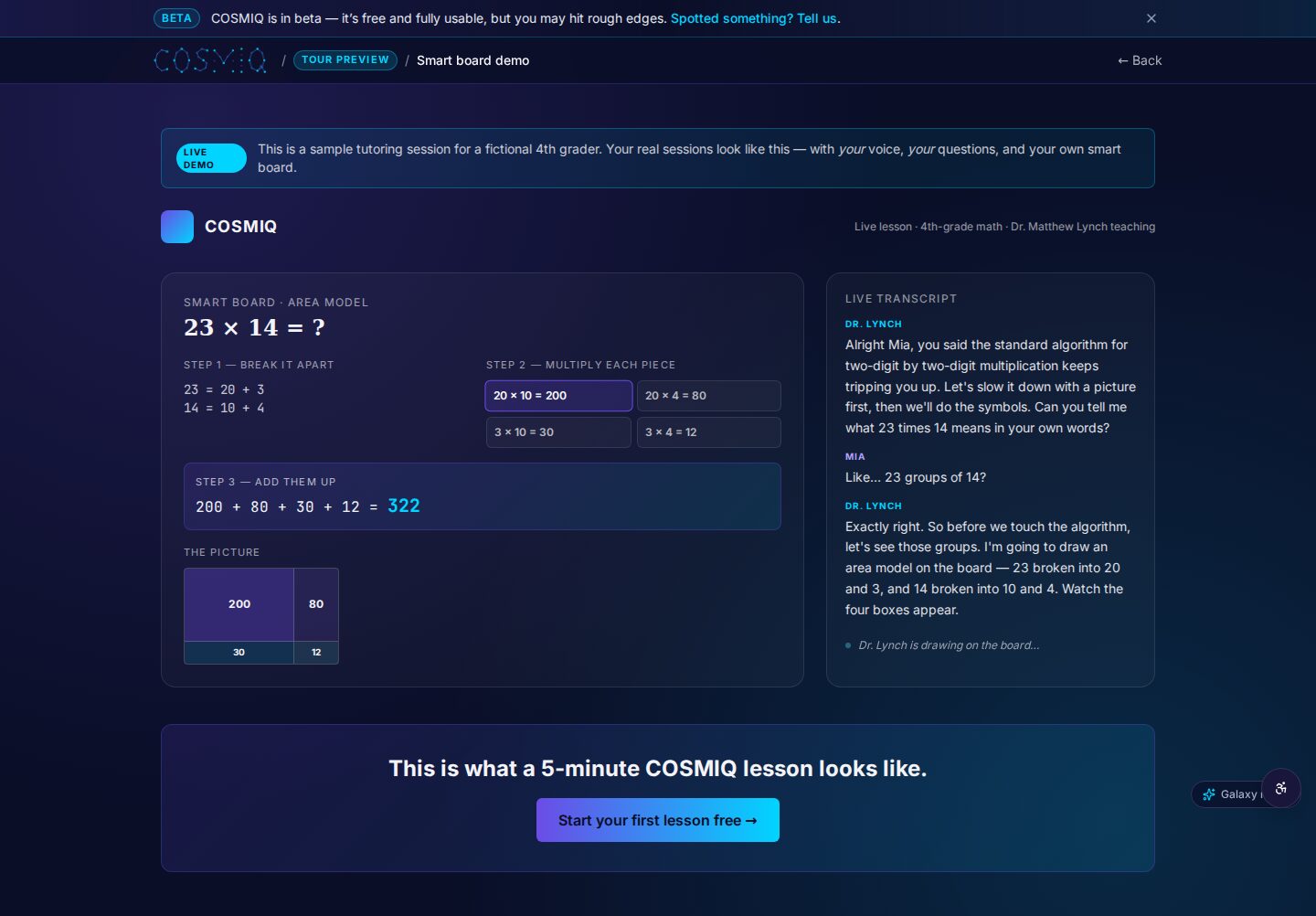
Looking ahead, the potential for AI tutoring in education is enormous. As technology evolves, we can expect even more sophisticated AI systems that adapt to individual learning styles. Imagine AI tutors that can not only assess academic performance but also emotional well-being, adjusting their approach accordingly. This level of personalization could transform how we think about education.
Additionally, as districts increasingly adopt OneRoster compatible tutoring solutions and robust integration systems like ClassLink and Clever, the barriers to effective implementation will continue to diminish. Schools won’t just be accessing tools for learning; they’ll be cultivating environments where every learner can thrive.
In the end, the integration of ClassLink and Clever for district-wide AI tutoring isn't just about technology. It's about creating opportunities for students, ensuring that each one of them has the support they need to succeed. As an educator, a parent, or an administrator, embracing these tools could be one of the most impactful decisions you make for the future of education.
Evaluating AI Tutor Effectiveness
As districts implement AI tutoring, evaluating effectiveness becomes a priority. How do you measure whether these systems are truly enhancing student learning? One method is through data analytics. AI tutors generate a wealth of data, from engagement rates to performance on assessments. By analyzing this data, districts can identify trends and areas for improvement.
For example, if you notice that students using an AI tutor for math are consistently achieving higher test scores than those who don’t, that’s a clear indicator of effectiveness. Furthermore, you can track individual student progress over time, offering insights into not just academic growth but also areas where additional support may be needed.
Feedback from teachers and students is equally important. Surveys and focus groups can provide qualitative data on user experience. Are students finding the tutor engaging? Are teachers able to effectively incorporate it into their lesson plans? This feedback loop is crucial for continuous improvement.
Overcoming Challenges in AI Tutoring Implementation
While the benefits of AI tutoring are compelling, challenges do exist. One major concern is the digital divide. Not all students have equal access to the technology needed to utilize these AI systems. Districts must ensure that all students can access the necessary devices and internet connections. This could mean providing technology resources or developing policies that support equitable access.
Another challenge is the initial resistance to change from educators. Some may feel intimidated by new technology or skeptical about its efficacy. It’s essential to create a culture that embraces innovation while also offering support to ease this transition. Highlighting success stories from within the district can help build confidence and enthusiasm around AI tutoring.
Finally, ongoing maintenance and updates to the AI systems are crucial. Technology is constantly evolving, and so too should your tutoring platforms. Regularly evaluating the tools you use ensures they continue to meet the needs of your students and staff.
Related resources: AI tutor for districts · AI tutor for districts · AI tutor for K-12 districts · OneRoster compatible tutoring · ClassLink integration tutor · Clever-integrated tutoring
Learn anything, free.
COSMIQ is a free, voice-driven AI tutor for every learner. No credit card, ever.
Start learning free →