Colorado School Performance Framework Predictor

When you think about school performance, what comes to mind? Test scores? Graduation rates? While those are certainly significant factors, the Colorado School Performance Framework (CSPF) takes a more comprehensive approach. It provides a clear lens through which parents, educators, and policymakers can evaluate school quality and performance. This framework not only assesses performance but also projects future growth, making it an invaluable tool in understanding how schools are progressing.
Understanding the Colorado School Performance Framework
The Colorado School Performance Framework is a detailed assessment tool developed to evaluate the performance of public schools across the state. It uses a combination of academic achievement, growth, and readiness indicators to derive a comprehensive picture of a school’s performance. Schools receive ratings based on these indicators, which are then communicated through the Colorado school report card. This report card is crucial for parents looking to understand the strengths and weaknesses of schools in their area.
But what does all this mean for you? If you’re a parent or guardian, the CSPF can serve as a guide when choosing the right school for your child. The framework doesn’t just reflect past performance; it also forecasts potential growth, which is essential for evaluating whether a school is on the right track. For example, a school may receive lower grades initially due to various factors, but if its growth metrics show promise, it may very well be the right environment for a student looking to thrive.
Understanding the various ratings and what they represent can empower you as a parent. If you see a school with a ‘Meets Expectations’ rating, that indicates they are performing adequately but might not be excelling. Conversely, a ‘Distinguished’ rating signifies a school not only meets but exceeds expectations in several areas. This kind of insight can help you make informed decisions, ensuring that your child attends a school that fits their unique learning needs.
The Components of the Framework
The CSPF includes several critical components that together form a complete picture of school performance. These components are academic achievement, academic growth, and post-secondary readiness. Academic achievement focuses on how well students perform on state assessments. It’s the snapshot of where students stand at a particular point in time. But here’s the kicker: this alone doesn’t tell the whole story.
Academic growth is where things get interesting. This metric measures how much students improve over time, regardless of where they started. A school may have students who begin at different levels; what matters is how much progress they make. For instance, a school may have lower initial scores but high growth rates, indicating that they are effectively helping students learn and progress.
Finally, we have post-secondary readiness, which evaluates how prepared students are for life after high school. This includes metrics like graduation rates and the percentage of graduates who go on to college or other forms of higher education. A school that excels in this area signifies that it’s not just teaching students to pass tests but equipping them with the skills they need for future success.
Each of these components plays a vital role in shaping the overall understanding of a school’s effectiveness. Academic achievement is often seen as the most straightforward indicator, but schools that focus solely on this aspect may overlook the developmental needs of their students. This is where academic growth steps in. A school may have lower academic achievement initially, but if they are fostering an environment where students make significant strides, their long-term impact can be more profound.
How Colorado School Grades Are Determined
You may wonder how schools receive their grades. The Colorado school grades are the result of a careful formula that weighs the various components of the CSPF. For example, academic achievement might account for 50% of a school’s total score, while growth might contribute another 40%, and readiness might fill out the remaining 10%. This breakdown ensures a balanced evaluation that recognizes both current performance and potential for improvement.
Once schools are evaluated, they receive an overall rating that ranges from ‘Unsatisfactory’ to ‘Distinguished.’ These ratings provide a quick reference for anyone interested in understanding how well a school is performing. Schools that continually excel will often receive higher grades, while those struggling may find themselves under scrutiny. But remember, a lower grade doesn’t always indicate a failing school. It could mean that the school is working hard to address specific challenges that affect its performance.
For instance, consider a school that receives a ‘Partially Meets Expectations’ grade. This rating can point to several areas needing improvement, such as attendance or specific academic subjects. Parents might see this as a red flag, but it’s essential to dig deeper. What initiatives is the school implementing to improve? Are they investing in tutoring programs or outreach for families? Such proactive measures may indicate that while the current grade isn't ideal, the school is committed to making significant changes.
The importance of understanding these nuances cannot be overstated. A single grade may not capture the entirety of a school’s potential, and as a parent, you want to ensure you’re looking beyond the surface level. Engage with school representatives, attend parent-teacher conferences, and gather as much information as possible to get a full picture of what the school environment offers.
The Role of Stakeholders

The CSPF isn’t just a tool for schools; it’s a resource for all stakeholders involved in education. Parents can use the Colorado school report card to make informed choices regarding their children’s education. Community members can hold schools accountable based on the data presented, and educators can utilize this information to refine their teaching strategies. In essence, the CSPF creates a feedback loop that benefits everyone involved.
When stakeholders engage with the CSPF, they can influence school improvement plans effectively. For instance, if a school receives low marks in academic growth, educators and administrators can focus their efforts on strategies that promote better learning outcomes. This collaborative approach fosters a culture of continuous improvement, which ultimately benefits students.
Community involvement is another layer that can’t be overlooked. Local organizations and businesses can play a significant role in supporting schools by offering resources, mentorship programs, and scholarships. When schools have a robust support system from the community, students benefit from enriched learning experiences that go beyond the classroom.
Take, for example, a local company that partners with a school to create an internship program. Not only does this provide students with real-world experience, but it also bridges the gap between academic learning and practical application. Such partnerships can enhance the overall educational landscape, helping schools improve their Colorado school grades and provide better opportunities for their students.
Trends and Observations in Colorado Schools
Looking at trends in the Colorado School Performance Framework can be quite revealing. Are schools in urban areas performing differently than those in rural settings? Are there specific districts that consistently receive high marks? These questions can offer insights into educational disparities and successes across the state. For example, schools in affluent communities may have access to more resources, which can influence their performance significantly.
On the other hand, some schools in less affluent areas may demonstrate remarkable growth despite limited resources. This often speaks volumes about the quality of teaching and community support. Tracking these trends is essential for policymakers who aim to level the playing field and ensure that all students, regardless of their background, have access to quality education.
Also, monitoring trends over time helps in identifying successful strategies. For example, if a certain district implements a new reading program and sees a subsequent rise in academic achievement on the Colorado school report card, that could be a model for other districts to emulate. It’s about sharing best practices and fostering a collaborative spirit among schools.
Future Directions and Improvements
As we look ahead, it’s vital to consider how the CSPF can be improved. One focus area could be the inclusion of more qualitative data. While numbers are important, qualitative feedback from students, parents, and teachers can provide context that raw scores may not capture. For instance, a school may have high test scores but low student satisfaction, which could indicate issues in the learning environment.
Additionally, integrating technology into the framework could streamline the process of data collection and analysis. Imagine a system that not only tracks academic metrics but also gathers real-time feedback from the school community. This could offer a more dynamic view of a school’s performance and allow for quicker adjustments to be made when necessary.
Consider the potential of utilizing AI-driven analytics to predict areas of need based on historical data and community feedback. This could lead to a more proactive approach in addressing academic challenges before they escalate. By leveraging modern technology, stakeholders could have access to insights that allow for targeted interventions.
Also, increasing communication about the CSPF itself can foster greater understanding and engagement among parents and the community. Workshops, informational webinars, and community forums can serve as platforms for educating families about how to interpret the Colorado school report card and what it means for their children.
Navigating the Colorado School Report Card
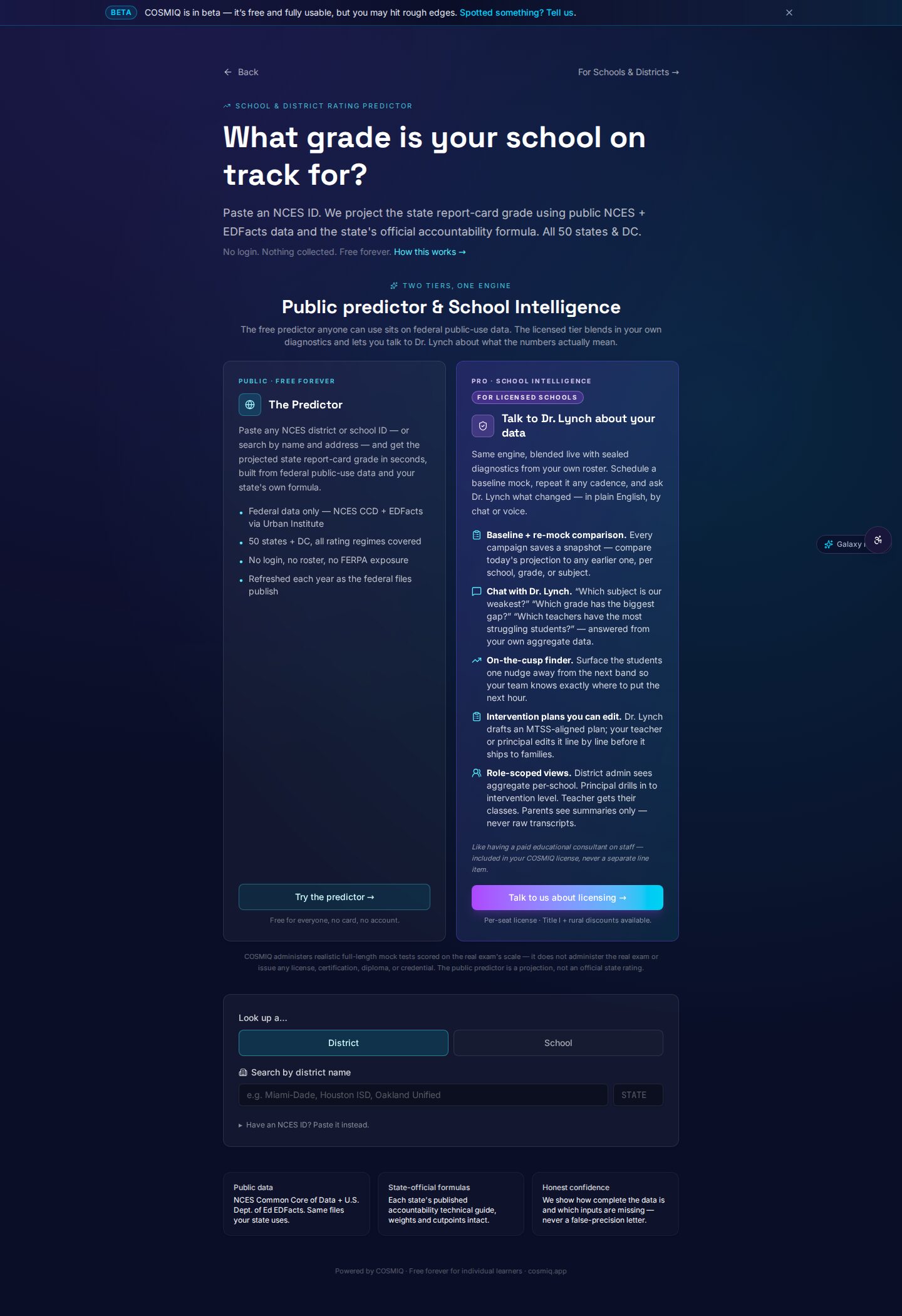
Navigating the Colorado school report card can seem daunting at first, but it becomes much easier once you know what to look for. Start by familiarizing yourself with the different sections of the report card. Look for the overall rating, but don't stop there. Dig into the specific components—academic achievement, growth, and readiness. This will give you a clearer perspective on what a school excels at and where it might need improvement.
Don’t hesitate to reach out to the school directly if you have questions or need more information. Schools often appreciate engaged parents and are willing to share more about their programs and efforts. Remember, the Colorado school performance framework is designed to foster transparency and accountability, so make good use of it.
Additionally, consider discussing the report card findings with other parents in your community. They can offer valuable insights or share personal experiences, which can help you make an informed choice. It’s also helpful to visit schools and observe the environment. A firsthand experience can provide context that numbers and reports might not convey.
Lastly, be sure to revisit the report cards periodically. Schools can change significantly from year to year based on various factors, including new leadership, curriculum changes, or community initiatives. Staying informed will help you remain an advocate for your children’s education and ensure you’re always equipped with the knowledge needed to make the best decisions for their future.
Community Engagement and Support Systems
Another critical aspect of school performance not often highlighted is community engagement. Schools thrive in environments where parents and local organizations actively participate in educational initiatives. Strong community support can provide resources that schools may lack, helping to fill in the gaps.
For instance, consider a local nonprofit that offers after-school tutoring programs. Such initiatives can significantly boost students' academic performance, particularly in underfunded schools that might struggle to provide individualized attention. This synergy between schools and the community can lead to higher student achievement and better performance on the Colorado school report card.
Moreover, community engagement fosters a sense of belonging among students and parents alike. When families feel connected to their schools, they’re more likely to participate in events, volunteer their time, and support educational programs. This not only enriches the educational experience for students but also creates a supportive network that can uplift entire neighborhoods.
Take the example of a neighborhood with a strong community center that collaborates with local schools. They might offer mentorship programs, workshops for parents, and resources for families facing challenges. This collaboration directly impacts student performance and can contribute positively to the school’s standing in the Colorado school performance framework.
Understanding Educational Equity Through CSPF
One pressing issue in education today is equity. The Colorado School Performance Framework can illuminate disparities in performance among different demographics. By analyzing the data, stakeholders can see where gaps exist and take action to address them.
For instance, if a specific group of students consistently underperforms, schools can look into tailored interventions. This could mean professional development for teachers on culturally responsive teaching or implementing programs that cater specifically to the needs of those students. The key is using the data from the CSPF to identify and combat inequities.
Moreover, understanding educational equity goes beyond just academic metrics. It involves considering social and emotional factors affecting student performance. Schools can utilize surveys that assess student well-being, engagement, and satisfaction to gain a comprehensive understanding of the challenges their students face.
Ultimately, addressing these disparities is not just a moral imperative; it’s necessary for the overall growth of the education system. When every student has access to quality education, the entire community benefits. Higher engagement, improved performance, and a more educated populace contribute to stronger local economies and healthier communities.
Learn anything, free.
COSMIQ is a free, voice-driven AI tutor for every learner. No credit card, ever.
Start learning free →