CoSN Celebrates New Federal Guidance on EdTech and Screen Time: What it Means for Learning

In an increasingly digital world, the role of technology in our children's education is a topic of constant discussion. How much screen time is too much? Are our students truly benefiting from digital tools? These are questions that resonate deeply with parents, teachers, and students alike. That’s why the recent announcement from the U.S. Department of Education, and its warm reception by the Consortium for School Networking (CoSN), marks a significant moment for K-12 education.
CoSN, a leading professional association for K-12 education technology leaders, recently issued a statement welcoming the Department of Education's new guidance on education technology and screen time. This guidance, according to CoSN, offers a thoughtful and much-needed perspective, shifting the conversation from merely counting screen minutes to evaluating the purpose and impact of technology in learning. This emphasis on intentionality is a credit to organizations like CoSN, which have long advocated for a nuanced approach to integrating technology into schools.
Emphasizing Purposeful Technology Use
One of the core takeaways from CoSN's statement, articulated by CEO Keith Krueger, is the Department of Education's distinction between recreational screen time and the purposeful use of technology for teaching and learning. This is a crucial clarification. As Krueger notes, policymakers should focus on whether technology is being used effectively to enhance instruction, broaden learning opportunities, support diverse learners, and ultimately improve student outcomes, rather than just the duration of screen exposure.
This perspective aligns perfectly with CoSN's own Purposeful Education Technology initiative. CoSN believes that education technology is most effective when it is centered on learning goals, provides robust online protection for students, and is implemented through transparent, local decision-making processes. For parents, this means schools are encouraged to think critically about why a particular technology is being used and how it contributes to their child's learning journey. For teachers, it empowers them to select and integrate tools that genuinely support their pedagogical goals and student needs.
Local Control and Communication are Key
Another vital aspect highlighted by CoSN is the Department of Education's recognition that decisions about technology use in schools are best made at the local level, with input from educators and families. This acknowledges the diverse needs and resources of different communities and school districts. What works well in one district might not be suitable for another, and local stakeholders are best positioned to understand their unique contexts.
CoSN emphasizes that school districts, in close collaboration with parents, educators, and students, are best equipped to determine which technologies meet local needs and support student learning. This collaborative approach fosters a sense of ownership and ensures that technology integration is responsive to the specific community it serves. Open communication between schools and families about the 'how, when, and why' of technology use is also paramount, building trust and shared understanding.
Prioritizing Student Protection Online
While celebrating the purposeful use of technology, CoSN also underscores the critical need for robust safeguards. According to Krueger, schools must ensure that students are protected through strong privacy, cybersecurity, and online safety measures. This is a non-negotiable aspect of digital learning. As students engage more with online platforms, ensuring their data is secure and their online experiences are safe becomes increasingly important for both schools and families.
For parents, understanding the privacy policies and cybersecurity measures implemented by their child's school is essential. Asking questions about data protection and online safety protocols can provide peace of mind. For educators, staying informed about best practices in digital safety and integrating these into their teaching methodologies is crucial.
How Free AI Tutors Fit into Purposeful EdTech
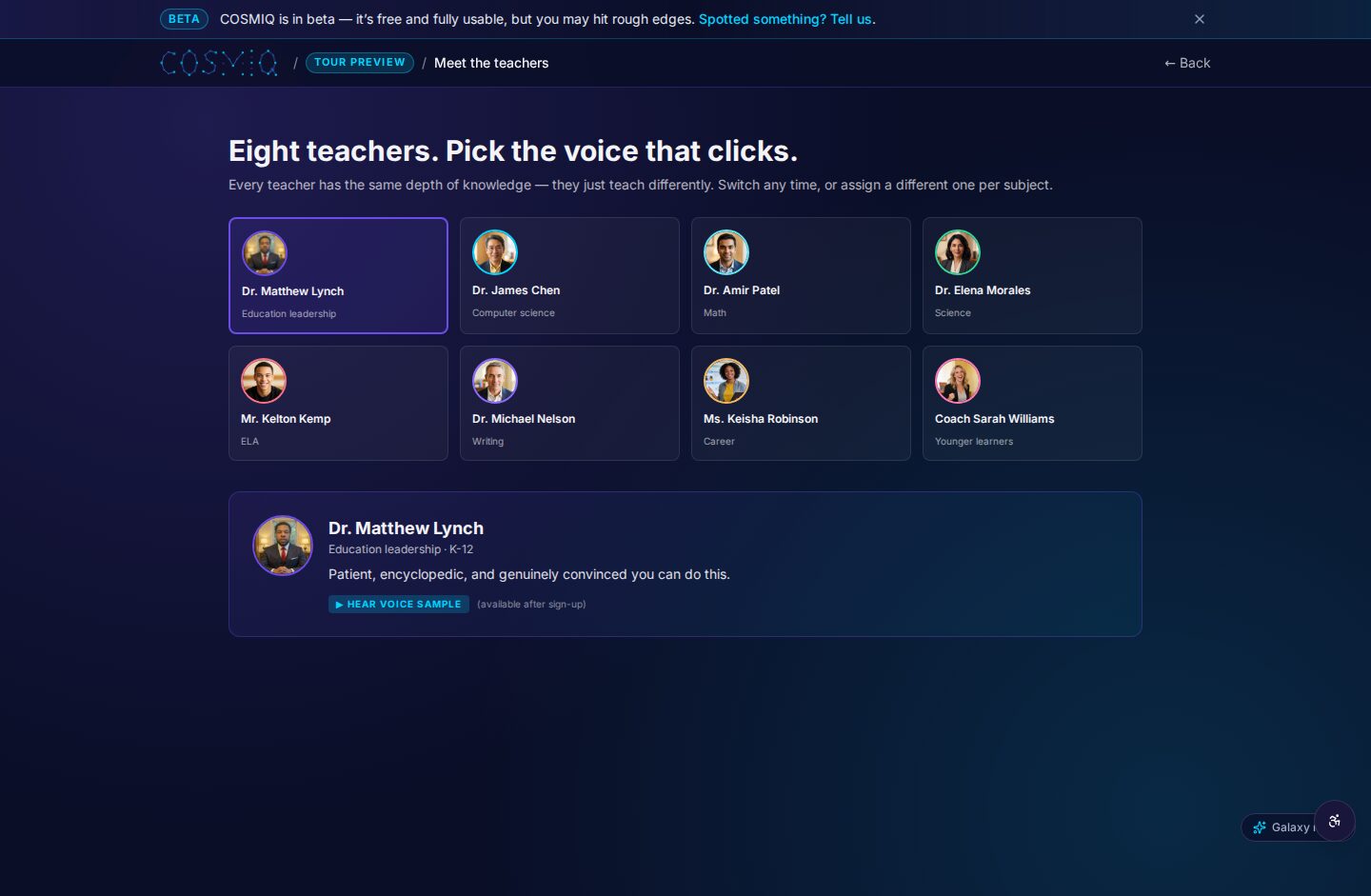
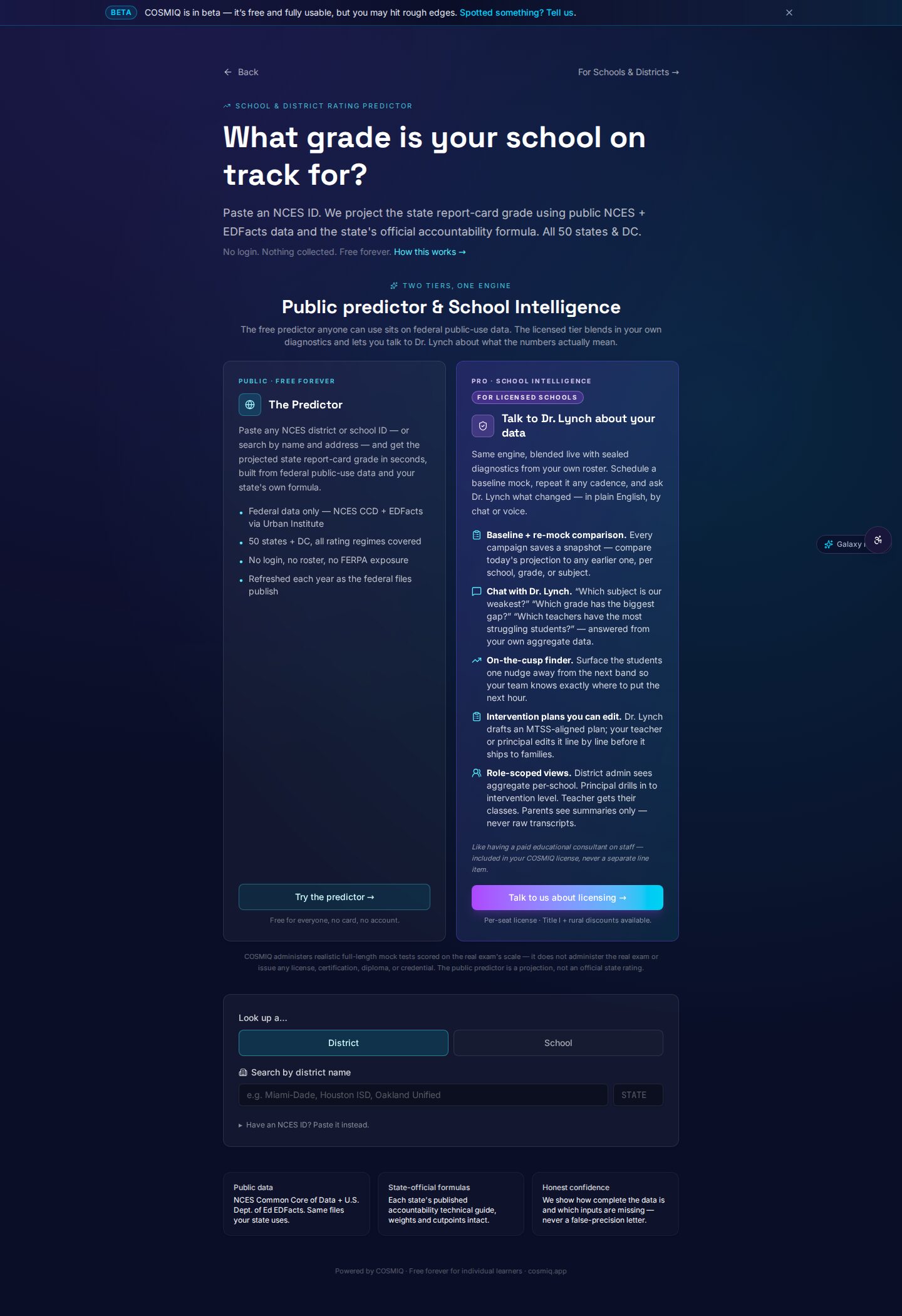
The guidance from the Department of Education and CoSN's endorsement provide a valuable framework for evaluating educational tools. Platforms like COSMIQ, a free voice-driven AI tutor, exemplify purposeful education technology by offering personalized, on-demand support for K-12 learners. COSMIQ's focus on individual learning needs and accessibility aligns with the goal of expanding learning opportunities and supporting diverse students, all while being free forever for every K-12 student. Tools like this can be a powerful complement to classroom learning, offering students extra practice and explanations in a safe, guided environment.
CoSN's Ongoing Commitment to Education Technology Leaders
CoSN's welcoming of this guidance is a testament to its consistent dedication to equipping K-12 education technology leaders with the knowledge and community they need. The organization provides district leaders with resources to evaluate, implement, and communicate the intentional use of technology in schools. Their resource center offers guidance on developing district technology policies, understanding the differences between educational technology and recreational screen time, and additional tools for education leaders.
With a vision rooted in a future where every learner reaches their unique potential, CoSN represents over 2,000 school districts and 14 million students, serving as an influential voice in K-12 education. Their work in advocating for thoughtful, evidence-based technology integration continues to shape how schools approach digital learning, ensuring that technology serves as a powerful tool to enhance student outcomes.
Conclusion
The U.S. Department of Education's new guidance on education technology and screen time, championed by CoSN, offers a refreshing and practical approach to digital learning. By shifting the focus from mere screen time to purposeful engagement, local decision-making, and robust online safety, it empowers educators and families to make informed choices that truly benefit students. As we move forward in 2026 and beyond, this guidance provides a strong foundation for harnessing the full potential of technology to create engaging and effective learning environments for all.
Learn anything, free.
COSMIQ is a free, voice-driven AI tutor for every learner. No credit card, ever.
Start learning free →