Could Your Classroom Use a Little More Fun? Start Here

When school feels relentlessly serious, even meaningful lessons can become harder to enter. Students may be present, compliant, and quiet without being especially curious or invested. A little more fun will not solve every classroom challenge, nor should entertainment replace instruction. But purposeful moments of play, surprise, choice, and shared laughter can make learning feel more human—and more worth attempting.
For teachers, “make it fun” can sound like one more demand added to an already full workload. It does not have to mean redesigning every unit, buying elaborate materials, or performing for students all day. Often, the most sustainable changes are small routines that invite students to participate differently. The goal is not constant excitement. It is a classroom where learners feel safe enough to try, ask, revise, and care.
Redefine fun as active engagement
Fun is sometimes treated as the opposite of rigor. That is a false choice. Students can work through challenging ideas and still experience enjoyment, especially when they understand the purpose of a task and have a real role in it. In fact, difficult learning often becomes more manageable when students feel connected to one another and can see progress.
A useful question is not, “How can I make this lesson entertaining?” Try asking, “Where can students make a decision, notice something surprising, or contribute an idea?” Those moments create energy without lowering expectations.
- Turn a review question into a quick prediction before revealing the answer.
- Ask students to rank possible solutions, then defend their choices.
- Use a mystery image, object, quotation, or error as an opening prompt.
- Let pairs create one challenging question for another pair to answer.
- Invite students to explain a concept using an analogy from music, sports, games, food, or everyday life.
These approaches work because they give students something to do with knowledge. They are not merely receiving information; they are testing ideas, making connections, and seeing how other people think.
Begin with low-prep routines
The best classroom routines are easy to repeat and flexible enough to use across subjects. Start with one or two practices rather than trying to transform every lesson at once. Consistency matters more than novelty: students are more likely to participate when they know the structure and trust that taking a chance will not be embarrassing.
Try a two-minute warm-up
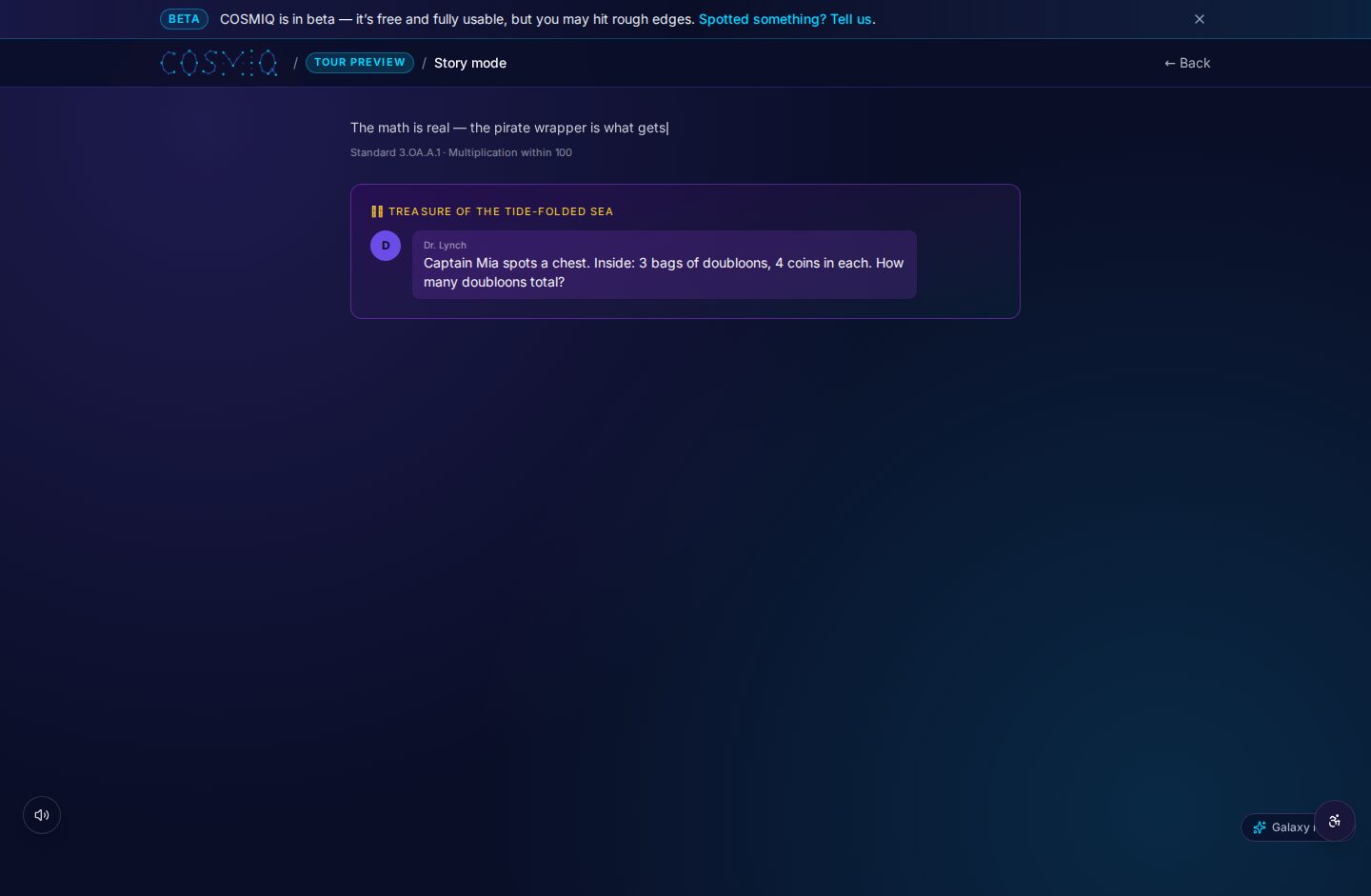
Open class with a brief prompt that is connected to the day’s learning but has room for personality. In a history class, students might choose which primary source they would most want to investigate. In math, they could estimate an answer before calculating it. In language arts, they might write a deliberately bad first sentence and then improve it. In science, they could predict what would happen in a simple scenario and explain why.
Keep the stakes low. The point is to activate thinking, not to grade every response.
Use friendly challenges, not public pressure
Games and competitions can energize a room, but they can also make some students anxious or reinforce who is already confident. Design challenges that emphasize teamwork, revision, or collective goals. For example, give groups a set of practice problems and ask them to earn a class “unlock” by explaining their reasoning clearly. Or run a quiz where students can consult notes after first attempting an answer independently.
Avoid making speed the main measure of success. Fast recall is only one kind of learning, and it can leave thoughtful students behind. Reward useful strategies, careful explanations, and persistence as well as correct answers.
Make room for student voice
Fun often emerges when students feel that their ideas matter. Offer bounded choices: which of two texts to analyze, whether to show understanding through a short explanation or a diagram, which role to take in a group task, or what example to use when practicing a skill. Clear boundaries keep the lesson manageable while giving learners ownership.
Voice also means listening to feedback. A quick exit question such as “What helped you learn today?” or “What should we do differently next time?” can reveal practical adjustments. Students may not design the whole curriculum, but they can help teachers understand what makes participation easier or harder.
Build a climate where it is safe to be playful
Activities alone do not create a fun classroom. Students need to know that mistakes will be treated as part of learning rather than as evidence that they do not belong. A teacher’s response to a wrong answer can shape the room more than any game or digital tool.
Model intellectual playfulness by being willing to say, “Let’s test that idea,” “I’m not sure yet,” or “That mistake is interesting—what assumption led us there?” Use humor with care: laugh with students, not at them, and avoid jokes that rely on embarrassment, stereotypes, or singling someone out.
A classroom becomes more enjoyable when students can take learning seriously without having to take themselves seriously every minute.
Teachers can also normalize small celebrations: a class pause after a difficult discussion, recognition for a thoughtful revision, or a shared acknowledgment when a group persists through confusion. These moments cost little time and remind students that effort is visible.
Keep the learning goal in view
Before adding an activity, identify what students should know or be able to do afterward. If a game does not support that goal, it may still be enjoyable—but it may not be the best use of limited class time. A simple planning check can help:
- What is the learning target?
- What will students actively do?
- How will they get feedback or check their thinking?
- How will I know whether the activity helped?
This does not require formal assessment every time. Listening to conversations, scanning a few written responses, or asking students to summarize their learning can be enough. The aim is to make fun a pathway into learning, not a separate reward that happens only after the “real work.”
Start small and notice what changes
If your classroom could use a little more fun, choose one routine to try this week. Perhaps it is a prediction prompt, a student-created question, a collaborative challenge, or a choice in how to practice. Explain why you are trying it, invite students to participate, and reflect on what happened.
Purposeful fun does not require a perfect lesson or a high-energy personality. It grows from attention: attention to what makes learners curious, what helps them feel secure, and what gives them a reason to join in. Those small choices can make classroom learning feel less like something students must endure and more like something they can genuinely enter.
Learn anything, free.
COSMIQ is a free, voice-driven AI tutor for every learner. No credit card, ever.
Start learning free →