Curriculum-Aligned Learning for Texas Students

Understanding the Texas Curriculum
When we talk about education in Texas, the "Texas curriculum" is at the forefront. But what does that really mean? At its core, the Texas curriculum lays out the essential knowledge and skills that all students should acquire throughout their K-12 education. It's a structured approach designed to ensure consistency across schools while providing a framework for student learning. It’s like a roadmap for teachers and students alike, guiding them toward academic success.
The Texas education system employs a set of standards known as the "Texas learning standards." These standards help shape the curriculum by outlining the specific objectives that students must meet at each grade level. For instance, in elementary school, students might focus on basic math skills and reading comprehension, while middle school introduces more complex subjects such as algebra and literature analysis.
The Texas curriculum is not static; it’s regularly reviewed and updated to keep pace with educational best practices and the demands of the workforce. As society evolves, so too does the curriculum, ensuring that students are not only prepared for high school graduation but also for the challenges of higher education and the job market. For example, recent updates have incorporated the need for critical thinking and problem-solving skills, reflecting a shift towards a more analytical approach in education.
While the Texas curriculum serves as a foundational guide, it also encourages creativity and innovation in lesson planning. Teachers have the flexibility to adapt the curriculum to meet the diverse needs of their students, which is essential in a state as large and varied as Texas. This adaptability is key because it allows educators to respond to the differing backgrounds, learning styles, and interests of their students.
Why Curriculum Alignment Matters
You might be wondering, why is curriculum alignment so crucial? Well, consider this: when students move from one school to another, or even from one district to another, they shouldn't have to start from scratch. A curriculum-aligned system helps ensure that students can transition smoothly. If all schools adhere to the same standards, students can expect a more uniform educational experience.
Research shows that aligned curriculum leads to better student outcomes. For example, when teachers design their lessons based on both the Texas curriculum and the Texas learning standards, students are likely to perform better on assessments. This is because the lessons are not just haphazardly thrown together; they're strategically crafted to meet specific educational goals.
Consider the example of a student who moves from a school in Houston to one in Dallas halfway through the academic year. If both schools are aligned with the Texas curriculum, that student will find a consistent approach to subjects like math and reading, making the transition much less daunting. This alignment also benefits teachers, who can collaborate more effectively with their peers when there is a common framework guiding instruction.
Moreover, curriculum alignment promotes equity in education. In a state as diverse as Texas, ensuring that every student has access to the same quality of education is vital. When schools align with the Texas learning standards, they provide all students—regardless of their background or zip code—with the same opportunities to succeed. This is particularly important in ensuring that underserved communities receive the same level of education as more affluent areas.
Implementing Effective Teaching Strategies
So, how can educators effectively implement curriculum-aligned learning? First, it’s essential to understand the Texas curriculum in detail. Teachers should familiarize themselves with the specific learning standards for their grade and subject area. This familiarity allows them to plan lessons that target the right skills and concepts.
One effective strategy is backward design. This means that teachers start with the end in mind—what students need to know by the end of a unit—and then plan the lessons accordingly. For example, if the goal is for students to analyze a piece of literature, the teacher can work backwards to create activities that build toward that analysis. This method ensures that every lesson has a clear purpose and is aligned with the curriculum.
Another approach is the incorporation of project-based learning (PBL). In PBL, students engage in real-world problems and projects that require them to apply their knowledge and skills in meaningful ways. This method not only makes learning more engaging but also aligns closely with the Texas learning standards, as students are often required to demonstrate critical thinking, collaboration, and communication skills.

For instance, a science teacher might design a project where students investigate local environmental issues. They could research how pollution affects their community's wildlife, propose solutions, and present their findings to local officials. This type of experiential learning not only aligns with the Texas curriculum but also instills a sense of responsibility and civic engagement in students.
Utilizing Assessment to Enhance Learning
Assessments play a crucial role in curriculum-aligned learning. They help gauge whether students are meeting the Texas learning standards. Formative assessments, such as quizzes or group projects, can provide immediate feedback to both students and teachers. If a student isn’t grasping a concept, the teacher can adjust their instruction right away.
Summative assessments, like end-of-unit tests, can reveal whether students have mastered the material. In Texas, state assessments like the STAAR (State of Texas Assessments of Academic Readiness) are designed to align with the Texas curriculum. Schools should prepare students not just to pass these assessments, but to truly understand the material covered.
Effective assessment strategies include a mix of traditional tests, portfolios, and performance tasks. For example, a portfolio allows students to showcase their work over time, demonstrating growth and mastery of skills. This not only aligns with the Texas learning standards but also gives students a sense of ownership over their learning.
Additionally, continuous data analysis can enhance instructional decisions. Teachers can use assessment data to identify trends, gaps, and areas of improvement. For instance, if a majority of students struggle with a specific math concept, the teacher might revisit that topic with additional resources or different teaching strategies. This data-driven approach ensures that curriculum-aligned learning is not just a theoretical concept but a practical reality.
Engaging Parents and the Community
Education isn't just the school’s responsibility; it involves parents and the community too. Engaging parents in the learning process can reinforce what students are learning in the classroom. Schools can provide resources like workshops or newsletters that explain the Texas curriculum and the Texas learning standards.
By involving parents, schools create a support system that extends beyond the classroom. For instance, if parents are aware of what their children are studying in math, they can help with homework or engage in relevant discussions at home. This partnership can significantly enhance a student’s educational experience.
Community involvement can also enrich curriculum-aligned learning. Schools can collaborate with local organizations, businesses, and universities to create programs that provide students with real-world learning opportunities. For example, partnerships with local scientists might lead to hands-on experiments for students, while cooperation with businesses can facilitate internships and mentorship programs.
Furthermore, schools can host community events that showcase student work aligned with the Texas curriculum. Such events not only celebrate student achievements but also foster a sense of community pride and involvement in education. This shared commitment can motivate students to excel, knowing that their learning is valued by those around them.
The Role of Technology in Curriculum Alignment
In today’s digital age, technology can be a powerful ally in achieving curriculum-aligned learning. Online resources, educational apps, and interactive platforms can provide students with diverse ways to engage with the material. For instance, math apps that align with the Texas learning standards can offer practice problems that help students master specific skills.
Distance learning tools can also support curriculum alignment by offering flexible options for instruction. In a blended learning environment, teachers can assign online modules that align with their lessons, providing a more personalized learning experience. The key is to ensure that all digital resources correlate with the Texas curriculum.
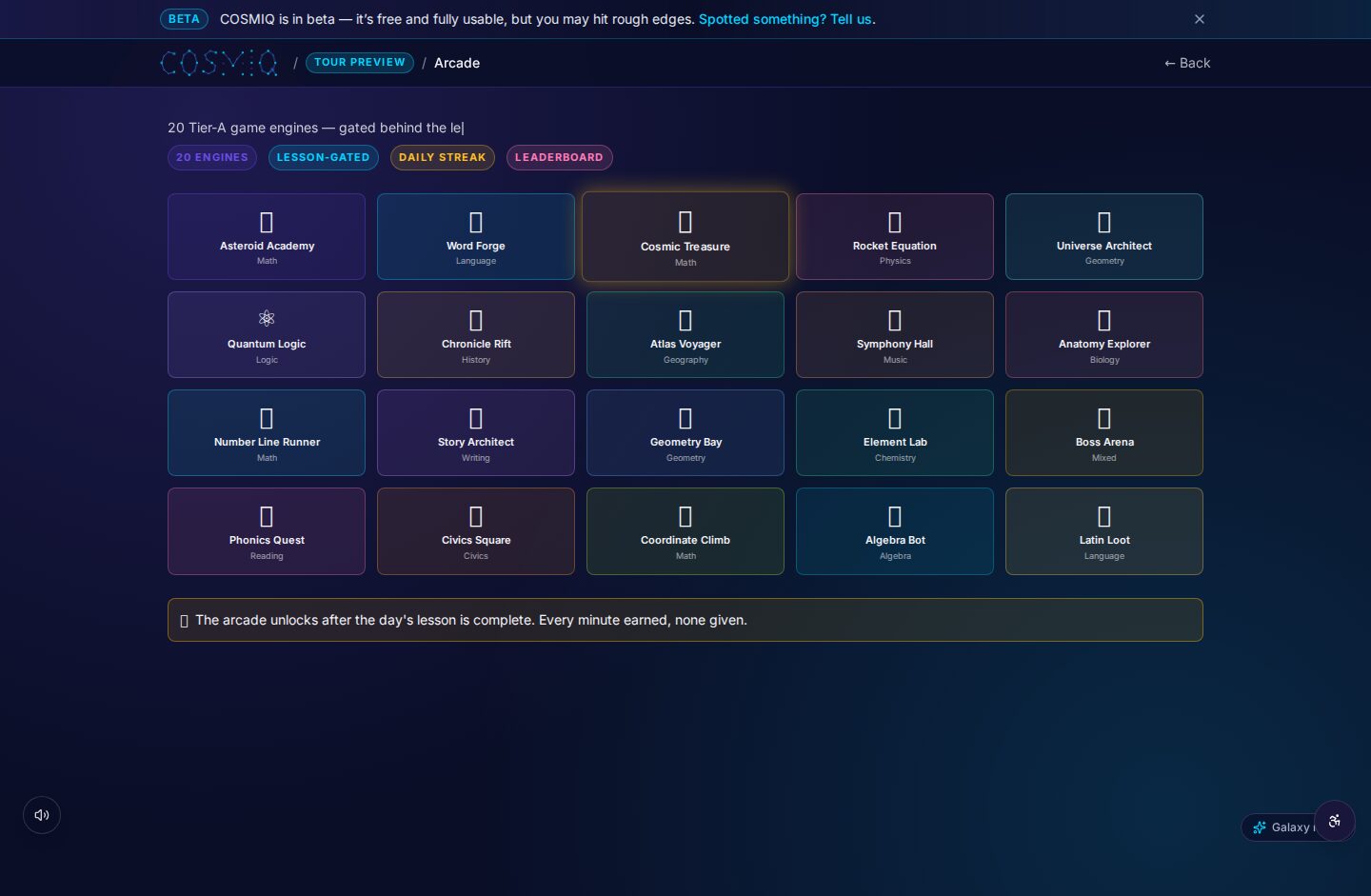
One notable example of technology integration is the use of learning management systems (LMS) like Google Classroom or Canvas. These platforms can help teachers organize resources, assign tasks, and provide feedback in a streamlined manner. By utilizing an LMS, educators can ensure that their teaching is consistent with the Texas learning standards while also accommodating different learning paces and styles.
Moreover, technology can facilitate collaboration among students, even in remote settings. Tools like discussion boards, video conferencing, and collaborative documents enable students to work together on projects, reflecting the collaborative skills emphasized in the Texas curriculum. This not only enhances learning but prepares students for a workforce that increasingly values teamwork and communication.
Challenges in Curriculum Alignment and How to Overcome Them
While curriculum alignment has many benefits, it's not without its challenges. One major obstacle is the varying levels of resources and training available to teachers. Not every school has the same access to materials or professional development opportunities. To tackle this, districts should invest in teacher training and provide the necessary resources to implement the Texas curriculum effectively.
Another challenge is resistance to change. Teachers may be comfortable with their current teaching methods and reluctant to adopt new strategies. Emphasizing the benefits of curriculum alignment, backed by data on improved student outcomes, can help ease these concerns. Regular collaboration and sharing of best practices among educators can also foster a culture of continuous improvement.
Additionally, the pace at which changes to the Texas curriculum are made can be overwhelming for some educators. Constant updates may lead to confusion about what is currently expected in the classroom. To mitigate this, ongoing professional development should be established, allowing educators to remain informed and supported in implementing changes without feeling lost.
Finally, the challenge of assessment preparation shouldn’t be overlooked. Some educators might focus more on preparing students for standardized tests than on ensuring mastery of the curriculum. It's crucial to find a balance; while assessments are important, the ultimate goal should be meaningful learning experiences that extend beyond mere test scores.
Looking Ahead: The Future of Curriculum-Aligned Learning
As we move forward, curriculum-aligned learning in Texas will continue to evolve. With ongoing updates to the Texas curriculum and learning standards, educators will need to adapt. Staying informed about these changes is vital for teachers, administrators, and parents alike.
Emerging trends such as personalized learning and interdisciplinary approaches will shape the future. As technology becomes more integrated into the classroom, we can expect new tools that facilitate curriculum alignment. The goal remains the same: to provide a quality education that prepares students for success in their future endeavors.
In addition, the emphasis on social-emotional learning (SEL) is becoming more prominent in the education discourse. Schools in Texas are beginning to recognize that educating the whole child is crucial for success. Integrating SEL into the curriculum not only meets the Texas learning standards but also equips students with the resilience and interpersonal skills they need in today’s world.
Finally, as local economies and industries change, so will the demands on education. The Texas curriculum must be flexible enough to incorporate skills that align with future job markets. This means staying in touch with local business leaders and understanding the skills students will need to thrive. By doing so, Texas education can ensure that it remains relevant and impactful.
Learn anything, free.
COSMIQ is a free, voice-driven AI tutor for every learner. No credit card, ever.
Start learning free →