Curriculum-Aligned Learning in Connecticut

Curriculum-aligned learning in Connecticut is more than just a buzzword; it's a vital part of shaping effective educational experiences for students. As educators, parents, and even students themselves seek clarity in what constitutes high-quality education, understanding the nuances of the Connecticut curriculum becomes essential. This article explores the intricacies of curriculum-aligned learning in the state, the role of Connecticut learning standards, and practical strategies for implementation.
Understanding the Connecticut Curriculum
The Connecticut curriculum outlines a comprehensive framework that guides what students should learn across various subjects and grade levels. This framework is designed not only to ensure that students meet educational milestones but also to provide a cohesive learning experience that builds on prior knowledge. But what does this look like in practice?
For instance, the curriculum emphasizes critical thinking, problem-solving, and collaboration. In a math class, students might not just learn to add or subtract; they're encouraged to explore, reason, and communicate their thinking. By integrating these skills, the Connecticut curriculum helps students become adaptable learners, which is crucial in today’s dynamic world.
Moreover, the curriculum isn't a static document; it evolves based on educational research and feedback from educators. This adaptability means that the curriculum can better meet the needs of a diverse student population. For example, adjustments in the curriculum might include more emphasis on cultural competence, allowing students to learn about various perspectives and histories that are often underrepresented in traditional textbooks.
Consider the arts and humanities. In these subjects, the Connecticut curriculum encourages students to engage with literature and the arts critically. Students might be tasked with analyzing a piece of literature not just from a thematic standpoint, but also considering its historical context and the author’s background. This approach promotes a deeper understanding and fosters empathy, key components of a well-rounded education.
Connecticut Learning Standards: The Backbone of Education
Connecticut learning standards serve as the backbone of the state's educational framework. These standards define what students should know and be able to do at each grade level. They aren’t just a list of topics to cover; they provide a detailed roadmap for educators to follow.
Take the English Language Arts standards, for example. They promote skills such as reading comprehension, writing clarity, and effective communication. By aligning classroom instruction with these standards, educators ensure that students are not only absorbing content but also developing essential life skills that extend beyond the classroom.
Furthermore, the Connecticut learning standards are designed to be rigorous yet achievable. They aim to challenge students while also providing the necessary support to help them succeed. For instance, literacy standards not only focus on decoding words but also on comprehending complex texts and engaging in discussions about those texts. This layered approach ensures that students are developing a holistic skill set.
These standards also place a strong emphasis on assessment methods. They include various forms of evaluation, from traditional tests to performance tasks that require students to apply their knowledge in real-world contexts. This can be seen in how science standards may require students to conduct experiments and present their findings, thereby reinforcing the importance of hands-on learning.
The Importance of Alignment in Education
Alignment between the Connecticut curriculum and learning standards is crucial. When educational content aligns with these standards, it creates a more cohesive learning experience. But why does this matter?
Consider a scenario where a teacher plans a unit on ecosystems. If the curriculum guides say students should analyze the impact of human activity on environments, but the teacher has no framework for assessing that knowledge, students may end up with a fragmented understanding. Alignment ensures that assessment is not just about testing facts but understanding concepts deeply.
The benefits of this alignment extend beyond just academic performance. When students see clear connections between what they're learning and the standards, motivation increases. They understand that their education has a purpose and that the skills they are developing are relevant to real-world situations.
A practical example can be seen in literacy programs that align with Connecticut learning standards. Students might read a novel that tackles social issues while simultaneously learning to recognize literary devices. This dual focus not only makes for a richer reading experience but also instills a sense of responsibility to engage with societal issues.
Strategies for Implementing Curriculum-Aligned Learning
Implementing curriculum-aligned learning can seem daunting, but it doesn’t have to be. Here are some actionable strategies to facilitate this approach.
Firstly, embrace professional development. Teachers should engage in ongoing training around the Connecticut curriculum and learning standards. Regular workshops can provide teachers with fresh ideas and tools to integrate these standards into their lesson plans effectively.
Secondly, collaborative planning among educators can be beneficial. When teachers from different subjects and grade levels come together, they can share successful strategies and resources, thus creating a more unified educational experience for students.
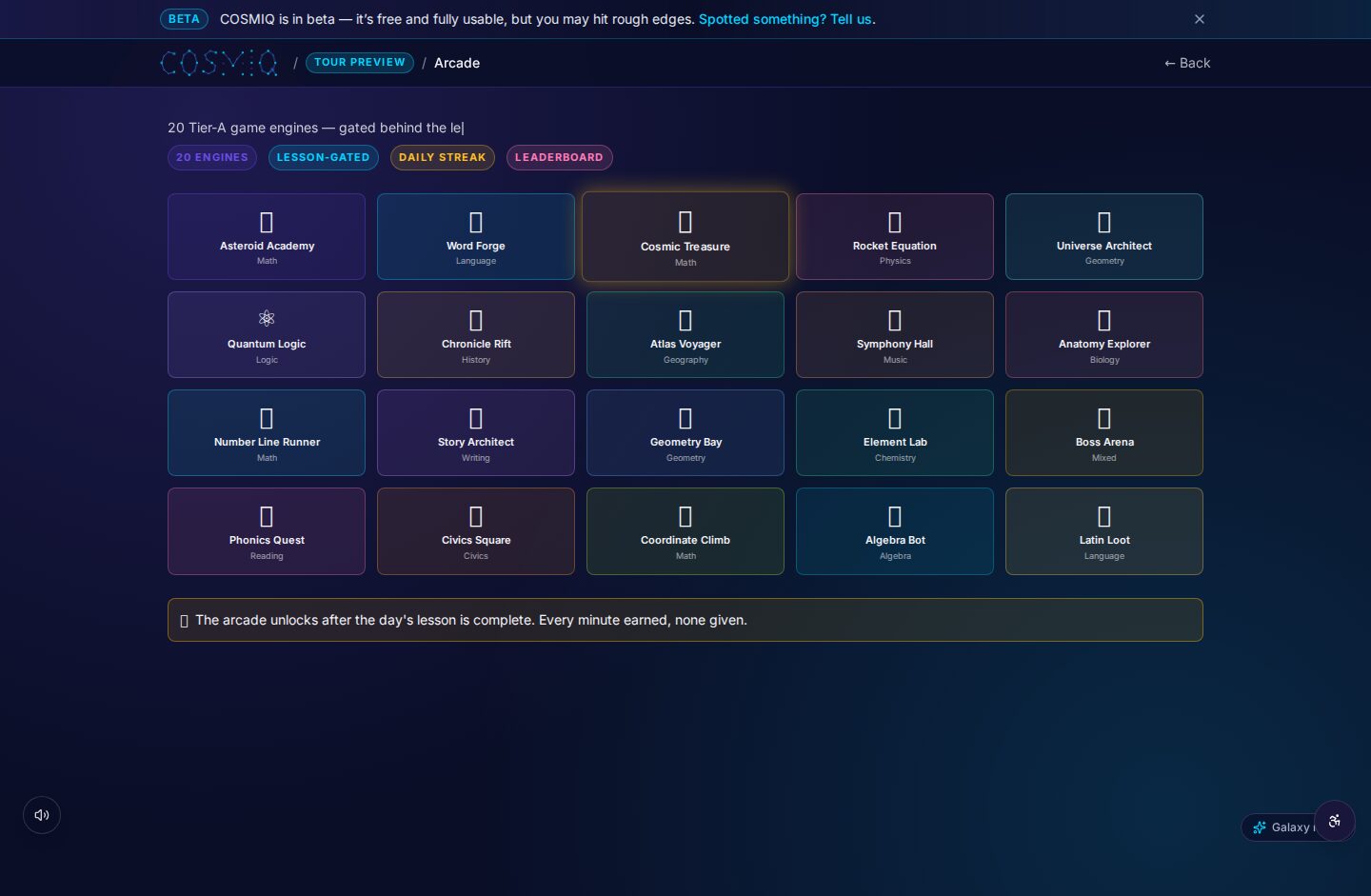
Another effective strategy is the use of technology. Digital platforms can facilitate better alignment between the curriculum and the standards. For instance, teachers can use online tools to track student progress, ensuring that instructional methods adapt to meet learners’ needs. Apps that allow for formative assessments can provide real-time feedback, enabling immediate adjustments to teaching.
Moreover, involving students in the learning process is vital. When students understand the objectives behind their lessons—how they connect to the curriculum and learning standards—they are more likely to take ownership of their learning. Setting individual learning goals can also empower them to track their progress, providing a sense of achievement.
Real-World Applications that Enhance Learning
Curriculum-aligned learning isn't just about theory; real-world applications can significantly enhance the educational experience. Schools in Connecticut are increasingly incorporating project-based learning as a method to engage students.
For example, students might work on a community gardening project that ties into science standards about ecosystems and sustainability. Not only do they learn scientific concepts, but they also develop teamwork and problem-solving abilities, which are critical in any career.
Real-world applications extend to various fields of study. In social studies, students may conduct research on local history and present their findings through a multimedia project. This not only fulfills curriculum requirements but also fosters a sense of local pride and relevance in education.
Another innovative application can be found in technology classes, where students design and build their own websites or apps. This hands-on project not only meets learning standards but also prepares students for careers in an increasingly digital workforce. By connecting academic learning to practical skills, students see the value in their education and how it will serve them in the future.
Assessing Success in Curriculum-Aligned Learning
Assessment is a key component of any educational framework. But how do you measure success in curriculum-aligned learning? It involves more than just standardized tests.
Formative assessments, such as quizzes or projects, allow teachers to gauge student understanding throughout a unit rather than waiting until the end. This approach is particularly effective because it enables educators to identify areas where students may struggle and adjust instruction accordingly.
For instance, if a teacher notices that a significant portion of the class is struggling with a specific concept, they can revisit that topic with different strategies, ensuring that all students are prepared for summative assessments.
In Connecticut, some schools have begun to implement performance-based assessments, where students demonstrate their learning through presentations, portfolios, or practical tasks. These assessments not only measure knowledge but also critical thinking and creativity, skills that are increasingly valued in higher education and the workforce.
Another effective method is peer assessment. Allowing students to evaluate each other’s work can foster collaborative learning and provide different perspectives on the material. This technique encourages students to engage more deeply with the content while developing valuable feedback skills.
The Role of Parents and Community in Supporting Curriculum-Aligned Learning
While educators play a crucial role in implementing curriculum-aligned learning, the involvement of parents and the community can't be overlooked. Parents serve as the first teachers, and their engagement can reinforce what students learn in school.
Community organizations can also support curriculum-aligned initiatives by providing resources or opportunities for students to apply their knowledge outside the classroom. For example, partnerships with local businesses can lead to internships and mentorships that connect students’ learning to real-world careers.
In Connecticut, many schools have successfully collaborated with local organizations to create programs that enrich the curriculum, helping students see the relevance of their education.
Additionally, hosting community events that involve students can also be impactful. Schools might organize educational fairs where students showcase projects that align with the curriculum, allowing families and community members to see firsthand what students are learning. Such events foster community pride and involvement while also providing students with opportunities to practice their presentation skills.
Challenges and Considerations
Despite the benefits of curriculum-aligned learning, challenges exist. One major hurdle is the ever-changing landscape of educational standards. As Connecticut learning standards evolve, teachers must continuously adapt their lesson plans and curricula. This requires flexibility and a willingness to embrace change.

Additionally, resource disparities can create obstacles. Not every school has equal access to technology or professional development opportunities, which can hinder the implementation of curriculum-aligned learning. Addressing these disparities is essential for ensuring that all students receive a high-quality education.
Finally, balancing standardization with creativity is a challenge. While alignment with Connecticut curriculum and learning standards is important, fostering creativity and critical thinking should also remain a priority. Educators need to find ways to honor both.
Moreover, the pressure to meet standardized testing requirements can lead some teachers to teach to the test rather than engaging students in a meaningful way. This can ultimately stifle creativity and hinder deep learning. Finding strategies that allow for creative expression while still meeting standards is essential for a holistic educational experience.
Looking Ahead: The Future of Curriculum-Aligned Learning in Connecticut
As we look toward the future, the emphasis on curriculum-aligned learning in Connecticut is only expected to grow. Education is not a static field; it evolves as society changes. With advancements in technology and an increasing focus on personalized learning, the Connecticut curriculum is likely to adapt accordingly.
Moreover, as innovative teaching methods gain traction, the challenge will be to integrate these approaches seamlessly with existing standards. Teachers will need support and resources to navigate this transition.
Ultimately, curriculum-aligned learning in Connecticut sets the stage for a more effective, engaging, and relevant education system. It prepares students not just for tests, but for life. When students can connect what they learn in school to the world around them, they become more engaged and motivated learners.
This vision for education is within reach, and as we move forward, it's crucial to keep the conversation going among educators, parents, and the community. Together, we can ensure that every student in Connecticut not only meets the standards but surpasses them.
Expanding Access to Curriculum-Aligned Learning
One crucial aspect that often gets overlooked in the discussion of curriculum-aligned learning is access. Not every student has the same level of exposure to the resources that enable effective learning. Schools in underfunded districts may lack the necessary technology or even access to qualified educators who can implement a robust curriculum.
To combat this, initiatives aimed at expanding access to high-quality curriculum-aligned learning are essential. For instance, Connecticut is home to several programs designed to bridge the gap for underprivileged students. These programs might provide after-school tutoring, summer learning experiences, or even workshops for parents to help them support their children's education.
Moreover, digital platforms can play a significant role in leveling the playing field. Online resources, e-learning modules, and even virtual classrooms can provide students from all backgrounds with equal opportunities to learn. Schools can partner with tech companies to offer students free or subsidized access to educational tools and platforms.
In addition, mentorship programs can connect students with professionals in various fields, offering them insights into potential careers that align with their educational experiences. This not only enriches the curriculum but also provides students with the motivation to excel.
Culturally Responsive Teaching and Curriculum Alignment
Another angle worth exploring in the realm of curriculum-aligned learning is culturally responsive teaching. Connecticut's student population is increasingly diverse, necessitating an educational approach that acknowledges and reflects this diversity.
Culturally responsive teaching involves adapting the curriculum to be more inclusive of various cultures, histories, and perspectives. This doesn’t just mean adding a few multicultural works into the reading list; it's about embedding a diverse range of voices and viewpoints throughout the entire curriculum.
For example, instead of solely focusing on Eurocentric historical narratives, teachers can incorporate lessons about indigenous peoples or immigrant histories in Connecticut. Students might study local history and learn about the contributions of various groups to their communities, which helps them see the relevance of their education.
Furthermore, when students see themselves reflected in the curriculum, their engagement and motivation can soar. This can lead to better academic outcomes and foster a sense of belonging in the classroom. In Connecticut, numerous schools are already pioneering efforts in this area, working to create curricula that resonate more deeply with their diverse student body.
Learn anything, free.
COSMIQ is a free, voice-driven AI tutor for every learner. No credit card, ever.
Start learning free →