Curriculum-Aligned Learning in Minnesota

Understanding Curriculum Alignment
When you think about education, what comes to mind? Is it the subject matter, the teaching style, or perhaps the learning outcomes? Curriculum alignment focuses on the relationship between what is taught (the curriculum), how it is taught (instruction), and how learning is assessed. In Minnesota, this process is particularly important due to the state’s emphasis on maintaining high educational standards.
At its core, curriculum alignment ensures that students are exposed to the same content, skills, and assessments throughout their education. This creates a cohesive learning experience that prepares students for future academic endeavors. But how does this work in Minnesota specifically? Minnesota's approach to curriculum alignment sets a precedent for other states, demonstrating the necessity of a well-structured educational framework.
To illustrate, imagine a student moving from a fifth-grade classroom in Minneapolis to a sixth-grade classroom in Rochester. If both schools adhere to a strong curriculum alignment based on the Minnesota standards, that student will find continuity in their learning experience. They won’t be confronted with drastically different expectations or content, which can often lead to confusion and disengagement. Instead, they can build on their knowledge progressively, ensuring they’re truly grasping the material.
The Role of Minnesota Learning Standards
Minnesota has established robust learning standards that guide the educational journey from early childhood through high school. These standards outline what students should know and be able to do at each grade level. They serve as a foundation for the curriculum that schools develop.
For instance, let's consider the Minnesota math standards. They emphasize conceptual understanding, procedural fluency, and application of mathematical concepts in real-world scenarios. This clear framework helps educators create lesson plans that not only align with state expectations but also cater to the diverse needs of their students. Schools often hold workshops to help teachers interpret these standards, ensuring they know how to effectively integrate them into their teaching.
Another key area is the focus on social studies within the Minnesota learning standards. Educators are encouraged to promote critical thinking and analysis, pushing students to not only learn historical facts but to understand their relevance in today’s society. For example, a lesson on the Civil Rights Movement isn’t just about remembering dates but exploring its impact on modern social justice issues. This approach reflects a commitment to creating informed citizens who can think deeply about their world.
Curriculum Maps: A Tool for Alignment
Many educators in Minnesota utilize curriculum maps to ensure that their teaching is aligned with the state standards. These maps provide a visual representation of what content is taught, when it’s taught, and how it connects to assessment.
Imagine a curriculum map as a road map for education. It lays out the journey students will take over the course of the year. Teachers can see not only what they need to cover but also how each unit ties back to the Minnesota learning standards. For example, if a fifth-grade teacher uses a curriculum map, they can easily ensure that their lessons on fractions and decimals align with the expectations set forth by the Minnesota curriculum.
Curriculum maps also allow for collaboration among teachers. In a school, multiple fifth-grade teachers might meet to discuss their maps, ensuring they’re on the same page. This collaboration can enhance the overall educational experience as teachers share best practices and resources. If one teacher finds a great interactive website for teaching fractions, they can share it with their colleagues, ensuring that all students benefit from high-quality materials.
The Importance of Professional Development
Aligning curriculum to state standards isn’t just about creating lesson plans; it requires ongoing professional development for educators. In Minnesota, schools provide various training programs and workshops aimed at helping teachers stay updated with the latest educational practices and standards.
Consider the impact of a training session focused on inquiry-based learning. If a group of science teachers attends this workshop, they can learn new strategies to teach complex concepts while still aligning with the Minnesota curriculum. This not only enhances their teaching methods but also ensures students are engaged and learning effectively. Professional development can also include peer observations where teachers watch each other in the classroom, providing feedback and ideas for improvement.
Furthermore, Minnesota offers mentorship programs for new teachers, pairing them with experienced educators who can guide them through the nuances of curriculum alignment. This support network is crucial, especially for those who are just starting their teaching careers. It creates an environment where educators feel valued and empowered to innovate within the guidelines of the Minnesota learning standards.

Assessments: Measuring Alignment
Assessments are crucial in determining whether curriculum alignment is effective. In Minnesota, standardized tests are designed to measure whether students have mastered the learning standards. These assessments provide valuable data that can help educators adjust their teaching methods and improve student outcomes.
For instance, if test scores indicate that a significant number of students in a certain district struggle with reading comprehension, schools can investigate their reading curriculum. They might find that the curriculum isn’t aligned as closely with the Minnesota learning standards as it should be, prompting a revision of the curriculum to better match the required competencies. This iterative process of assessment and adjustment ensures that teaching methods remain relevant and effective.
Additionally, formative assessments—like quizzes, discussions, and projects—play a key role in tracking student progress. Teachers can use data from these assessments to identify gaps in understanding before the high-stakes tests come around. By doing so, they can tailor their instruction to better meet the needs of their students, fostering a more supportive learning environment.
Engaging Parents and the Community
Curriculum-aligned learning isn’t just the responsibility of educators; it also involves parents and the community. In Minnesota, many schools actively engage parents by providing resources that explain the Minnesota curriculum and learning standards. This transparency helps parents support their children's education at home.
For example, schools might host informational nights where they break down the curriculum for different grade levels. When parents understand what is expected, they can better assist their children with homework or projects, reinforcing learning and alignment with the standards. Some schools even provide instructional videos or online resources that parents can access at home.
Community involvement can also extend to local organizations that offer programs aligned with the Minnesota curriculum. For instance, partnerships with libraries can create reading programs that support literacy standards. By working together, schools and communities can create a rich network of support that enhances student learning.
Challenges in Curriculum Alignment
Despite the advantages of curriculum alignment, there are challenges that educators face. One significant issue is the variability in resources available across districts. Larger districts might have more funding to develop comprehensive curriculum materials, while smaller schools might struggle to meet the same standards due to budget constraints.
Another challenge is the rapid pace of educational change. Minnesota's learning standards are updated periodically, and keeping up with these changes can be daunting for teachers. Continuous professional development is essential, but without adequate support, teachers may feel overwhelmed.
In addition, the diverse backgrounds and learning styles of students can pose a challenge. Teachers must find ways to meet the needs of all learners, which sometimes means adapting the curriculum. This could involve differentiating assignments based on students’ abilities or incorporating culturally responsive teaching practices. Balancing curriculum alignment with individual student needs is a constant juggling act.
Future Directions for Curriculum Alignment in Minnesota
Looking ahead, curriculum-aligned learning in Minnesota has the potential to evolve further. The integration of technology in education is one area where we might see growth. Online platforms and digital resources can help educators create more engaging and interactive lessons that still adhere to the Minnesota curriculum.
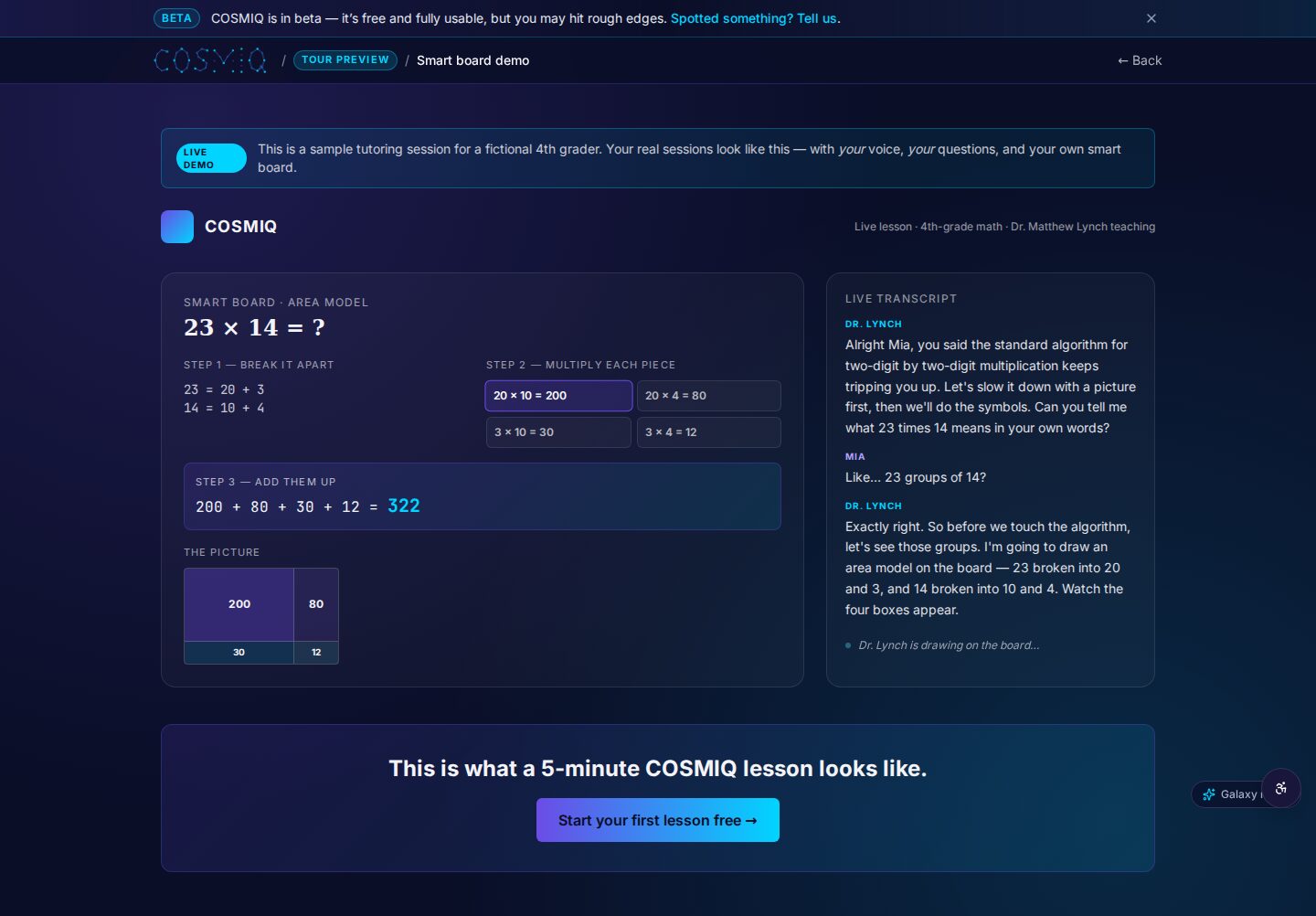
Additionally, there is a move towards personalized learning. Tailoring educational experiences to individual student needs while remaining aligned with the Minnesota learning standards could revolutionize how students engage with materials. By combining technology and personalized approaches, Minnesota can continue to lead in educational excellence.
Future initiatives could also focus on increasing collaboration among schools. Sharing resources and effective teaching strategies between districts can help standardize learning experiences, ensuring that all students, regardless of their location, receive a high-quality education. This could involve collaborative curriculum development efforts or joint professional development sessions across schools.
Instructional Strategies for Effective Curriculum Delivery
One crucial aspect of curriculum alignment is the instructional strategies educators employ to deliver the content. In Minnesota, teachers are encouraged to use a variety of instructional methods that not only align with state standards but also engage students in meaningful ways. This includes project-based learning, cooperative learning, and the use of technology.
Project-based learning allows students to explore real-world problems and challenges, fostering critical thinking and collaboration. For example, a high school social studies class may engage in a project that investigates local government issues, requiring students to research, develop proposals, and present their findings to community leaders. This type of learning aligns well with Minnesota’s focus on civic engagement as outlined in the learning standards.
Cooperative learning is another strategy that promotes peer interaction while adhering to curriculum goals. By working in small groups, students can help each other understand concepts more clearly, while teachers are able to assess not just individual learning but also group dynamics. This aligns with Minnesota’s standards for collaboration and communication, essential skills for success beyond the classroom.
The Role of Technology in Curriculum Alignment
In an increasingly digital world, technology plays a key role in curriculum alignment. Minnesota schools are integrating technology into their classrooms to enhance learning experiences and ensure alignment with state standards. This includes the use of educational software, online resources, and digital assessments that align with the Minnesota curriculum.
For instance, platforms like Google Classroom or specific subject-related applications allow teachers to assign work that directly corresponds to the Minnesota learning standards. These platforms can provide immediate feedback to students and inform teachers about areas needing attention. Moreover, technology can aid in differentiating instruction. If a student struggles with a concept, they can access additional resources that are specifically designed to align with the curriculum, ensuring they get the help they need.
Furthermore, online assessments can make it easier for schools to collect data on student performance related to the Minnesota learning standards. This data can guide instructional decisions and curriculum adjustments, ensuring that all students are on track to meet state expectations.
Building a Culture of Continuous Improvement
For curriculum-aligned learning to thrive, it’s essential that schools foster a culture of continuous improvement. This means not just adhering to the Minnesota curriculum but regularly assessing and refining teaching practices and curricula based on student performance and feedback.
Schools can establish regular review processes that involve teachers in evaluating the effectiveness of the curriculum in relation to student outcomes. This could involve analyzing test data, reviewing student work, and conducting surveys to gather input from students and parents. By involving the entire community in this process, schools can ensure that their curriculum remains relevant and effective.
Additionally, implementing peer review processes, where teachers observe one another’s classrooms and provide constructive feedback, can lead to significant improvements in instructional quality. This culture of collaboration supports ongoing professional growth and reinforces the alignment between teaching practices and the Minnesota learning standards.
Learn anything, free.
COSMIQ is a free, voice-driven AI tutor for every learner. No credit card, ever.
Start learning free →