Curriculum-Aligned Learning in West Virginia

Understanding Curriculum-Aligned Learning
Curriculum-aligned learning is more than just buzzwords thrown around in educational discussions. It’s a strategy that ensures what students learn in the classroom is directly connected to state standards and expectations. For West Virginia, this means aligning with the West Virginia curriculum and the West Virginia learning standards. But why does this matter? Well, it shapes the educational experience and influences student outcomes.
When a curriculum aligns well with set learning standards, teachers have a clear path to follow. This structured approach helps them tailor their lessons to meet specific educational goals, helping ensure that every student is exposed to the necessary knowledge and skills. It’s like having a roadmap in a new city. Without it, you might find yourself lost, unsure of which turns to take.
Curriculum-aligned learning enhances not just the teaching process but also student engagement. When lessons are designed around the West Virginia learning standards, students find relevance in what they study, making connections between the classroom and the real world. For example, if students study local history as part of their social studies curriculum, they can see how their community has shaped their lives and futures. This relevance is crucial; it fosters a deeper understanding and appreciation of the subject matter.
Consider a lesson plan focused on the historical significance of coal mining in West Virginia. Students can analyze how this industry has impacted local economies, environments, and even social structures. By tying lessons to their own experiences, students become active participants in their education — not just passive recipients of information.
The Importance of Alignment in West Virginia
For West Virginia, the alignment of curriculum and learning standards has special significance, considering the unique challenges faced by its diverse student population. Rural areas, socioeconomic differences, and varying access to resources demand a coherent educational strategy. The state has made strides in ensuring that the West Virginia curriculum is not just comprehensive but also adaptable.
In practical terms, this means that a student in a small town in West Virginia should receive the same quality of education as one in a more urban area. The West Virginia learning standards focus on ensuring equitable access to high-quality educational experiences. This creates a unified standard of excellence, regardless of where students live. It’s not just about education; it’s about social justice and opportunity.
What does this look like in practice? Take, for instance, the approach to reading proficiency. The West Virginia curriculum includes specific benchmarks for reading at various grade levels. Schools in both urban and rural areas are encouraged to provide targeted reading programs, ensuring that all students, regardless of their background, have access to the same foundational skills necessary for academic success.
Moreover, the emphasis on alignment helps educators address gaps in knowledge. For example, if a third-grade teacher notices that a group of students struggles with comprehension, they can adjust their lesson plans to focus on strategies that meet the learning standards, enabling those students to catch up. This responsiveness is vital in creating an inclusive environment where every student has the chance to shine.
Curriculum Development Process in West Virginia
The curriculum development process in West Virginia is a collaborative effort involving educators, administrators, and policymakers. This collaboration is essential in crafting a curriculum that is not only academically rigorous but also culturally relevant. It considers the local context and the specific needs of students.
For instance, when developing science curricula, West Virginia educators might incorporate local environmental issues, like the impact of coal mining on ecosystems. This makes lessons not just theoretical but relatable and applicable to students’ lives. By grounding curriculum in real-world issues, engagement increases, and students are more likely to retain what they learn.
Involving local stakeholders also means integrating community knowledge and resources into the curriculum. For example, schools may collaborate with local environmental organizations to facilitate hands-on learning experiences, such as field trips to nearby nature reserves. Such collaborations help students connect their learning with their surroundings, fostering a sense of responsibility and stewardship toward their environment.
Additionally, this collaborative approach helps ensure that curriculum reflects the diverse cultures within West Virginia. Incorporating stories, histories, and perspectives from various communities helps all students feel represented, which can enhance their overall school experience. Teachers might include lessons on local folklore or significant historical events that shaped different communities across the state.
In a more structured example, schools might organize community panels where local leaders and elders share their experiences and knowledge. This not only enriches the curriculum but also strengthens the ties between students and their communities, creating a sense of belonging and identity that is critical to student success.
Assessment and Accountability
Assessment plays a critical role in curriculum-aligned learning. West Virginia has implemented various assessment tools that reflect the West Virginia learning standards, providing a yardstick to measure student progress. These assessments aren’t just tests; they’re designed to gauge understanding and application of knowledge.
For example, state assessments can help identify areas where students excel and where they might need additional support. This data-driven approach allows for timely interventions. Teachers can adjust their instruction based on assessment outcomes, ensuring that every student has the opportunity to succeed.

But assessment goes beyond state-mandated tests. Formative assessments, such as quizzes, projects, and presentations, give teachers ongoing feedback about student understanding. Imagine a teacher who uses a project-based learning approach where students create a presentation on a historical event. This not only assesses students’ knowledge but also encourages creativity and collaboration, skills that are essential for their future.
Furthermore, accountability is crucial. Schools must be transparent about how well they are meeting the West Virginia learning standards. This involves regular reporting on student achievement and areas for improvement. It’s a cycle of continuous improvement, where schools reflect on their practices and make necessary adjustments to enhance student learning.
Consider the role of technology in this process. Many West Virginia schools are employing data analytics systems that allow for real-time tracking of student performance. Teachers can access dashboards that display trends and patterns in student learning, making it easier to tailor their instruction effectively.
Challenges to Implementation
Implementing a curriculum that aligns with state learning standards isn't without its challenges. One major obstacle is the disparity in resources across schools. Some districts may struggle to provide the necessary materials and training for teachers to effectively deliver the curriculum. This can lead to inconsistencies in how standards are met.
Additionally, teacher training is vital. Even with the best curriculum, if teachers aren’t adequately prepared to teach it, students won’t benefit. Continuous professional development is crucial; it helps educators understand the nuances of the curriculum and how to engage different learning styles.
One effective strategy for overcoming these challenges is developing mentorship programs. Pairing experienced teachers with new educators can provide the support needed to navigate the curriculum effectively. Such programs can be particularly valuable in rural areas where teachers might be isolated and lack immediate access to resources or collaboration opportunities.
Moreover, addressing resource disparities requires a commitment to equity. State and local governments need to prioritize funding for schools in under-resourced areas. This could involve grants aimed specifically at purchasing educational materials or technology that align with the West Virginia curriculum, ensuring that all students have the tools necessary for learning.
Consider a successful initiative in one West Virginia county where they introduced a grant program specifically targeting technology upgrades in underfunded schools. This investment provided new computers and training for teachers, thereby bridging the tech gap and enhancing educational delivery.
Community Involvement in Education
Community involvement is another cornerstone of effective curriculum-aligned learning. In West Virginia, many schools actively seek input from parents and community members. This engagement helps ensure that the curriculum reflects the values and needs of the local community.
For instance, schools might host workshops to gather feedback on proposed curriculum changes. This not only empowers parents but also fosters a sense of ownership towards education. When the community feels invested, students are more likely to thrive.
Community involvement can take many forms beyond just feedback sessions. Schools might engage local businesses to create internship opportunities for students, linking academic learning with real-world experience. Imagine a high school student working at a local newspaper as part of a journalism class, gaining hands-on skills while contributing to the community.
Additionally, partnerships with local cultural organizations can enhance the curriculum. Schools may collaborate with museums or historical societies to create events that connect classroom learning with local heritage. These initiatives not only enrich the educational experience but also instill pride in the local community and its history.
Take, for example, a partnership between a local history museum and a nearby high school. They organized an experiential learning project where students researched artifacts, interviewed community elders, and presented their findings through an exhibition. This kind of involvement not only teaches history but also builds valuable research and presentation skills.
Family Engagement Strategies
While community involvement is critical, engaging families directly is equally important. Schools in West Virginia have increasingly recognized the necessity of fostering strong relationships with families to support student learning. This can involve regular communication through newsletters, parent-teacher conferences, and workshops that educate parents about the curriculum and ways to support their children at home.
Creating a welcoming school environment is another effective strategy. Schools can hold open houses and family nights where parents are invited to experience what their children are learning. Such events not only encourage parental involvement but also strengthen the school community.
An example of a successful family engagement initiative is the ‘Family Math Night’ where families participate in math games and activities together. This not only helps parents understand the curriculum but also shows them how they can support their children’s learning at home.
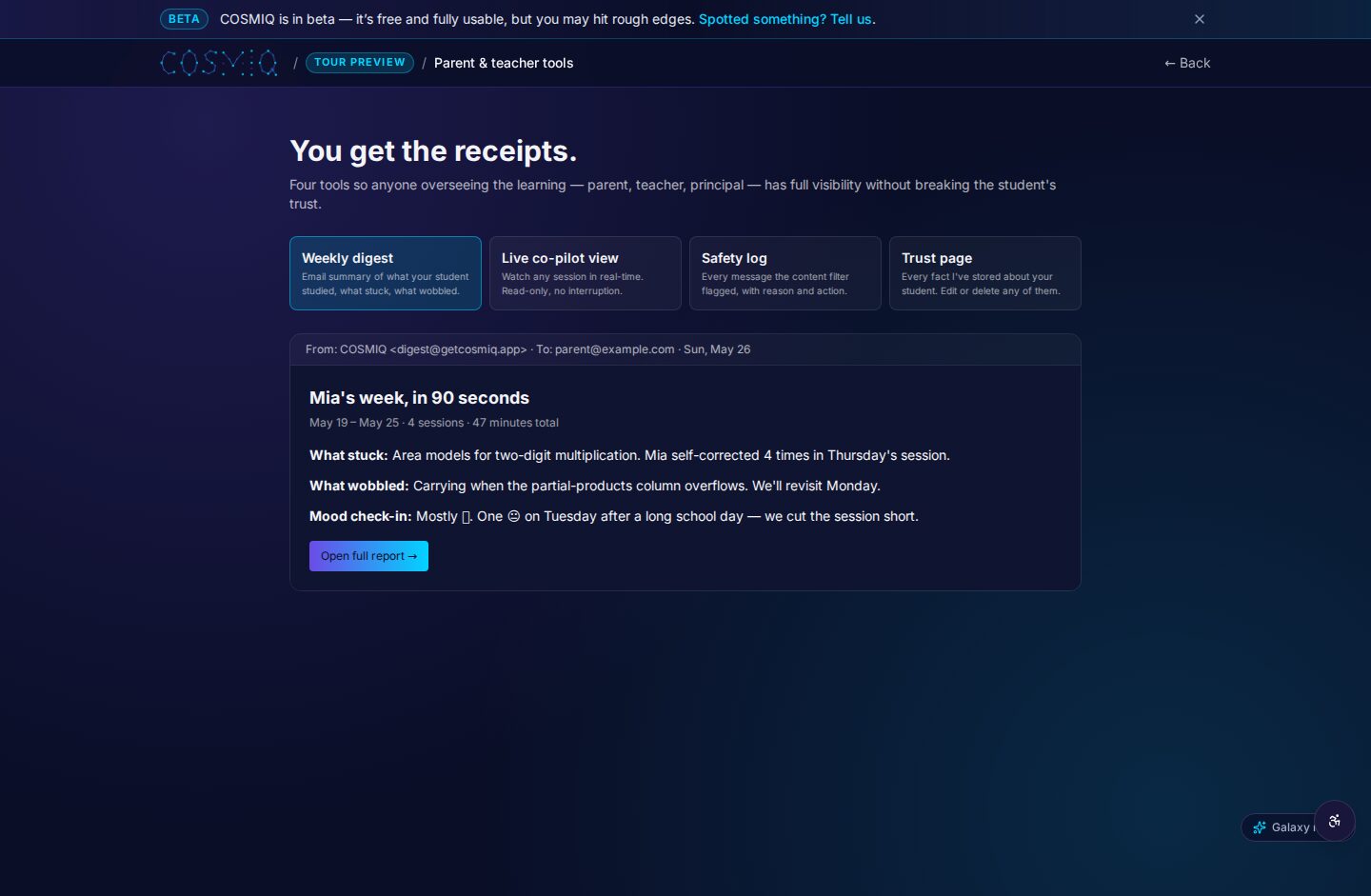
Additionally, schools can provide resources for families to help them navigate academic challenges. Offering workshops on topics such as homework assistance strategies or digital literacy can empower parents to be active participants in their children’s education.
Moreover, creating online portals where families can track academic progress is increasingly common. These portals provide parents with insight into their child’s strengths and areas for improvement, fostering a partnership between home and school that is essential for student success.
Looking Ahead: The Future of West Virginia’s Education
As we look to the future, the trajectory of West Virginia’s education system appears promising. With ongoing commitment to aligning the curriculum with the West Virginia learning standards, there’s potential for substantial improvements in student achievement. Policymakers and educators must continue to innovate while also addressing longstanding challenges.
Investments in technology, teacher training, and community engagement will be crucial as we move forward. If West Virginia can leverage local strengths while remaining adaptable to change, it can create a dynamic educational landscape that prepares students for an increasingly complex world.
Ultimately, the goal of curriculum-aligned learning is to ensure every student in West Virginia has the tools they need to succeed. By maintaining a focus on standards and actively involving the community, schools can create enriching experiences that resonate long after the classroom bell rings.
Moreover, embracing innovation will be essential. For example, integrating blended learning approaches that combine online and in-person instruction can provide flexibility and cater to diverse learning styles. As the world evolves, so too must our educational practices. West Virginia stands at a crossroads, ready to harness new opportunities that can propel its students toward a bright future.
The Role of Technology in Curriculum Alignment
In today’s educational landscape, technology plays a pivotal role in achieving curriculum alignment. West Virginia schools are increasingly incorporating digital tools to enhance learning and ensure that lessons are aligned with both the West Virginia curriculum and the West Virginia learning standards. This technological integration can improve accessibility, engagement, and overall educational outcomes.
For instance, online learning platforms allow teachers to customize lessons based on student needs, which is crucial in a diverse learning environment like West Virginia. By using platforms that adapt to individual learning paces, teachers can provide differentiated instruction that meets each student's unique requirements.
Additionally, technology enables enhanced assessment techniques. Digital assessments can provide immediate feedback to students, helping them understand areas where they need improvement. Imagine a scenario where students take a math assessment online that automatically adjusts the difficulty based on their answers. This real-time feedback allows teachers to identify struggling students and intervene promptly, aligning instruction with the West Virginia learning standards.
Moreover, technology can also facilitate collaboration among educators across the state. Virtual professional development sessions allow teachers from different districts to share successful strategies and resources, leading to a more unified approach to curriculum delivery. This collaborative spirit is essential for maintaining consistency in meeting the West Virginia curriculum expectations.
Preparing for a Global Workforce
As educational practices evolve, so too does the need to prepare students for a global workforce. In West Virginia, aligning the curriculum with 21st-century skills is becoming a priority. This means teaching not just content knowledge but also skills like critical thinking, creativity, collaboration, and communication.
Schools are increasingly integrating project-based learning into their curriculum design. For instance, students might work in teams to address a local issue, such as pollution in a river. This type of hands-on, real-world project allows students to research, collaborate, and present their findings, all while aligning with the West Virginia learning standards.
Furthermore, schools are looking to partnerships with local businesses to provide internships and apprenticeships, giving students firsthand experience in various career fields. Imagine a student who interns at a local tech startup, gaining valuable skills and insights that align with their classroom learning. This kind of practical experience is invaluable in today’s job market.
Ultimately, preparing for a global workforce involves a commitment to continuous improvement in curriculum alignment. By ensuring that educational practices remain relevant and responsive to the needs of the job market, West Virginia can empower its students to thrive in an increasingly interconnected world.
Learn anything, free.
COSMIQ is a free, voice-driven AI tutor for every learner. No credit card, ever.
Start learning free →