DC's Investment Priorities: Examining Public Funds for Youth vs. Stadiums

In Washington, D.C., discussions around public spending often spark passionate debate, especially when it concerns the future of the city's youth. A communication from Independent Mayoral Candidate Talib Karim Muhammad, Esq., has brought renewed attention to the allocation of public funds, particularly contrasting investments in sports stadiums with those directed towards youth programs. This perspective offers a valuable lens through which to consider the city's priorities and their potential impact on students and families.
According to Muhammad's campaign, a substantial amount of public money has been committed to sports stadium deals in the District. This includes, as the campaign states, a proposed $650 million package with $300 million in public funds for a new roof for Audi Field. This, they add, is in addition to $515 million for Capital One Arena and $6.6 billion for RFK Stadium, totaling over $7.4 billion dedicated to what the campaign describes as "billionaire sports owners."
The Call for Youth Investment
In stark contrast to these figures, Muhammad's campaign communication points to significantly smaller allocations for D.C. youth programs. According to their data, after-school grants receive $8.6 million, the Summer Youth Jobs Program is allocated $26.5 million, and Parks & Rec Youth Programs receive $76.8 million. While these figures represent important investments, the campaign emphasizes the vast difference when compared to stadium funding.
This disparity, according to Muhammad's campaign, comes at a time when D.C. students face considerable challenges. The campaign cites that 71% of D.C. students are failing math, and over 50% of high school students are chronically absent, with this figure reaching 84% in Ward 8 high schools. These statistics underscore the critical need for robust educational support and youth engagement initiatives.
For parents and teachers, these figures can be a call to action. Understanding where public funds are directed helps in advocating for resources that directly benefit student learning and well-being. Investing in after-school programs, summer jobs, and recreational activities can provide crucial support systems, offering safe spaces, academic enrichment, and skill development opportunities outside of the traditional classroom setting.
Bridging Gaps in Education
The challenges highlighted by Muhammad's campaign—particularly in math proficiency and chronic absenteeism—point to systemic issues that require comprehensive solutions. While public funding plays a vital role, community-led initiatives and accessible educational resources are also essential in supporting students.
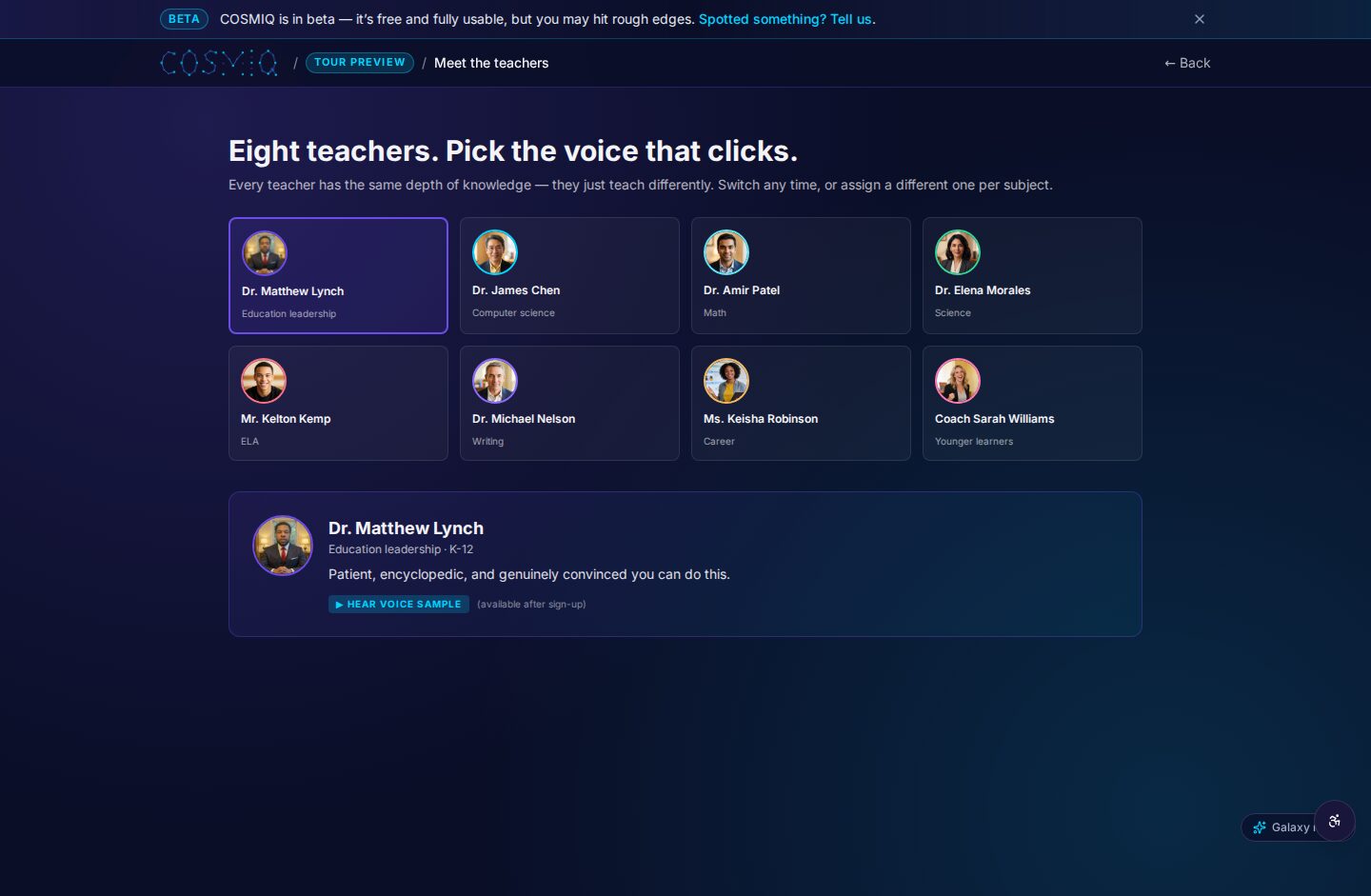
Platforms like COSMIQ, a free voice-driven AI tutor, offer a complementary layer of support, providing K-12 students with personalized learning assistance anytime, anywhere. Such tools can help bridge gaps in understanding, reinforce classroom learning, and offer a flexible way for students to catch up or get ahead in subjects like math, directly addressing some of the academic challenges mentioned.
Furthermore, resources like COSMIQ's free practice hub by grade and subject can be incredibly valuable for students struggling with core subjects. These kinds of accessible educational technologies can empower students to take ownership of their learning, providing immediate feedback and tailored explanations that can make a significant difference in academic performance and engagement.
The Broader Impact on Community
The discussion around public funding extends beyond just education; it touches on the overall health and vibrancy of communities. When resources are allocated to youth programs, it can have a ripple effect, fostering positive development, reducing youth crime, and building a stronger future workforce. These investments are not just about individual students but about the collective well-being of the District.

Muhammad's campaign argues that prioritizing community and youth investments over large-scale stadium deals reflects a commitment to the long-term prosperity of D.C. residents. This perspective encourages a deeper examination of how public funds are utilized and whether current allocations align with the pressing needs of the community, especially its youngest members.
Looking Ahead
The conversation initiated by Talib Karim Muhammad's campaign provides an important opportunity for D.C. residents, educators, and policymakers to reflect on the city's investment priorities. As the District moves forward, ensuring that sufficient resources are directed towards education, youth development, and community support will be crucial for nurturing the next generation and building a resilient future for all.
By engaging in these discussions and advocating for policies that prioritize the needs of students and families, the community can work towards creating a more equitable and supportive environment for every child in Washington, D.C.
Learn anything, free.
COSMIQ is a free, voice-driven AI tutor for every learner. No credit card, ever.
Start learning free →