Decoding the Silence: Why Kids Struggle to Share Their Day, According to an SLP Expert

For countless parents, the question, "How was your day?" often meets a wall of silence, a shrug, or the ubiquitous "I don't know." While it's easy to dismiss this as typical childhood moodiness or a desire for independence, a recent announcement from ProCare Therapy, a leading provider of school-based therapy services, suggests there might be more to these quiet responses. The organization, through the expertise of Speech-Language Pathologist Elizabeth Blair, offers a fresh perspective, highlighting that a child's reluctance to discuss their day could stem from daily brain overload or even an unaddressed language processing issue.
This insight is particularly valuable for parents, teachers, and caregivers who are keen to understand and support the children in their lives. ProCare Therapy's work in bringing these considerations to the forefront emphasizes the importance of looking beyond superficial explanations to identify and address deeper communication needs.
Beyond Moodiness: Hidden Communication Challenges
According to ProCare Therapy, the common "I don't know" response might not always signify defiance or disinterest. Elizabeth Blair, an SLP with the organization, points out that for some children, especially those with executive functioning or narrative language challenges, broad questions like "How was your day?" can feel overwhelming, akin to being asked to write an essay on the spot. This perspective is crucial, as it reframes the child's response from a behavioral issue to a potential communication barrier.
The organization's announcement highlights that roughly 1 in 14 U.S. children (ages 3-17) experienced a speech, language, or communication disorder in the past year. This statistic underscores the prevalence of such challenges and suggests that what appears to be simple moodiness could, in fact, be a sign of a communication difficulty that warrants attention and support.
Understanding these nuances can transform how adults interact with children, fostering more effective communication and providing appropriate assistance when needed. For instance, a child struggling with language processing might find it genuinely difficult to retrieve and organize the day's events into a coherent narrative.

Subtle Signs Parents Might Be Missing
ProCare Therapy's insights also draw attention to subtle cues that parents might overlook as indicators of a need for speech and language support. Elizabeth Blair identifies several such signs:
- Vague Filler Words: Consistent use of general terms like "stuff" or "things" instead of specific details when recounting events.
- Emotional Responses: Becoming teary or distressed during simple retellings, suggesting frustration with the communication process.
- Leaning on Siblings: Relying on a sibling to narrate events or answer questions directed at them, indicating a struggle to articulate independently.
- Difficulty with Sequencing: Struggling to tell a story in a logical order, jumping between events without clear transitions.
These signs, according to ProCare Therapy, should not be dismissed as mere behavioral quirks but rather seen as potential signals that a child could benefit from professional speech and language assessment. Recognizing these indicators early can pave the way for timely intervention, which is often key to supporting a child's communication development.
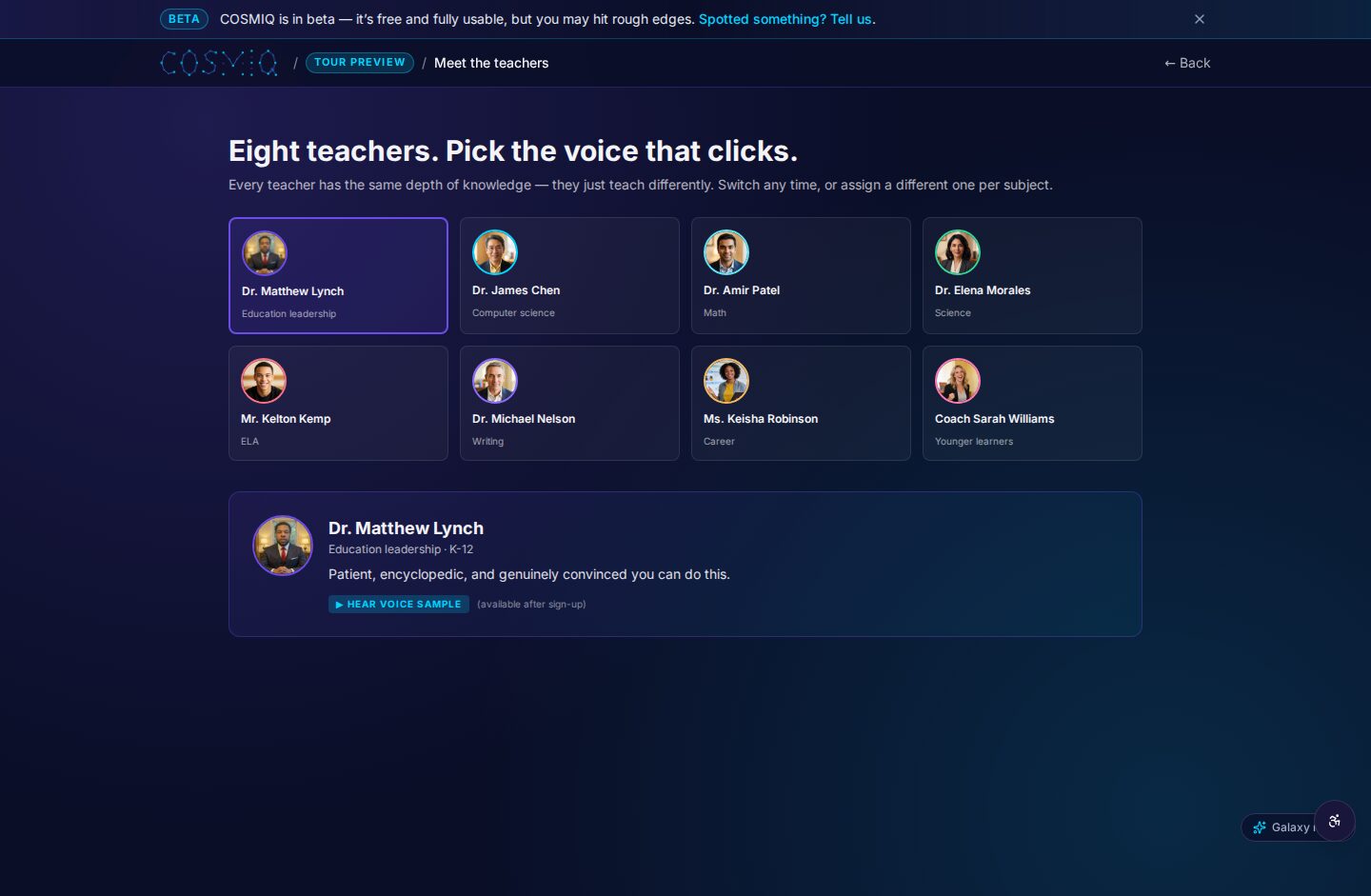
For families navigating these potential challenges, resources like COSMIQ offer free voice-driven AI tutoring, providing an accessible way for K-12 students to practice language skills and build confidence in a supportive, interactive environment. This kind of supplementary support can be invaluable in reinforcing what children learn, whether in school or through therapy.
Effective Communication Strategies and Decompression Time
Beyond identifying the challenges, ProCare Therapy also offers practical strategies for parents to foster better communication with their children. Elizabeth Blair suggests reframing questions to be less open-ended and more specific:
- Instead of "How was your day?" try "Did anything make you laugh at lunch?"
- Ask about specific subjects: "What was the most interesting thing you learned in science today?"
- Focus on feelings: "Was there anything that made you feel proud today?"
These "micro-prompts" can reduce the cognitive load on a child, making it easier for them to recall and articulate specific details. The organization also advocates for building "decompression windows" into the after-school routine. This means allowing children time to unwind and transition from the structured school environment before being expected to engage in detailed conversations. A quiet period, perhaps with a snack or independent play, can help their brains process the day's events and prepare them for sharing.
Creating an environment where children feel safe and unpressured to communicate is vital. It’s about patience, observation, and adapting communication styles to meet a child’s individual needs. Teachers can also integrate these approaches in the classroom, understanding that some students may need more targeted prompts or time to articulate their thoughts.
Conclusion
ProCare Therapy's insights, shared by Elizabeth Blair, offer a compassionate and practical framework for understanding why children might be reluctant to discuss their day. By shifting the perspective from simple moodiness to potential communication challenges, parents and educators can better identify subtle signs and implement effective strategies. The organization's commitment to highlighting these often-overlooked aspects of child development is a significant contribution to fostering healthier, more open communication within families and schools. Recognizing and addressing these underlying reasons can not only improve daily interactions but also provide children with the support they need to thrive in their communication journey.
Learn anything, free.
COSMIQ is a free, voice-driven AI tutor for every learner. No credit card, ever.
Start learning free →