Digital Assessments: A Path Forward for Modern Learning, Says e-Assessment Association

As students worldwide receive their examination results each summer, it's a moment to celebrate their dedication and hard work, supported by teachers, families, and assessment professionals. However, beyond the immediate celebration, the e-Assessment Association (eAA) suggests that results day should also serve as a crucial prompt for reflection: Is our current assessment system truly preparing learners for the digital world they are entering?
The eAA, a leading organization dedicated to promoting best practices in e-assessment, is urging a responsible yet accelerated transition to digital assessment methods. According to the organization, integrating digital tools into high-stakes assessments is not just about adopting new technology; it's about ensuring that evaluations remain valid, fair, and relevant to how students learn, live, and will eventually work.
Why Digital Assessment Matters Now More Than Ever
The modern world is undeniably digital. From higher education to nearly every professional field, individuals are expected to research, communicate, analyze information, solve problems, and produce work using technology. The e-Assessment Association points out a growing disconnect where many traditional high-stakes assessments still require students to demonstrate knowledge and skills in ways that bear little resemblance to these real-world digital environments.
The eAA has gathered extensive evidence from assessment organizations, regulators, examination boards, education providers, and technology specialists globally. Discussions at their 2026 National Examinations Roundtable, for instance, revealed a clear consensus: the goal is to leverage technology to enhance assessment, ensuring it remains robust while aligning with contemporary learning and working practices. The organization stresses that confidence in digital assessment is built through demonstrable evidence, transparency, and successful live deployments, rather than waiting for every conceivable risk to disappear.
Students Are Ready for Digital Evolution
A significant finding highlighted by the eAA is that learners themselves are largely prepared for digital assessment, often more so than the institutions or national systems currently in place. The organization shared insights from an eAA webinar where Pearson reported that 96% of students preferred working on screen, with 82% regularly using digital devices for their learning. Research by RM Assessment echoed these conclusions, indicating that students already engage with learning, communication, and work digitally and expect their assessments to reflect this reality.
Further real-world evidence comes from the New Zealand Qualifications Authority, where 95% of surveyed students preferred digital examinations, and 97% reported a positive experience. Even international assessments are moving in this direction; PISA 2025, for example, will use computer-based assessment across key subjects and include a component on "Learning in the Digital World," evaluating students' ability to build knowledge and solve problems using digital tools.
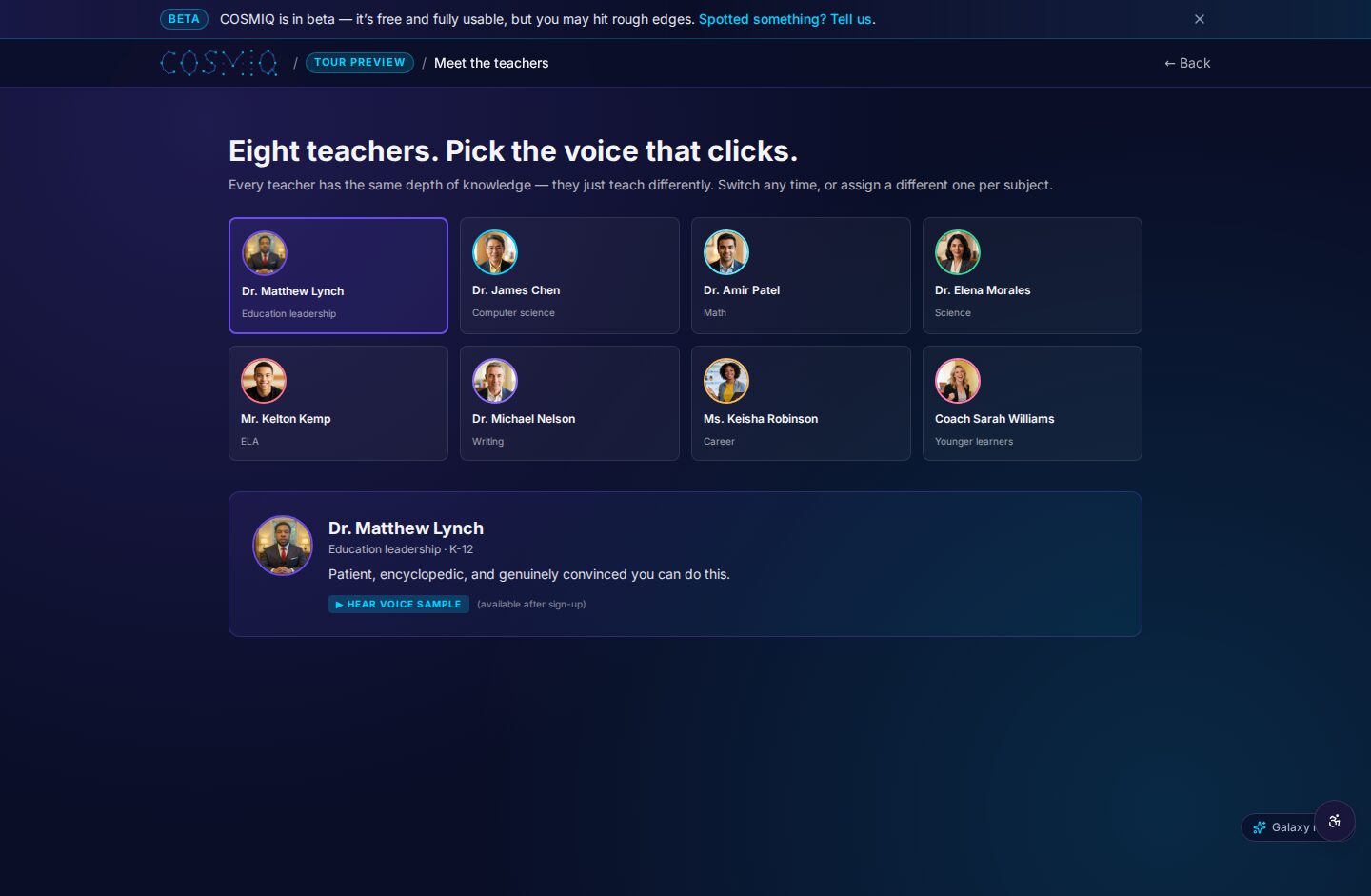
While acknowledging that issues like unequal access to devices, connectivity, and support still need to be addressed, the eAA firmly believes that student readiness should not be used as an excuse to delay progress. Free resources like COSMIQ, a voice-driven AI tutor available for K-12 students, can help bridge some of these gaps by providing accessible, personalized learning support that leverages digital interaction, preparing students for more modern assessment formats.
Beyond Simple Digitization: Enhancing Assessment Quality
The e-Assessment Association emphasizes that moving to digital assessment is far more than simply replacing handwriting with typing. Well-designed digital assessments offer transformative benefits. They can allow learners to interact with multimedia, analyze data, explore simulations, and demonstrate problem-solving and decision-making in authentic, real-world contexts. Digital platforms can also significantly improve accessibility for students with diverse needs and provide richer, more detailed evidence about how assessments are performing.
The innovative projects showcased at the 2026 International e-Assessment Awards demonstrate that these benefits are already being realized. Organizations across schools, colleges, universities, and professional qualification bodies are successfully implementing advanced digital approaches at scale, proving their practical impact.
Ensuring Trust and Transparency in Results
For some students, results day can bring uncertainty, particularly when questioning an unexpected grade or requesting a review. The eAA points out that digital assessment can enhance confidence by providing a clearer, more detailed record of a learner's responses, how marks were awarded, and where checks or moderation occurred. This transparency is crucial for maintaining trust in the assessment process.
Digital marking systems can also monitor consistency, identifying responses or patterns that fall outside expected parameters. This allows human expertise to be concentrated where judgment is most critical, with technology supporting markers while people retain ultimate oversight and responsibility. Tools like COSMIQ's free practice hub can help students become more comfortable with digital interfaces for learning and assessment, making the transition smoother and less daunting.
Responsible Transition: Moving from Pilots to Purposeful Progress
The e-Assessment Association acknowledges that a shift to digital assessment requires significant investment in infrastructure, security, accessibility, staff training, and operational resilience. Both learners and educational centers also need adequate preparation and support. However, the organization argues that familiarity with paper-based systems should not be mistaken for their superiority.
Patrick Coates, CEO of the e-Assessment Association, articulated this vision: "Results day is rightly about recognising the hard work and achievements of learners, as well as the teachers, families and assessment professionals who have supported them. It should also encourage us to look ahead. The world learners are entering is digital, and assessment must evolve if it is to remain relevant to how they will study, work and apply their skills."
He added, "Across the eAA’s international community, we are seeing strong evidence that digital assessment is fair, secure, accessible and effective. The transition must be carefully planned and supported, but caution should not become a reason for standing still. We now need to turn successful practice into purposeful progress."
A responsible transition, according to the eAA, means rigorously evaluating both digital and paper-based approaches against the same fundamental questions: Do they accurately measure the intended knowledge and skills? Are they fair, accessible, secure, and reliable? Can the outcomes be trusted? Crucially, it also means moving beyond isolated pilot projects to establish clear pathways for wider implementation, ensuring that experimentation leads to genuine progress.
As we celebrate student achievements, the e-Assessment Association's call for accelerating digital assessment offers a forward-looking perspective, aiming to ensure that future learners can demonstrate their knowledge and skills through methods truly designed for the world they are preparing to enter.
Learn anything, free.
COSMIQ is a free, voice-driven AI tutor for every learner. No credit card, ever.
Start learning free →