Dyslexia and Phonemic Awareness: Why Reading Is So Difficult

Understanding Dyslexia
Dyslexia isn't just a buzzword. It's a genuine learning disability that affects millions of people around the world. Imagine trying to read a simple sentence, but the letters seem to jumble together. That's a daily struggle for someone with dyslexia. It's not about intelligence; rather, it's about how the brain processes written language. Dyslexia can make both reading and writing challenging, leading to frustration and self-doubt.
A common misconception is that dyslexia means reversing letters. While some may perceive letters like ‘b’ and ‘d’ as problematic, the reality is much more complex. Dyslexia encompasses a range of difficulties, from decoding words to processing sounds. It can impact spelling, fluency, and even the ability to take notes during lectures. But at the heart of these challenges is something known as phonemic awareness.
Research has shown that dyslexia is linked to different neural pathways in the brain, particularly those involved in phonological processing. This means that when someone with dyslexia attempts to read, their brain isn’t processing the sounds in the same way as someone without dyslexia. This neural difference can lead to the feelings of confusion, inadequacy, and frustration commonly associated with dyslexia.
Understanding dyslexia is crucial for creating effective intervention strategies. It’s not just about teaching kids to read; it’s about recognizing the unique challenges they face. By addressing these challenges with empathy and actionable strategies, we can empower individuals with dyslexia to succeed academically and beyond.
What is Phonemic Awareness?
Phonemic awareness refers to the ability to recognize and manipulate the individual sounds, or phonemes, in spoken words. Think of it as the foundational skill for reading. If you can’t discern the sounds that make up a word, how can you hope to read it? For instance, the word ‘cat’ is made up of three distinct sounds: /k/, /æ/, and /t/. Phonemic awareness is crucial because it links spoken language to written language.
Kids typically develop phonemic awareness in their early years, around preschool or kindergarten. However, children with dyslexia often struggle with this skill. They may have difficulty rhyming, segmenting sounds, or blending phonemes into words. This can lead to reading difficulties down the line, as they might find it hard to decode new words.
Phonemic awareness is not just a single skill; it's a collection of abilities that includes segmenting (breaking words into their constituent sounds), blending (putting sounds together to form words), and manipulating sounds (changing one sound to create a new word). For example, if you take the word ‘sand’ and remove the /s/, you’re left with ‘and.’ For many children, especially those with dyslexia, these tasks can be daunting.
The Connection Between Dyslexia and Phonemic Awareness
So, how exactly does dyslexia relate to phonemic awareness? The connection is critical. Children with dyslexia often have weak phonemic awareness skills. If you can’t identify the sounds in a language, you can’t connect them to letters. This lack of connection is like trying to build a house without a solid foundation—everything else crumbles.
Research indicates that strong phonemic awareness can predict success in reading. A child who can easily isolate and manipulate sounds will likely have an easier time learning to read. Conversely, a child who struggles with phonemic awareness is at a greater risk for reading difficulties. This is especially true for those with dyslexia.
One study revealed that up to 90% of children with dyslexia have difficulties with phonemic awareness. This statistic underscores the importance of early intervention. If a child can develop phonemic awareness skills during their formative years, they’re on a stronger path toward overcoming the challenges presented by dyslexia.
It’s also worth noting that phonemic awareness doesn’t just impact reading; it can also affect writing skills. If a child struggles to recognize sounds, they may find it difficult to spell words correctly. This creates a cycle of frustration that can diminish their overall confidence and willingness to engage academically.
How Phonemic Awareness Affects Reading Skills
Phonemic awareness skills directly influence how well a child can decode words. For example, let’s say a child encounters the word ‘bat.’ If they can break it down into /b/, /æ/, and /t/, they can piece it together more easily. However, a child with weak phonemic awareness may stumble over the sounds, making reading slow and laborious.
This difficulty can create a vicious cycle. As reading becomes more challenging, a child may avoid it altogether. The more they avoid reading, the less practice they get, which can further worsen their phonemic awareness. This cycle can lead to anxiety around reading and even affect a child’s self-esteem.
Let’s consider a practical example. Imagine two children in the same grade: one has solid phonemic awareness and the other does not. The first child encounters the word ‘stop’ and can quickly identify the sounds /s/, /t/, /ɒ/, and /p/. They read the word smoothly and move on to the next one. The second child, struggling with these sounds, hesitates, stumbles, and may even give up altogether. This not only impacts their academic performance but can also lead to a pronounced aversion to reading, as they associate it with frustration and difficulty.
Effective Strategies for Developing Phonemic Awareness
Breaking this cycle requires proactive steps. One effective strategy involves engaging children in sound games. For instance, you can play rhyming games or clap out syllables together. These activities can make learning fun while reinforcing their understanding of sounds. For example, you might say, 'What rhymes with cat?' and encourage them to come up with words like ‘hat’ or ‘bat.’
Another effective approach is to incorporate phonemic awareness into everyday activities. Reading aloud together is a great opportunity. As you read a story, pause and ask questions about the sounds in words. For example, if you encounter the word ‘dog,’ you can ask them to identify the initial sound /d/. This not only builds their phonemic awareness but also fosters a love for reading.
You can also introduce letter-sound correspondence games. For example, use flashcards with pictures of objects (like a dog, cat, apple, etc.) and have the child say the name of the object, then identify the beginning sound. This hands-on approach reinforces sound-letter connections.
Another successful technique is using auditory discrimination exercises. For instance, play a game where you say two words, such as ‘bat’ and ‘cat,’ and ask the child if the initial sounds are the same or different. Activities like these reinforce the notion that words are made up of sounds and help solidify their phonemic awareness.
Resources for Parents and Educators
Support is crucial for children with dyslexia and phonemic awareness difficulties. Thankfully, various resources are available for parents and educators. Organizations like the International Dyslexia Association provide valuable materials and guidance on teaching phonemic awareness.
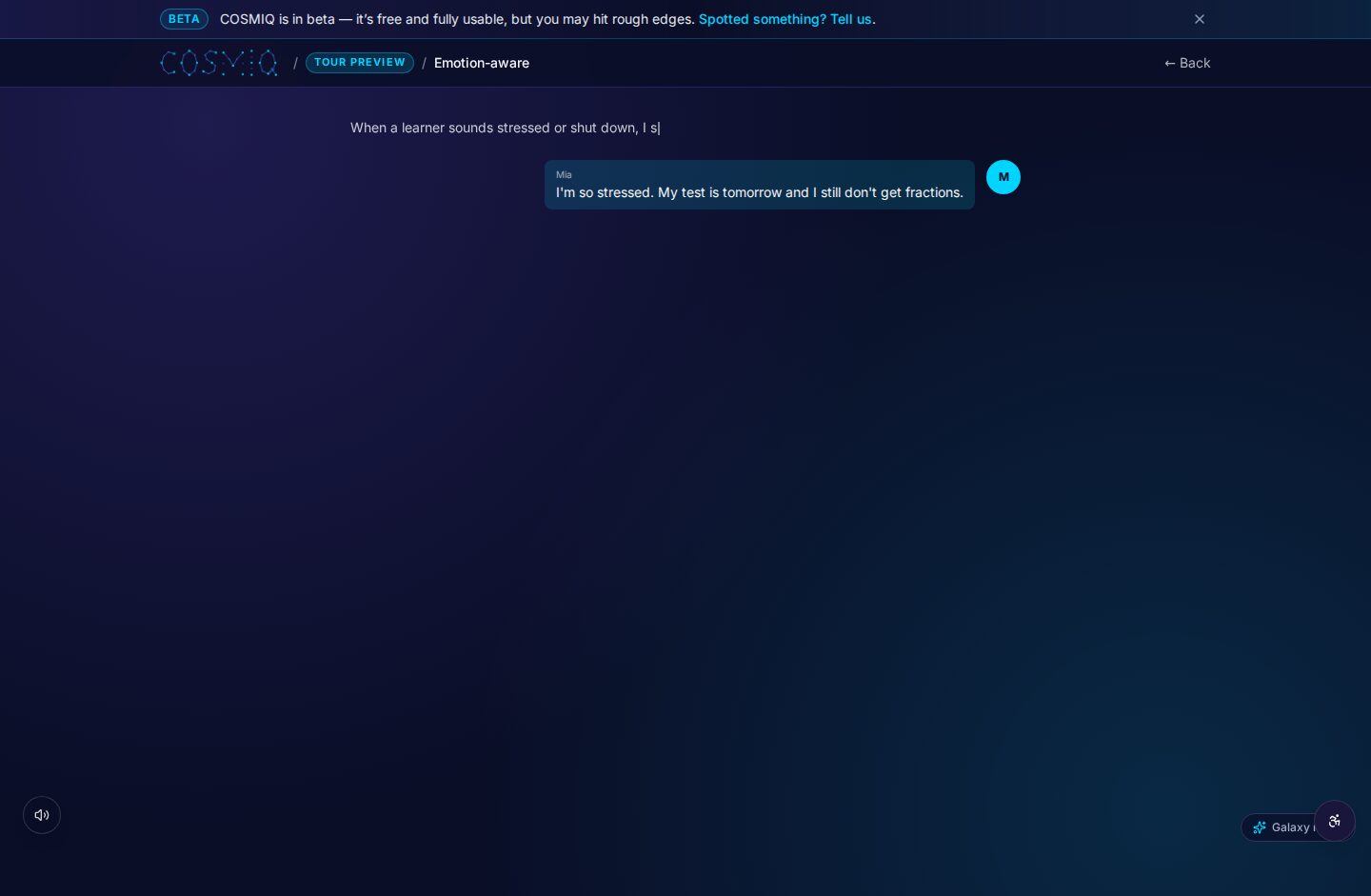
Additionally, there are many apps and programs designed to improve phonemic awareness. For example, Cosmiq is an engaging platform that offers games and activities specifically aimed at helping children develop their phonemic skills. The more resources parents and educators have at their fingertips, the better equipped they are to support children in overcoming reading challenges.
Another useful resource is the website for Dr. Matt Lynch, which provides insights and tools for teaching children with dyslexia. This includes lesson plans, activities, and tips for integrating phonemic awareness into everyday learning. Educators can benefit immensely from exploring these materials to enhance their teaching strategies.
Moreover, local libraries often host programs for children struggling with literacy. Participating in these community programs can not only provide additional support for phonemic awareness but also encourage a love for books and reading in a non-pressured environment.
The Role of Professional Support
Sometimes, parents and educators alone can't provide the level of support a child needs. In such cases, seeking professional help can be a game-changer. Special education teachers or reading specialists often have the training to assess a child's phonemic awareness and create tailored intervention plans.
Testing for dyslexia and associated phonemic awareness issues can provide a clearer picture. Once a child is assessed, a professional can identify specific strengths and weaknesses, allowing for targeted strategies that fit the child's unique needs. For instance, if a child struggles with blending sounds, targeted exercises focused on this area can help.
Additionally, professionals can guide parents on the best practices to support their child at home. This could include strategies for reading together, fostering a positive attitude toward reading, and addressing any emotional challenges that come with learning difficulties.
Group therapy sessions or tutoring programs can also provide a sense of community where children with similar challenges can learn together. This peer support often helps to alleviate some of the anxiety around reading and fosters a collaborative learning environment.
Creating a Supportive Environment at Home
Finally, creating a nurturing and supportive home environment is vital. Celebrate small successes to build confidence. A child who struggles with reading might find solace in knowing their efforts are recognized. Engage in reading together, pick out books they enjoy, and make reading a shared activity.
Encourage curiosity about words. Ask them to find new words in their environment, whether in books, signs, or conversations. This not only enhances their vocabulary but also reinforces the connection between spoken and written language, which is crucial for developing phonemic awareness.
Establishing a routine can also provide structure and predictability. Set aside a specific time each day for reading or phonics practice. This can help children feel more comfortable and less anxious about their reading journey.
Moreover, fostering an environment where mistakes are seen as learning opportunities is essential. Instead of expressing frustration when a child struggles, parents can model patience. Phrases like, 'Let’s try that word together!' can transform a potentially discouraging moment into a collaborative effort.
Moving Forward with Understanding and Patience
Dyslexia and phonemic awareness issues can present significant challenges, but they’re not insurmountable. With the right support, tools, and understanding, children can learn to navigate their reading journeys more effectively. You have the power to make a difference in their lives, whether you are a parent, educator, or friend.
This isn’t just about reading; it’s about building confidence and fostering a love for learning. By focusing on phonemic awareness and understanding its importance, we can help children with dyslexia develop the skills they need to thrive. Reading may be difficult, but with patience and support, every child can find joy in the written word.
Exploring the Impact of Technology on Phonemic Awareness
In an age dominated by technology, the tools available to help children with dyslexia improve their phonemic awareness have broadened considerably. Digital resources, such as applications and interactive games, can offer engaging ways to develop these essential skills. For instance, apps often incorporate visually stimulating elements and interactive features that can draw in young learners.
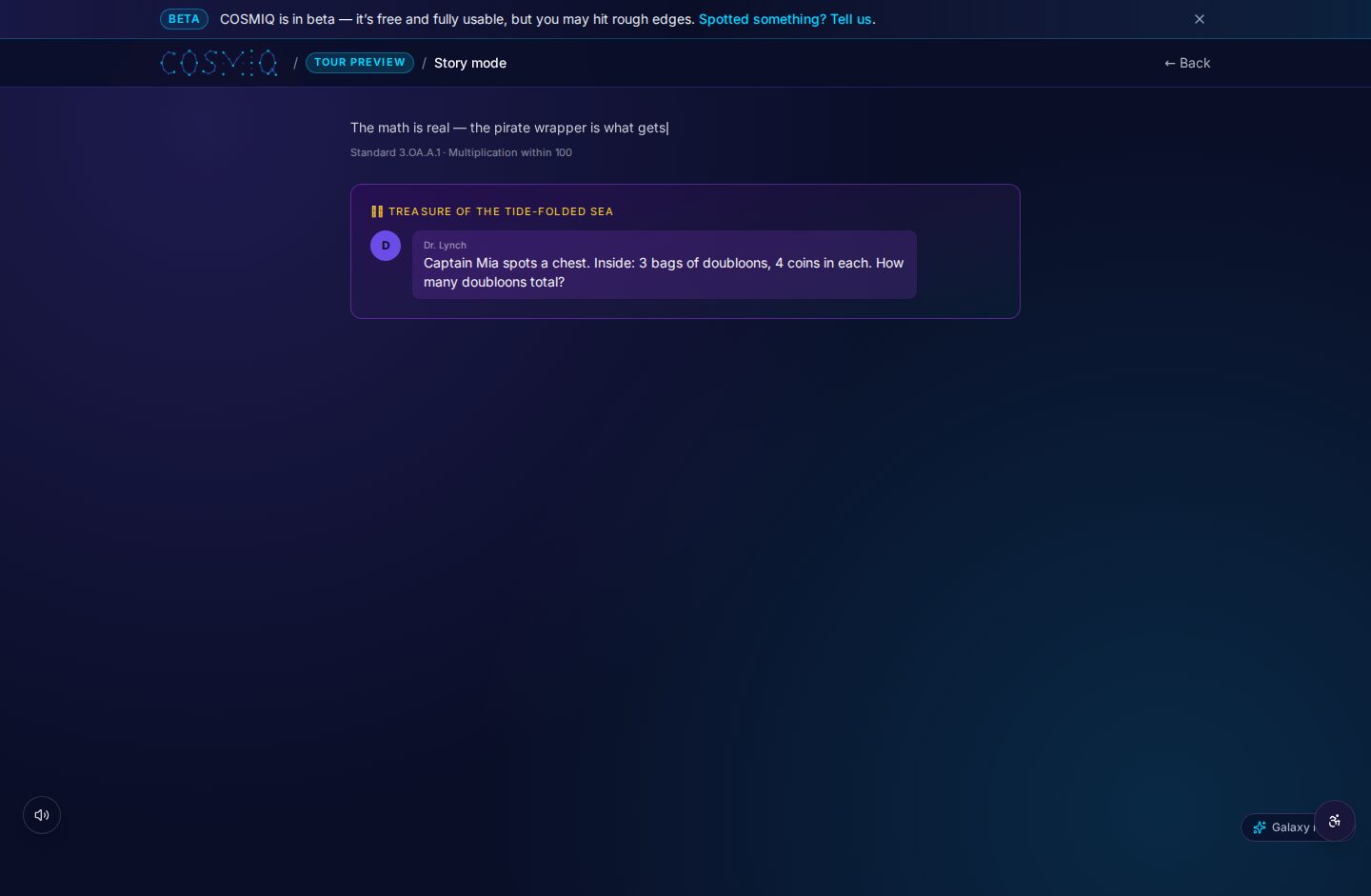
Many educators have begun to leverage technology in the classroom to supplement traditional phonics instruction. Programs that gamify the learning experience can help keep children engaged, making them more likely to practice their phonemic skills. For example, a child might play a game where they earn points for correctly identifying sounds or blending phonemes, turning a challenging task into an enjoyable experience.
However, it’s crucial to balance screen time with hands-on activities. While technology can be a valuable tool, it shouldn’t replace personal interaction and tactile learning experiences. Parents and educators should strive to find a healthy mix of both to maximize learning outcomes.
As technology continues to evolve, it’s essential to stay informed about emerging tools and resources. Joining online forums or attending workshops can provide insight into the latest innovations designed to assist children with dyslexia. By staying updated, parents and educators can ensure they’re providing the most effective support possible.
Understanding the Emotional Aspect of Dyslexia
It’s easy to focus solely on the academic challenges faced by children with dyslexia, but we must also consider the emotional impact. Children who struggle with reading often experience feelings of frustration, embarrassment, and low self-esteem. These emotions can create barriers to learning and may even lead to anxiety or avoidance of reading altogether.
It’s vital to foster an environment where children feel safe expressing their feelings. Encourage open discussions about the struggles of reading, validating their emotions and letting them know they’re not alone. Sharing stories of well-known figures who have dyslexia, like Albert Einstein or J.K. Rowling, can provide inspiration and a sense of hope.
Moreover, teaching coping strategies can help children manage their emotions. Techniques such as mindfulness, relaxation exercises, or even simple breathing techniques can empower children to handle frustration when they face challenges in reading. By equipping them with these tools, we can help them build resilience.
Creating a support network of peers who understand and share similar experiences can also be beneficial. Group activities, either in-person or online, can provide a sense of community, reminding children that they are not defined by their dyslexia but rather by their strengths and persistence.
Related resources: more resources are available for parents and educators · pedagogue.app
Learn anything, free.
COSMIQ is a free, voice-driven AI tutor for every learner. No credit card, ever.
Start learning free →