Education Ministry’s Tutor Showcase: What Families Should Look For

An Education Ministry plan to create a “Showcase of Tutors” could give students and families a more visible place to find academic support. A well-designed public directory can reduce the uncertainty that often comes with choosing a tutor: who teaches a subject, what experience they have, what ages they support, and how families can make contact. But a listing alone does not tell the whole story. Students, parents and teachers will still need clear questions, realistic expectations and a focus on learning needs rather than impressive-looking profiles.
What a tutor showcase could do
Finding a suitable tutor is often fragmented. Families may rely on recommendations, social media posts, local notices or private agencies. A ministry-backed showcase could bring basic information into one place and make the search process more transparent.
Its value would depend on the standards behind it. At a minimum, a useful tutor profile should help users understand the tutor’s relevant qualifications, subjects and levels taught, teaching format, availability, languages spoken, safeguarding requirements where applicable, and the route for raising concerns. Information should be written plainly enough for families to compare options without needing insider knowledge.
For students, the most useful feature may be the ability to filter by a specific goal. “Math tutor” is a broad search; “help understanding algebra foundations,” “practice explaining science answers aloud,” or “support planning for an exam” describes a real learning need. A strong directory should make room for that distinction.
How students can choose support that fits
A tutor is not simply someone who knows a subject. Effective support also depends on whether the student can ask questions comfortably, receive clear explanations and practise independently. Before contacting anyone, students can spend a few minutes identifying what feels difficult.
- Write down the subject, topic and course level.
- Bring one or two examples of work that felt confusing.
- Decide whether the priority is understanding content, building study routines, preparing for an assessment or gaining confidence in participation.
- Consider the format: in person, online, individual or small group.
- Think about when learning feels easiest and what schedule is realistic.
During an introductory conversation, a student can ask: How would you help me work through a question I do not understand? and How will we know whether I am becoming more independent? The answers matter more than promises of quick results. Good tutoring should help a learner develop strategies they can use outside the session, not create dependence on constant help.

Questions parents and carers should ask
A public showcase can be a helpful starting point, but it should not replace careful judgement. Parents and carers can compare several profiles and speak to potential tutors before making a commitment. It is reasonable to ask how lessons are planned, how progress is discussed and how communication will work.
Useful questions for a first conversation
- What experience do you have with this subject and this learner’s age or level?
- How do you identify gaps in understanding without overwhelming the student?
- What does a typical session look like?
- How do you adapt your explanations when a student is stuck?
- What practice or follow-up work, if any, do you suggest?
- How often will you share a short update on learning goals and progress?
- What safeguarding, privacy and online-session practices do you follow?
Practical details deserve equal attention. Confirm fees, cancellation arrangements, location or platform, session length and who will be present during online lessons. Families should also be cautious about profiles or messages that make sweeping claims. No responsible tutor can guarantee a particular grade, score or university outcome. A more credible approach is one that discusses goals, effort, feedback and the factors a student can control.
How teachers can make tutoring more useful
Teachers are not expected to manage private tutoring arrangements, but they can help students make productive use of outside support. When school policies allow, teachers can encourage learners to bring focused questions rather than asking a tutor to repeat every lesson.
A simple learning brief can help. The student might note the current unit, one misconception, an upcoming task and a personal goal. For example: I can solve routine equations, but I do not know which method to choose in word problems. This gives tutoring a clear purpose while keeping classroom learning central.
The best extra support connects with a student’s existing learning: it clarifies, practises and strengthens understanding rather than competing with school instruction.
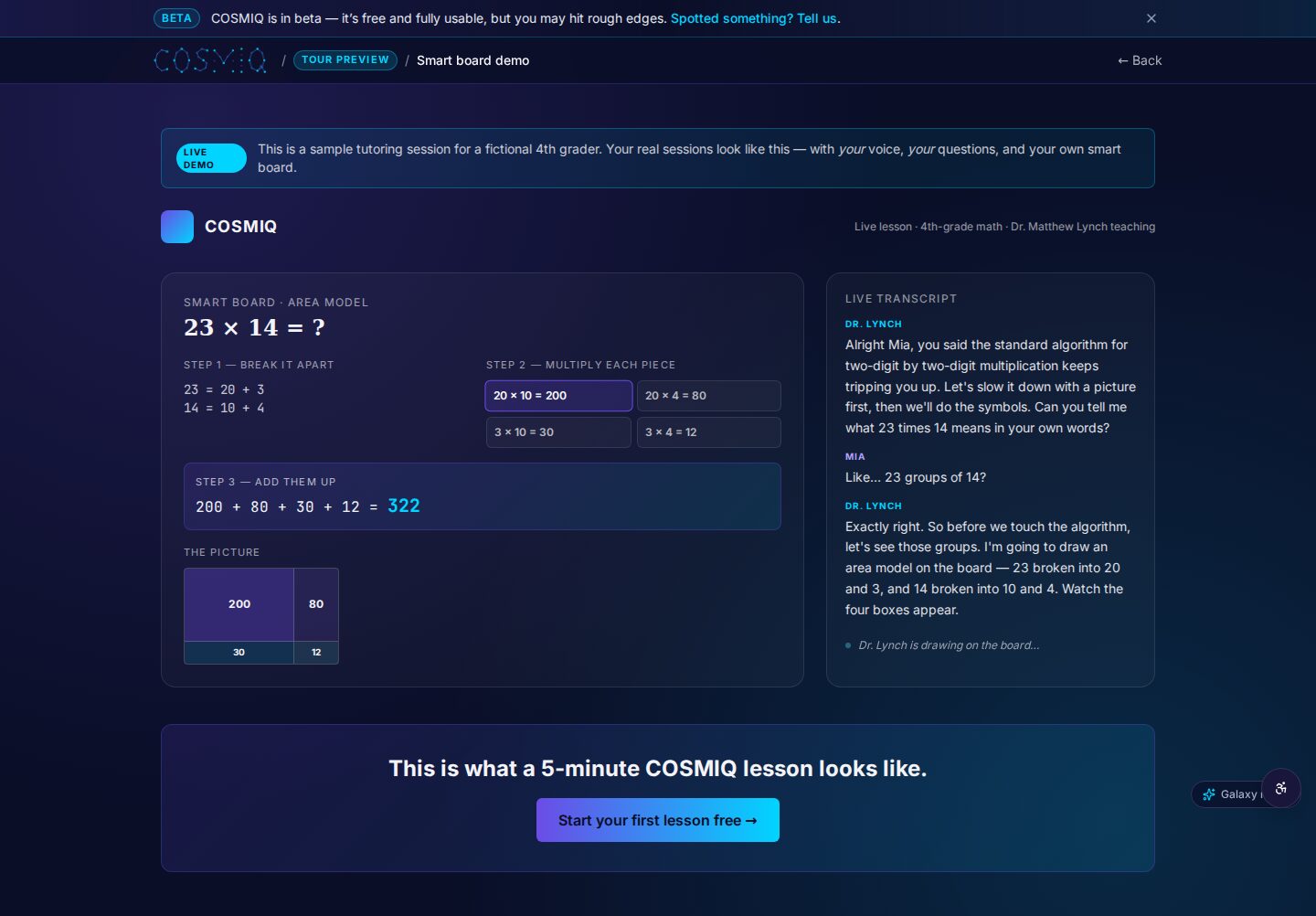
Teachers can also remind students that tutoring is only one form of support. Office hours, study groups, library resources, school-based interventions and accessible AI learning tools can all play a role. Different learners may need different combinations at different times.
What makes a public directory trustworthy
For a “Showcase of Tutors” to earn public confidence, it should clearly explain what inclusion means. Is every profile verified, or is the directory simply an advertising space? What checks are completed? How are complaints handled? How often are profiles reviewed? These details should be easy to find, not hidden in fine print.
Accessibility matters too. Families should be able to search by subject, location, price range where disclosed, learning needs and language support. The directory should avoid ranking tutors solely by popularity, since visibility can be shaped by factors unrelated to teaching quality. Clear reporting routes, privacy protections and accessible information for families with limited internet access are equally important.
A tutor showcase has the potential to make the search for support more organized and transparent. Its greatest benefit will come when families treat it as a starting point for informed choices: define the learning need, ask thoughtful questions, check practical safeguards and review whether the support is genuinely helping the student learn more independently.
Learn anything, free.
COSMIQ is a free, voice-driven AI tutor for every learner. No credit card, ever.
Start learning free →