Education Progress and Attainment Across Highland

Progress in education across Highland is best understood as more than a set of exam results or a single comparison between schools. Attainment matters: qualifications can open doors to further study, training and work. But meaningful improvement also includes attendance, confidence, literacy, numeracy, wellbeing, engagement and the ability to keep learning independently. For a large and geographically varied area such as Highland, a useful conversation about progress needs to recognise both shared ambitions and local circumstances.
What educational progress really means
Attainment usually refers to measurable outcomes, such as performance in assessments, course awards and qualifications. Progress is broader. It asks whether a learner is developing from their own starting point and receiving the right challenge and support along the way.
This distinction is important for students, parents and teachers. A learner who improves their reading fluency, attends more consistently, completes coursework on time or feels able to ask for help has made real progress, even before that change appears in a formal result. Equally, strong attainment is most sustainable when it is supported by good learning habits and wellbeing.
When reviewing improvement across Highland, it helps to consider several questions together:
- Are children and young people making progress in literacy, numeracy and other key areas?
- Do learners have access to suitable subjects, pathways and support, wherever they live?
- Are attendance, participation and readiness to learn improving?
- Do learners feel known, included and appropriately challenged?
- Are transitions between primary, secondary, college, training and employment well supported?
A balanced view avoids reducing a school, community or learner to one number. It also makes it easier to identify practical next steps.
Why Highland needs a local lens
Highland includes urban communities, small towns, rural areas, islands and remote settings. These differences can shape the school experience. Travel time, weather disruption, access to specialist subjects, digital connectivity and the availability of local opportunities may affect how easily a young person can participate in learning.
That does not mean expectations should be lower. It means improvement plans need to be realistic, equitable and designed with local voices. Flexible learning options, effective use of digital tools, strong relationships with families and collaboration between schools can all help widen access. Where Gaelic language and culture are part of community life, learning that respects and includes them can also strengthen belonging and engagement.
It is also worth treating comparisons carefully. Schools may serve communities with very different needs and cohort sizes. A small change in one year group can look large in a small school, while broader trends may take time to emerge. Looking at patterns over time, alongside evidence from staff, learners and families, gives a fuller picture than a league-table approach.
Turning information into useful support
Data is most helpful when it leads to a timely conversation and a clear action. Teachers can use assessment information to spot misconceptions, adapt teaching and offer targeted practice. Families can use school updates to ask focused questions. Students can use feedback to identify one skill to improve rather than trying to fix everything at once.
For students
- Choose one specific goal. For example, revise algebra for 20 minutes on three evenings, improve paragraph structure, or ask for feedback on one piece of work.
- Track effort as well as marks. Note what you studied, what was difficult and which method helped. This builds self-awareness.
- Ask early. A question about a topic, homework task or course choice is easier to resolve before it becomes a bigger gap.
- Use your voice. Tell a trusted adult if travel, technology, anxiety or another barrier is affecting learning.
For parents and carers
- Ask, “What are you learning now, and what is your next step?” rather than focusing only on a grade.
- Create a predictable time and place for schoolwork where possible, while recognising that rest and wellbeing matter too.
- Contact the school when a pattern emerges, such as repeated difficulty with a subject, attendance concerns or uncertainty about pathways.
- Celebrate persistence, improved organisation and willingness to seek help, not just high marks.
For teachers and school communities
Clear communication is a powerful improvement tool. Learners benefit when success criteria are understandable, feedback points to an achievable next step and support is available without stigma. Schools can also strengthen continuity by sharing effective practice, coordinating transitions and listening carefully to pupil and family experience. Improvement is more likely to last when it is a shared process rather than an initiative imposed from above.
Using voice-driven learning thoughtfully
Voice-driven AI tutoring can be a useful additional study aid for Highland learners, particularly when they want to practise explaining an idea aloud, revise outside the school day or work through a question at their own pace. Speaking an answer can reveal gaps in understanding that silent reading may hide.
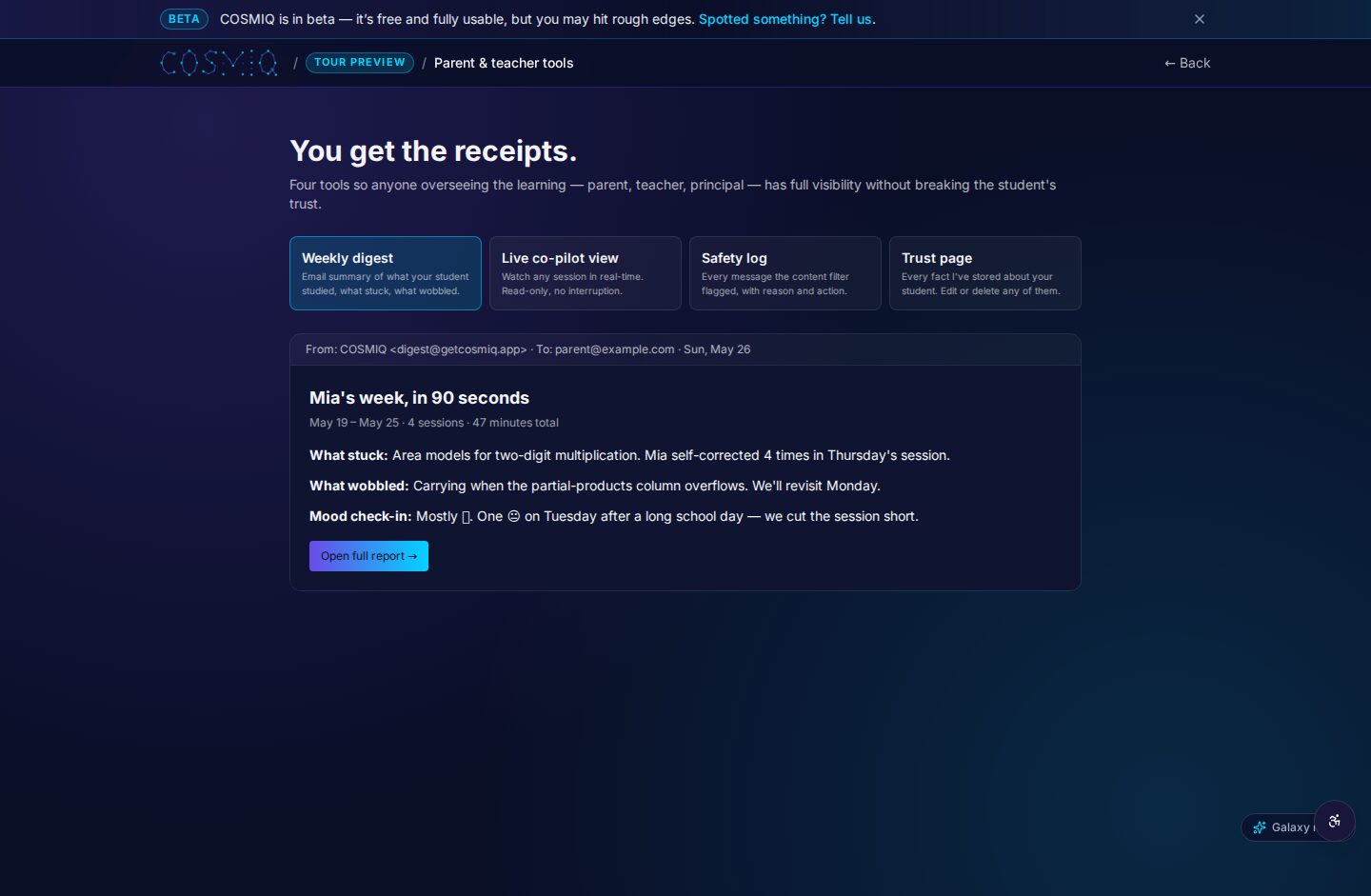
Used well, an AI tutor should support—not replace—teachers, families and classmates. Students can ask for a concept to be explained in simpler language, request practice questions, rehearse an oral answer or break a revision topic into manageable steps. They should still check important information against class materials, follow their school’s guidance on AI use and avoid sharing personal or sensitive details.
For educators, the focus remains on good pedagogy: purposeful questions, reliable resources, accessible feedback and trusted relationships. Technology is most valuable when it helps more learners take part in these essentials.
A shared, long-term view of improvement
Education improvement across Highland is not a finish line. It is an ongoing commitment to helping every child and young person access meaningful learning, make progress from their starting point and move confidently into their next stage. Attainment data can inform that work, but it should sit alongside attendance, wellbeing, learner voice and local context.
The most useful question is not simply whether results have changed. It is: what is helping learners succeed, who still faces barriers, and what can we do next? When students, families, schools and communities keep asking that question together, progress becomes more visible, more practical and more inclusive.
Learn anything, free.
COSMIQ is a free, voice-driven AI tutor for every learner. No credit card, ever.
Start learning free →