Educators Prioritize Meaningful Tech Over Quantity, Says New Report

In an educational landscape increasingly shaped by digital innovation, a critical question emerges: how can technology best serve teaching and learning? A recent report, featured in Education Week, sheds light on this by articulating a clear consensus among educators: the priority is on better, more purposeful tools, not just more of them. This perspective moves beyond the initial excitement of new gadgets and platforms to focus on how technology genuinely enhances the learning experience for students and supports teachers in their vital work.
The report suggests that rather than chasing every new trend, schools and districts should concentrate on selecting and effectively integrating a smaller number of high-impact tools. This approach aims to avoid the potential for 'tech overload,' which can overwhelm both teachers and students, leading to fragmented learning and underutilized resources. For parents, this shift means a more thoughtful and cohesive approach to digital learning environments, potentially reducing screen fatigue and increasing the quality of online interactions.
The Call for Purposeful Integration
According to the insights gathered, educators are seeking technology that seamlessly integrates into their pedagogical strategies. This isn't just about having a tool; it's about how that tool fits into lesson plans, supports diverse learning styles, and helps achieve specific educational outcomes. Teachers often grapple with a multitude of platforms, each with its own login and learning curve. The report implies that streamlining these resources can free up valuable instructional time and reduce cognitive load for both instructors and learners.
For instance, a single, robust platform that offers various functionalities – from interactive lessons to assessment tools – might be more effective than several disparate applications that perform individual tasks. This targeted integration can help create a more consistent and predictable learning environment, which is particularly beneficial for students who thrive on routine and clear expectations.

Professional Development as a Cornerstone
A recurring theme in the educators' feedback is the critical need for adequate professional development. Simply providing new technology is often not enough; teachers require comprehensive training on how to effectively use these tools to enhance instruction. This goes beyond basic technical proficiency to explore pedagogical applications, troubleshooting common issues, and adapting tools for different subject matters and student needs.
The report underscores that without ongoing support and training, even the most innovative tools risk becoming shelfware. Effective professional development can empower teachers to experiment, share best practices, and truly leverage technology to its fullest potential. This investment in human capital is crucial for ensuring that technology serves as an enabler, not an additional burden, in the classroom.
Focusing on Student Engagement and Learning Outcomes
Ultimately, the objective of integrating technology into education is to improve student engagement and learning outcomes. Educators are looking for tools that actively involve students, foster critical thinking, and allow for personalized learning paths. This could include interactive simulations, collaborative project platforms, or adaptive learning systems that tailor content to individual student progress.
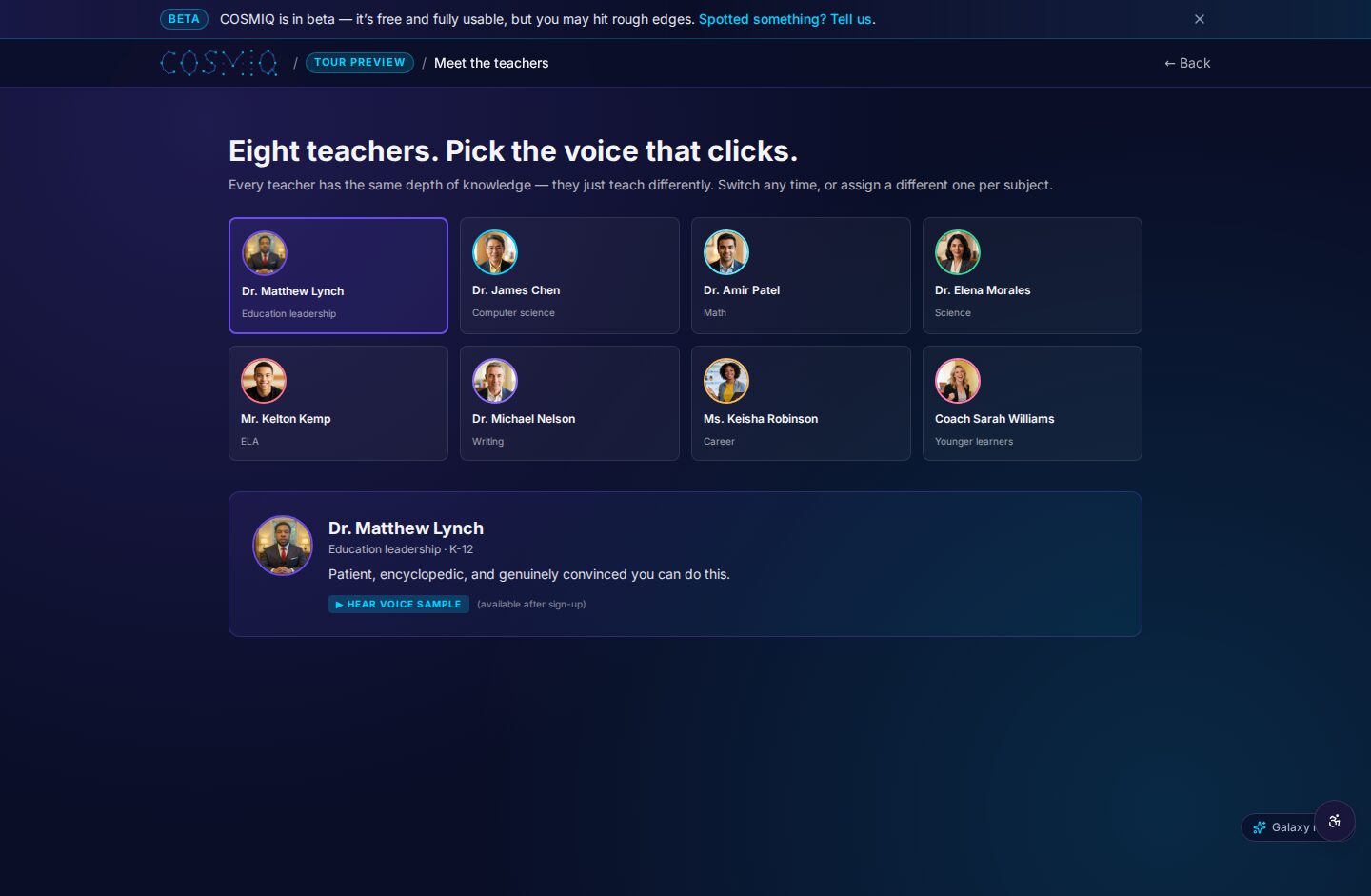
The emphasis is on tools that transform passive consumption of information into active participation and creation. When technology is used thoughtfully, it can open up new avenues for exploration, creativity, and communication, making learning more dynamic and relevant for students. For example, a voice-driven AI tutor like COSMIQ can offer personalized, on-demand support, allowing students to practice concepts and receive immediate feedback in a low-stress environment, complementing classroom instruction without adding to tech clutter. This kind of targeted assistance can be particularly valuable for K-12 students seeking extra help or exam preparation, available free forever.
Looking Ahead: A Strategic Approach to EdTech
The insights from educators suggest a maturing perspective on education technology. It's no longer about adopting technology for technology's sake, but about making strategic, informed choices that align with educational goals and support the holistic development of students. This means prioritizing quality over quantity, investing in teacher training, and continuously evaluating the impact of tools on learning outcomes.
As schools plan for the 2026-2027 academic year, this report offers valuable guidance: a less-is-more approach, when thoughtfully implemented, can lead to more effective and sustainable integration of technology in education. It encourages a shift from mere adoption to meaningful utilization, ensuring that every piece of technology serves a clear purpose in the pursuit of better learning experiences for all.
Learn anything, free.
COSMIQ is a free, voice-driven AI tutor for every learner. No credit card, ever.
Start learning free →