Elevating Eighth-Grade Algebra: A Community's Path to Success

The idea of all eighth graders taking algebra is a compelling vision, offering students a stronger foundation for high school math and STEM pathways. While some cities have struggled to achieve this goal universally, the ambition itself speaks to a desire to elevate educational outcomes for every student. Success in such an endeavor isn't about simply changing a curriculum; it's about building a robust ecosystem of support around students, teachers, and families. Let's explore what it might take for a city to truly make this a reality, learning from the experiences of others and focusing on sustainable, equitable strategies.
Understanding the 'Why' and the 'How'
Before diving into implementation, it's crucial to understand the rationale behind universal eighth-grade algebra. Algebra is often considered a gateway course, opening doors to higher-level mathematics and critical thinking skills. For many students, early exposure can demystify complex concepts and build confidence. However, simply placing all students in an algebra class without adequate preparation or support can inadvertently create new barriers.
A successful approach must address the 'how' with as much emphasis as the 'why'. This means looking at the entire K-7 math pipeline to ensure students are building the necessary pre-algebraic thinking skills. It also means recognizing that not all students enter eighth grade with the same level of math readiness, and designing systems that cater to this diversity rather than assuming uniformity.
Building Foundational Support from Earlier Grades
The journey to eighth-grade algebra doesn't begin in eighth grade; it starts much earlier. A city aiming for universal success needs to invest in a strong K-7 math curriculum that emphasizes conceptual understanding, problem-solving, and number sense. Key areas include:

- Early Algebraic Thinking: Introducing patterns, variables, and relationships in age-appropriate ways in elementary and middle school.
- Mastery of Core Concepts: Ensuring students have a solid grasp of fractions, decimals, ratios, and proportional reasoning, which are critical precursors to algebra.
- Differentiated Instruction: Empowering teachers to meet students where they are, providing targeted support for those who need to catch up and enrichment for those ready for more advanced challenges.
- Intervention Programs: Establishing effective, data-driven intervention programs for students struggling with foundational math concepts before they reach middle school.
Without these foundational elements, the leap to algebra in eighth grade can feel overwhelming for many, potentially leading to frustration rather than empowerment.
Empowering Teachers Through Professional Development
Teachers are at the heart of any educational initiative. For a universal eighth-grade algebra program to succeed, educators need comprehensive and ongoing professional development. This isn't just about reviewing algebra content; it's about equipping teachers with strategies to teach algebra to a diverse group of learners, many of whom may have varying levels of prior exposure and confidence.
- Content Deepening: Ensuring teachers have a deep conceptual understanding of algebra, not just procedural knowledge.
- Pedagogical Strategies: Training in effective instructional methods for teaching algebra, including visual models, manipulatives, collaborative learning, and technology integration.
- Addressing Learning Gaps: Strategies for identifying and addressing common misconceptions and learning gaps that students bring into algebra.
- Culturally Responsive Teaching: Developing approaches that connect algebra to students' lives and experiences, making the content more relevant and engaging.
- Collaboration and Mentorship: Creating opportunities for teachers to collaborate, share best practices, and receive mentorship from experienced colleagues.
Investing in teachers means investing in student success. When teachers feel confident and supported, they are better equipped to guide all students through challenging material.
Ensuring Equitable Access and Support for All Students
The goal of universal eighth-grade algebra is inherently about equity. It aims to ensure that no student is tracked out of advanced math opportunities prematurely. To achieve this, a city must commit to providing robust support systems for every student.
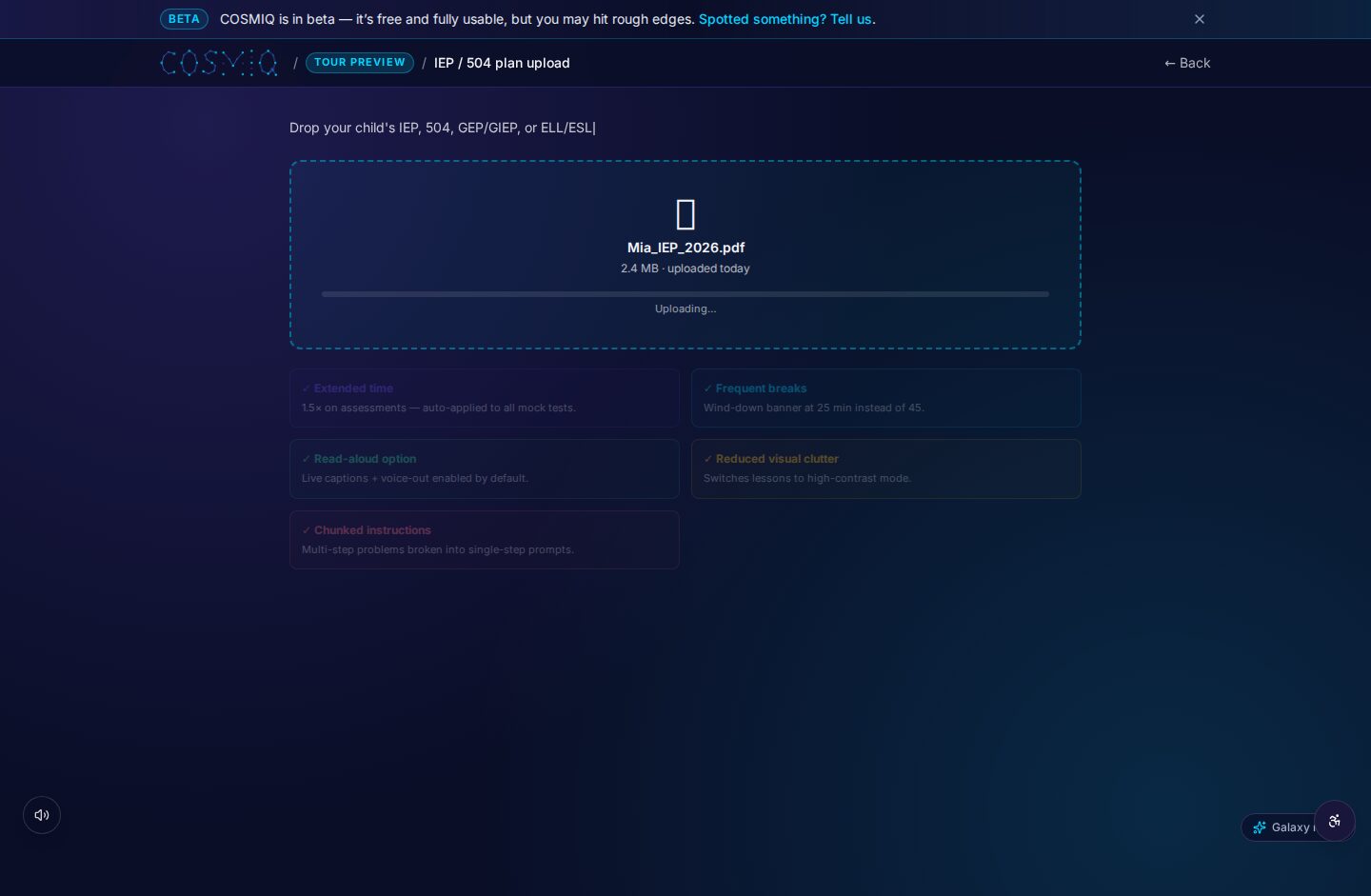
- Targeted Tutoring and Small Group Instruction: Offering additional support outside of regular class time for students who need extra help. This could involve after-school programs, peer tutoring, or AI-driven platforms like COSMIQ that provide personalized assistance.
- Parent and Family Engagement: Educating parents about the benefits of early algebra and providing resources to support their children's learning at home.
- Growth Mindset Promotion: Fostering a belief among students that mathematical ability can be developed through effort and perseverance, rather than being a fixed trait.
- Data-Driven Monitoring: Regularly assessing student progress and using data to identify areas where additional support or curriculum adjustments are needed. This allows for timely interventions rather than waiting until students fall significantly behind.
- Counseling and Academic Advising: Guiding students and families through course selections and helping them understand the long-term benefits of a strong math foundation.
The success of universal eighth-grade algebra hinges on creating an environment where every student feels capable, supported, and engaged in their mathematical journey.
Conclusion
Achieving universal eighth-grade algebra is an ambitious but attainable goal for any city truly committed to educational equity and student success. It requires a holistic approach that begins in elementary school, empowers teachers with ongoing professional development, and builds comprehensive support systems for all students. By focusing on strong foundations, continuous improvement, and a belief in every child's potential, a city can indeed pave the way for all its eighth graders to confidently tackle algebra, opening up a world of opportunities for their future academic and career paths.
Learn anything, free.
COSMIQ is a free, voice-driven AI tutor for every learner. No credit card, ever.
Start learning free →