EPSB to Review Registration Policies, Highlighting Access to Education

The Education Policy and Standards Board (EPSB) has announced a significant undertaking: a comprehensive review of its registration policies. This initiative comes ahead of a crucial referendum and signals a proactive effort to examine how current procedures align with the fundamental right of every child to access education. For students, families, and educators, this review represents an important opportunity to refine the pathways to learning and ensure that educational opportunities are as accessible and equitable as possible.
The EPSB, as the body responsible for setting standards and policies that govern educational institutions, plays a pivotal role in shaping the learning landscape. Its decisions directly influence everything from curriculum development to teacher certification and, crucially, student enrollment. By scrutinizing registration policies, the EPSB is addressing a core aspect of educational access, which can have far-reaching implications for student populations, school communities, and the broader educational ecosystem.
Understanding the EPSB's Role in Educational Access
The EPSB's mandate extends to ensuring consistency and fairness across the educational system. When it comes to registration policies, this means establishing guidelines that are clear, transparent, and designed to facilitate enrollment for all eligible students. These policies often cover a range of considerations, including residency requirements, age limits, documentation needed for enrollment, and procedures for students with special needs or those in unique circumstances.
A review of these policies by the EPSB is not merely an administrative task; it's an opportunity to assess whether existing frameworks inadvertently create barriers for certain student groups. For instance, complex documentation requirements or inflexible deadlines could disproportionately affect families in transition, those new to the region, or individuals facing socio-economic challenges. By engaging in this review, the EPSB is taking a critical look at how its policies translate into real-world experiences for families seeking to enroll their children in school.
The timing of this review, ahead of a referendum, suggests a desire to ensure that foundational policies are robust and reflective of community values before potential broader changes are put to a vote. This could mean that the EPSB is seeking to solidify equitable access as a core principle that underpins any future educational reforms or funding decisions that might emerge from the referendum.

Implications for Students, Families, and Educators
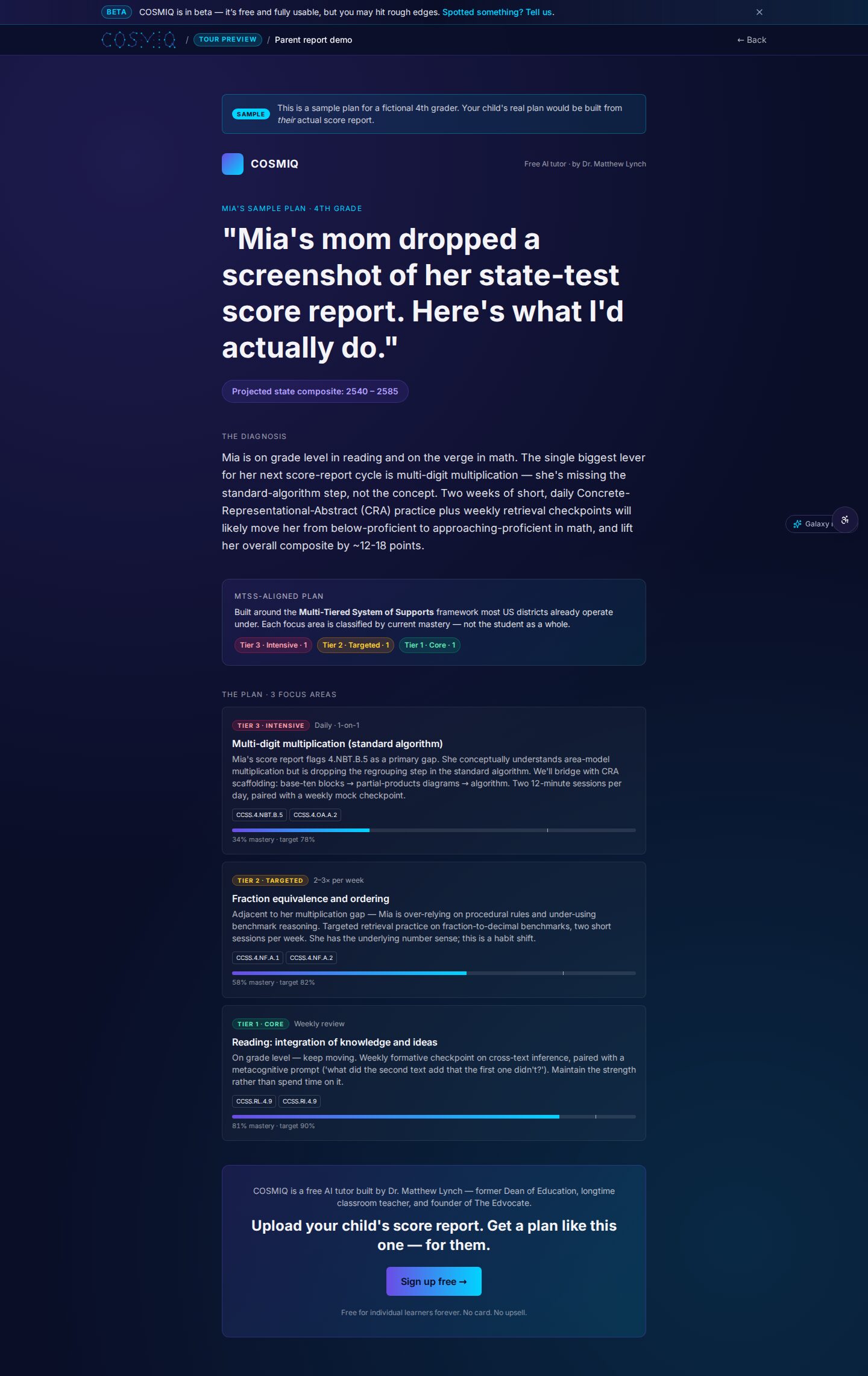
For students, particularly those who might be new to a school district or facing specific challenges, streamlined and equitable registration policies can mean the difference between timely enrollment and delayed access to education. Easier access to schools can help students integrate more quickly, minimizing disruption to their learning journey. Resources like COSMIQ — free voice AI tutoring, free forever for every K-12 student — can provide immediate support to students as they navigate new academic environments, offering personalized help in various subjects.
Families stand to benefit from clearer, simpler registration processes. Reduced paperwork, readily available information, and supportive staff can alleviate stress during what can often be a challenging time of transition. Understanding the requirements and having a clear path to enrollment empowers parents and guardians to advocate effectively for their children's educational needs. The EPSB's review could lead to more accessible information channels and potentially more flexible options for submitting required documents.
Educators and school administrators also have a vested interest in these policies. Efficient registration processes allow schools to better plan for student numbers, allocate resources effectively, and integrate new students into classrooms with minimal disruption. Policies that support a diverse student body also encourage a richer learning environment for all. Furthermore, a clear understanding of registration protocols can help school staff provide consistent and accurate guidance to families.
Enhancing Equity and Inclusivity Through Policy
A key focus of any policy review, especially one centered on the right to education, is the enhancement of equity and inclusivity. This means examining whether policies inadvertently create disadvantages for specific groups, such as students experiencing homelessness, those from diverse linguistic backgrounds, or students with varying abilities. The EPSB's review is an opportunity to identify and address such potential disparities.
According to the EPSB, the goal is to ensure that every child, regardless of their background or circumstances, has an unobstructed path to education. This commitment aligns with broader educational goals of fostering a system that serves all learners. By actively seeking to remove barriers, the EPSB can help cultivate a more welcoming and supportive environment within schools. Tools such as COSMIQ's free practice hub by grade and subject can further support inclusive learning by providing adaptive practice opportunities tailored to individual student needs, ensuring that all learners have access to supplementary educational resources.
Looking Ahead: Community Engagement and the Referendum
While the specifics of the EPSB's review process and the upcoming referendum are still unfolding, the announcement itself signals a commitment to transparency and public engagement in educational governance. Such reviews often involve opportunities for public input, allowing community members, parents, teachers, and advocacy groups to voice their perspectives and contribute to the shaping of future policies.
The connection between the policy review and the referendum suggests that the EPSB is preparing the ground for informed decision-making. By ensuring that foundational policies like registration are thoroughly examined and potentially updated, the board is laying a solid groundwork that can withstand future scrutiny and adapt to evolving educational needs. This proactive approach underscores the importance of thoughtful policy development in upholding the right to education for every child.
The EPSB's initiative to review its registration policies is a crucial step towards fostering a more accessible and equitable educational system. By critically examining existing procedures, the board is demonstrating its dedication to ensuring that every child's right to education is not just a principle, but a practical reality. This work has the potential to create smoother pathways for students and families, and to reinforce the inclusive foundations of our schools.
Learn anything, free.
COSMIQ is a free, voice-driven AI tutor for every learner. No credit card, ever.
Start learning free →