Explaining a Difficult Semester on Your High School Transcript

High school is a journey of growth, and sometimes that journey includes academic bumps in the road. A semester where your grades dipped might feel like a permanent stain on your transcript, but it's important to remember that colleges and future employers understand that life happens. What truly matters is how you address it, learn from it, and demonstrate your resilience. This article will guide you on how to thoughtfully explain a difficult semester, turning a potential weakness into a testament to your character and determination.
Acknowledge, Don't Excuse
The first step is to acknowledge the dip in your grades without making excuses. Colleges aren't looking for perfection; they're looking for honest, self-aware individuals who can take responsibility. Instead of blaming a teacher or a challenging course, focus on what you've learned from the experience. This shows maturity and a commitment to personal accountability.
- Be Honest (Within Reason): If there was a genuine, significant life event (family illness, personal hardship, a difficult transition), it's okay to briefly mention it. However, avoid dwelling on it or using it as a sole justification. The focus should always be on your response to the challenge.
- Focus on What You Could Control: Even in difficult circumstances, there are often elements within your control. Did you seek help? Did you adjust your study habits? Highlighting these efforts, even if they didn't immediately yield perfect results, demonstrates proactive thinking.
Show Growth and Improvement
The most powerful way to address a bad semester is to demonstrate how you've grown and improved since then. This isn't just about bouncing back academically; it's about showing character development. Colleges want to see that you can learn from setbacks and come back stronger.
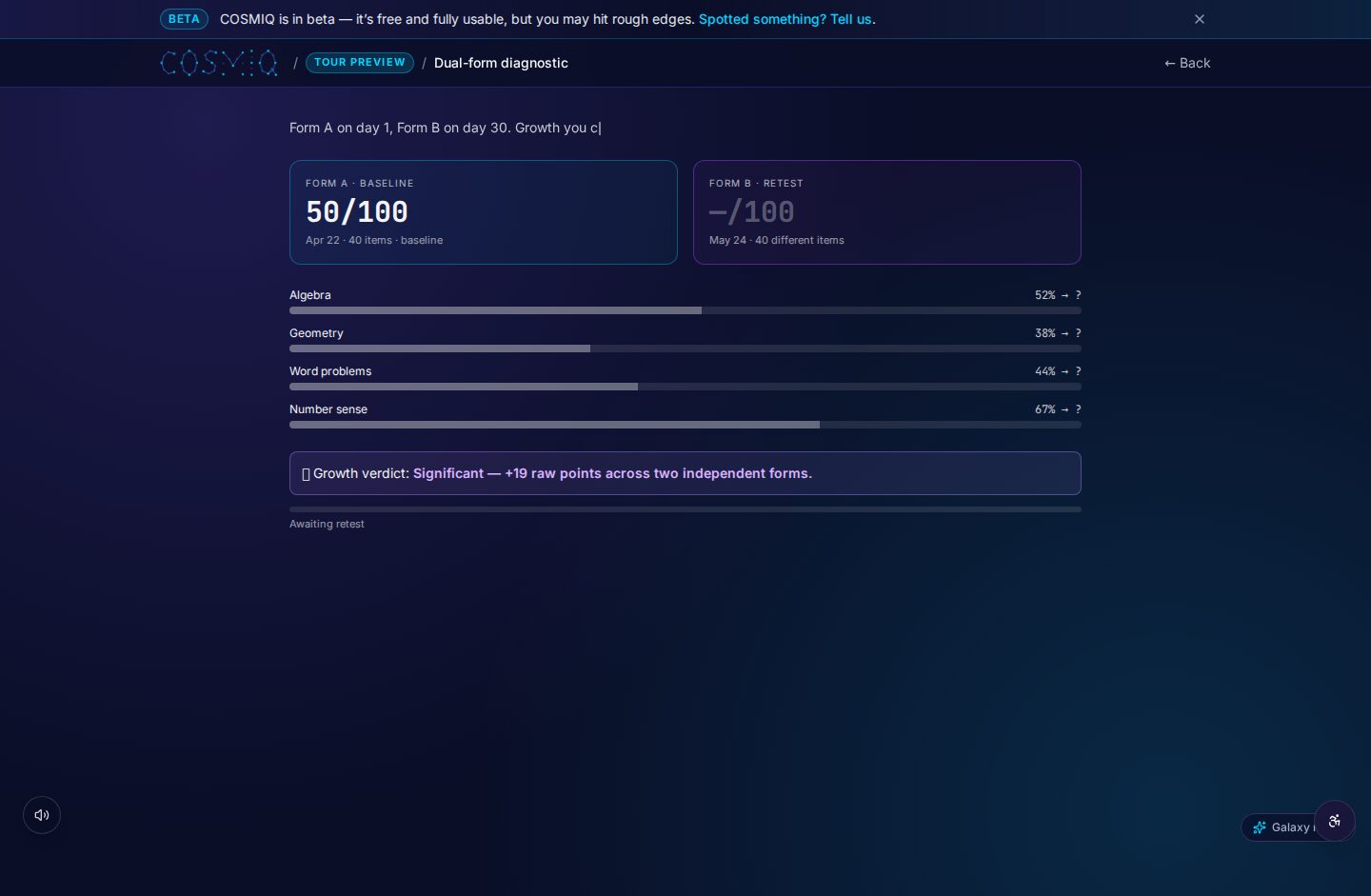
- Highlight Subsequent Successes: If your grades improved significantly in subsequent semesters, draw attention to this. This is concrete evidence of your ability to adapt and overcome.
- Discuss Specific Changes: What concrete steps did you take? Did you seek tutoring, improve your time management, develop new study strategies, or communicate more effectively with your teachers? Be specific about the actions you implemented.
- Connect it to Future Goals: Explain how this experience has better prepared you for the challenges of college. Perhaps it taught you the importance of self-advocacy, seeking support, or managing a demanding schedule.
Where to Explain It
You'll have a few opportunities to explain a challenging semester, depending on the context:
- Additional Information Section (College Applications): Many college applications include a section for additional information or extenuating circumstances. This is often the best place for a concise, thoughtful explanation. Keep it brief, factual, and focused on growth.
- Counselor Recommendation: Talk to your school counselor about the situation. They can often provide valuable context in their recommendation letter, explaining any challenges you faced and highlighting your resilience and positive trajectory.
- Interview (If Applicable): If you have an interview, be prepared to discuss it if asked. Practice articulating your explanation clearly and confidently, again emphasizing growth and lessons learned.
Crafting Your Message: Keep it Concise and Positive
When writing or speaking about a difficult semester, remember these key points:
"Focus on what you learned, how you adapted, and the positive changes you implemented. Colleges value self-awareness and resilience."
- Be Brief: Admissions officers read thousands of applications. Get straight to the point without excessive detail or emotional language.
- Be Positive and Forward-Looking: Frame the experience as a learning opportunity. Emphasize your dedication to academic success and your readiness for college-level work.
- Proofread Carefully: Ensure your explanation is well-written, free of errors, and reflects your best effort.
A challenging semester doesn't define your entire high school experience. By addressing it honestly, demonstrating your growth, and focusing on the positive steps you've taken, you can turn a perceived weakness into a powerful narrative of resilience and maturity. Colleges are looking for students who can navigate challenges and emerge stronger, and your thoughtful explanation can showcase exactly that.
Learn anything, free.
COSMIQ is a free, voice-driven AI tutor for every learner. No credit card, ever.
Start learning free →