Finding the Balance: Pen, Paper, and Screens in Today's UK Classrooms

The role of technology in education is a topic that regularly prompts lively debate, and the recent comments from the UK Education Secretary regarding the value of traditional pen and paper in schools have certainly reignited the discussion. For many, the image of a student diligently writing in a notebook is synonymous with learning, while others champion the transformative potential of digital tools. At COSMIQ, we believe that the most effective learning environments often embrace a thoughtful blend of both. It's not necessarily about choosing one over the other, but understanding how each can best serve the diverse needs of learners.
The Enduring Power of Pen and Paper
There's a reason why handwriting and physical note-taking have stood the test of time. Research and anecdotal evidence suggest several key benefits:
- Enhanced Memory and Comprehension: The physical act of writing can engage different parts of the brain compared to typing. Many studies indicate that writing notes by hand can lead to better retention and deeper understanding of material, as it often requires students to process and summarise information rather than simply transcribing it verbatim.
- Improved Fine Motor Skills: Especially for younger learners, handwriting is crucial for developing fine motor skills, hand-eye coordination, and spatial awareness. These foundational skills are important for overall development.
- Reduced Distractions: A notebook and pen offer a focused environment. Without the multitude of apps, notifications, and internet access, students can often concentrate more effectively on the task at hand, free from digital temptations.
- Creativity and Personal Expression: Sketching diagrams, doodling, or using different coloured pens can be powerful tools for visual learners and can foster a sense of personal ownership over notes and ideas.
The Transformative Potential of Screens and Digital Tools
While traditional methods hold significant value, it would be shortsighted to ignore the immense benefits that digital tools bring to the classroom. Technology, when used thoughtfully, can open up new avenues for learning:
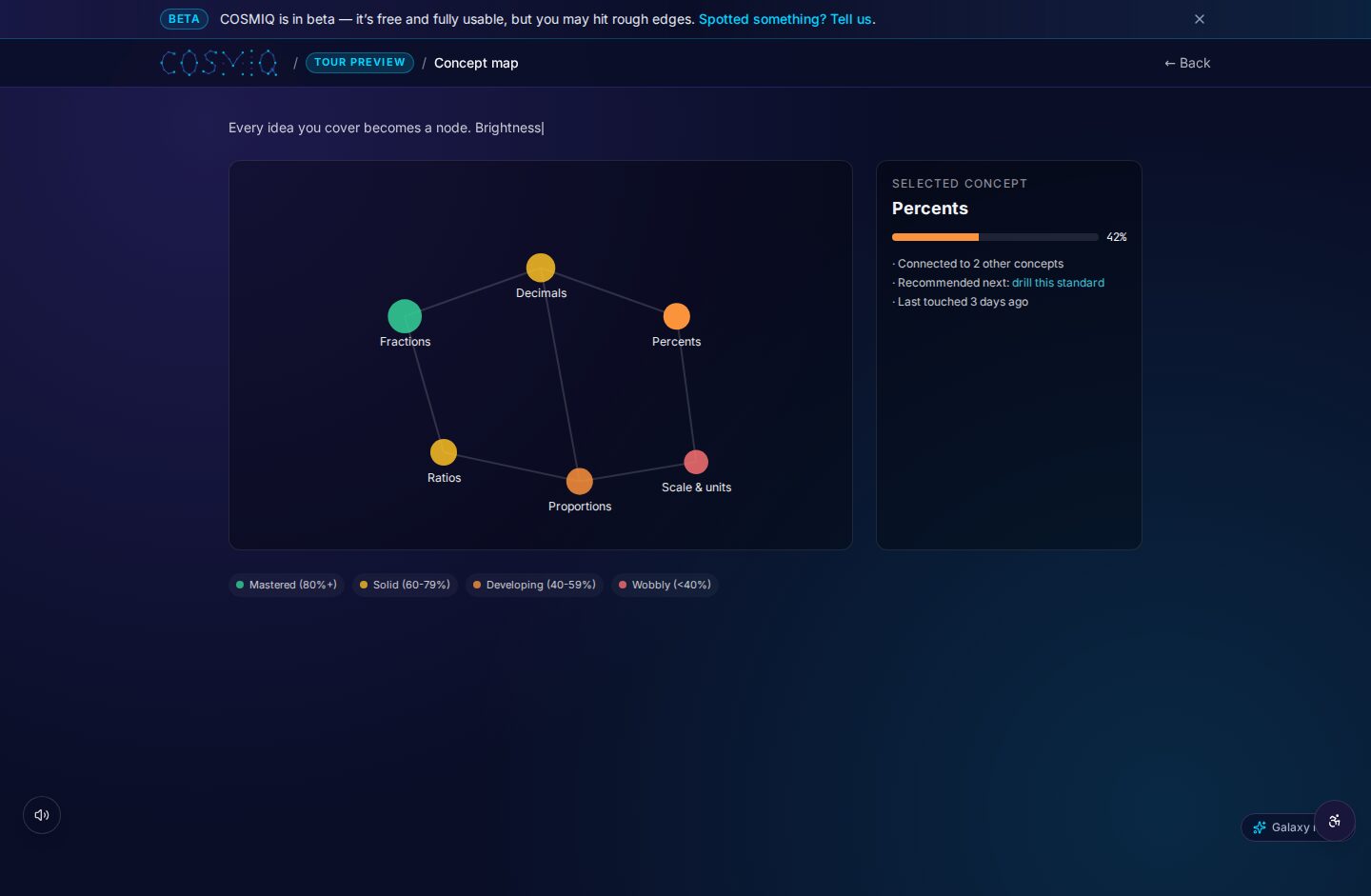
- Access to Vast Resources: The internet provides instant access to a wealth of information, from digital libraries and academic journals to interactive simulations and virtual field trips. This can broaden students' horizons and allow for deeper, self-directed exploration.
- Personalised Learning Experiences: Educational software and AI-powered platforms can adapt to individual student paces and learning styles, offering targeted practice, immediate feedback, and customised learning paths. This can be particularly beneficial for addressing diverse learning needs.
- Collaboration and Communication: Digital tools facilitate collaborative projects, allowing students to work together remotely, share documents, and communicate ideas efficiently. This mirrors the collaborative nature of many modern workplaces.
- Engagement and Accessibility: Interactive apps, multimedia content, and gamified learning experiences can make complex topics more engaging and accessible. Furthermore, assistive technologies on screens can be invaluable for students with specific learning differences.
- Developing Digital Literacy: In an increasingly digital world, equipping students with the skills to navigate, evaluate, and create with technology is not just an advantage – it's a necessity.
Striking a Thoughtful Balance
The most effective approach likely lies in a balanced integration of both traditional and digital methods. Here are some ways schools, teachers, and parents can foster this balance:

- Purposeful Integration: Rather than using technology for technology's sake, consider when a screen genuinely enhances learning and when pen and paper are more effective. For instance, initial brainstorming might be best on paper, while research and presentation could leverage digital tools.
- Hybrid Note-Taking: Encourage students to experiment with both methods. They might handwrite initial drafts or complex equations, then use a device to refine, organise, and share their work.
- Digital Citizenship and Screen Time Guidance: Teach students responsible and healthy use of digital devices, including understanding digital etiquette, evaluating sources, and managing screen time effectively.
- Teacher Training and Support: Provide educators with the training and resources they need to confidently and effectively integrate technology into their teaching in meaningful ways.
- Open Communication: Foster discussions among students, parents, and teachers about the benefits and challenges of both approaches to continually refine strategies.
Ultimately, the goal of education is to equip students with the skills, knowledge, and critical thinking abilities they need to thrive. Whether achieved through the stroke of a pen or the tap of a screen, the focus should always remain on fostering deep understanding, creativity, and a lifelong love of learning. By thoughtfully combining the best of both worlds, we can create dynamic and effective learning environments that prepare young people for the complexities of the future.
Learn anything, free.
COSMIQ is a free, voice-driven AI tutor for every learner. No credit card, ever.
Start learning free →