Free Tools Every Homeschool Family Should Know

Homeschooling can feel like a daunting journey. You’re the teacher, the planner, and often the motivator. With all the responsibilities piling up, the last thing you want is to feel like you’re swimming in a sea of resources, tools, and options. The good news? There’s a wealth of free tools out there that can make your homeschool experience smoother and more enriching. Let’s explore those tools that every homeschooling family should know about.
1. Online Learning Platforms
First up are online learning platforms. Websites like Khan Academy and Coursera provide a plethora of free courses on a wide range of subjects. Whether your child struggles with math or wants to explore history, these platforms can supplement your curriculum beautifully. Khan Academy, for instance, offers structured lessons that adapt to your child's learning pace. You can track their progress and even get personalized recommendations based on their performance.
But it’s not just about academics. Platforms like Duolingo make language learning fun and interactive for kids. With bite-sized lessons and a gamified system, kids are more likely to stay engaged and eager to learn. Plus, you can set daily goals to keep them on track. This kind of structured yet flexible format allows your child to feel a sense of achievement as they complete each lesson.
In addition to these platforms, consider exploring websites such as EdX, which partners with universities to offer free courses for high school students. Imagine your child taking a computer science course from MIT or a creative writing course from Harvard—all from the comfort of your home. It opens up a world of possibilities and exposes your children to topics they might not typically encounter in a traditional classroom setting.
Another fantastic platform to check out is FutureLearn. This site offers various courses from universities worldwide, allowing your child to earn a certificate upon completion. Courses cover topics from graphic design to child psychology, providing a rich resource for not just your child's immediate educational needs but also for their future aspirations.
Finally, don't overlook the treasure trove of YouTube educational channels. From TED-Ed to Crash Course, these channels offer engaging videos on countless topics that can help reinforce what your child is learning. YouTube can serve as a supplementary resource, allowing your child to explore their interests further, whether it's astronomy, literature, or even DIY projects.
2. Free Homeschool Curriculum Resources
When you’re piecing together your curriculum, free resources can be a lifesaver. Websites like Teachers Pay Teachers offer a variety of free downloadable materials created by other educators. You’ll find worksheets, lesson plans, and interactive activities that can fit into whatever subjects you’re focusing on.
Another noteworthy mention is the free homeschool curriculum offered by various organizations. For example, Easy Peasy All-in-One Homeschool is completely free and covers preschool through high school. It’s laid out in a very user-friendly manner, making it easy to navigate and choose what fits your needs. The curriculum is designed to be comprehensive, giving you lesson plans, activities, and even assessments.
Additionally, consider looking into the Free Curriculum from Ambleside Online. This resource offers a Charlotte Mason-style approach, encouraging a love for learning through rich literature and nature study. It’s completely free and includes booklists, schedules, and even tips for creating a nurturing learning environment. You can curate a well-rounded curriculum without spending a dime.
A newer option worth exploring is Homeschooling Today’s free resources, which include links to various free curriculum websites, lesson plans, and educational activities. Their focus is on holistic education, encouraging exploration of not only academic subjects but also life skills and character development.
Lastly, don’t forget about the free homeschool curriculum provided by the state. Many state education departments offer resources and guidelines designed specifically for homeschoolers. They can provide a wealth of information, including recommended subjects, state requirements, and even free downloadable resources to help you get started.
3. Educational Apps and Games
Let’s talk about apps. They’re not just for entertainment; many of them serve as fantastic educational tools. Apps like PBS Kids, Starfall, and ABCmouse offer engaging, interactive content that makes learning enjoyable while still being educational.
For older students, consider apps like Photomath, which helps with math problems through step-by-step solutions, or Quizlet, which offers flashcards and study tools. These free applications can reinforce lessons in a fun way, making it easier for students to grasp challenging concepts. With Quizlet, for instance, you can create custom flashcards tailored to the subjects your child is studying, which can be an effective way to improve retention.
Don’t forget about coding apps like Scratch. It introduces programming concepts in an easy-to-understand way through interactive projects. Your child can create games and animations, which not only boost their coding skills but also encourage creativity and logical thinking. By incorporating different educational apps into your daily routine, learning can feel less like a chore and more like an adventure.

Another engaging app worth mentioning is Khan Academy Kids, which is tailored specifically for younger learners. It features interactive stories, games, and exercises across various subjects, all designed to promote critical thinking and problem-solving skills. These tools can make learning feel more like play, thereby fostering a positive attitude toward education.
If you're looking to spice up language skills, try Memrise, which focuses on vocabulary building through interactive games and spaced repetition. This method helps reinforce learning and retention, making it easier for your child to master new words and phrases. The app’s engaging format can keep your child's enthusiasm for language alive, which is especially crucial in a homeschooling environment.
4. Virtual Field Trips
Field trips are essential for hands-on learning, but they can also be time-consuming and expensive. The good news is that many museums, zoos, and historical sites offer virtual tours. The Smithsonian National Museum of Natural History, for example, allows you to explore their exhibits without leaving your home.
Similarly, websites like Google Arts & Culture bring a vast array of virtual experiences right to your living room. You can visit art galleries, historical landmarks, and even explore different cultures around the world—all at no cost. It’s an incredible way to expand your child’s worldview without the hassle of travel. Imagine your child observing the intricate details of Van Gogh’s paintings or walking through the ancient ruins of Pompeii, all while discussing the historical context behind them.
Don't overlook places like the NASA website, which offers virtual tours of their facilities along with educational resources about space science. By integrating these virtual experiences into your curriculum, you can spark your child's interest in subjects that extend beyond textbooks. They can ask questions, conduct research, and even complete projects based on what they learn from these virtual outings.
Another exciting resource is the National Park Service’s virtual tours, which allow students to explore national parks across the United States. This can be a great way to introduce topics like ecology, conservation, and geography. You could even have your child create a project or presentation based on their virtual visit, combining creativity with research skills.
Finally, platforms like YouVisit offer immersive virtual reality experiences that can truly transport your child to different parts of the world. Whether it's walking through a famous landmark or experiencing a cultural festival, these virtual field trips can make learning incredibly dynamic and engaging.
5. Community and Support Groups
Sometimes, the best resources are the people around you. Online support groups on Facebook or forums like Reddit’s r/homeschool can be invaluable. You can find support, share ideas, and ask questions. They often share their favorite free tools and resources, giving you insights that you might not find elsewhere.
Local co-ops or homeschooling groups can also provide community and shared resources. Many of these groups organize free events, workshops, and even group classes that can add variety to your child’s education. This kind of collaboration is not only beneficial in terms of resources but can also help your child develop social skills and friendships. For instance, a local co-op might host a science fair or a literature discussion group, allowing your child to engage with peers and build communication skills.
Online platforms like Meetup can also help you find homeschooling gatherings in your area. These meetups can range from casual playdates to structured learning sessions and can significantly enrich your homeschooling experience. Imagine your child collaborating with others on a group project, combining creativity and social interaction—a win-win for every homeschooling parent.
In addition to local networks, consider joining national organizations such as the Home School Legal Defense Association (HSLDA), which offers legal advice and resources specifically for homeschoolers. Being part of a larger community can provide peace of mind and additional resources that can support your homeschooling journey.
Lastly, many online co-ops have sprung up, offering a range of classes and activities for homeschooled children. These can provide a sense of structure and can help alleviate the pressure on parents to cover every subject comprehensively. By tapping into these communities, you can share the workload and enhance your child's educational experience.
6. Organization Tools
Keeping everything organized is crucial, especially when you’re juggling so many different subjects. Free tools like Google Drive are fantastic for organizing lesson plans, assignments, and resources. You can create folders for each subject, share materials with your children, and even collaborate on projects.
Additionally, platforms like Trello can help you plan out your homeschool schedule and keep track of assignments and due dates. Visual boards can be incredibly helpful for both you and your child to see what’s coming up and what needs to be prioritized. For example, you can create a board for each child, setting up cards for each subject and moving them through stages like 'To Do,' 'In Progress,' and 'Completed.' This not only keeps everything on track but also gives your kids a sense of accomplishment as they finish tasks.
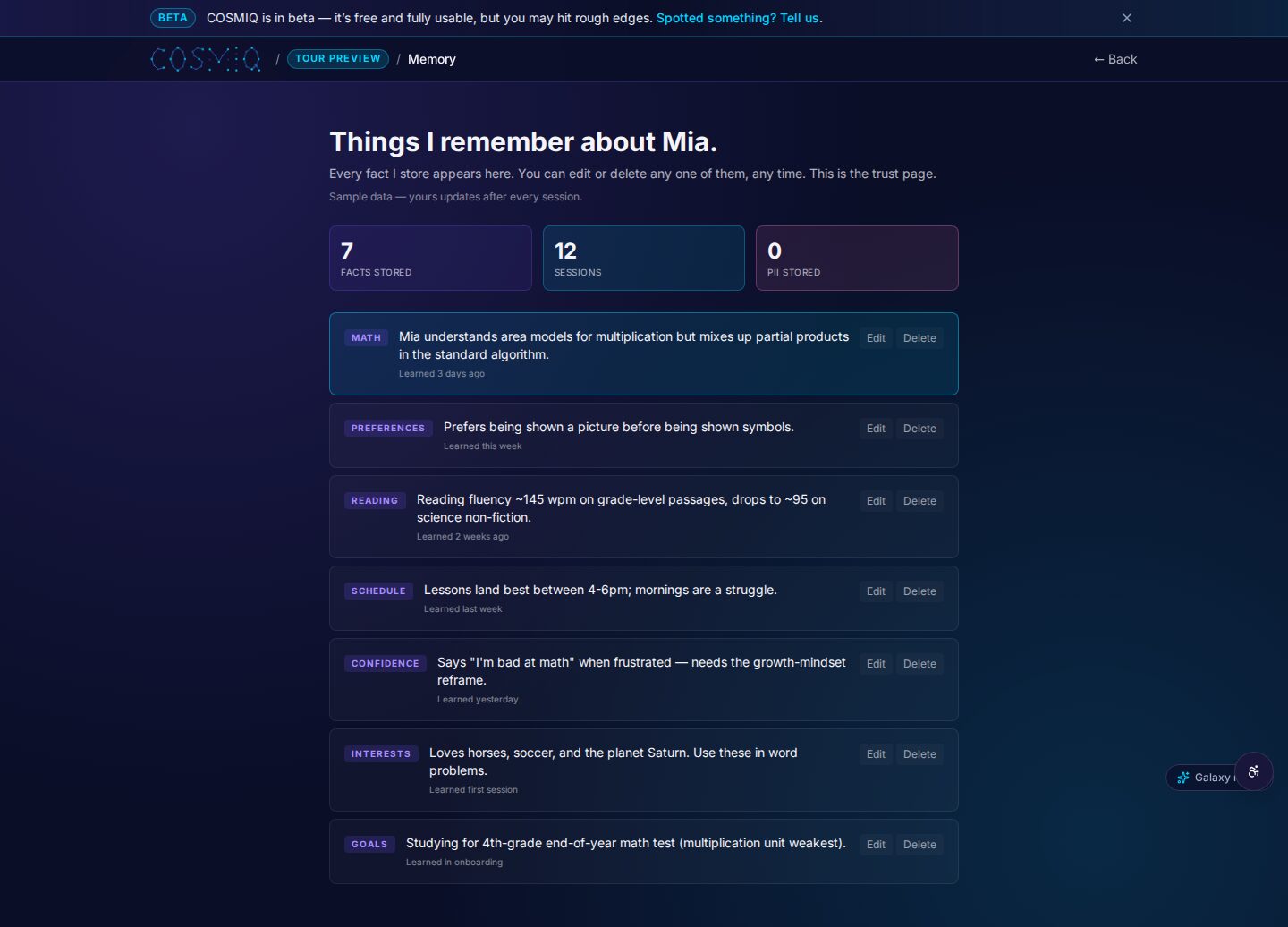
Another useful tool is Notion, which allows you to create databases for your lesson plans and resources. Its customizable features mean you can tailor it to your specific homeschooling method. You can track your child’s progress through subjects and visually map out what they’re learning over time. With a little organization, your homeschooling days will run much smoother.
Consider also using a digital calendar like Google Calendar to keep track of important deadlines, field trips, and co-op meetings. This can help ensure everyone is on the same page regarding what’s coming up. Additionally, if you have multiple children, you can color-code their activities, making it visually easier to manage their schedules.
Lastly, printable planners are available for free online, which can help you map out your entire year or semester at a glance. Many homeschooling families find that having a physical planner helps keep them accountable and allows for easy adjustments if plans change.
7. Creative Arts and Crafts Resources
Never underestimate the power of creativity in learning. Websites like Crayola offer free art projects that teach various skills while keeping the fun alive. Kids can explore art history, learn about color theory, or simply unleash their creativity through guided projects.
You can also find free printable worksheets for various art activities. Incorporating creative arts and crafts into your curriculum can break up the monotony of traditional learning and provide a much-needed outlet for self-expression. Perhaps you could set up a weekly art hour where your child can explore different mediums—be it painting, sculpting, or digital art.
For those who wish to delve deeper into arts education, many online platforms offer free resources for music theory and instrument lessons. Websites like MusicTheory.net can guide your child through the basics of music, while YouTube channels provide tutorials for learning instruments. By integrating music and art into your curriculum, not only do you foster creativity, but you also enhance cognitive development and emotional expression.
Another engaging avenue to explore is DIY science projects that combine art and science. Websites like Science Buddies provide excellent guidance on how to create art projects that also teach scientific principles, such as using natural dyes or creating sculptures that demonstrate physics concepts. This interdisciplinary approach makes learning richer and more engaging.
You could also consider introducing your child to photography as an art form. Free online courses and tutorials can teach the basics of photography, allowing them to explore their surroundings through a creative lens. This not only fosters artistic skills but also encourages them to appreciate the world around them.
8. Life Skills and Practical Learning
Lastly, don't forget about teaching life skills. Websites like Homeschooling With Heart provide free resources for teaching practical skills—cooking, budgeting, sewing, and more. These aren’t just skills for life; they’re crucial for helping your child become independent and self-sufficient.
You can also find free online courses that teach essential skills like coding or woodworking. Combining traditional subjects with practical skills can create a well-rounded education that prepares your child for real-world challenges. For instance, encourage your child to create a simple budget for a family event or to plan a meal, incorporating math and planning skills into the process.
Teaching these skills can be a rewarding experience for both you and your children. Whether they’re learning to sew a button or navigate a grocery store, these lessons provide opportunities for them to apply their knowledge in real-world scenarios. This hands-on approach enhances their learning experience and prepares them for adulthood.
Additionally, consider creating a family project where your child helps to manage a small garden or plan a family recipe night. This not only teaches practical skills but also fosters a sense of responsibility and teamwork. You might find that these projects turn into cherished family traditions!
In your homeschooling journey, don’t overlook the wealth of free resources available. Whether you’re looking for a free homeschool curriculum, educational apps, or community support, these tools can enrich your teaching experience and enhance your child’s education. So, roll up your sleeves, dive into these resources, and make learning an adventure for your family!
Learn anything, free.
COSMIQ is a free, voice-driven AI tutor for every learner. No credit card, ever.
Start learning free →