From Universal Screening to Tier 3: MTSS, Made Practical

Understanding MTSS: The Basics
At its core, the Multi-Tiered System of Supports (MTSS) is about meeting the diverse needs of all students. Think of it as a safety net that ensures every learner gets the support they require to thrive. But what does that really mean? MTSS isn’t just a buzzword you hear tossed around in educational circles; it’s a structured approach that consists of several tiers of intervention designed to provide increasingly intensive support.
Most schools adopt a three-tier model. Tier 1 represents the universal level, where all students receive high-quality instruction and assessment. It’s about providing a solid foundation that everyone can benefit from. If students struggle, they move to Tier 2, which includes targeted interventions for those who need a little extra help. Finally, we have Tier 3, where the intervention is more intensive and specialized for students who require significant support.
Universal Screening: Your First Step
Universal screening serves as the starting point for MTSS. Think of this phase as a health check-up for your students. Schools conduct assessments to identify those who may be at risk for academic failure. It’s crucial because early identification can lead to timely interventions. You wouldn’t wait until a student is failing to address their needs, would you?
In this phase, educators often utilize MTSS software to streamline the process. This technology can help collect and analyze screening data, making it easier to classify students based on need. With effective MTSS tier 1 2 3 software, you can track student progress over time and make informed decisions about interventions. You want accuracy here; poor data can lead to ineffective support.
Let's consider an example. A school district might administer reading assessments at the start of the academic year. If a student scores below a certain threshold, they’re flagged for additional support. This early identification empowers teachers to tailor their instruction right from the outset, ensuring that no student falls through the cracks. Plus, with ongoing screenings throughout the year, you can adjust supports dynamically, rather than waiting for report cards or standardized tests to reveal issues.
Tier 1: Core Instruction for All
Tier 1 is where the magic begins. It’s all about high-quality core instruction that is accessible to everyone. You want to ensure that your teaching strategies cater to various learning styles. This might involve using a mixture of visual aids, group work, and direct instruction. The goal is to engage every student, making them feel included in the learning process.
But let’s not kid ourselves. Not every student will grasp the material in the same way, no matter how well you deliver it. That’s why having MTSS-aligned tutoring as part of your overall strategy can be invaluable. These tutoring sessions can reinforce what was taught in class and provide additional support to those who are struggling. Combined with effective formative assessments, you can make necessary adjustments to your instruction on the fly.
Consider this: a fourth-grade math lesson introduces fractions. A teacher uses visual aids like fraction circles, group activities for hands-on learning, and direct instruction. However, suppose a few students still struggle despite these efforts. The teacher can implement MTSS-aligned tutoring sessions after school, focusing specifically on those concepts. Through targeted practice, those students get the extra time and support they need to master fractions, ensuring they’re not left behind.
Tier 2: Targeted Interventions
Once you’ve implemented Tier 1, it’s time to look at Tier 2. Here, we get into targeted interventions. Students who didn’t quite catch on during the core instruction might need something more specific. Think of it like tailoring a suit; a one-size-fits-all approach simply won’t cut it anymore.
In this tier, interventions are often delivered in small groups, allowing for more focused instruction. With the right MTSS tier 1 2 3 software, you can easily monitor which strategies are working and which aren’t. This real-time data can help educators make informed decisions, whether it’s adjusting the intervention or offering additional resources to students. Remember, the goal is to create a bridge for those who need it most.
Take, for instance, a scenario where a group of students struggles with reading comprehension. In Tier 2, a reading specialist works with these students in small groups, using targeted strategies such as guided reading sessions, comprehension questions, and graphic organizers. The MTSS software enables the teacher to track progress and modify the intervention based on student responses and improvements. This personalized attention can make all the difference in bridging the gap.
Tier 3: Intensive Support for Specific Needs
When Tier 2 interventions don’t yield the desired results, it’s time to escalate to Tier 3. This is where intensive, individualized support comes into play. Think of Tier 3 as your last line of defense. This tier is often staffed by specialists who can provide targeted instruction tailored to each student’s unique challenges.
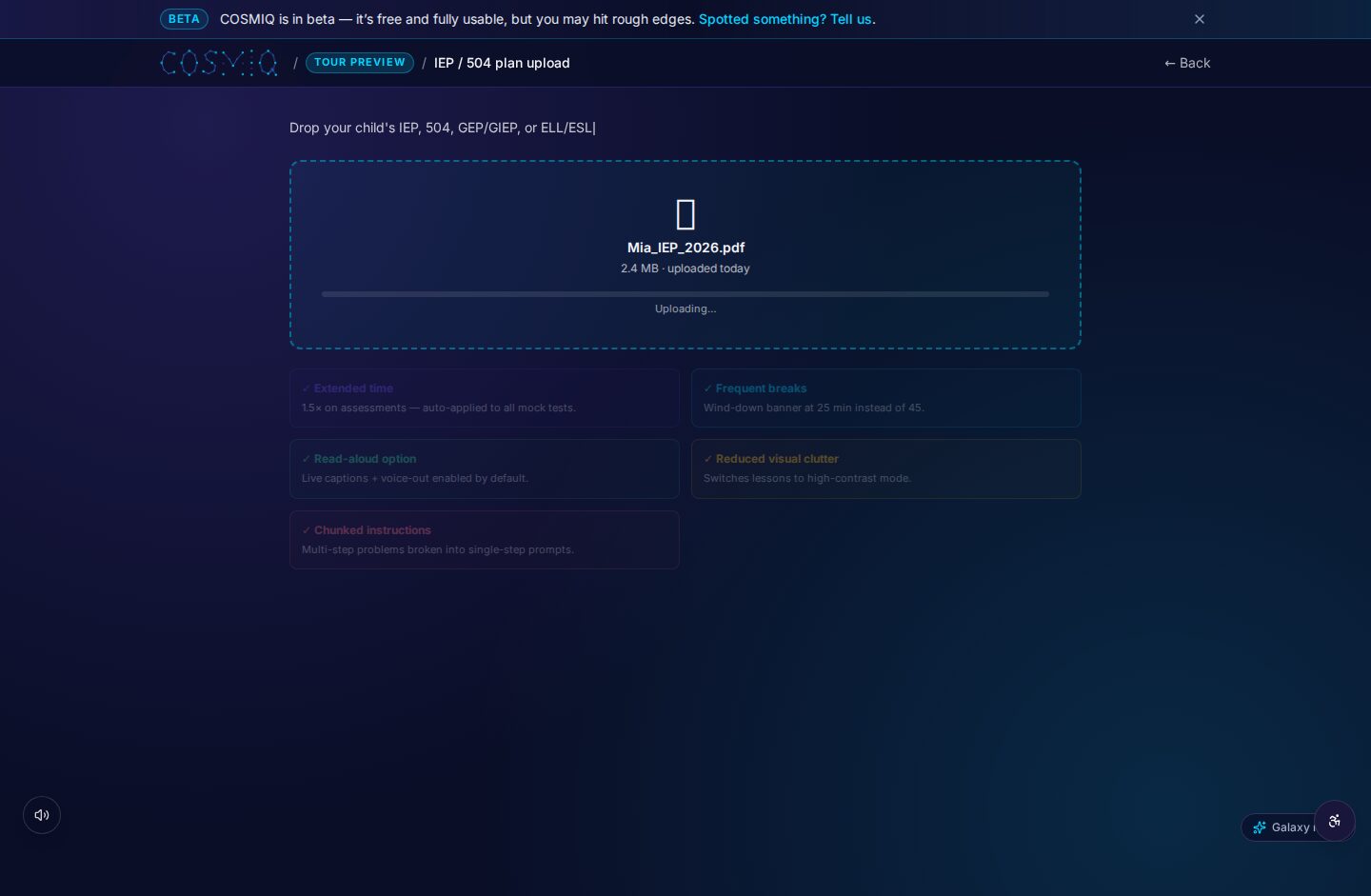
In many cases, schools utilize MTSS-aligned tutoring programs to reinforce learning at this level. These programs are designed specifically for students facing significant challenges. Whether it’s personalized lesson plans or one-on-one tutoring sessions, the focus here is on addressing the underlying issues that have hindered the student’s academic progress. You’re not just putting a band-aid on the problem; you’re tackling it head-on.
Imagine a student struggling with math who has been moved to Tier 3. This student receives one-on-one sessions with a math intervention specialist. They work through specific issues, using manipulatives and tailored exercises that suit the student's learning style. The data from MTSS software shows improvement, but the student still needs extra time to master certain skills. The specialist can adjust the lesson plan based on ongoing assessments, ensuring that the student isn’t just learning but truly understanding.
The Role of Data in MTSS
Data is the backbone of an effective MTSS implementation. From the initial screening phase to Tier 3 interventions, data helps you understand what's working and what's not. It’s not just about numbers; it’s about stories. Each data point can tell you something vital about a student’s learning journey.
Using MTSS software, educators can gather, analyze, and interpret data effectively. This allows for timely adjustments to interventions. For instance, let's say a student in Tier 2 is still struggling despite interventions. Data might show specific areas of difficulty, prompting you to escalate to Tier 3 or modify the strategy before moving up. By being data-driven, you ensure that every decision made is grounded in concrete evidence.
Let’s take a closer look at how data can inform your approach. A teacher might notice that several students are consistently underperforming in reading fluency. The data reveals that these students struggle specifically with decoding words. Armed with this information, the teacher can implement targeted interventions focused on phonics and decoding strategies, rather than simply increasing the reading material’s complexity. This data-driven approach allows for targeted learning that can lead to significant improvements.
Collaboration is Key
Collaboration among staff is essential if MTSS is going to work. Teachers, administrators, and support staff need to be on the same page. Regular meetings should be held to discuss student progress, share insights, and strategize on interventions. Don’t underestimate the power of team discussions; sometimes a new perspective can make a world of difference.
Involving parents and the community is also crucial. Keep them informed about what MTSS is and how it works. Share the data and tell them how their child is doing. If families feel engaged, they’re more likely to support the interventions at home, which can significantly enhance student outcomes.
Consider establishing a collaborative team that meets biweekly to discuss student data and intervention strategies. These meetings can include teachers from various subjects, special education staff, and administrators. By pooling their insights, they can identify trends in student performance and brainstorm creative solutions. For example, if multiple teachers notice a particular student struggling, the team can develop a cohesive intervention plan that includes both academic and behavioral support strategies.
Moving Forward: Best Practices for Implementation
Implementing MTSS effectively can seem daunting, but a few best practices can make the process smoother. First, invest in quality MTSS software that can handle everything from data collection to intervention tracking. Make sure your staff is trained not just on how to use the software, but also on the philosophy behind MTSS. Understanding the 'why' is as important as the 'how.'
Second, begin small. You don’t have to implement MTSS across the entire school at once. Start with a pilot program in one grade or subject area. This allows you to refine your approach before a full-scale rollout. Once you see positive outcomes, you can expand to other areas.
Third, involve your community. Engage with parents and local organizations to create a supportive network. Host workshops to explain MTSS and its benefits, helping everyone understand their role in the success of the system. When the community is on board, it makes a world of difference.
Finally, keep the lines of communication open. Regular feedback sessions can help identify what's working well and where adjustments are needed. MTSS isn’t a set-it-and-forget-it system; it requires ongoing evaluation and modification. It’s about creating a culture of continuous improvement.
In the end, the aim is clear: to provide every student with the support they need to succeed academically and socially. By implementing MTSS thoughtfully, you’re setting the stage for a more inclusive and effective educational experience for everyone.
Challenges and Solutions in MTSS Implementation

Despite the clear benefits, implementing MTSS isn’t without its challenges. One common issue is resistance from staff who may feel overwhelmed by the additional responsibilities. It’s crucial to foster a culture of collaboration and support, encouraging teachers to see MTSS not as another burden, but as a powerful tool for enhancing student learning.
To combat this resistance, provide adequate training and resources. Professional development days can be dedicated to understanding MTSS framework, its tiers, and effective intervention strategies. Sharing success stories from other schools can also inspire and motivate staff.
Let’s take a deeper look. Suppose a school is rolling out MTSS, and teachers are apprehensive. A principal might create a mentorship system where experienced teachers who have successfully implemented MTSS guide their peers. This peer support can demystify the process, making it feel more manageable.
Another challenge is ensuring fidelity to the MTSS model. Sometimes, educators may inadvertently skip steps or make modifications that dilute the effectiveness of interventions. Regular monitoring and feedback can help maintain fidelity. For example, schools can schedule fidelity checks where administrators observe interventions in practice and provide constructive feedback.
Integrating Technology in MTSS
In today’s digital age, technology can significantly enhance the MTSS framework. Beyond just MTSS software for tracking interventions, technology can help personalize learning experiences for students. Think about the potential of adaptive learning platforms that adjust content according to a student’s mastery level.
For instance, using online assessment tools can help educators gather real-time data on student performance. These tools can identify learning gaps and recommend specific interventions based on each student’s needs.
Consider a scenario where a school integrates an online reading program as part of their MTSS. Students who struggle can access personalized content that adjusts in difficulty as they progress, while teachers receive analytics on student engagement and areas needing improvement. This tech-savvy approach not only provides immediate feedback but also enriches the overall learning environment.
Moreover, training staff to utilize these technologies effectively is vital. Schools should offer professional development sessions focused on technology integration, ensuring educators are comfortable using these tools to enhance their instructional strategies. When technology complements traditional teaching methods, the combination can lead to an engaging and responsive educational atmosphere.
Measuring Success: What Does MTSS Look Like?
Ultimately, the effectiveness of MTSS can be measured through student outcomes. Are students meeting their academic goals? Are there reductions in behavior referrals? Tracking these metrics should be an ongoing process.
Schools can establish clear benchmarks at each tier that define success. For example, at Tier 1, we might look for 80% of students to meet proficiency in core subjects. At Tier 2, we could aim for a 50% improvement in targeted skills within a designated timeframe. At Tier 3, the goal could be to see students reach grade-level proficiency by the end of the intervention cycle.
Regular reviews of data and outcomes can help gauge the program's success and identify areas for improvement. Schools can hold quarterly meetings to review this data, involving all stakeholders in the discussion. This collaborative approach ensures that everyone remains focused on student success.
In summary, MTSS effectiveness is ultimately judged by the progress of student learning and well-being. The efforts made to implement MTSS should always circle back to the core mission: to provide every student with the necessary supports to achieve their full potential.
Related resources: multi-tiered system of supports digital · multi-tiered system of supports digital
Learn anything, free.
COSMIQ is a free, voice-driven AI tutor for every learner. No credit card, ever.
Start learning free →