FSRS, Explained: The Algorithm Behind Smarter Review
Understanding Spaced Repetition
If you’ve ever tried to memorize anything, you know the struggle. Just cramming information often leads to forgetting it down the line. But what if there was a method to make that information stick? That's where spaced repetition comes in. At its core, spaced repetition is a learning technique that spaces out review sessions over increasing intervals. Instead of stuffing your brain with information all at once, you learn it more efficiently by revisiting it at strategic times. This way, you reinforce your memory right before you’re about to forget.
Consider this: research shows that the human brain has a remarkable ability to retain information when it encounters it multiple times over a period. By spacing these reviews apart, you’re harnessing the brain’s natural forgetting curve. This curve illustrates that information is lost unless it is actively recalled and reviewed at specific intervals. Spaced repetition is not just a theory; it's backed by science and has been effectively used in various learning environments, from classrooms to self-study.
The FSRS App: A New Approach to Spaced Repetition
Enter the FSRS app, an innovative tool designed to utilize this spaced repetition method. Unlike traditional flashcard apps, the FSRS app relies on an advanced algorithm that optimizes your review sessions based on your performance. It takes into account how well you know each piece of information and adjusts the timing of your reviews accordingly. This means that if you struggle with a particular concept, the app will present it to you more frequently until you grasp it. The FSRS app isn’t just another spaced repetition study app; it’s a tailored learning experience.
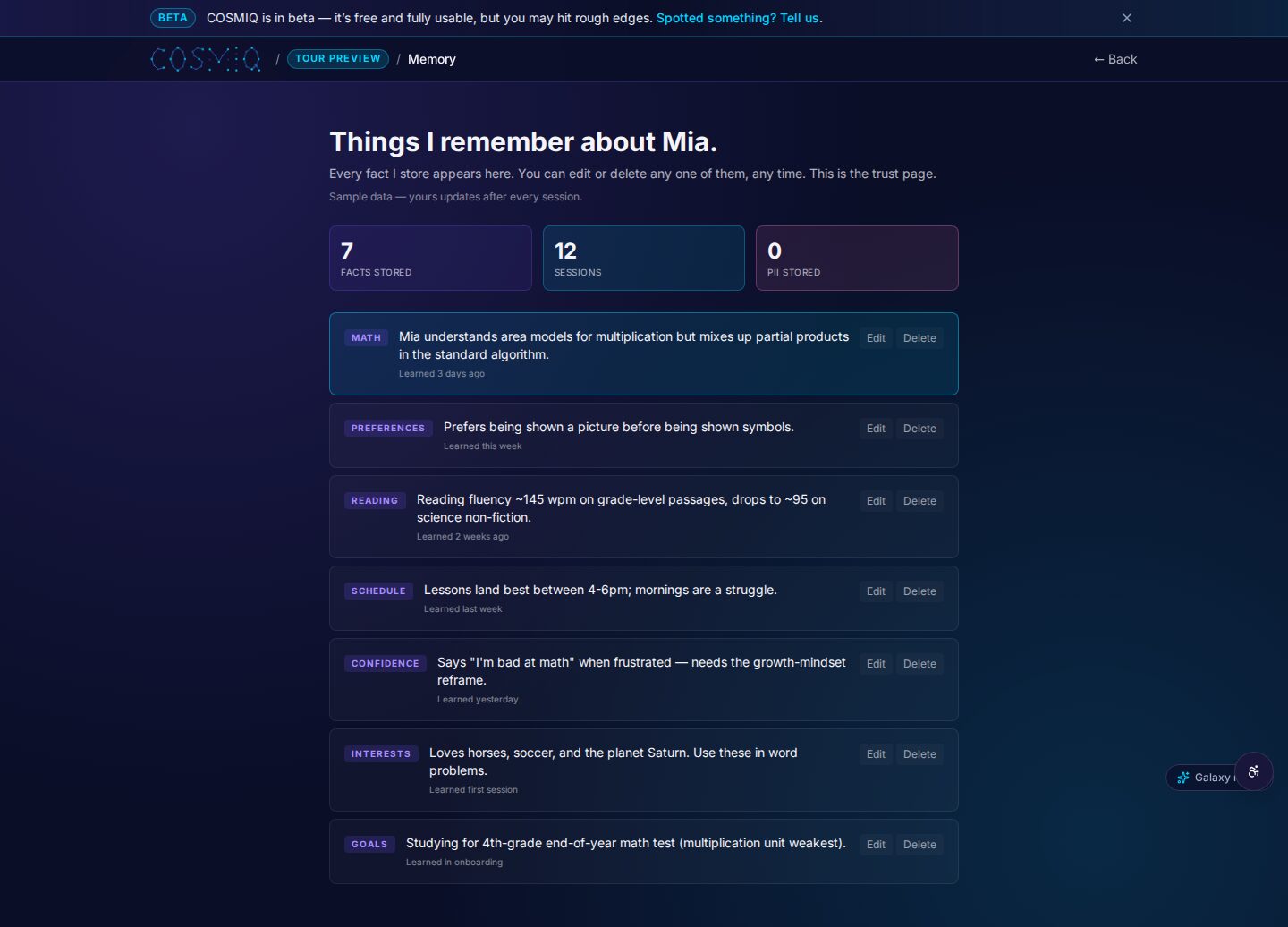
What makes FSRS stand out is its emphasis on user feedback. As you engage with the app, every interaction is a data point for improving your learning experience. This adaptive nature is essential for effective learning. It transforms the monotonous routine of studying into a dynamic journey where the app learns about your habits and preferences. You’re not just memorizing; you’re participating in a process that evolves over time.
How the FSRS Algorithm Works
At the heart of the FSRS app is its unique algorithm. When you input a new fact or concept, the app begins to track your familiarity with that information. Each time you review, you rate how well you remembered it. The algorithm processes these ratings to determine the optimal time for your next review. So, if you scored a concept as easy, you might see it again in a week. But if you struggled, the app could schedule it for tomorrow. The dynamic nature of this algorithm makes it a powerful learning tool.
This is where the FSRS app shines compared to other options, including popular Anki alternatives. While Anki uses a fixed algorithm that only considers the last response, the FSRS app adjusts more fluidly. It’s not just about seeing a card again; it's about seeing it at the perfect moment when your memory needs that boost.
For example, let’s say you’re studying a language and come across a difficult verb conjugation. You rate it low on familiarity, and the FSRS app responds by scheduling that conjugation for review the next day, and then again in two days, and gradually spaces it out as you start to remember it. This responsiveness helps ensure that you’re not left floundering with difficult material for too long, nor are you wasting time on cards you’ve already mastered.
Benefits of Using FSRS
Why choose the FSRS app? For starters, it’s free. Many spaced repetition apps come with costs that can add up over time, especially if you want to unlock advanced features. FSRS is a free SRS app, making it accessible for anyone who wants to improve their learning without breaking the bank.
Moreover, the customization options are impressive. Within the app, you can tweak settings to fit your learning style. Want to focus more on certain subjects? You can prioritize those cards. Prefer a less frequent review schedule? Adjust it easily. This flexibility allows the FSRS app to cater to a variety of learners, whether you’re studying for an exam or trying to pick up a new language.
Another critical benefit is the user experience. The interface is designed to be intuitive. You don’t need a degree in computer science to navigate it. You can jump into your studies without getting bogged down by technical hurdles. This simplicity can make a significant difference, particularly for those who may feel overwhelmed by technology. You want your focus to be on learning, not figuring out how to use the app.

Comparing FSRS to Other Spaced Repetition Apps
When you stack the FSRS app against others in the market, what do you find? Anki has been the gold standard for many years. It offers an array of plugins and has a huge user community. However, its learning curve can be steep for newcomers. The FSRS app, on the other hand, presents a user-friendly interface that makes it easier to jump right in and start learning.
Another big name is Quizlet, which is great for collaborative studying but lacks the advanced spaced repetition features that FSRS provides. If you’re serious about retaining information, you’ll want a spaced repetition study app that’s built specifically for that purpose, and FSRS truly delivers. It focuses on individual learning, ensuring that you’re not just memorizing but actually understanding the material.
Let’s consider those who want a balance between collaborative learning and spaced repetition. While Quizlet excels in group settings, FSRS provides an individual approach that is more effective for long-term retention. For example, if you were preparing for a competitive exam like the MCAT, FSRS would allow you to focus intensely on the most challenging topics, while Quizlet might disperse your attention across a broader range of less critical material.
Real-Life Applications of FSRS
You might be wondering: How can I apply the FSRS app in my daily life? Let’s break it down. If you’re a student, you can use it to master vocabulary for your language class. Instead of memorizing words in bulk right before a test, you’ll build your vocabulary steadily over time. How effective would that be? Imagine walking into an exam knowing that you’ve consistently reviewed the material over weeks or even months.
But it’s not just for school. Professionals can also benefit. If you’re in a field that demands constant learning—like medicine or technology—using a spaced repetition app can help you keep up with new information and trends. Instead of relying on passive reading, you actively engage with the material, making it more likely to stick.
Consider a medical student preparing for board exams. The curriculum is vast and challenging, with new studies and techniques emerging frequently. By integrating the FSRS app into their study routine, they can focus on high-yield information that they find particularly difficult, ensuring they are not just passively skimming through textbooks but genuinely retaining critical knowledge.
Integrating FSRS into Your Study Routine
So, how do you make the most of the FSRS app? First, set aside dedicated time for reviews. Consistency is key. Make it a habit to review your cards daily, even if it’s just for a few minutes. The app rewards regular engagement, so the more frequently you review, the better your retention will be.
Second, focus on quality over quantity. You don’t need to cram hundreds of cards in one session. Instead, concentrate on a smaller number of cards that challenge you. Remember, the FSRS app is designed to adapt to your needs, so by feeding it quality input, you get quality results.
To build a solid foundation, try to create a study schedule that allows for multiple review sessions each week. For example, if you’re preparing for a language exam, you might designate Monday, Wednesday, and Friday for vocabulary review, while utilizing Tuesday and Thursday for grammar. This combination leverages the FSRS app's strengths and provides a structured approach that reinforces learning across different aspects of the language.
The Future of Learning with FSRS
What does the future hold for spaced repetition and apps like FSRS? As technology continues to evolve, we’re likely to see even more personalized learning experiences. Imagine an app that can analyze your study habits in real-time, making adjustments on the fly based on your focus and distraction levels. That’s the power of data, and it’s on the horizon.
For now, the FSRS app stands out as a valuable tool in the world of education. By using an algorithm that genuinely understands your learning style, it makes the process of retention not just easier, but more effective. If you haven’t tried it yet, why not give it a shot? You might be surprised at how much you can learn.
Community and Support Around FSRS
A crucial aspect of learning is not just the tools you use but the community you engage with. The FSRS app has fostered a growing community of users who share tips, study materials, and best practices. Engaging with this community can enhance your learning experience significantly. You’ll find forums and social media groups where users discuss their strategies for success, troubleshoot common issues, and even share their flashcards.
Being part of a community can also provide motivation. When you see others achieving their goals and overcoming challenges, it inspires you to push through your own learning hurdles. You’re not alone in your journey; there are others out there striving for the same results, and tapping into that collective knowledge can really bolster your efforts.
Take advantage of user-generated content within the FSRS space. Many users share their custom decks for specific subjects or exams. For instance, if you’re studying for the GRE, you might find comprehensive decks that cover all the vocabulary and math concepts commonly tested. This not only saves you time in creating your own materials but also exposes you to high-quality content tailored for your needs.
Overcoming Challenges with FSRS
While FSRS offers a powerful approach to learning, like any tool, it comes with challenges. One common issue users face is consistency—maintaining regular review sessions can be tough amidst a busy schedule. To overcome this, try setting reminders or integrating the app into your daily routine. For instance, you might decide to use FSRS during your commute or while waiting for appointments. Finding those pockets of time can make a big difference.
Another challenge can be the initial setup. Users may feel overwhelmed when they first start using the app, especially if they have a wealth of material to input. A good strategy is to start small. Instead of importing every flashcard you think you might need, begin with the most critical concepts. As you become more comfortable with the app and your routine solidifies, gradually introduce more material.
Finally, it’s essential to evaluate your progress. Regularly assess how well your study sessions are translating into retained knowledge. You might find that certain strategies work better than others, or that some subjects need more focus. The FSRS app’s built-in analytics can help with this. By understanding your strengths and weaknesses, you can adapt your study sessions to maximize your learning outcomes.
Related resources: spaced repetition app · Anki alternative · Anki alternative · free SRS app
Learn anything, free.
COSMIQ is a free, voice-driven AI tutor for every learner. No credit card, ever.
Start learning free →