Harvard's AI Clones: What It Means for Trust, Reputation, and the Future of Learning

The news that Harvard University is reportedly offering a course featuring AI clones of its professors has ignited a significant discussion within the education community. This innovative approach, as highlighted by the Driving Force Institute, prompts us to consider the profound implications for how we perceive academic integrity, the reputation of esteemed institutions, and the very nature of the student-teacher relationship in an increasingly digital world.
According to communications expert and education nonprofit CEO Dr. Patrick Riccards, founder of the Driving Force Institute, this move by Harvard brings to the forefront a series of questions that extend beyond technological capability. Dr. Riccards, a strategic communications and public engagement expert with decades of experience, emphasizes the need to examine the potential effects on trust and reputation when AI personas step into the instructional role.
Navigating the Nuances of AI Instruction
The concept of an AI-driven professor, while offering scalability and accessibility, introduces a new dynamic to the learning experience. Dr. Riccards and the Driving Force Institute encourage a thoughtful exploration of how an AI version of a professor might affect the actual professor’s reputation and the trust students place in their guidance, even if the human educator isn't directly speaking in every interaction. It's a delicate balance between leveraging cutting-edge technology and preserving the established value of human expertise and mentorship.
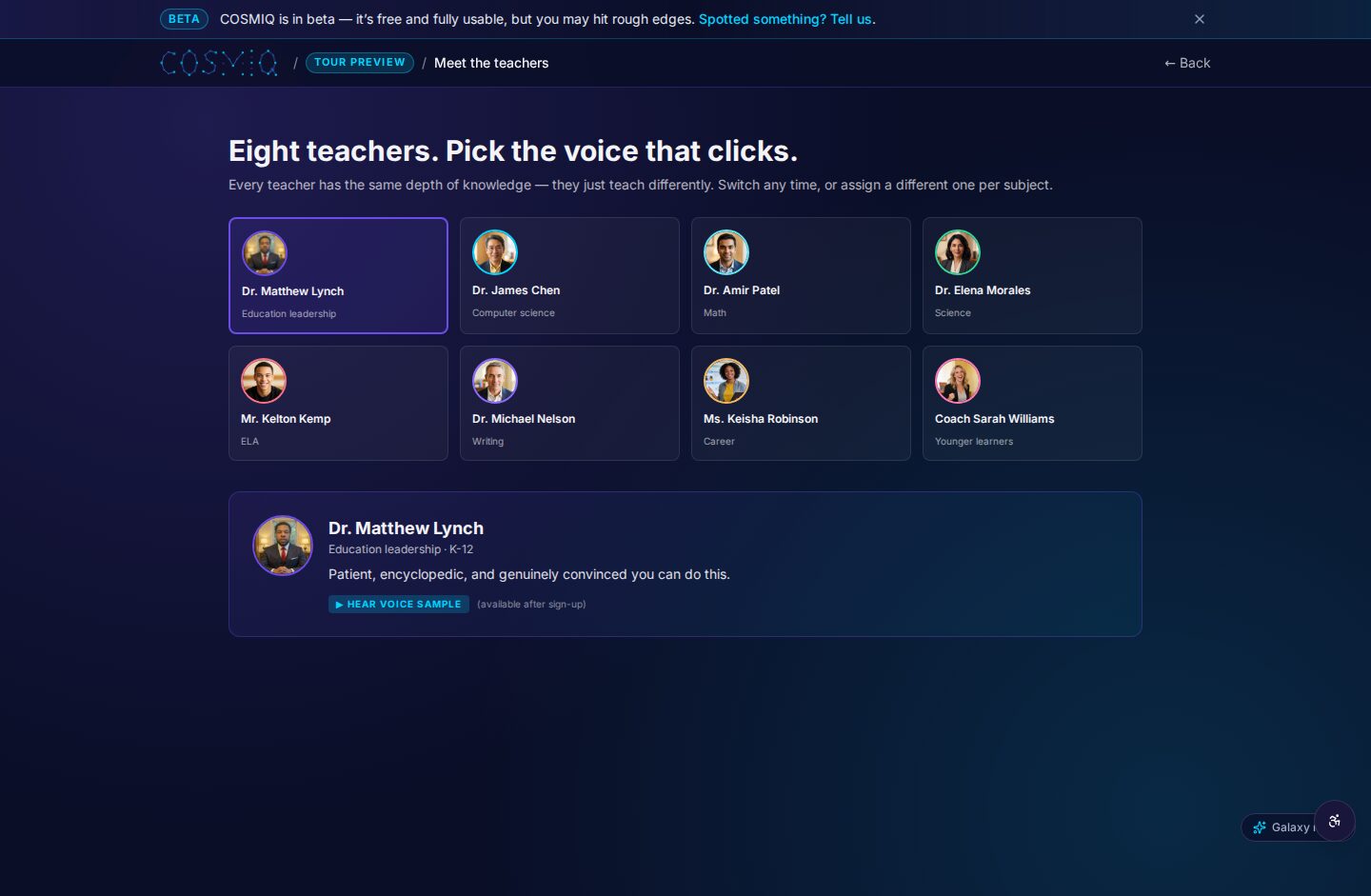
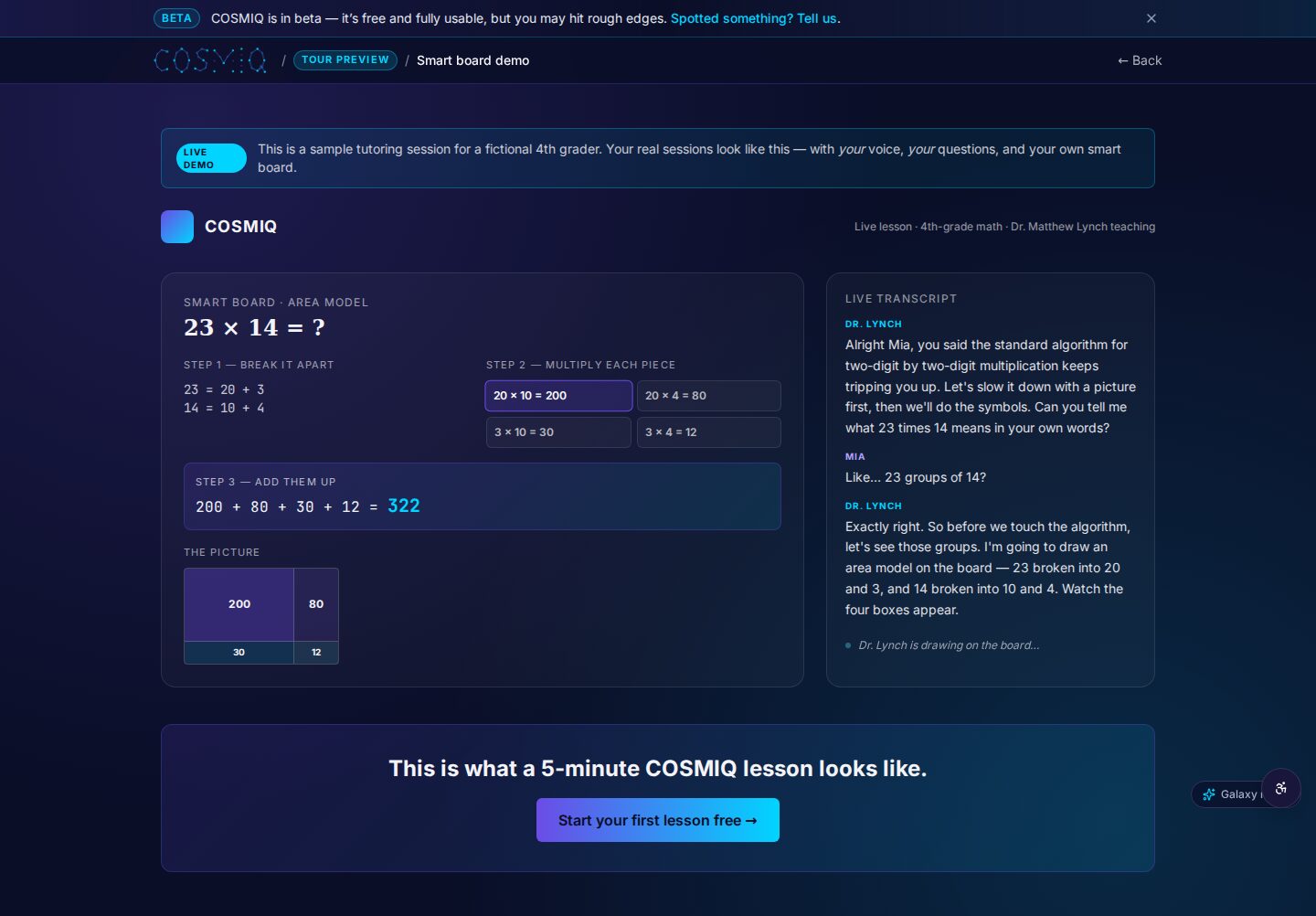
For students, this shift could mean a different kind of engagement. While AI tutors, like COSMIQ's free voice AI tutoring for K-12 students, can provide invaluable supplementary support and personalized practice, the core relationship with a human professor often involves nuanced discussions, real-time feedback, and the development of critical thinking skills through direct interaction. The Driving Force Institute's work underscores the importance of considering these factors as educational institutions embrace AI.
The Value of Human Connection in Learning
A central theme in the discussion surrounding AI professors is the potential impact on the irreplaceable human connection in education. Dr. Riccards raises the point of what schools might risk when the convenience and scale offered by AI begin to replace direct interaction between students and educators. This isn't merely about content delivery; it's about the mentorship, the spontaneous insights, and the sense of community that human instructors foster.
Many educators believe that the prestige of well-respected organizations is built not just on the curriculum they offer, but on the caliber of their faculty and the quality of the interactions students have with them. The Driving Force Institute suggests that replacing human connection with avatars could potentially diminish this prestige. While AI can certainly enhance learning by providing instant answers and tailored explanations, it's the human element that often inspires, challenges, and guides students through complex concepts and personal growth.
Consider the role of a teacher in a K-12 classroom or a professor in a university lecture hall. Beyond delivering information, they act as mentors, facilitators of discussion, and evaluators of deeper understanding. These roles involve empathy, adaptability, and the ability to read a classroom's energy – qualities that even the most advanced AI is still developing.
Trust, Reputation, and the Future Landscape
The questions posed by the Driving Force Institute about trust and reputation are particularly resonant for parents and teachers. Parents often seek out institutions not just for their academic rigor, but for the quality of the teaching staff and the supportive learning environment. Teachers, on the other hand, understand the immense effort involved in building rapport and trust with students, which is crucial for effective learning.
As AI continues to integrate into education, institutions face the challenge of clearly communicating how these technologies are used and what role human educators continue to play. Transparency will be key to maintaining trust. The Driving Force Institute's focus on strategic communications in this evolving landscape is particularly relevant, emphasizing how institutions manage public perception in the face of such significant technological shifts.
For students preparing for exams or needing extra help, AI tools like COSMIQ offer accessible support. For example, our exam prep directory provides resources for standardized tests, complementing traditional instruction. However, the foundational trust in a human educator's judgment and guidance remains a cornerstone of academic development.
Conclusion
The emergence of AI-taught courses, as exemplified by Harvard's reported initiative, marks a pivotal moment in education. The Driving Force Institute, through the insights of Dr. Patrick Riccards, has effectively framed the critical questions that arise concerning trust, reputation, and the irreplaceable value of human interaction in learning. As we move forward, the conversation must center not just on what AI can do, but on how it can best serve students and educators while preserving the core values of academic excellence and human connection. The goal, ultimately, is to harness technology's power to enhance, rather than diminish, the rich tapestry of the educational experience.
Learn anything, free.
COSMIQ is a free, voice-driven AI tutor for every learner. No credit card, ever.
Start learning free →