Hawaii Strive HI Predictor

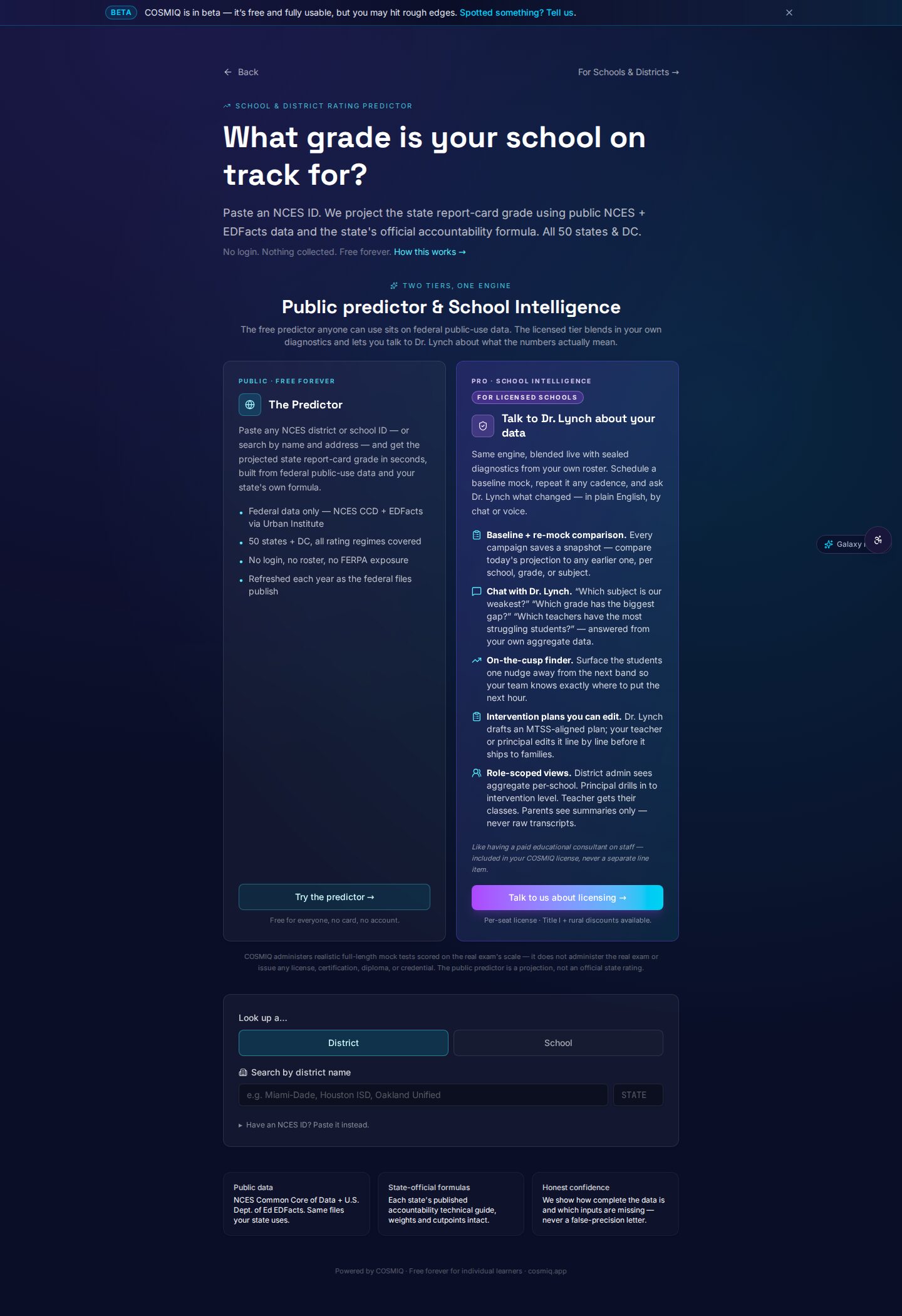
Navigating the educational landscape in Hawaii can be a daunting task, especially for parents and students trying to make informed decisions about schooling. Understanding how schools are evaluated is crucial. That’s where the Hawaii Strive HI Predictor comes into play. This tool gives you a glimpse into the performance of schools across the state, providing essential insights into how well they're serving students.
What is the Strive HI System?
The Strive HI system is Hawaii's accountability system for public schools, designed to assess and improve student outcomes. It uses a variety of metrics to evaluate school performance, including student achievement scores, growth, and readiness for college and careers. The ultimate goal is to ensure every student has access to a high-quality education that prepares them for future success.
But how does this all work in practice? The Strive HI system assigns schools a rating based on their performance in several key areas. These ratings can be found easily through the Hawaii school report card. These report cards provide a wealth of information on everything from test scores to attendance rates, giving parents and educators a clearer picture of how well a school is doing.
To further illustrate, consider how the Strive HI system operates in comparison to other states. Many states have their accountability systems, often driven by standardized testing results. Hawaii’s approach, however, seeks not just to evaluate but to enhance educational quality. The state looks at various factors including student engagement, teacher effectiveness, and parental involvement, which are all intertwined with academic results. This multifaceted approach makes the Strive HI system unique and reflects the diverse needs of Hawaii's student population.
Understanding Hawaii School Report Cards
The Hawaii school report card is an invaluable resource. It offers a snapshot of school performance, showcasing data like test scores, graduation rates, and even college readiness. The report card can help you gauge how a school is performing compared to others in the area.
Each school’s report card is broken down into several sections, detailing specific metrics that contribute to the overall rating. For instance, if you’re curious about a school’s proficiency in math or reading, you’ll find that information right there. These details can help you make a more informed decision when considering where to send your child to school.
To make the most of the Hawaii school report card, it’s essential to know how to interpret the data presented. Not all schools are the same; factors such as student demographics and community resources can significantly impact performance. For instance, a school with a high percentage of students from low-income families may face challenges that influence its scores. Understanding these nuances makes you more equipped to evaluate a school’s performance.
Additionally, it’s beneficial to compare schools not just within the same district but across the state. This broader perspective allows you to grasp how a school stacks up against others that might have similar resources or challenges. By using the report card strategically, you can align your child's educational needs with schools that are best positioned to support their growth.
The Role of Hawaii School Grades
When you hear about Hawaii school grades, it's essentially the scoring system derived from the Strive HI evaluations. Each school receives a letter grade that reflects its overall performance. These grades are not just arbitrary letters; they represent tangible outcomes in student learning and achievement.
For example, a school with an 'A' grade is likely outperforming its peers in areas such as standardized test scores and student growth measures. In contrast, a school with a 'D' grade may be struggling in key areas, which would raise some red flags for parents and the community. It’s a powerful indicator of where to focus support and resources to help improve educational outcomes.
But how do these grades impact school funding and resources? Schools with higher grades often attract more funding and community support, which can lead to better programs and facilities. Conversely, schools that receive lower grades may find themselves in a cycle of underfunding, making it harder for them to improve. This connection between performance grades and resource allocation is critical for understanding how educational quality can vary significantly across the state.
Furthermore, the grades also serve as a rallying point for schools to improve. When a school receives a lower grade, it often sparks discussions among educators, parents, and community members about how to address the underlying issues. This collective effort can lead to innovative solutions and strategies aimed at improving student performance, enhancing the overall educational landscape.
How the Predictor Works
Now, let's talk specifics about the Hawaii Strive HI Predictor. This tool uses historical data to project future performance. By analyzing trends in test scores, attendance, and other metrics, it provides predictions about how a school will perform in the upcoming school year.
For instance, if a school has consistently improved its test scores over the last few years, the predictor might forecast that trend continuing. On the other hand, if there has been a decline, the tool could indicate a potential slide in performance. This predictive capability is essential for parents and educators who want to stay ahead of the curve.

Understanding how to use the predictor effectively requires looking at several factors. For example, it’s crucial to pay attention not just to the average test scores, but also the growth metrics. A school that shows consistent growth may indicate that teachers are effectively supporting student learning, even if their absolute scores aren't the highest.
Another component to consider is the demographics of the student body. A school serving a diverse population may face unique challenges that affect its performance metrics. The predictor can help you contextualize these challenges by comparing trends across similar schools. If schools with similar demographics are showing growth, then it's a good sign that effective strategies are in place.
The Importance of Longitudinal Data
One of the most significant advantages of the Strive HI Predictor is its reliance on longitudinal data. By looking at performance over several years, rather than just snapshots from a single year, the predictor offers a more nuanced view of school effectiveness. This approach allows stakeholders to identify trends and patterns that might otherwise remain hidden.
For example, a school that experienced a dip in scores one year might not be as concerning if it's part of a larger upward trend over the past five years. Understanding the context behind these numbers is vital. It encourages a more comprehensive conversation about what’s working and what isn’t, fostering a culture of continuous improvement.
In practice, using longitudinal data means looking at how students who entered a school at the same time perform over the years. If a school consistently supports students and helps them grow academically, it should reflect in the longitudinal data, even if there are ups and downs in specific yearly scores.
This data-driven approach also supports accountability. When schools are measured against their historical performance, it provides a clearer picture of whether changes in teaching methods, curriculum, or resources are making a difference. For educators, this encourages a mindset focused on growth, rather than simply meeting short-term goals.
Navigating School Choices with the Predictor
So how can you leverage the Hawaii Strive HI Predictor when making school choices? First, it’s crucial to familiarize yourself with the data presented in the report cards and grades. Look for schools that have consistently high grades and positive trends in the predictor.
Additionally, consider visiting schools you're interested in. Talk to teachers, administrators, and even other parents. The data is one piece of the puzzle, but the on-the-ground reality of a school can reveal a lot more than numbers alone. After all, a supportive environment is just as important as academic performance.
When you visit schools, pay attention to the atmosphere. Are students engaged? Do teachers seem passionate about their subjects? Are there resources available for students needing extra help? These qualitative aspects can significantly influence a child’s educational experience. You might find a school with slightly lower scores but a nurturing environment that helps children thrive.
Moreover, consider the extracurricular offerings. Schools that provide a range of activities beyond academics can enrich your child's education and foster valuable life skills. Whether it’s sports, arts, or clubs, these opportunities can enhance the overall educational experience and provide insights into the school's culture.
Addressing Concerns and Challenges
While the Strive HI system and its predictor tool provide invaluable insights, it's essential to recognize that they’re not without limitations. No system is perfect, and there are valid concerns about over-reliance on standardized testing. Critics argue that these tests can sometimes fail to capture the complete picture of a student’s abilities or a school’s effectiveness.
Moreover, there are varying challenges across different schools. For instance, schools in underserved areas may face obstacles like lack of resources, which can impact their grades and overall performance on the Hawaii school report card. Addressing these inequities is crucial for ensuring all students have the opportunity to succeed.
To tackle these challenges effectively, it’s essential for communities, educators, and policymakers to work collaboratively. Local initiatives aimed at providing additional resources to low-performing schools can help bridge the gap. Programs focused on professional development for teachers, tutoring for students, and parental engagement can create a more supportive educational environment.
Furthermore, addressing the emotional and psychological needs of students is just as important as academic support. Schools that recognize and cater to the diverse needs of their students, including mental health resources, can create a more conducive learning environment. This holistic approach ensures that educational assessments account for the overall well-being of students, not just their test scores.
Future Trends in School Performance Assessment
Looking ahead, it’s clear that the landscape of school assessment is evolving. As education continues to adapt to changes in society, technology, and student needs, so too will the metrics used to evaluate schools. The Strive HI system is likely to undergo revisions as educators seek to create a more holistic approach to student assessment.
This could mean incorporating more qualitative data, such as student engagement and social-emotional learning, into the equation. By broadening the criteria for success, schools can better serve their populations and foster learning environments that go beyond mere test scores.
Additionally, technology is poised to play an increasingly significant role in educational assessment. As data collection becomes more sophisticated, schools may utilize real-time analytics to monitor progress and adapt strategies more quickly. This could lead to more personalized learning experiences, allowing teachers to tailor their approach to meet the individual needs of students.
In the end, the Hawaii Strive HI Predictor is a powerful tool for parents, educators, and policymakers alike. By understanding how it works and utilizing the information it provides, you can make more informed decisions that impact your child’s education.
Engaging with the Community for Better Outcomes
One angle worth exploring is the role of community engagement in enhancing school performance. Schools don’t exist in a vacuum; their success is often linked to the broader community's support and involvement. Parents, local businesses, and community organizations can all play a part in fostering a thriving educational environment.
Consider initiatives like partnerships between schools and local businesses that can provide resources or mentorship opportunities. For instance, a local tech company might sponsor coding workshops at a school, helping students acquire relevant skills while also boosting the school's standing in the community. These partnerships can enhance educational offerings and also provide students with real-world experiences that make learning more meaningful.
Additionally, community forums and workshops can facilitate dialogue between educators and parents about how to improve student outcomes. By bringing stakeholders together, schools can gather valuable feedback and insights from those directly affected by educational policies.
Ultimately, creating a culture where education is seen as a shared responsibility can lead to better outcomes for students. When everyone from teachers to parents to community members takes an active role, the entire educational ecosystem can flourish.
Final Thoughts on Using the Strive HI Predictor Effectively
As you consider the Hawaii Strive HI Predictor and its implications, remember to approach the data holistically. It’s not just about numbers; it’s about the stories behind those numbers. Schools are made up of students, teachers, and communities, all of whom contribute to the educational experience.
Engagement, context, and a commitment to continuous improvement are key. By not only relying on the Strive HI data but also involving yourself in school activities and discussions, you can contribute to a positive educational environment for your child. Information is powerful, but it’s how you use that information that truly counts.
Lastly, as you navigate through the complexities of education in Hawaii, keep in mind that your involvement matters. Whether you’re a parent, educator, or community member, every effort can make a difference in shaping the future of education.
Related resources: hawaii school grades
Learn anything, free.
COSMIQ is a free, voice-driven AI tutor for every learner. No credit card, ever.
Start learning free →