How AI Skills Are Reshaping Postgraduate Education

Artificial intelligence is changing postgraduate education not simply by adding new software to classrooms, but by changing what it means to research, write, solve problems, and prepare for work. Whether a student is pursuing a master’s degree, doctorate, professional qualification, or specialist certificate, AI skills increasingly sit alongside subject knowledge, critical thinking, and communication. The important question is no longer only “Can you use AI?” It is “Can you use it thoughtfully, transparently, and well?”
AI literacy is becoming a core postgraduate skill
AI literacy is broader than knowing how to write a prompt. At postgraduate level, students need to understand what an AI system can do, where it may fail, and how to assess its output against disciplinary standards. A useful answer generated in seconds is not necessarily a reliable, original, or appropriate answer for a thesis, clinical report, legal analysis, lesson plan, or business recommendation.
In practice, AI literacy often includes the ability to:
- describe a task clearly and provide relevant context;
- ask follow-up questions that improve an initial response;
- check claims against credible primary and scholarly sources;
- identify gaps, bias, oversimplification, or fabricated citations;
- protect confidential, personal, and unpublished information;
- document AI use when a course, supervisor, or institution requires it.
These habits are valuable in every field. A data science student may use AI to explore code or explain an error message. A history student may compare interpretations of a source. A teacher in a postgraduate education program may draft differentiated activity ideas. In each case, the student remains responsible for the judgment behind the final work.
Programs are adapting beyond computer science
AI-related learning is no longer limited to technical degrees. Postgraduate programs in health, law, education, business, design, public policy, social sciences, and the humanities are increasingly confronting AI’s practical and ethical implications. This does not mean every student must become a machine-learning engineer. It means graduates need enough understanding to participate intelligently in AI-shaped workplaces and communities.
Curricula may respond in several ways: adding AI-focused modules, embedding AI case studies into existing subjects, updating assessment rules, or creating interdisciplinary projects. For example, students might evaluate an AI-generated policy brief, discuss the limits of automated feedback, or design a workflow that combines human expertise with AI support.
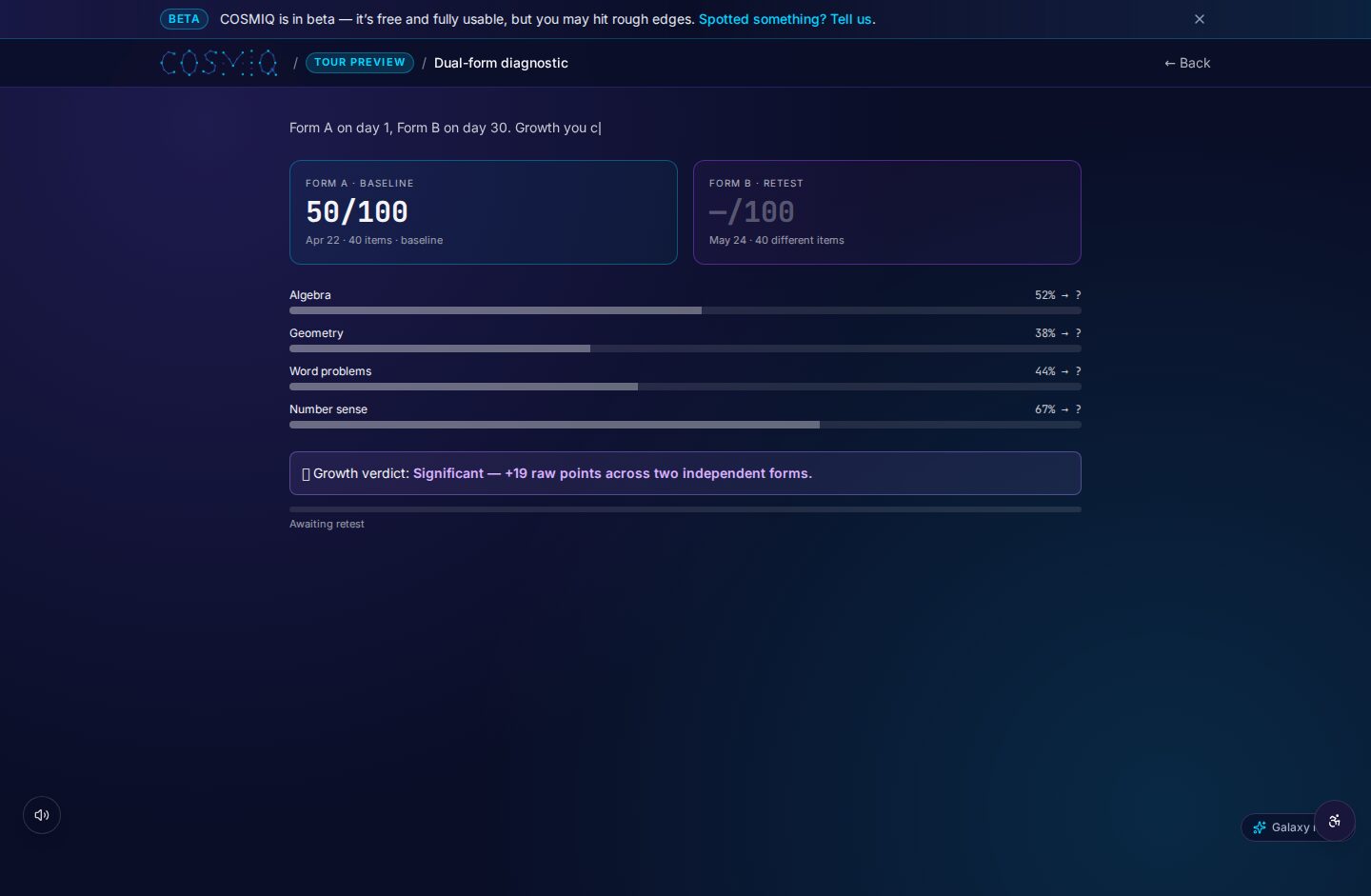
For prospective students, this makes curriculum questions especially useful. Before enrolling, ask how the program addresses AI in your profession, what guidance it provides on ethical use, and whether assessments let you demonstrate independent reasoning as well as practical digital skills.
Assessment is evolving, not disappearing
Generative AI has prompted understandable concerns about authorship and academic integrity. As a result, some postgraduate assessments are moving toward formats that make thinking more visible: oral defenses, research logs, annotated drafts, practical demonstrations, reflective commentaries, and in-class problem solving.
These approaches can be helpful because advanced learning is more than producing polished prose. Supervisors and instructors need to see how a student selected evidence, handled uncertainty, revised an argument, and made decisions. AI may assist with brainstorming, structure, language practice, or feedback, depending on the rules, but it cannot replace a student’s accountability for the work submitted under their name.
Using AI responsibly in postgraduate study
A sensible approach starts with the policies of the institution, department, course, and research supervisor. Rules can differ substantially. Some tasks may permit limited AI support; others may prohibit it entirely. When the guidance is unclear, asking before using a tool is usually the safest choice.
Students can build a responsible workflow with a few practical steps:
- Start with your own purpose. Define the research question, assignment criteria, audience, and argument before asking AI for help.
- Use AI for support, not substitution. Consider it for idea generation, concept explanations, practice questions, outlines, or editing suggestions where permitted.
- Verify everything important. Check facts, quotations, references, calculations, and interpretations using appropriate academic or professional sources.
- Keep your evidence trail. Save notes, drafts, search strategies, data decisions, and feedback so you can explain your process.
- Disclose use when required. Follow the relevant citation or declaration guidance rather than assuming a single rule applies everywhere.
A strong postgraduate submission shows informed judgment: it does not merely repeat the most fluent answer available.
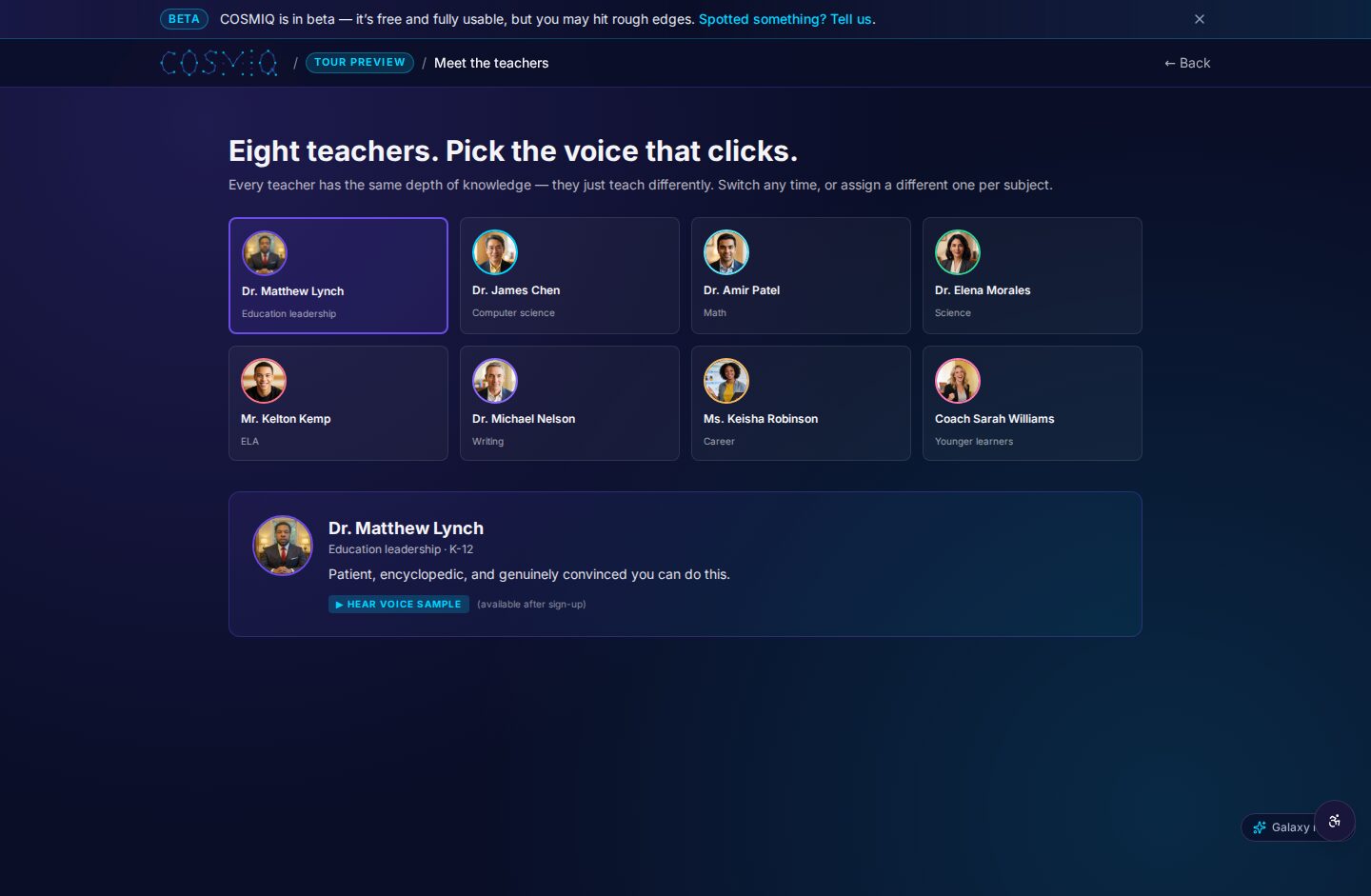
What students, teachers, and parents can do now
Students can treat AI skills as a learnable part of academic practice. Begin with small, low-stakes tasks: ask for an explanation of a difficult concept, generate counterarguments to your draft thesis, or request a study plan. Then compare the result with course materials and identify what needs correction. Voice-driven AI tutoring can also be useful for talking through ideas, rehearsing an oral presentation, or practising retrieval questions, especially when it encourages the learner to explain their reasoning aloud.
Teachers and supervisors can reduce uncertainty by stating clear expectations. Useful guidance specifies which tools are allowed, which stages of work they may support, how use should be acknowledged, and what students should do if an AI output conflicts with a source. Designing tasks around reflection, application, and discussion can further emphasize learning over shortcut-seeking.
Parents supporting postgraduate learners can focus less on policing every tool and more on encouraging sound habits: curiosity, source checking, honest communication, and healthy boundaries around workload. Advanced study can be demanding, and AI is most helpful when it supports planning and understanding rather than adding pressure to produce more.
Preparing for an AI-shaped future
AI skills are reshaping postgraduate education because they are reshaping the environments graduates will enter. The enduring advantage is not flawless automation. It is the ability to frame good questions, evaluate evidence, apply specialist knowledge, communicate clearly, and act responsibly when technology offers a quick answer. Postgraduate learners who develop those capabilities will be better prepared to use AI as one tool among many—and to know when human judgment must lead.
Learn anything, free.
COSMIQ is a free, voice-driven AI tutor for every learner. No credit card, ever.
Start learning free →