How AI Tutoring Fits Your Multi-Tiered System of Supports

As education continues to evolve, the integration of technology is becoming increasingly vital. One of the most promising developments in this realm is AI tutoring. But how does it fit into your multi-tiered system of supports (MTSS)? This approach, designed to provide tailored educational strategies for students based on their individual needs, can benefit immensely from AI-driven solutions. Let’s unpack this.
Understanding the Multi-Tiered System of Supports (MTSS)
Before we dive into AI tutoring, let’s clarify what MTSS is. Essentially, it's a framework that helps educators respond to students’ varying needs through a structured approach. Think of MTSS as a safety net, ensuring that every student gets the support they need, when they need it. It’s divided into three tiers: Tier 1, Tier 2, and Tier 3, each representing different levels of intervention.
Tier 1 is universal support, where all students receive high-quality instruction. It’s your foundational level—think of it as the standard curriculum delivered to everyone. But what happens when some students struggle with this baseline? That’s where Tier 2 comes into play. Here, students who need additional help receive targeted interventions, often in small groups. Finally, Tier 3 offers intensive support for students with significant challenges, often requiring more personalized attention.
Understanding these tiers is crucial for educators because they guide how resources are allocated and interventions are designed. For instance, within Tier 1, schools might implement evidence-based teaching methods and use formative assessments to gauge student understanding. If a significant number of students struggle, educators need to adjust their instructional approaches. When students move into Tier 2, interventions typically become more specialized, often requiring collaboration among teachers, special educators, and support staff. In Tier 3, personalized learning plans become essential, tailored specifically to the individual needs of each student. This structured approach ensures that support is both timely and appropriate, setting the stage for effective intervention.
The Role of AI Tutoring in MTSS
Now, let’s explore how AI tutoring integrates with these tiers. At Tier 1, AI tutoring can help enhance the standard curriculum. Imagine a classroom where students interact with an AI-driven program that adapts to their learning pace. If a student breezes through math concepts, the software can offer advanced challenges, while another student struggling with the basics can receive additional practice and simplifications.
For Tier 2, AI tutoring presents a dynamic intervention tool. Teachers can assign specific tasks or modules targeting the areas where students struggle. Say a student is having difficulty with reading comprehension. An MTSS-aligned tutoring program can deliver customized activities that hone in on that specific skill, allowing the student to progress without feeling overwhelmed. This kind of focused intervention is not just efficient; it’s often more effective than traditional methods.
Consider a student named Jake, who struggles with math word problems. With AI tutoring, he can access interactive modules that break down complex problems into manageable parts. He might start with simple, direct questions that help him build confidence. As he masters those, the AI ramps up complexity, ensuring he’s always challenged yet not frustrated. This personalized pacing is essential because it recognizes that not all students learn at the same speed or process information in the same way.
Why Choose MTSS Software?
Utilizing MTSS software is a game-changer for educators. With AI tutoring software, teachers can track student progress in real time. These tools often come equipped with analytics that highlight which students need additional help and what specific skills are lacking. Educators can make informed decisions quickly, implementing necessary interventions before students fall too far behind.
Moreover, MTSS software also fosters a collaborative environment. Teachers can share insights with one another about which interventions are working and which aren’t, creating a rich resource pool. When a student moves between tiers, the software retains their progress, ensuring a smooth transition and continuity in learning. This level of data-driven decision-making is crucial in a system that aims to address the diverse needs of students.
Let’s say a school uses a specific MTSS software to manage its interventions. Each teacher can log student progress, not just for academic subjects but also for social-emotional skills. When the school holds its monthly data review, teachers can discuss strategies that worked for certain students, allowing for a more holistic view of education that encompasses academic performance and well-being. This kind of collaboration fosters a stronger support system not just for students but for educators as well.
Benefits of Multi-Tiered System of Supports Digital Solutions
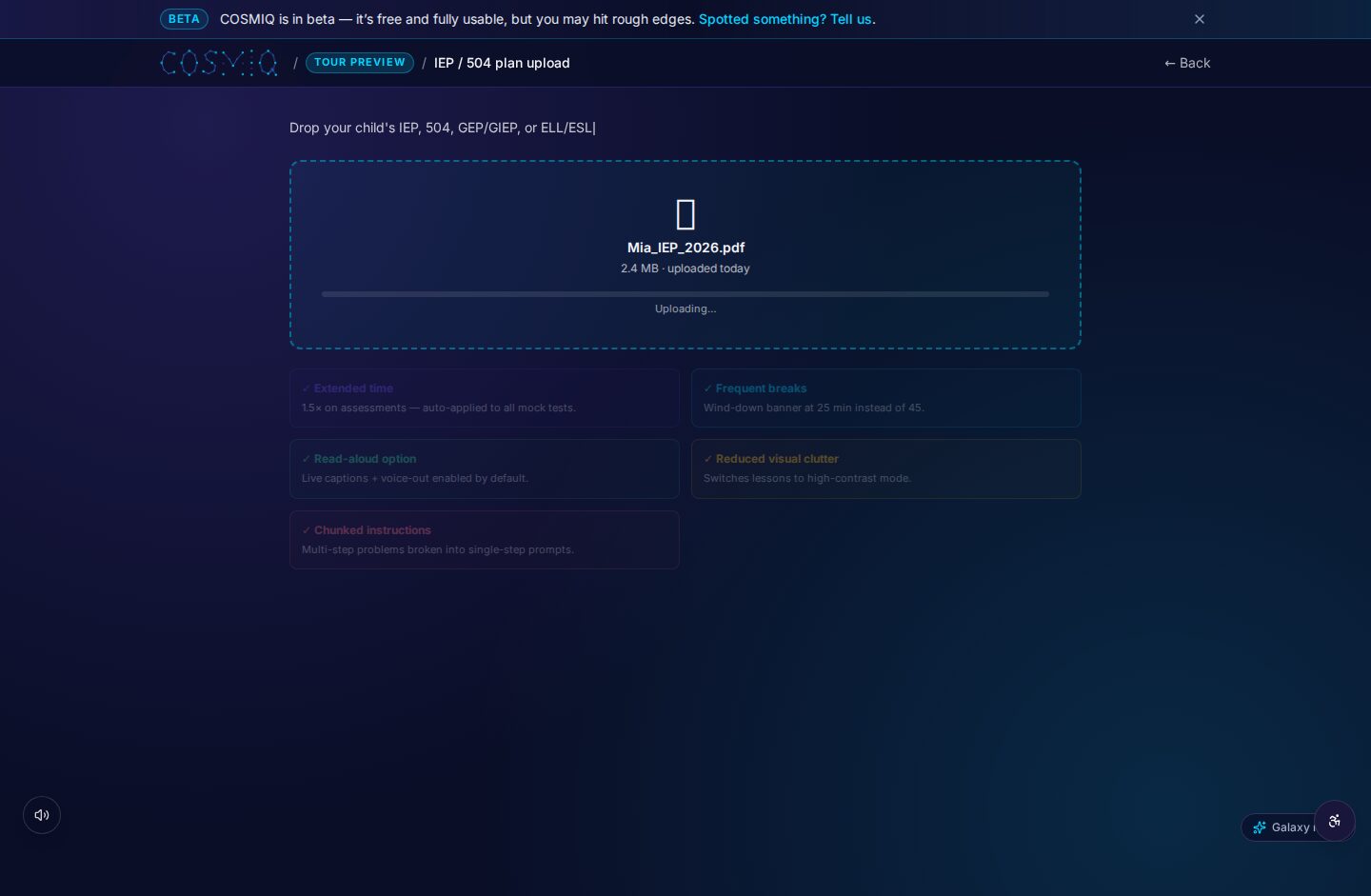
Digital solutions in MTSS create a proactive approach to education. Instead of reacting after a student has significantly fallen behind, educators can identify and address issues as they arise. AI tutoring fits neatly into this model. It’s not just about delivering content; it’s about assessing needs and responding in kind.
One of the most significant benefits of these digital solutions is scalability. Traditional methods can be resource-heavy, requiring extensive personnel hours and materials. In contrast, AI tutoring programs can engage hundreds of students simultaneously. If a school has a well-implemented MTSS framework with robust digital solutions, they can significantly reduce teacher workload while providing personalized support to each student.
Imagine a large elementary school with 600 students. Instead of each teacher manually assessing every student’s progress, AI software can automatically generate reports on student comprehension and engagement levels. Teachers can then focus their energy on students who need direct support, while the software handles the rest. This not only maximizes efficiency but also ensures that no student is left behind.
Real-World Applications of AI Tutoring in MTSS
Many schools are already seeing the benefits of integrating AI tutoring into their MTSS frameworks. Take a school district in Texas, for example. They adopted a multi-tiered system of supports digital solution that included AI tutoring. Teachers reported a 20% decrease in the number of students needing Tier 3 interventions. This was largely due to the effective data tracking and personalized support provided by the MTSS-aligned tutoring programs.
What makes this success story particularly compelling is the feedback from students. They felt more engaged and less intimidated by the learning process. Instead of being afraid to ask for help, they could interact with the AI tutoring system at their own pace, making mistakes and learning from them without the pressure of peer evaluation. This shift in mindset is invaluable.
Another compelling case comes from a middle school in New Jersey, where teachers utilized AI tutoring to support students with learning disabilities. By integrating this technology, the school was able to tailor its curriculum to meet individual student needs. Teachers noticed that students who previously struggled with basic math concepts improved significantly. For instance, students who were once at a 4th-grade level were making progress to 6th-grade competencies within just one semester. The ability to provide targeted, data-driven instructional support made a measurable difference.
Challenges of Implementing AI Tutoring in MTSS
That said, integrating AI tutoring into your MTSS isn’t without its challenges. One of the biggest hurdles is access to technology. Not every student has the same level of access to devices or reliable internet at home. Schools must consider this disparity when implementing any digital solution.
Furthermore, there’s the concern about data privacy. With AI tools collecting student data, schools must ensure that they protect this information. It's essential to choose MTSS software that complies with all regulations, prioritizing student security and confidentiality. Finally, teachers need adequate training to effectively use these tools. Simply putting technology in their hands without proper guidance can lead to underutilization.
To tackle the access issue, some schools have initiated programs to distribute devices to students who lack them and provide community internet access points. Additionally, creating a hybrid model where students can use the AI tutoring software during school hours can help bridge the digital divide. However, addressing these challenges requires a financial commitment and careful planning.
The Future of Education with AI Tutoring and MTSS

Looking ahead, the future of education appears promising with the integration of AI tutoring into MTSS frameworks. As technology continues to advance, we can expect even more sophisticated tools that provide richer data analysis and more personalized learning experiences. This is about creating an educational environment that adapts to the needs of the student rather than the other way around.
Imagine a classroom where AI continually assesses learning styles, engagement levels, and proficiency rates, adjusting its approach accordingly. In this scenario, MTSS-aligned tutoring becomes not just a reactionary measure but a proactive educational strategy. Students will receive the support they need, right when they need it, ultimately leading to better outcomes across the board.
Incorporating AI tutoring into your multi-tiered system of supports is not merely about following trends; it’s about enhancing educational equity and effectiveness. By providing tailored support for all students, you’re helping to build a more inclusive learning environment. And isn’t that what we all want? An educational landscape where every student has a chance to succeed, regardless of their starting point.
Engaging Stakeholders in the AI Tutoring Transition
Transitioning to an AI tutoring system isn’t solely a technological upgrade; it’s a collaborative effort that requires buy-in from various stakeholders. This includes teachers, administrators, parents, and even the students themselves. Engaging these groups in the process is vital for successful implementation.
Start by holding informational sessions for parents and teachers, explaining the benefits and functionalities of the new MTSS software. For example, consider organizing workshops where educators can try out the AI tutoring solutions themselves. This hands-on experience will help them understand how the system works, making it easier to advocate for its use in their classrooms.
Moreover, utilizing student feedback can be an effective way to refine and improve the AI tutoring experience. Regular surveys could be administered to assess how engaged students feel with the software and what aspects they find challenging. This not only helps in making necessary adjustments but also fosters a sense of ownership among students, as they see their input leading to tangible changes.
Measuring the Success of AI Tutoring in MTSS
Lastly, as with any educational initiative, it’s crucial to establish metrics for evaluating the success of AI tutoring within your MTSS framework. Are students improving their grades? Are they more engaged in the learning process? These are questions that need clear answers.
Schools should implement regular assessment cycles to gauge student progress. For instance, standardized tests can be supplemented with formative assessments that specifically measure the skills addressed by the AI tutoring software. Tracking this data over time will provide invaluable insights into what’s working and what needs adjustment.
Furthermore, educators should consider qualitative measures as well. This could include things like classroom observations, student reflections, and teacher feedback on the overall effectiveness of the MTSS software. When you combine quantitative data with qualitative insights, you get a well-rounded view of the impact AI tutoring is having on student learning.
Related resources: MTSS tier 1 2 3 software · MTSS tier 1 2 3 software · multi-tiered system of supports digital
Learn anything, free.
COSMIQ is a free, voice-driven AI tutor for every learner. No credit card, ever.
Start learning free →