How Competency-Based Learning Allows Students to Progress at Their Own Pace

Understanding Competency-Based Learning
Competency-based learning is a shift from traditional education models that often emphasize time spent in the classroom over actual mastery of skills. In this approach, students advance based on their ability to demonstrate knowledge and competency in specific areas, rather than adhering to a fixed schedule. This method tailors the learning experience to individual needs and paces, allowing students to progress as they demonstrate understanding.
Imagine a classroom where students aren’t limited by rigid semester timelines. Instead, they have the freedom to move forward when they truly grasp a concept. This flexibility can be life-changing, especially for those who may struggle with certain subjects or who excel and need more challenging material. It fosters an environment where learning is not a race but a journey, encouraging students to invest their efforts into mastering each skill.
Competency-based learning is not simply an educational trend; it’s a fundamental reassessment of what education can and should be. Traditional education often promotes a one-size-fits-all approach, where students are grouped by age and expected to learn at the same pace, regardless of their individual strengths or weaknesses. In contrast, competency-based learning acknowledges that each learner is unique and tailors the educational experience accordingly. This can lead to more engaged learners and ultimately, better educational outcomes.
The Benefits of Progressing at Your Own Pace
One of the most compelling advantages of competency-based learning is the empowerment it gives students. When you control your learning journey, you’re likely to feel more motivated. If you grasp a topic quickly, you can move ahead without waiting for others. Conversely, if you need more time, you can take it without the pressure of keeping up with peers. This self-directed nature is not just a luxury; it’s a necessity for many students who might otherwise feel lost in a traditional classroom setting.
This personalized approach fosters a deeper understanding of material because it allows for mastery rather than mere exposure. For example, a student struggling with algebra can spend extra time practicing equations until they achieve proficiency. This builds a solid foundation, making future math concepts easier to tackle. In contrast, in a traditional setting, that same student might have moved on before fully grasping the current topic, leading to gaps in knowledge that could hinder their future learning.
Moreover, the competency-based learning pace can significantly enhance retention of knowledge. By focusing on mastering each skill before moving on, students are less likely to forget what they've learned. This long-term retention benefits them not just in school, but throughout their lives. For instance, a student who takes the necessary time to understand the scientific method will carry those skills into future science classes, and eventually into real-world problem-solving scenarios.
The emphasis on mastery also translates to increased confidence. When students succeed in demonstrating their knowledge, they build a sense of accomplishment that encourages them to tackle new challenges. Imagine a student who initially struggles with writing; when they finally master the basics of essay structure, they are more likely to take on more ambitious writing tasks, knowing they have the foundational skills needed to succeed.
Adapting to Individual Learning Styles
Every student has a unique learning style. Some thrive in hands-on environments, while others prefer auditory or visual aids. Competency-based learning accommodates these diverse styles by allowing students to engage with the material in ways that resonate with them. This isn’t simply about offering choices; it’s about genuinely meeting students where they are and providing the tools they need to succeed.
Let’s consider Sarah, a visual learner who finds traditional lectures challenging. Under a competency-based model, she could use videos, infographics, and interactive simulations to grasp concepts. This not only enhances her understanding but also keeps her engaged. The result? A more enjoyable and effective learning experience. If Sarah were in a traditional classroom, she might find herself daydreaming or zoning out during a lecture, missing crucial information and becoming disengaged from the learning process.
In this type of learning, teachers become facilitators rather than mere providers of information. They can offer guidance tailored to each student's needs, ensuring that everyone has the resources necessary to succeed. Teachers can identify which students are struggling with specific concepts and provide targeted support, whether through one-on-one tutoring, additional resources, or alternative instructional methods. This creates a classroom environment where all students feel valued and supported.
The Role of Technology in Competency-Based Learning
Technology plays a crucial role in competency-based learning. Online platforms and digital resources provide students with immediate feedback, allowing them to track their progress in real-time. This instant information helps students identify areas for improvement, making their learning more targeted. For example, if a student uses a math app that adapts to their performance, they can focus on areas where they struggle rather than spending unnecessary time on concepts they have already mastered.
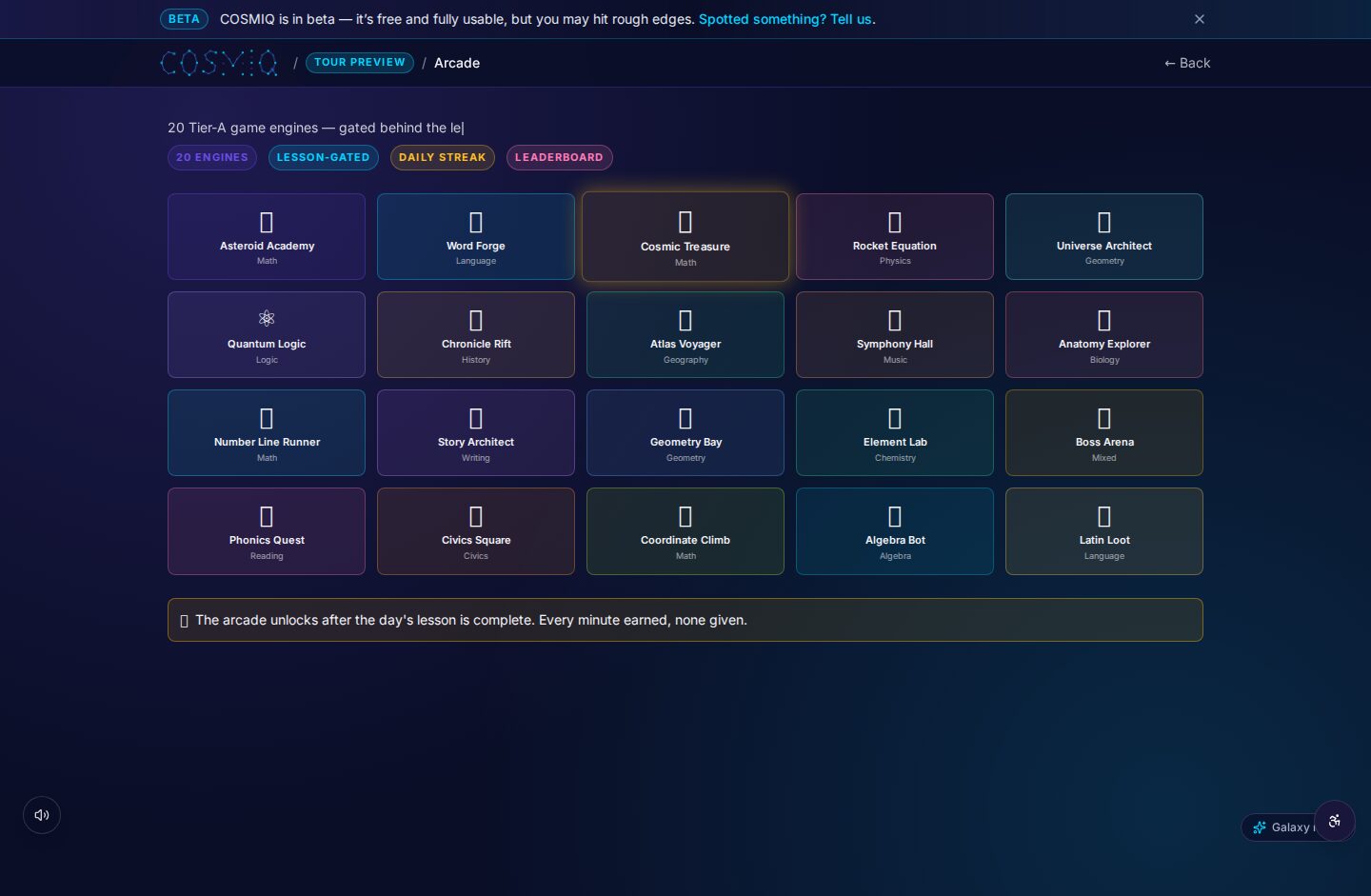
For instance, platforms like Pedagogue App offer tools for students to engage with content at their own pace. They can revisit lessons, access additional materials, and assess their understanding through quizzes and interactive exercises. This creates a dynamic learning environment where students take charge of their educational experience. Such platforms often include analytics that help educators track student progress, which can inform instructional strategies and interventions.
Furthermore, technology facilitates communication between students and educators. Instead of waiting for scheduled meetings, students can reach out for help whenever they need it. This ongoing support is vital for maintaining motivation and addressing challenges as they arise. Imagine a student working late at night who encounters difficulty with an assignment. With a technology-enabled learning environment, they can quickly message their teacher or access online resources to gain clarity, rather than waiting until the next school day.
Additionally, technology can create collaborative learning experiences. Students can work together on projects or study groups, utilizing online tools to share resources and ideas. This collaborative approach not only enhances learning but also prepares students for the teamwork and communication skills necessary in today’s job market.
Challenges of Implementing Competency-Based Learning
While the benefits are clear, transitioning to a competency-based learning model isn’t without its challenges. One significant hurdle is resistance from traditional educational systems. Many institutions are set in their ways, relying on time-based assessments and standardized testing. This can make it difficult to implement a new model that prioritizes mastery over time spent in the classroom.
Moreover, the shift requires substantial training for educators. They need to learn how to assess competencies effectively and how to facilitate personalized learning experiences. Not all educators may be prepared for this change, which can impact the effectiveness of the program. Ongoing professional development is crucial to ensure that teachers are equipped with the skills and strategies needed to support competency-based learning.
Additionally, some students may struggle with the self-directed nature of competency-based learning. Not every student is equipped with the skills or motivation to take charge of their education. This can create disparities, where some thrive while others fall behind. It’s essential that educators provide additional support for those who may need it. For example, mentorship programs can help guide students in setting personal learning goals and developing time management skills.
Another challenge lies in the assessment of competencies. Developing reliable and valid assessments that accurately reflect a student’s knowledge and skills can be complex. Traditional assessments often focus on rote memorization, while competency-based assessments must evaluate deeper understanding and application of knowledge. This can require a complete overhaul of existing evaluation systems, which can be resource-intensive.
Real-Life Examples of Success
Competency-based learning is gaining traction in various educational settings, and there are several notable success stories. One standout example is the University of Wisconsin-Milwaukee, which has implemented a competency-based online degree program. Students can progress through their courses as they demonstrate mastery, allowing for a more flexible and tailored educational experience. This program has resulted in increased student satisfaction and higher graduation rates.
Another inspiring case is the New Hampshire Department of Education, which has adopted a statewide competency-based education model. Schools across the state are restructuring their curriculums to focus on individual competencies, enabling students to progress at their own pace. The state has seen positive outcomes, including improved student engagement and increased performance on standardized tests.
These examples illustrate that competency-based learning isn’t just a theory; it’s a practical approach that yields real benefits. Schools and universities that embrace this model are often seeing increased student engagement and higher rates of completion. These programs are not merely experimental; they are paving the way for the future of education, and their success can inspire other institutions to adopt similar practices.
Successful competency-based programs also emphasize the importance of community involvement. For instance, schools partnering with local businesses can create real-world experiences that enhance the learning process. Students who complete internships or projects related to their career interests can showcase their competencies in a practical setting, providing them with invaluable experience and networking opportunities.
Preparing Students for the Future
As we look ahead, the workforce will increasingly demand adaptability and various skills. Competency-based learning prepares students for this reality. By focusing on mastery, students not only acquire knowledge but also develop critical thinking and problem-solving skills. These skills are crucial as industries evolve and new technologies emerge, making it imperative for students to be prepared for a landscape that changes rapidly.
When you learn at your own pace, you’re better equipped to tackle challenges in real-world settings. You learn how to learn, which is a skill that’s invaluable in any career. Employers appreciate individuals who can adapt to new situations and are self-motivated. Furthermore, in a competency-based model, students are often encouraged to engage in projects that require collaboration and innovation, mirroring the skills they will need in the workforce.
Competency-based learning doesn’t just prepare students academically; it also fosters a lifelong love of learning. As students become accustomed to taking charge of their education, they’re more likely to continue seeking knowledge and skills throughout their lives. This mindset is increasingly important as lifelong learning becomes the norm in a job market where continuous skill development is necessary.
Additionally, students learn to set and achieve personal goals, which becomes a habit that they carry into their professional lives. An employee who has been trained in a competency-based environment will likely approach their career with the same mindset, seeking opportunities for growth and improvement. This proactive attitude is something employers recognize and value.
Creating Supportive Learning Environments
To fully realize the benefits of competency-based learning, it’s crucial to create supportive learning environments that encourage growth and resilience. This means not only providing academic resources but also fostering emotional and social support. Students need to feel safe and valued in their learning environments to thrive.
One effective strategy is implementing mentorship programs where experienced students or teachers guide those who may be struggling. This creates a community of learners who support one another. It helps students to share their experiences and learn from each other’s successes and challenges. Such peer support can be motivating and strengthen the overall learning community.
Additionally, schools can integrate social-emotional learning (SEL) into their competency-based frameworks. SEL helps students develop skills like empathy, emotional regulation, and communication, which are essential for collaboration and effective learning. When students develop these skills alongside their academic competencies, they become well-rounded individuals prepared for both personal and professional success.
Finally, involving parents and guardians in the educational process can amplify the benefits of competency-based learning. Regular communication between educators and families can help to reinforce learning at home. Workshops or informational sessions can equip parents with strategies to support their children’s learning journeys, creating a partnership that benefits everyone involved.
Conclusion: Embracing the Future of Education
Competency-based learning represents a significant shift in how we approach education, allowing students to progress at their own pace. This model empowers learners, adapts to individual styles, and prepares them for future challenges. Yes, there are obstacles to overcome, but the potential rewards are immense. As more schools and educators recognize the value of this approach, we might see a transformation in how education unfolds. Competency-based learning is not just a trend; it is a pathway to a more equitable and effective educational system.
With its emphasis on mastery, adaptation to individual needs, and preparation for the future, competency-based learning is poised to shape the next generation of learners. It’s an exciting time to be part of the educational landscape, where the focus is shifting from memorization and standardized tests to real understanding and application of knowledge. As we embrace these new models, we can look forward to a future where every student has the opportunity to thrive.
Related resources: drmattlynch.com · pedagogue.app · getcosmiq.app
Learn anything, free.
COSMIQ is a free, voice-driven AI tutor for every learner. No credit card, ever.
Start learning free →