How Emotional Intelligence Affects Academic Performance and GPA
Understanding Emotional Intelligence
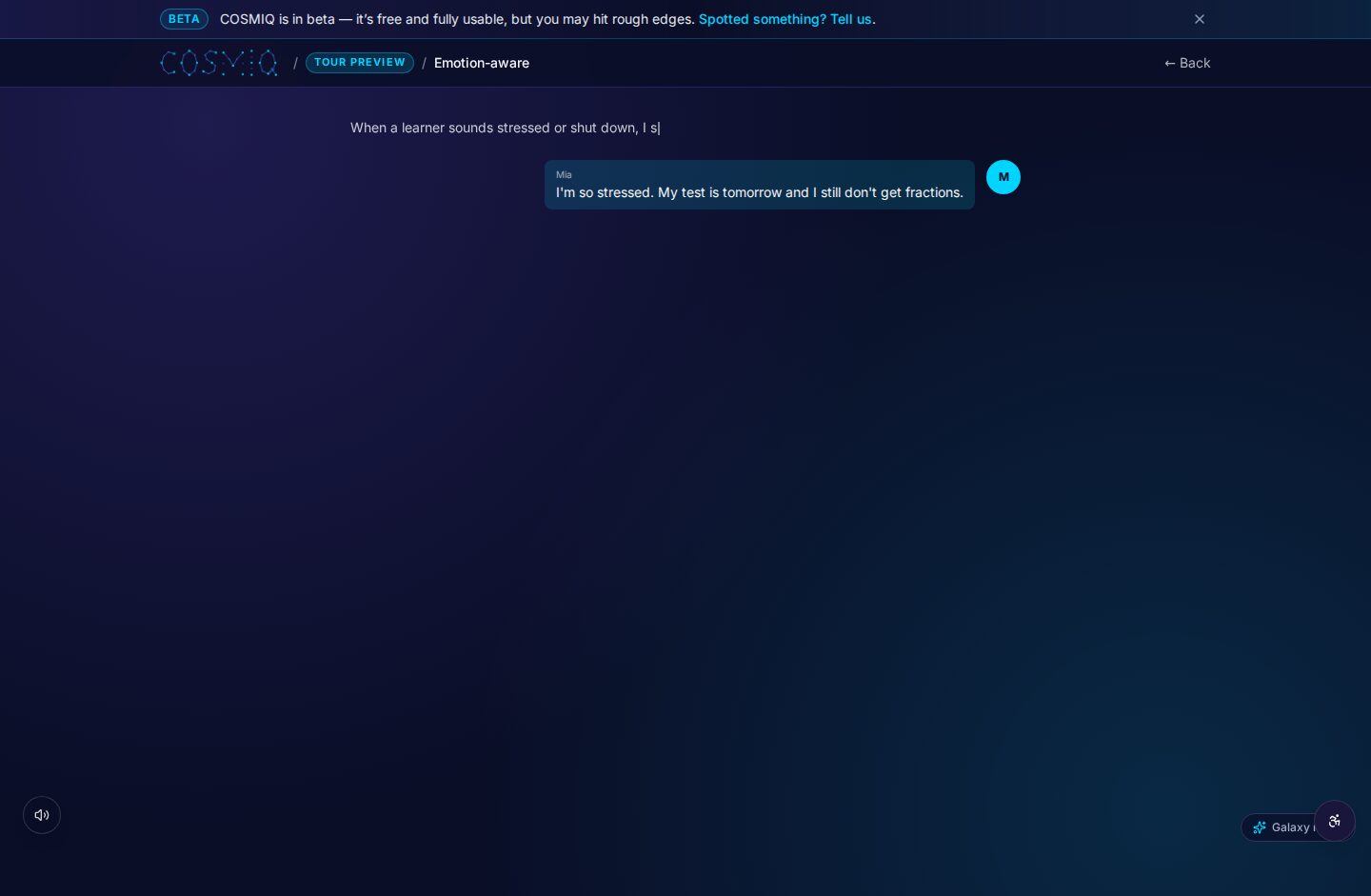
Emotional intelligence (EI) is more than just a buzzword; it’s a vital component of our daily interactions, both personally and academically. At its core, EI involves recognizing, understanding, and managing our own emotions while also being able to empathize with others. Think about it: how often do you find yourself in a situation where emotional awareness influences your decision-making? In a classroom, for instance, the ability to connect with peers and teachers can significantly impact one's academic journey.
Research shows that emotional intelligence can enhance communication skills, which are crucial for effective learning. Imagine a student who can articulate their thoughts and feelings clearly to a teacher or a classmate—this student is more likely to seek help when struggling or collaborate effectively with peers on group projects. On the flip side, a lack of emotional awareness might lead to misunderstandings, resulting in academic struggles. Students with high EI can navigate these emotional landscapes, ultimately fostering a more conducive learning environment.
Moreover, emotional intelligence encompasses self-regulation, motivation, and social skills—all essential for a student’s academic life. For example, self-regulation can help a student control impulses and delay gratification when faced with distractions, such as social media or video games, allowing them to focus on their studies. Similarly, motivation, an intrinsic aspect of EI, helps students set and achieve academic goals. With higher emotional intelligence, students can harness their emotional energy to fuel their academic ambitions.
The Link Between Emotional Intelligence and Academic Performance
So, how does emotional intelligence actually affect academic performance? Studies indicate that students with higher EI tend to perform better academically. This is largely due to their ability to manage stress, maintain motivation, and persevere through challenges. For example, consider the student who receives a poor grade on an assignment. A student with high EI might analyze what went wrong, seek feedback, and develop a plan to improve, while a student with lower EI might become discouraged and give up.
Moreover, emotional intelligence enables students to create a positive learning environment. They’re more likely to participate in class discussions, ask questions, and engage with their studies. These behaviors can lead to improved understanding of the material, higher grades, and ultimately, a better GPA. Think about this—students who actively engage in discussions are not just passively absorbing information; they’re processing, questioning, and applying knowledge, which results in deeper learning.
Additionally, students with high emotional intelligence often excel in group settings. They can sense group dynamics, navigate conflicts, and encourage participation. For instance, during a group project, a student with high EI can mediate disagreements and ensure that every voice is heard. This not only leads to a successful project outcome but also enhances the learning experience for all involved, reinforcing the idea that collaborative skills are fundamental for academic success.
Stress Management and Its Academic Implications
Stress is an inevitable part of academic life. From looming deadlines to exam pressures, students face numerous stressors that can hinder their performance. This is where emotional intelligence plays a vital role. Students with higher EI are often more adept at coping with stress. They recognize when they’re overwhelmed and can implement strategies—like mindfulness or time management techniques—to address their feelings. Think about how a student gearing up for finals can feel the weight of expectation. A student equipped with emotional intelligence can identify these feelings and take proactive steps to manage their anxiety.
For example, a student in a high-pressure situation—like preparing for finals—might use deep-breathing exercises to calm anxiety, rather than succumbing to panic. This self-regulation leads to clearer thinking and better test performance. When you can manage your emotions effectively, you’re likely to see a direct impact on your academic performance and GPA. Furthermore, students with high EI often engage in regular self-care practices, which can include physical exercise, socializing with friends, or pursuing hobbies—activities that can buffer the negative effects of stress.
In contrast, students lacking these skills may resort to unhealthy coping mechanisms like procrastination or substance use, which can further deteriorate their academic performance. Consider a student facing overwhelming assignments; without emotional intelligence, they might wait until the last minute to complete their work, resulting in poor quality and low grades. In this light, EI isn’t just about reacting to stress; it’s about creating a proactive approach that fosters academic resilience.
Building Relationships in the Classroom
Emotional intelligence is not just about self-awareness; it’s also about understanding others. In an academic setting, relationships matter. A student with high EI skills can build rapport with teachers and classmates, fostering a supportive network. This can make a significant difference in a student's academic journey. Relationships built on trust and understanding can lead to constructive feedback from teachers and emotional support from peers.
Think about group projects. A student who can read the room, address conflicts calmly, and motivate peers to work together is invaluable. These collaborative experiences often lead to better learning outcomes. Plus, the support system created can provide encouragement during tough times, which is essential for maintaining motivation and focus on academic goals. For example, students who can empathize with their peers are more likely to offer help, share resources, and provide emotional support, creating a positive feedback loop that enhances overall performance.
Furthermore, students who build strong relationships with teachers may feel more comfortable seeking help or clarification about their studies. This can lead to additional mentorship opportunities, which can further enhance academic success. In essence, emotional intelligence fosters a community of learners who uplift one another, paving the way for greater academic achievement.
The Role of Empathy in Learning
Empathy—a key element of emotional intelligence—greatly influences how students interact with their learning environment. When students can put themselves in others' shoes, they are more likely to engage in cooperative learning, participate in discussions, and contribute positively to classroom dynamics. This not only benefits their peers but also enriches their learning experience. A classroom where empathy is prevalent often sees a rise in collaboration and a decline in bullying and social isolation.
Consider a scenario where a student notices a classmate struggling with a concept. A student with high empathy might offer to help, which reinforces their own understanding while also strengthening social ties. This collaborative learning helps solidify knowledge, ultimately enhancing academic performance and contributing to a favorable GPA. Additionally, empathy encourages students to share their own challenges, fostering an environment where vulnerability is met with support, which can be particularly beneficial during stressful periods.
Moreover, empathy plays a crucial role in understanding diverse perspectives, especially in increasingly multicultural classrooms. As students learn to appreciate different viewpoints, they become more adept at engaging in discussions and debates, further enhancing their communication skills. This level of engagement not only nurtures their academic growth but also prepares them for real-world interactions, where emotional intelligence is invaluable.
Practical Strategies to Enhance Emotional Intelligence in Students
So, how can students develop their emotional intelligence to improve their academic performance? Here are some practical strategies.
1. **Reflect on Emotions:** Encourage students to keep a journal where they can write about their daily emotional experiences. This practice helps cultivate self-awareness and understanding. Reflection can lead to insights about patterns in their emotional responses, which is the first step towards developing better emotional management.
2. **Practice Active Listening:** Teach students the importance of listening without interrupting. This can enhance their relationships and communication skills. Role-playing can be an effective way to practice this. For instance, students can take turns sharing experiences while the other listens attentively and then summarizes what they heard to reinforce understanding.
3. **Role-Playing:** Engage students in role-playing scenarios that require empathy and conflict resolution. This hands-on approach can deepen their understanding of emotional dynamics. Scenarios can be designed around common school situations, like group assignments or peer disagreements, allowing students to navigate these interactions in a safe space.
4. **Mindfulness Techniques:** Introduce mindfulness exercises to help students manage stress and increase emotional regulation. Simple practices like guided imagery or meditation can help students center themselves before exams or stressful assignments.
5. **Emotional Check-Ins:** Begin classes with brief emotional check-ins where students can share how they’re feeling. This encourages a culture of openness and helps educators gauge the emotional climate of the classroom.
Assessing Emotional Intelligence and Academic Outcomes
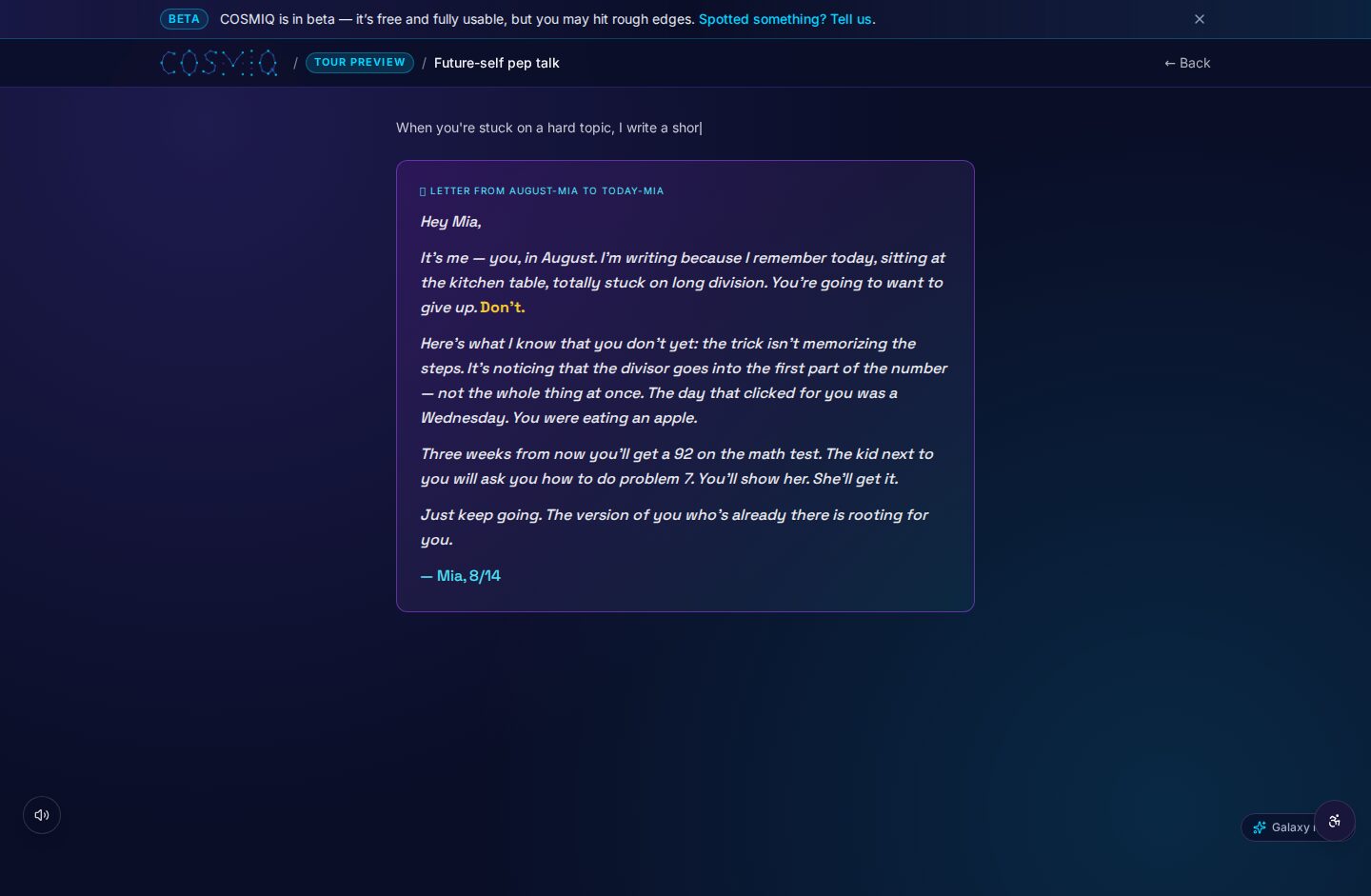
As educators and parents, understanding the correlation between emotional intelligence and academic performance can guide how we assess students. Traditional GPA metrics might not capture the full picture of a student's capabilities. Incorporating assessments that evaluate emotional intelligence could provide a more holistic view of a student’s potential.
For example, schools can implement programs or workshops aimed at developing EI skills alongside academic curriculum. Measuring growth in emotional intelligence could be as valuable as tracking GPA. This offers students the opportunity to not only excel academically but also develop essential life skills. Some schools have already begun integrating social-emotional learning (SEL) into their curricula, focusing on developing EI to promote better academic outcomes.
Moreover, self-assessment tools can be introduced, allowing students to reflect on their emotional intelligence growth over time. Regular feedback sessions can also help students understand their progress and areas for improvement. This kind of assessment not only builds self-awareness but also cultivates a growth mindset, encouraging students to view challenges as opportunities for development.
Real-World Examples of EI Impacting Academic Success
To drive home the importance of emotional intelligence, let’s look at a few real-world examples. Take the case of a high school student named Sarah. Struggling with anxiety, she found it difficult to engage in classroom discussions, impacting her grades. After her school introduced an emotional intelligence program, she learned techniques to manage her stress and communicate effectively with her teachers. As a result, her confidence soared, and so did her GPA. This transformation illustrates how targeted support in emotional intelligence can yield academic success.
Similarly, a college student named Alex realized that his relationships with peers greatly affected his study habits. By developing his emotional intelligence, he learned how to collaborate better on group projects, which not only improved his grades but also enriched his college experience. His ability to empathize with others led to discussions where everyone contributed, fostering a deeper understanding of the subject matter.
There are numerous studies that support these observations. For instance, research from the University of Queensland found that students who participated in emotional intelligence training showed significant improvement in academic performance compared to those who did not. These real-world examples underline the notion that emotional intelligence is not just an abstract concept but a practical and achievable skill that can directly influence a student’s educational trajectory.
The Bottom Line
Emotional intelligence is a powerful tool in navigating the academic landscape. It influences not just individual performance but also the overall classroom environment. By fostering emotional intelligence skills, students can enhance their academic performance and GPA, setting them up for success not only in school but also in life. If you’re a student, educator, or parent, consider focusing on emotional intelligence as part of the academic journey. The benefits could be profound.
As we move into an increasingly complex world, the ability to understand and manage emotions will become paramount. Schools that prioritize emotional intelligence not only prepare students for academic success but also equip them with the skills needed for future relationship-building and professional environments. In essence, investing in emotional intelligence education is an investment in a brighter future for students.
Related resources: the link between emotional intelligence and academic performance · drmattlynch.com · pedagogue.app · getcosmiq.app
Learn anything, free.
COSMIQ is a free, voice-driven AI tutor for every learner. No credit card, ever.
Start learning free →