How Formative Assessment Supports Competency-Based Education

Understanding Competency-Based Education
Competency-based education (CBE) is more than just a buzzword; it’s a shift in how we think about learning and teaching. In CBE, students progress through their educational journey by demonstrating their mastery of specific skills or knowledge areas, rather than simply moving forward based on time spent in a classroom. It’s about personalized learning paths, with each student advancing at their own pace. Think about it: wouldn’t it make sense to allow students to move forward once they truly grasp a concept rather than sticking to a rigid schedule?
This approach relies heavily on clear criteria for what students need to know and be able to do. It offers a framework that emphasizes outcomes over processes, ensuring that education aligns more closely with real-world demands. Imagine a classroom where every student is engaged not just because they have to be, but because they're genuinely ready and excited to learn. But CBE isn't just about pacing; it also involves recognizing the diverse backgrounds and experiences that students bring into the classroom. This flexibility invites a richer, more inclusive learning environment.
For instance, consider a student who struggles with traditional learning methods but excels in hands-on activities. In a competency-based model, this student could spend more time engaging in practical applications of their skills while receiving support in areas where they might be lacking. This individualized approach makes education more meaningful and relevant, as it respects each student's unique learning profile.
The Role of Formative Assessment
So, how does formative assessment fit into this picture? Formative assessments are tools teachers use to gauge students’ understanding during the learning process. These assessments are not about assigning grades; they’re about providing feedback that informs instruction and supports student learning. Think of them as check-ins, snapshots of where students are at any given moment. This real-time assessment allows teachers to identify gaps in student understanding and adjust their instruction accordingly.
Consider a math class where students are learning fractions. A teacher might use a quick quiz or a group activity to see which students are struggling with the concept. Instead of waiting until the end of the unit, this immediate feedback allows the teacher to adjust their lessons, perhaps re-explaining the topic to those who need it. It’s a dynamic interaction that fuels growth rather than a static evaluation. Furthermore, by using various formative assessments—like quizzes, discussions, and hands-on activities—teachers can appeal to multiple learning styles, ensuring that every student has a chance to demonstrate their understanding.
Formative assessments can also take more creative forms, such as student-led discussions or reflective journaling. For instance, if students are learning about historical events, they might be asked to engage in a Socratic seminar where they discuss their interpretations of the material. This form of assessment not only gauges understanding but also promotes critical thinking and communication skills, crucial competencies in today’s world.
Aligning Assessment with Learning Objectives
In competency-based education, formative assessment helps ensure that assessments are closely aligned with learning objectives. When teachers develop assessments that mirror the competencies they aim to cultivate, students have a clear understanding of what is expected of them. This alignment fosters transparency and helps students take ownership of their learning. In CBE, each assessment is designed to measure mastery of specific competencies, making the learning process targeted and purposeful.
For example, if a student is tasked with learning effective communication skills, the formative assessments could include peer feedback on presentations or reflections on group discussions. Each of these assessments targets specific competencies, allowing students to identify their strengths and areas needing improvement. This focused approach not only enhances their learning but also builds their confidence. Beyond just assessing knowledge, these formative assessments create opportunities for collaboration and dialogue among students, enriching the classroom experience.
Take a science class focusing on environmental issues. If the learning objective is for students to understand the impact of pollution, formative assessments could include group projects where they analyze different types of pollutants and present their findings. By aligning assessments with these specific competencies, teachers can ensure that students are not only memorizing facts but applying their knowledge in real-world contexts.
Feedback That Drives Improvement
Feedback is an essential component of formative assessment in CBE. Unlike summative assessments, which often come too late to significantly impact learning, formative assessments provide timely feedback that students can act upon. Instead of just receiving a grade, students get insights into their performance, which can guide their next steps. This immediate feedback loop encourages a growth mindset, where students view challenges as opportunities for improvement.
Imagine receiving a written comment on a draft essay that highlights areas for improvement alongside encouragement for what you did well. This type of feedback is constructive, helping you refine your writing before the final submission. In the context of CBE, this iterative feedback loop becomes vital. Each assessment should not only inform teachers but also serve as a developmental tool for students. This ongoing dialogue about performance creates a collaborative learning environment, where students feel supported in their journey toward mastery.
Consider a situation where a student submits a draft of a research paper. Instead of simply marking it with a grade, a teacher provides detailed comments on clarity, structure, and argumentation. This specific feedback enables the student to make targeted revisions, ultimately leading to a stronger final product. By treating feedback as a tool for growth rather than a final judgment, you create an atmosphere where students are more willing to take risks and learn from their mistakes.
Creating a Culture of Learning
In a competency-based education environment, formative assessments foster a culture of learning rather than one of merely performing. When students understand that the goal is mastery over memorization, they’re more likely to engage deeply with the material. This shift in mindset can be transformative. By valuing the learning process over just the end result, students begin to appreciate the journey of education itself.
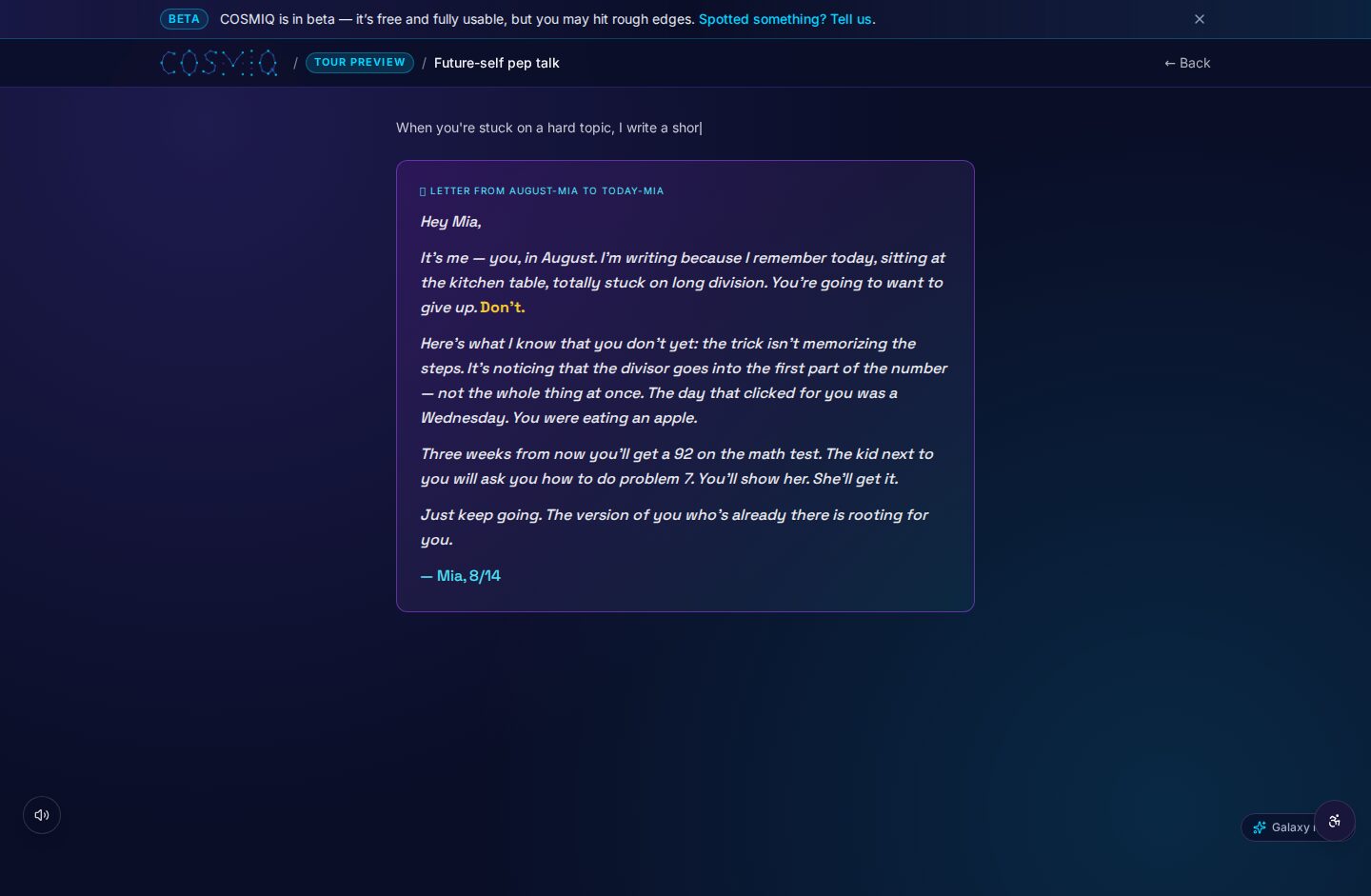
For instance, if a student knows that their progress is measured by their understanding rather than a fixed timeline, they might be more willing to seek help when they struggle. They realize that asking questions is part of the learning process. Teachers, too, benefit from this culture; they can develop more responsive and tailored instructional strategies that cater to student needs. In this environment, mistakes are viewed as learning opportunities, and students are encouraged to take risks in their learning without the fear of failure.
This cultural shift can also manifest in classroom dynamics. For example, if a class is working on a project, students might engage in peer review sessions where they provide feedback to each other. This practice not only enhances learning but also establishes a supportive classroom atmosphere where students feel valued and empowered. They learn to appreciate diverse perspectives and to view collaboration as a pathway to deeper understanding.
Encouraging Student Agency
A key benefit of integrating formative assessments into competency-based education is that it encourages student agency. Students are not just passive recipients of knowledge; they become active participants in their learning journey. With formative assessments, they can track their own progress and recognize when they’ve achieved a competency. This sense of ownership is vital in promoting lifelong learning habits.
Picture a scenario where students maintain a learning portfolio that documents their growth over time. They can reflect on their initial attempts in a subject, see how they’ve improved, and set personal goals for the future. This self-directed approach empowers students and fosters a sense of responsibility for their own education. Additionally, when students actively engage with their learning data, they can make informed choices about their educational paths, emphasizing the competencies they need to develop further.
To put this into perspective, think about a student who keeps a digital portfolio of their work. They can revisit earlier assessments, compare them to their latest efforts, and see tangible evidence of their growth. Engaging in this reflective practice helps them internalize their learning journey, encouraging them to take pride in their achievements while identifying areas for further development.
Leveraging Technology to Enhance Assessment
Incorporating technology can enhance both formative assessments and competency-based education. With various educational tools available, teachers can gather real-time insights into student performance and adjust instruction accordingly. Apps and platforms can facilitate the creation of interactive quizzes, instant feedback loops, and even collaborative projects that reflect student understanding. This not only streamlines the assessment process but also makes learning more engaging.
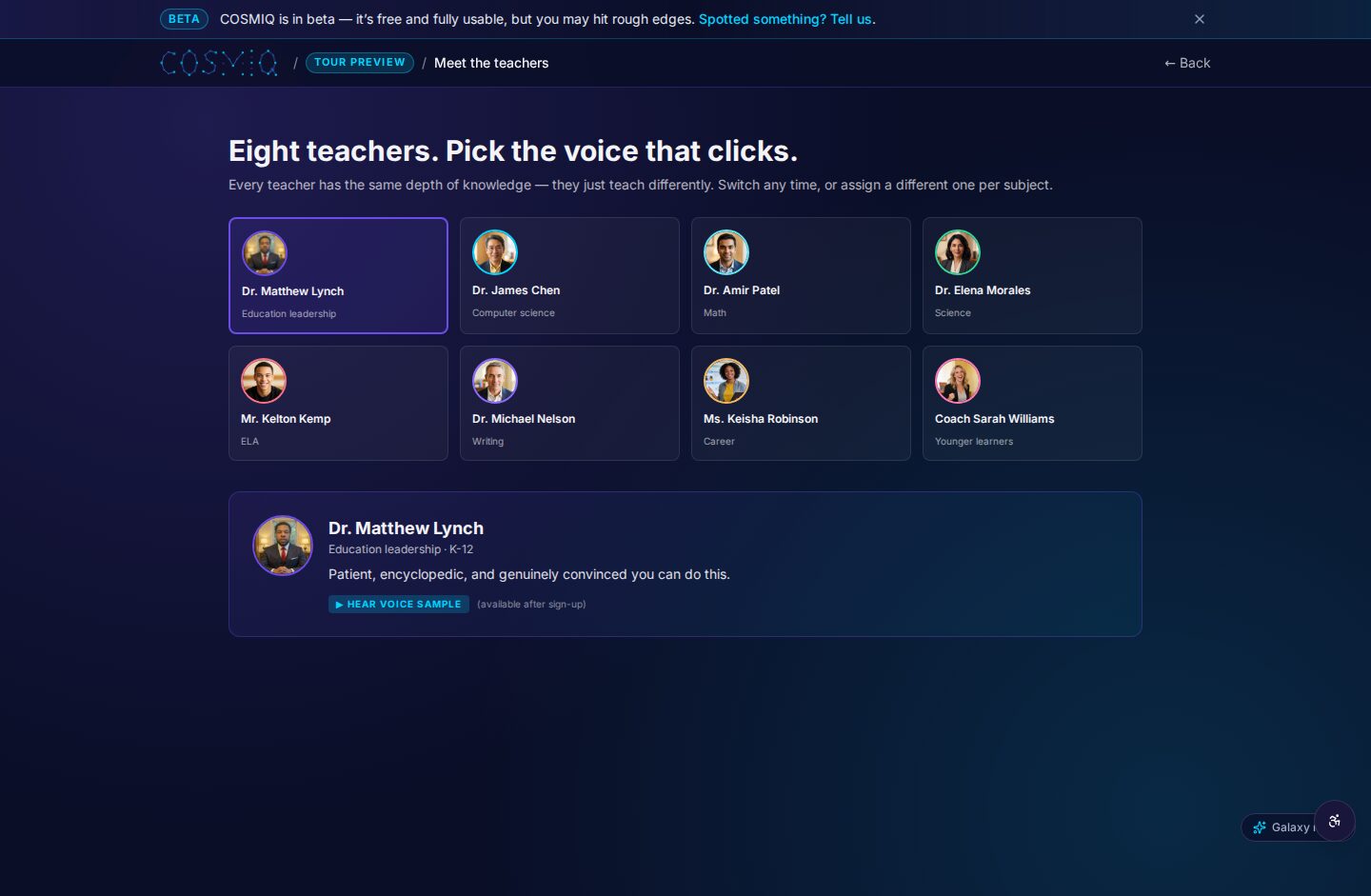
For instance, using platforms like Pedagogue or Cosmiq enables educators to create engaging assessments that provide immediate results. Students can participate in self-assessments that help them identify their own competencies. The data collected through these technological tools helps teachers refine their strategies, ensuring individualized support for each student. Moreover, technology can facilitate peer assessments where students can provide feedback to one another, further enhancing their understanding of the material.
Imagine a classroom where students use an interactive app to take quizzes that adapt to their skill levels. If a student struggles with certain questions, the app can provide additional practice materials tailored to their needs. This targeted approach not only empowers students to take control of their learning but also allows teachers to focus their instruction where it’s needed most.
The Impact on Educational Outcomes
When formative assessment is effectively integrated into competency-based education, the outcomes can be significant. Students not only develop the skills necessary for academic success but also gain competencies that are critical in the workforce. By focusing on mastery and providing ongoing feedback, educators prepare students for real-world challenges. This alignment between education and industry needs is crucial in preparing students for future employment.
Consider a high school that implemented this model; they found that students were not only achieving higher grades but also developing essential soft skills like problem-solving and collaboration. Employers increasingly seek graduates ready to tackle complex tasks and think critically. By emphasizing formative assessment in CBE, schools can bridge the gap between education and the demands of the workforce. As we continue to traverse this educational landscape, the need for adaptability and skill development will only grow.
Moreover, longitudinal studies show that students who thrive in competency-based environments often perform better in higher education and the job market. They exhibit greater motivation, resilience, and adaptability—qualities that are increasingly valued in today's rapidly changing world. As education evolves, those who can demonstrate mastery of competencies will likely find themselves better prepared for the challenges ahead.
Implementing Formative Assessment Strategies in CBE
To successfully integrate formative assessment into competency-based education, educators need to adopt specific strategies that facilitate this process. One effective approach is the use of self-assessment checklists. These checklists outline the criteria students must meet to demonstrate mastery of a competency. By regularly reviewing these checklists, students can self-monitor their progress and identify areas where they need to focus their efforts.
Additionally, conducting regular one-on-one check-ins can be invaluable. During these meetings, teachers can discuss students' progress, address any concerns, and provide tailored guidance on how to improve. This personalized approach not only supports individual learning but also strengthens the teacher-student relationship. Building trust and rapport in these conversations can encourage students to take risks in their learning and be more open about their challenges.
In practice, these strategies can look like this: After a student completes a project, the teacher schedules a brief meeting to discuss the student’s reflections on their work. They might analyze what went well and what could be improved, guiding the student in setting actionable goals for their next project. This kind of personalized feedback helps foster a supportive learning environment where students feel valued and understood.
Collaborating with Peers for Enhanced Learning
Another effective method in leveraging formative assessments within CBE is through collaborative learning experiences. When students work together on projects or problem-solving activities, they can learn from one another while receiving immediate feedback. Group dynamics often lead to deeper understanding, as peers can explain concepts in relatable terms.
For example, in a science class, students could be assigned to teams to investigate a specific phenomenon, such as the effects of different variables on plant growth. Each team member might take on a different role—researcher, presenter, or data analyst—allowing for varied contributions and perspectives. Throughout the process, students can provide formative feedback to each other, enhancing their learning and reinforcing the competencies they're developing.
This collaborative approach can also extend beyond the classroom. Consider a scenario where students collaborate on a community project, such as organizing a local recycling program. They can assess their competencies in project management, communication, and teamwork while receiving ongoing feedback from both peers and teachers. Not only does this experience solidify their learning, but it also instills a sense of responsibility and connection to their community.
Assessing the Effectiveness of Formative Assessments
To gauge the success of formative assessments within a competency-based education framework, educators must regularly evaluate their effectiveness. This can be done through various methods, such as analyzing student performance data, gathering feedback from students about their learning experiences, and reflecting on instructional strategies.
For instance, after implementing a new formative assessment strategy, teachers can look at performance trends over time. If students show consistent improvement in specific competencies, it indicates that the formative assessments are positively influencing their learning. Conversely, if certain areas still show a lack of understanding, it’s a signal for teachers to adjust their methods and provide additional support.
Additionally, conducting student surveys can provide valuable insights into how students perceive the feedback they receive. Are they finding it useful? Do they feel it helps them improve? By listening to student voices, educators can refine their approaches and ensure that formative assessments truly meet the needs of all learners.
Related resources: drmattlynch.com · pedagogue.app · getcosmiq.app
Learn anything, free.
COSMIQ is a free, voice-driven AI tutor for every learner. No credit card, ever.
Start learning free →