How Title I Dollars Stretch Further With AI Tutoring

Understanding Title I Funding
Title I funding plays a crucial role in supporting schools with high percentages of low-income students. This federal program is designed to ensure that all children have a fair, equal, and significant opportunity to obtain a high-quality education. Schools receive these funds based on their low-income student population, and this money can be used in various ways, including hiring additional staff, purchasing new materials, or implementing innovative programs. But how can schools maximize the impact of these funds? That’s where AI tutoring comes into play.
To put it in perspective, according to the National Center for Education Statistics, Title I funding exceeds $15 billion annually, which emphasizes its vast potential to uplift educational systems. Schools can utilize these funds for a variety of initiatives aimed at enhancing student learning, but challenges often arise in how to allocate these resources effectively. This is especially true for schools that may already be facing tight budgets and high demands for resources. The key is to find solutions that are both effective and sustainable.
AI Tutoring: A Game Changer for Title I Schools
So, what exactly is AI tutoring? In essence, it’s software that provides personalized learning experiences tailored to individual student needs. Unlike traditional tutoring, which may be limited by time and availability of human tutors, AI tutors can operate 24/7. This flexibility is essential for Title I schools, where resources may be stretched thin. With AI, students can receive immediate feedback, practice at their own pace, and access a wealth of resources anytime.
Imagine a student who struggles with math concepts taught in class. Traditional tutoring hours may not fit their schedule, or tutors may not be available. An AI tutor can fill this gap, offering help whenever the student needs it. This not only aids in bridging knowledge gaps but also empowers students to take control of their learning. In many cases, students find themselves more engaged and motivated to learn when they have the ability to navigate their educational journey at their own pace. This change makes a significant difference in their academic success.
Consider a school struggling to provide enough one-on-one support for struggling students. By integrating an AI tutor for schools into their curriculum, they can offer every student a customized learning experience without the overhead of hiring multiple tutors. This not only helps students but also maximizes the use of Title I dollars, allowing funds to be redirected toward other critical needs.
The Role of MTSS Software
Multi-Tiered Systems of Support (MTSS) software is another essential component in enhancing the effectiveness of Title I funding. MTSS is a framework that identifies student needs and offers tiered levels of intervention. For schools implementing MTSS, having the right software can streamline the process and make data-driven decisions easier. This framework ensures that students receive the appropriate level of support based on their unique needs.
By using MTSS software, educators can track student progress, identify those who need additional support, and efficiently allocate resources. This is particularly useful in Title I settings where budgets are tight. The software helps in documenting interventions, which is crucial for measuring success over time. Imagine a school using RTI software for teachers that integrates seamlessly with their existing MTSS framework. This synergy allows teachers to focus on instruction rather than paperwork, ensuring that Title I dollars are used effectively.
A notable feature of MTSS software is its ability to generate reports on student progress, allowing for prompt adjustments in teaching methods or intervention strategies. For instance, if a group of fifth graders continues to struggle with reading fluency, teachers can quickly identify this trend and provide targeted support. Over time, schools that employ such systems can see substantial improvements in student outcomes, which directly correlates to the effective utilization of Title I funds.
Tier 2 Intervention Software: Targeted Support for Struggling Students
Tier 2 interventions are designed for students who require more support than their peers but don’t need the intensive assistance offered in Tier 3. This is where tier 2 intervention software comes in. It provides targeted resources and assessments that can help teachers implement effective strategies for these students. The beauty of this approach lies in its adaptability; the software can modify its recommendations based on ongoing student performance.
For instance, suppose a Title I school identifies a group of third graders struggling with reading comprehension. By utilizing tier 2 intervention software, teachers can assign specific reading exercises that adapt to each student’s learning pace. This approach not only addresses immediate learning gaps but also builds students’ confidence and independence. Such tailored intervention can lead to significant improvements in both academic performance and student self-esteem.
The key here is that tier 2 intervention software can be both proactive and reactive. If a student shows consistent improvement, the software can adjust the difficulty of assignments accordingly. Conversely, if a student continues to struggle, this software can signal the need for additional support, ensuring that no child gets left behind. This is crucial in environments where Title I funding is intended to create equitable educational opportunities.
Integrating AI Tutors with MTSS and RTI
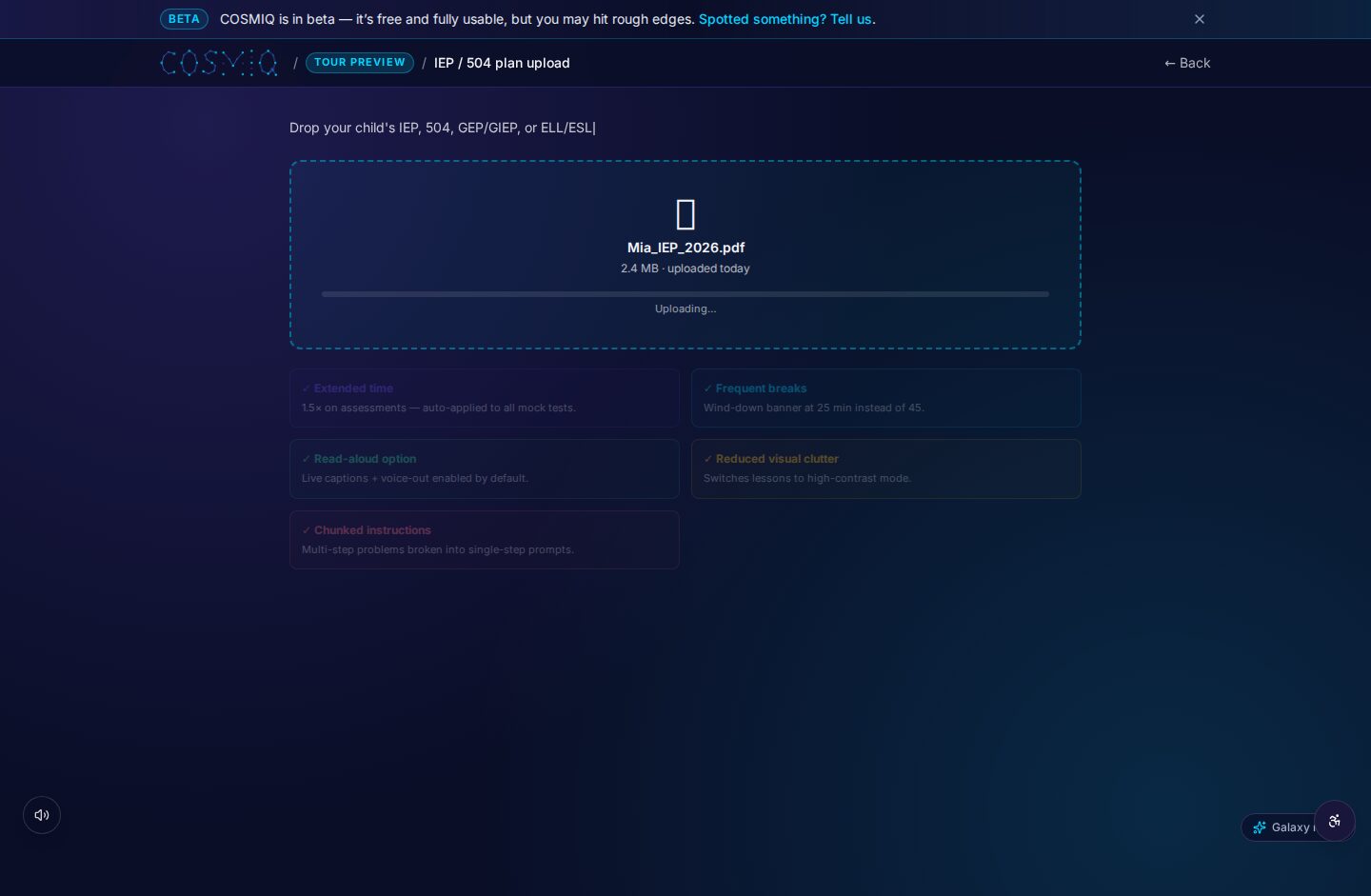
The integration of AI tutors with MTSS and RTI software creates a robust support system for students. Think about it: when AI tutors provide personalized learning experiences, they help identify where students are struggling. This information can be fed back into the MTSS framework, allowing teachers to adjust their interventions accordingly. This collaborative approach can significantly enhance a student's educational journey.
Let’s say a student is consistently struggling in mathematics. The AI tutor might recognize this pattern and suggest specific Tier 2 interventions based on the data collected. Teachers can then step in with targeted strategies, ensuring that AI's strengths complement their teaching skills. This layered approach maximizes the impact of Title I funding by ensuring that every dollar spent is aimed at addressing specific student needs.
An example of this integration in action can be found in a small school district that adopted an AI tutor alongside their MTSS framework. The result was a feedback loop that allowed teachers to refine their instruction continuously. As a direct consequence, student engagement increased, and test scores improved, demonstrating the effectiveness of leveraging both human expertise and AI technology.
Title I Tutoring: Expanding Opportunities
Title I tutoring programs are often a lifeline for students needing extra help. However, traditional models can be resource-intensive, requiring significant time and personnel. By incorporating AI tutors, schools can broaden their reach without incurring substantial additional costs. This innovative approach not only enhances the quality of tutoring but also maximizes the limited resources available.
Imagine a school that traditionally offered after-school tutoring sessions for a limited number of students. With AI tutoring solutions, they could extend their support to every Title I student. The result? More children gain access to the resources they need to succeed. This is particularly valuable in communities where access to private tutoring services is limited. By making these resources available, schools can help mitigate educational disparities.
The impact of Title I tutoring extends beyond just academic assistance. It fosters a culture of learning and support within the school. When students see that they have access to tools that can assist them without the stigma sometimes associated with traditional tutoring, it can encourage them to take more ownership of their learning. This shift can lead to heightened motivation and improved overall school performance.
Real-World Examples of Success
The benefits of integrating AI tutoring into Title I programs are not just theoretical; several schools have already seen positive outcomes. For example, a Title I school in California adopted an AI tutor for schools alongside their MTSS framework. Within a year, they reported a 30% increase in student proficiency in math and reading. Such improvements are not isolated incidents but serve as a glimpse into what can be achieved when technology is effectively leveraged.
Students who previously struggled with basic concepts were able to catch up and even excel, thanks to the personalized nature of AI tutoring. Teachers reported feeling more empowered to focus on instruction and less burdened by administrative tasks. This case highlights how Title I dollars can stretch further when schools leverage technology effectively. Furthermore, data collected from these interventions can help schools fine-tune their curriculum and instructional practices.
Another noteworthy example comes from a school in Texas that integrated both AI tutoring and tier 2 intervention software into their Title I program. After just six months, they reported a marked improvement in student attendance rates and a decrease in behavioral issues. This indicates that when students receive the support they need, they are more likely to engage positively with their education, a win-win scenario for everyone involved.
Challenges and Considerations
Of course, integrating AI tutoring and related software isn’t without its challenges. One significant hurdle is ensuring that all staff members are adequately trained to use these new tools. Schools must invest time and resources into professional development to maximize the benefits of their investments. Training sessions should focus not just on technical skills but also on how to effectively incorporate these tools into daily lesson plans.
Additionally, while AI tutoring can support traditional teaching methods, it shouldn’t completely replace them. The human element is irreplaceable, especially for young learners who thrive on personal connections. Striking the right balance between technology and human interaction is vital for success. Schools need to foster an environment where technology complements rather than dictates the learning experience.

Moreover, schools must remain vigilant about data privacy concerns related to AI tutoring. With student data being collected and analyzed, it’s paramount that schools implement robust security measures to protect sensitive information. This ensures that while students benefit from personalized learning experiences, their privacy and safety remain a top priority. Transparency with parents and guardians about how data is used will also help build trust within the school community.
The Future of Title I Funding and AI Tutoring
As we look toward the future, it’s clear that the integration of AI tutoring with Title I funding is a promising avenue for improving educational outcomes. Schools are increasingly recognizing the potential of MTSS software and tier 2 intervention software to create more personalized, effective learning environments. The landscape of education is shifting, and technology is at the forefront of that change.
With continuous advancements in technology and a growing understanding of data-driven instruction, the possibilities are endless. Schools have an opportunity to innovate and redefine how they utilize Title I dollars, ultimately benefiting all students. Imagine a future where every child, regardless of background, has access to the personalized support they need to thrive.
As we think about the long-term impacts, let’s also consider the role of community involvement in this evolution. Engaging parents and community members in the educational process can further enhance the effectiveness of AI tutoring and Title I funding. By creating partnerships with local organizations, schools can amplify their resources, fostering an inclusive and supportive environment for all students. Schools should actively seek feedback from families on how best to utilize these funds, ensuring alignment with community needs.
Harnessing the Power of Collaboration
In addition to AI and MTSS frameworks, collaboration between teachers, parents, and community organizations is essential for maximizing Title I funds. When schools foster a collaborative environment, they create a support network that extends beyond the classroom. This approach ensures that students receive holistic support, which is often the key to overcoming academic challenges.
Consider a scenario where teachers work closely with parents to identify specific areas of struggle for their children. By sharing insights and strategies, they can create tailored action plans that incorporate AI tutoring and other resources. This collaboration not only enhances student learning but also strengthens the home-school connection, making education a community effort.
Furthermore, community organizations can provide additional resources, such as after-school programs or summer learning initiatives, that complement the efforts of schools. By pooling resources and expertise, schools can offer a more comprehensive support system that maximizes the impact of Title I funds. This multi-faceted approach not only addresses academic needs but also fosters social and emotional development for students, which is equally important for their success.
The Importance of Continuous Assessment
Another crucial factor in the successful implementation of AI tutoring and Title I funding is continuous assessment. Schools must regularly evaluate the effectiveness of their programs to ensure they are meeting the needs of students. This involves collecting data from various sources, including assessments, surveys, and feedback from teachers and parents.
By routinely analyzing this data, schools can make informed decisions about how to allocate their Title I funds more effectively. For example, if a particular AI tutor is not yielding the expected results, schools can pivot to other solutions that may be better suited to their students' needs. This adaptability is vital in an educational landscape that is constantly evolving.
Continuous assessment also encourages a growth mindset among both educators and students. When teachers see that their efforts are making a difference, it boosts morale and encourages them to continue innovating. Likewise, students who experience continuous improvement in their learning can develop a sense of accomplishment, fostering a positive attitude toward education.
Related resources: RTI software for teachers · MTSS tier 2 intervention · MTSS tier 2 intervention
Learn anything, free.
COSMIQ is a free, voice-driven AI tutor for every learner. No credit card, ever.
Start learning free →