How to Assess English Language Learners’ True Academic Abilities

Teaching English Language Learners (ELLs) can be an enriching experience. But, let's face it: assessing their true academic abilities isn't always straightforward. It’s crucial to recognize that language proficiency and academic skills are often intertwined. So, how do you accurately assess ell academic abilities and ensure that your evaluations reflect their true potential?
Understanding Language Proficiency vs. Academic Skills
First things first: it’s essential to differentiate between language proficiency and academic skills. Many educators mistakenly assume that a student’s ability to communicate in English directly correlates with their academic abilities. This assumption can lead to undervaluing the skills that ELLs possess, which can greatly hinder their educational progress.
Language proficiency involves the ability to read, write, speak, and understand English. However, academic skills encompass critical thinking, problem-solving, and subject-specific knowledge. For instance, an ELL might struggle with English vocabulary but excel in mathematical reasoning. Recognizing this distinction is key in creating a fair assessment approach.
Additionally, think about the nuances of language. An ELL may understand complex concepts but struggle to articulate these ideas in English. For example, a student might grasp advanced scientific principles but falter in a science discussion due to limited vocabulary. By acknowledging that language skills do not define overall intelligence or understanding, you can create a more inclusive assessment strategy. This could involve using visual aids or hands-on activities to gauge understanding without reliance on language.
Utilizing Formative Assessments
Formative assessments are a powerful tool for gauging a student's understanding and skills in real-time. Unlike standardized tests, which can often overlook linguistic nuances, formative assessments allow teachers to see how ELLs process information in a more organic setting. This can include quizzes, group work, or even informal discussions.
For example, if you’re teaching a science unit, you might ask students to work in pairs to design a simple experiment. This collaborative task can highlight their understanding of scientific concepts without putting too much pressure on their English proficiency. You can observe how they communicate their ideas and grasp the content, which can provide a clearer picture of their academic abilities.
Imagine a classroom where students engage in project-based learning. Instead of traditional tests, students might present their findings on a historical event through a multimedia presentation. Here, you can assess not just their knowledge but also their creativity and teamwork, allowing ELLs to shine in areas that may not hinge on language skills. Observing their interactions and contributions in group settings can give you deeper insights into their capabilities.
Incorporating Culturally Responsive Assessments
Culturally responsive assessments take into account the diverse backgrounds of ELLs. It’s vital to create assessments that resonate with the students’ own experiences and cultures. This can involve using examples and contexts that reflect their lives, which can help them feel more comfortable and engaged during assessments.
For instance, instead of using a traditional reading passage that might be culturally irrelevant, consider selecting texts that pertain to the students' cultural backgrounds or interests. Not only does this make the assessment more relatable, but it also enables you to assess their comprehension and analytical skills without the barrier of unfamiliar context.
Moreover, consider the impact of family and community on ELLs' learning. When designing assessments, you might include questions or topics relevant to the students’ communities. For example, if you have students from a specific cultural background, incorporating historical or social issues pertinent to that culture can create a more engaging assessment. This not only helps in assessing their academic abilities but also validates their identity.
Leveraging Technology for Assessment
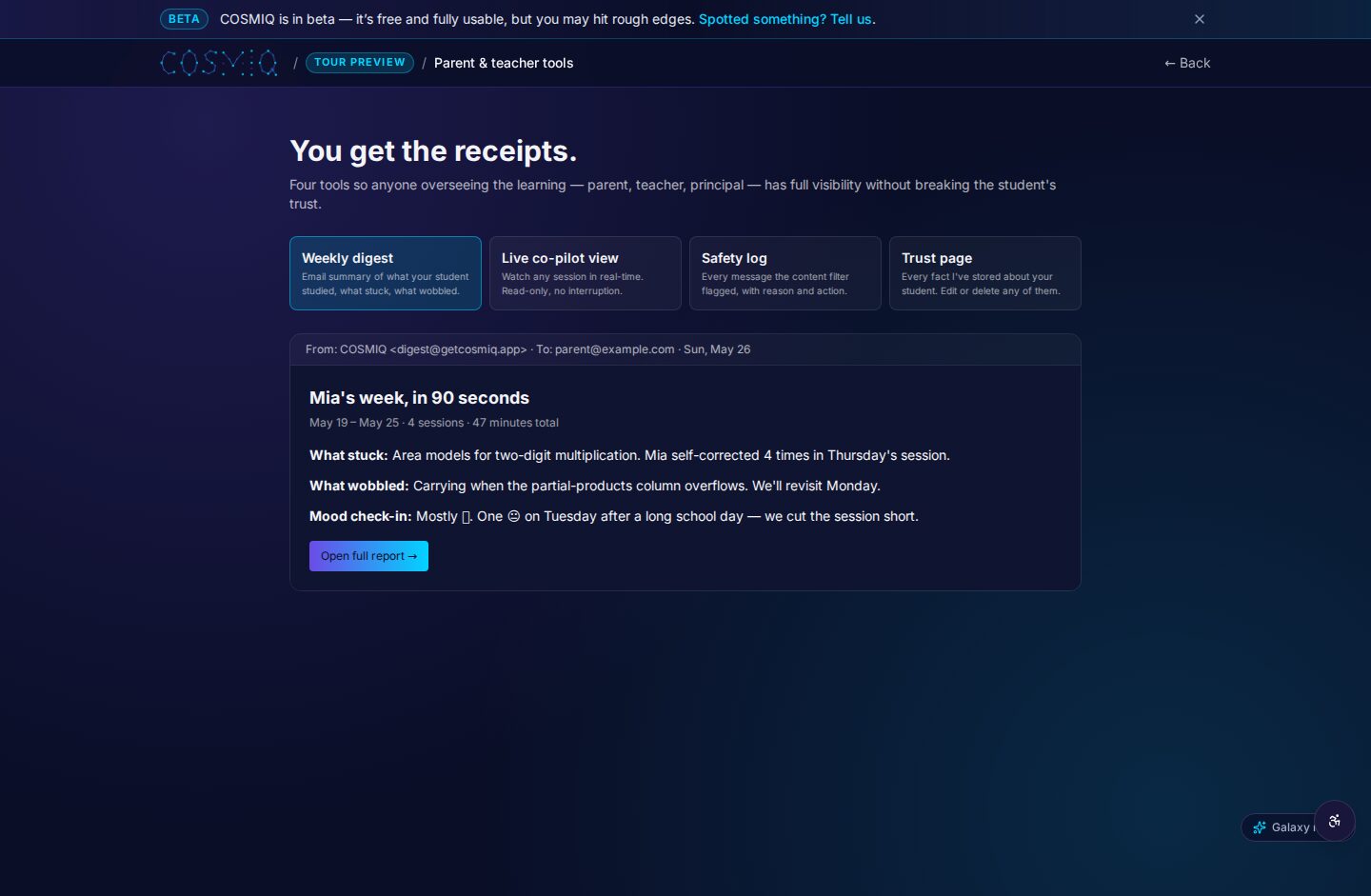
Technology can enhance the assessment experience for both teachers and ELLs. There are various platforms available that can help educators design assessments that cater to the unique needs of ELLs. For example, educational apps like Cosmiq or Pedagogue can facilitate interactive quizzes that provide immediate feedback. This allows students to understand their strengths and weaknesses in a low-stakes environment.
Additionally, technology can also help with language barriers. Tools like translation apps or software that offers audio support can assist ELLs in demonstrating their knowledge without being hindered by language limitations. This way, you can focus on their true academic capabilities instead of their proficiency level.
Consider using online platforms that allow for audio or video submissions. These tools enable ELLs to express their understanding verbally, which can be more natural for them than writing. For example, you could assign a project where students create a video presentation on a topic of interest, allowing them to articulate their ideas while showcasing their understanding, free from the constraints of written language.
Developing Rubrics That Focus on Content Mastery
Creating clear and specific rubrics is an essential part of assessing ELLs. Rubrics should focus on the content mastery of a subject rather than solely on language use. For example, if you’re assessing a written assignment, instead of penalizing students for grammatical errors, consider emphasizing the clarity of their ideas and their understanding of the topic.
A well-designed rubric might include criteria such as understanding of concepts, creativity, and the ability to connect ideas. This shift in focus helps ELLs to showcase their knowledge without the added stress of language proficiency, allowing you to assess ell academic abilities more accurately.
You might also consider involving students in creating these rubrics. By allowing them to contribute to what is assessed, you empower them to understand the expectations while also making the assessment process more transparent. This collaboration can lead to higher engagement and a more profound understanding of their learning goals.
Creating a Supportive Assessment Environment
The environment in which assessments take place can dramatically affect an ELL’s performance. Offering a supportive atmosphere where students feel comfortable expressing themselves is crucial. Consider allowing extra time for assessments, providing quiet spaces for testing, or even offering oral assessments as an alternative.
Encouraging peer support during assessments can also ease anxiety. Pairing ELLs with a buddy who can help them understand instructions or clarify questions can make a world of difference. This kind of collaboration fosters a supportive learning community while allowing ELLs to demonstrate their academic abilities in a less intimidating setting.
Creating a culturally affirming space is also vital. Displaying students’ work, celebrating diverse cultures, and fostering an atmosphere of respect can make a significant impact. For instance, creating a ‘culture wall’ where students can showcase aspects of their heritage can encourage pride and confidence, which translates into their performance during assessments.
Fostering Ongoing Communication with ELL Families
Finally, engaging with the families of ELLs can provide additional insights into their academic abilities. Often, parents can share valuable information about their child’s strengths, interests, and even educational experiences in their native language. Establishing open lines of communication with families not only supports the child's educational journey, but also promotes a greater understanding of their unique context.
This communication can take various forms, whether through regular parent-teacher conferences, newsletters, or workshops that help parents understand the assessment process. When families are included in the educational process, ELLs are more likely to succeed academically.

Creating a multilingual communication strategy can be incredibly beneficial. This might include sending home translated materials or using interpreters during meetings. When parents feel informed and supported, they are more likely to engage with their child’s education, reinforcing learning at home.
Implementing Peer Assessments and Self-Assessments
Peer assessments and self-assessments can be incredibly valuable tools in gauging ELLs' true academic abilities. Involving students in the evaluation process not only encourages reflection but also fosters a sense of responsibility for their learning. When ELLs assess each other’s work, they can gain new insights into their own understanding and develop critical thinking skills.
For example, you could have students participate in a peer review session for written assignments. They can provide feedback to one another based on a clear rubric, discussing strengths and areas for improvement. This activity can be particularly eye-opening for ELLs, as it allows them to engage with their peers in a meaningful way and see different perspectives on the same academic content.
Self-assessments can be equally powerful. You might ask students to reflect on their understanding and progress through guided questions or checklists. This practice not only helps them take ownership of their learning but also enables you to see how they perceive their own academic abilities. For instance, if a student rates their understanding of a topic lower than expected, it can open up a dialogue about their needs and areas for support.
Integrating Real World Applications in Assessments
Integrating real-world applications into assessments can enhance engagement and relevance for ELLs. When students see how their learning applies outside the classroom, they become more motivated to demonstrate their skills. Consider creating assessments that involve problem-solving scenarios based on real-life situations.
For instance, you could design a math project that involves budgeting for a community event. This type of assessment allows ELLs to apply their mathematical skills to a context familiar to them, which can significantly enhance their performance. They can discuss their thought processes with peers, collaborate on solutions, and showcase their understanding in a way that transcends language barriers.
When assessments reflect real-world experiences, they also provide opportunities for students to draw on their cultural backgrounds. An ELL might relate a science project on recycling to their home country’s approaches to environmental issues. This connection not only validates their experiences but also encourages them to engage meaningfully with the content.
By integrating these multifaceted approaches to assessment, educators can better assess ell academic abilities, ensuring that they reflect the full range of student skills and knowledge.
So, how do you assess ell academic abilities? It’s not just about language skills; it’s about understanding the whole child. By utilizing formative assessments, culturally relevant materials, and technology, while also creating supportive environments and engaging families, educators can paint a clearer picture of ELLs' true academic potential.
Related resources: tools for assessment · pedagogue.app
Learn anything, free.
COSMIQ is a free, voice-driven AI tutor for every learner. No credit card, ever.
Start learning free →