How to Find the Best Elementary Schools in North Carolina (2026–2027 Guide)

Choosing an elementary school is one of the biggest decisions families make. For 2026–2027 in North Carolina, the right school depends less on a single “best” label and more on how a school fits your child’s needs, family situation, and values. This guide explains where to find reliable information, what qualities to prioritize, and practical steps for visits and enrollment.
Where to start: trusted data sources
Begin with official and well-known resources so you get consistent facts rather than headlines or hearsay.
- North Carolina School Report Cards — The state’s report cards show test performance, growth measures, and basic school demographics. Use them to compare general academic trends and staffing information.
- Local district websites — District pages give calendars, enrollment rules, program descriptions (magnet, bilingual, IB), and contact information for school leaders.
- Independent review sites — Sites like GreatSchools and Niche aggregate parent reviews and basic ratings. Treat them as supplementary: they reflect individual experiences and can vary by neighborhood.
- Community input — Talk with parents, local PTA members, teachers, and nearby childcare providers; they can share details you won’t find in reports.
What to look for in a great elementary school
Rather than chasing a single rating, focus on factors that predict a good match for your child.
- Academic culture: Look for clear curriculum goals, regular assessment practices that inform teaching, and resources for students who need support or enrichment.
- Teacher quality and stability: Low turnover and experienced teachers are signs of a healthy school environment. Ask about professional development and average years of teacher experience.
- Climate and safety: A welcoming, orderly environment where students feel safe and respected matters for learning. Look for anti-bullying policies and routines that support behavioral expectations.
- Class size and support staff: Check average class sizes and the availability of specialists (reading interventionists, counselors, special education staff).
- Programs and enrichment: Consider arts, music, library access, STEM opportunities, dual-language programs, and after-school options that fit your child’s interests.
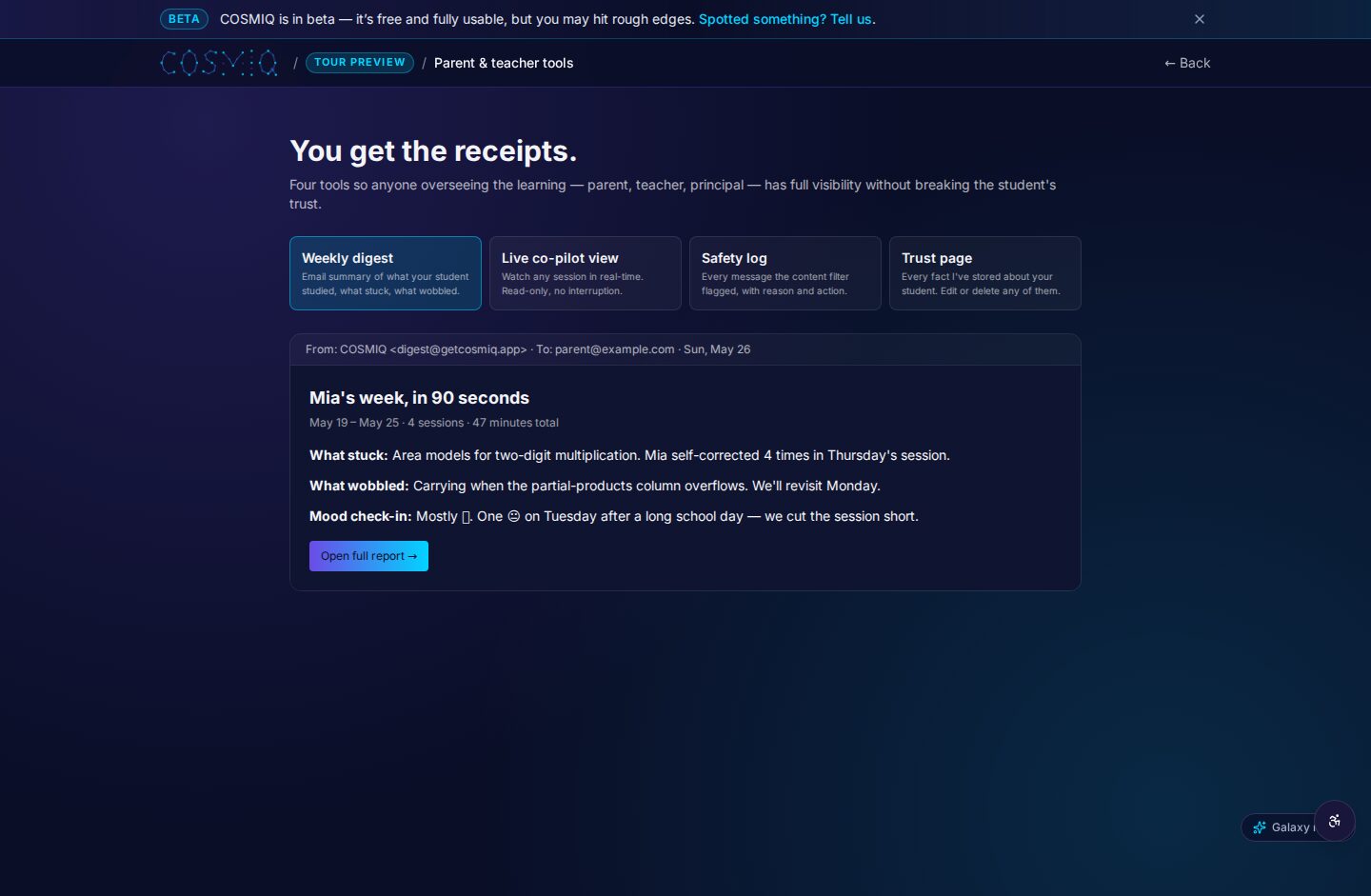
- Family engagement: Strong schools communicate with families, invite involvement, and make it easy for caregivers to track student progress.
Practical steps: visits, enrollment, and special programs
After narrowing options, move from research to on-site evaluation and logistics.
- Schedule a tour or open-house visit. Watch how staff greet students and families. Listen for concrete examples of how the school handles teaching, discipline, and support services.
- Ask focused questions:
- How do you support students who are behind or ahead academically?
- What daily schedule does a typical classroom follow?
- How are behavior incidents handled and communicated to families?
- What extra-curricular or enrichment opportunities are offered?
- Understand enrollment rules. Public school placement can be neighborhood-based, lottery-driven for magnet programs, or through choice transfers. Charter and private schools have separate application processes and timelines.
- Learn about transportation and logistics. Bus routes, drop-off times, before/after care, and proximity to work or childcare can make a school realistic or impractical for your family.
- Consider special education and gifted services. If your child has identified needs, request information about IEP processes, related services, and gifted program qualification.
Communities and districts to explore
North Carolina is large and diverse. Some districts and communities are frequently mentioned by families looking for strong elementary options; these are places to research further rather than definitive endorsements.
- Wake County (Raleigh/Cary/Apex): A large district with many program choices, magnet schools, and alternative calendar options.
- Chapel Hill-Carrboro: A smaller district often noted for stable community involvement and strong academics.
- Charlotte-Mecklenburg: A major urban district that includes high-performing neighborhood schools as well as magnet and specialty programs across many communities.
- Coastal and mountain counties: Areas like New Hanover (Wilmington) and Buncombe (Asheville) offer strong local schools with different community cultures; search district report cards to compare.
- Charter and private options: Urban and suburban areas across the state also host charter schools and private elementary schools that may match specific curricular preferences.
Conclusion
Finding the “best” elementary school for 2026–2027 means matching school strengths to your child’s needs and family circumstances. Use state report cards and district resources for data, supplement with visits and conversations for context, and prioritize classroom culture, support systems, and practical logistics. With clear priorities and a short checklist, you can make a confident, informed choice for the year ahead.
Learn anything, free.
COSMIQ is a free, voice-driven AI tutor for every learner. No credit card, ever.
Start learning free →