How to Give Effective Formative Feedback That Improves Student Learning

Understanding Formative Feedback
Formative feedback is more than just a grade on a paper or a comment scribbled in the margins. It's a vital tool in the teaching and learning process. Think of it as a road map that guides students along their learning journey. It helps them identify where they are, where they need to go, and how to get there. The goal is to foster a growth mindset, encouraging students to see learning as a process rather than a destination.
But what makes feedback effective? It’s not just the feedback itself; it’s how you deliver it and how students interpret it. Effective formative feedback is specific, timely, and constructive. It should focus on the task at hand rather than the individual as a whole. This helps reduce anxiety and promotes a healthier approach to learning. Additionally, understanding the context in which students are working can help shape the way feedback is delivered. Are they overwhelmed with multiple assignments? Are they struggling with external issues? Being aware of these factors can enhance the relevance and impact of your feedback.
The Importance of Specificity
General comments like "good job" or "needs improvement" don’t provide students with the guidance they need. Instead, strive for specificity. When you give feedback, pinpoint exactly what the student did well and what can be improved. For example, instead of saying, "Your writing is unclear," you might say, "Your main argument is strong, but your supporting points need more evidence. Can you add a few examples to clarify your claims?" This approach tells students precisely where to focus their efforts.
Using specific language also helps students understand their progress more clearly. They can identify patterns in their mistakes and learn from them. Over time, they’ll be able to apply this knowledge independently, which is the ultimate goal of education. For instance, if a student consistently struggles with thesis statements, specific feedback can guide them toward formulating a clearer argument.
Consider blending specific feedback with guided questions. You might say, "Your introduction sets the stage, but how could you tighten your thesis to reflect your main points more clearly?" This not only specifies what needs improvement but also prompts them to think critically about their writing. Ultimately, specific feedback not only builds their skills but also fosters a sense of ownership over their learning.
Timing Is Everything
The timing of your feedback can significantly affect its effectiveness. Providing feedback immediately after an assignment or during the learning process can reinforce learning. For instance, if a student submits a draft, giving them feedback before they finalize their work allows them to make necessary changes. This way, the feedback becomes a part of their learning cycle rather than an afterthought.
However, it’s not just about quick feedback. Sometimes, taking a little time to reflect on the work before commenting can yield more thoughtful insights. You don’t want to overwhelm students with too much information at once, either. Balance is key. Pick one or two areas for them to focus on, and make sure your feedback is digestible. You might establish a routine where students can expect feedback within a certain timeline, allowing them to plan accordingly and take your feedback seriously.
To illustrate this, consider the process of a science project. If students receive feedback during the experimentation phase, they can adjust their methods before reaching a conclusion. Waiting until the final presentation to provide feedback might leave them feeling frustrated, as they can’t make changes based on your comments. Instead, aim for a feedback loop that encourages iterative improvement. A practical tip is to incorporate “check-in” stages where students present their progress and receive feedback along the way.
Creating a Dialogue
Feedback shouldn’t be a one-way street. Encourage dialogue between you and your students. Ask them questions about their work to foster critical thinking. For example, you might say, "What do you think about the evidence you provided? Does it fully support your argument?" This encourages students to take ownership of their learning and think more deeply about their choices.
When students feel comfortable discussing their work, they’re more likely to engage with the feedback. It creates a learning environment where mistakes are seen as opportunities rather than failures. This is crucial in helping students develop resilience and a growth mindset. The more you foster an open dialogue, the more you’ll notice students becoming advocates for their own learning.
One effective strategy for promoting dialogue is to implement peer feedback sessions. Students can share their work with one another and provide constructive criticism. You might guide them with a checklist of questions to consider, such as, "What is one strength of this work? What is one area for improvement?" This not only cultivates a community of collaboration but also helps them learn from their peers. Engaging students in this way can also alleviate the pressure they may feel receiving feedback solely from an authority figure.
Utilizing Technology for Feedback
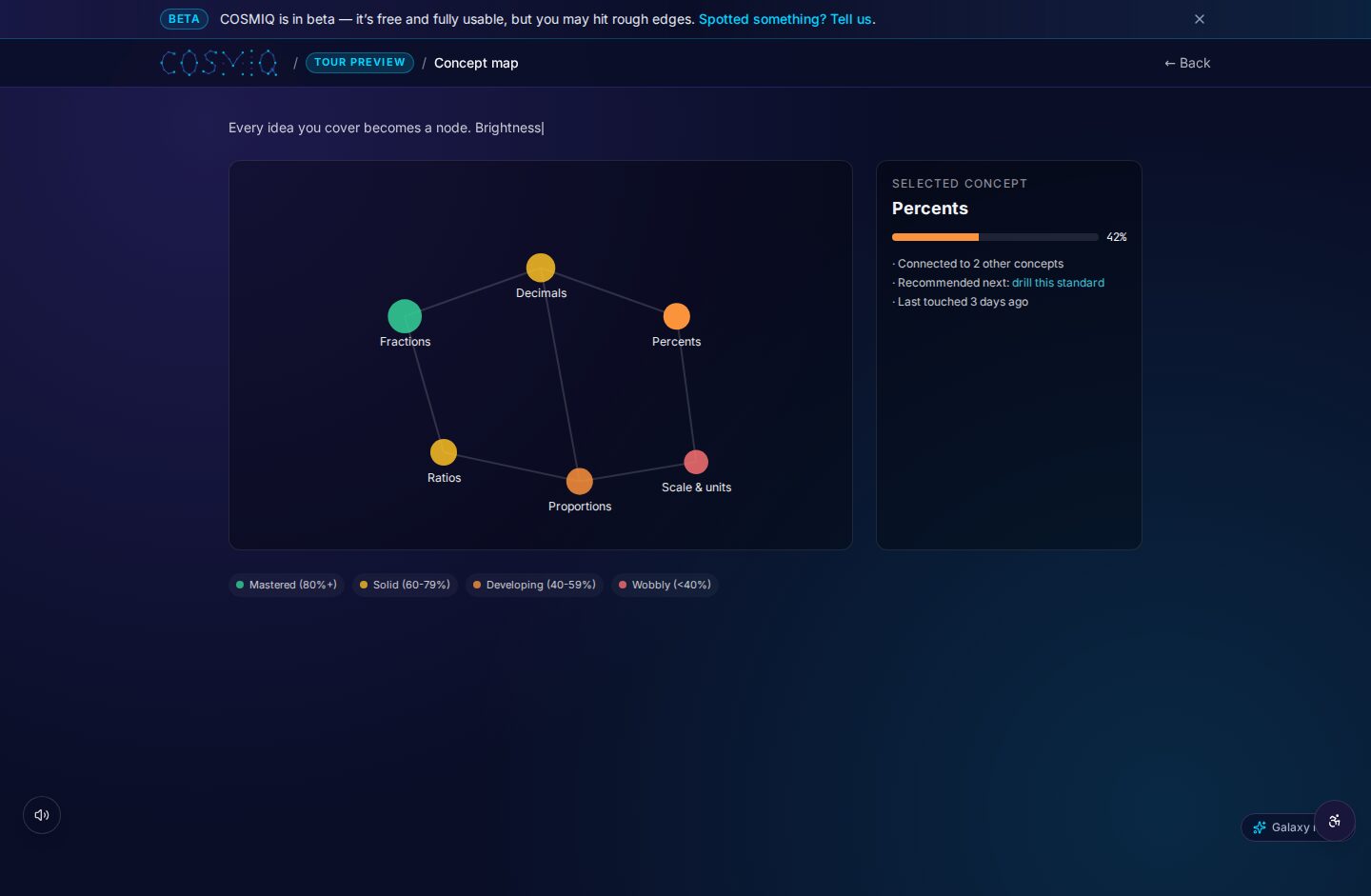
In our tech-savvy world, using digital tools can enhance the feedback process. Platforms like Google Classroom or educational apps such as Cosmiq allow for real-time feedback and collaborative discussions. Imagine providing instant feedback on a student’s work, where they can see your comments as they write. It’s not just efficient; it’s impactful.
These tools can also help track progress over time. You can easily refer back to past assignments to show students how far they’ve come. Plus, using video or audio comments can add a personal touch that text alone cannot convey. A quick video explanation of what a student did well or where they can improve can make the feedback feel more relatable. This personal connection can enhance student motivation and engagement.
Consider creating a feedback loop where students can respond to your comments. For instance, if you provide feedback on an essay draft through a platform like Google Docs, students can reply to your suggestions, ask clarifying questions, or share what they found helpful. This speeds up the feedback cycle and enhances the clarity of your suggestions. You can also create forums or discussion boards for students to discuss their reflections on the feedback, further deepening their understanding.
Encouraging Self-Assessment
One of the most powerful ways to deliver effective formative feedback is to encourage students to assess their own work. Self-assessment promotes metacognition, helping students become aware of their learning process. You can guide them with questions like, "What part of your work are you most proud of? What challenges did you face and how did you overcome them?" This encourages reflection and critical evaluation.
Self-assessment can be done through rubrics or reflective journals. Providing a clear rubric helps students understand expectations and criteria. It also serves as a guide for their assessment. When they reflect on their work, they develop a more profound understanding of their strengths and weaknesses. They begin to see themselves as active participants in their learning journey. A great way to implement this is to have students fill out self-assessment forms before submitting their work, encouraging them to reflect on their process.
To make self-assessment more effective, model the process for your students. Share examples from your own work or past student projects. Walk them through the rubric and show how you would evaluate a piece of work. This demystifies the process and gives them a clearer idea of how to assess their own efforts. Additionally, you might consider conducting workshops on how to provide constructive self-feedback, helping students build their skills in a guided manner.
Providing Continuous Support
Feedback shouldn’t end with a single assignment. For it to be truly effective, it needs to be a continuous process. Regular check-ins, formative assessments, and ongoing conversations about progress can create a supportive learning environment. You might set up regular conferences where you discuss students' goals and challenges. This shows them that you care about their growth and are invested in their learning.
Additionally, consider offering resources that can help them improve. Whether it’s articles, videos, or further readings tailored to their needs, providing these supports can enhance their understanding. It’s about creating an ecosystem of learning where students feel empowered to seek help and improve. You might curate a collection of resources that align with common challenges you notice in student work, making it easier for them to find relevant help.
Another way to foster continuous support is through mentorship programs. Pairing students with peers or older students who can offer insights and advice creates a culture of growth. This not only provides additional support but also builds relationships that can enhance a student’s motivation and engagement. Think about organizing regular mentoring sessions where students can share progress and seek guidance.
The Role of Emotional Intelligence in Feedback
It’s easy to forget that feedback isn’t just an academic exercise. It’s also about how students feel about their work and themselves as learners. Emotional intelligence plays a significant role in how students perceive and accept feedback. When feedback is delivered with empathy and understanding, students are more likely to receive it positively.
Consider your tone and body language when giving feedback. A warm smile, a positive tone, and even eye contact can go a long way in making students feel valued. Simple phrases like, "I can see you worked hard on this," can make a big difference. It acknowledges their effort and sets a positive tone for the conversation. This personal approach can break down barriers and foster a more open environment for discussion.
Being aware of your students' emotional state is equally essential. If a student appears anxious or frustrated, consider adjusting your feedback approach. Instead of diving into areas for improvement, start with their strengths. This can help build their confidence before discussing challenges. Acknowledging their feelings and showing them that you understand can significantly influence how they respond to the feedback.
Fostering a Growth Mindset

Feedback is also an opportunity to cultivate a growth mindset in students. Encourage them to view challenges as opportunities for growth rather than as failures. Use phrases like, "This didn’t work out this time, but what can we learn from this experience?" This approach not only softens the impact of constructive criticism but also empowers them to take risks in their learning.
You might incorporate growth mindset activities into your lessons. For instance, after a challenging test, facilitate a discussion about what strategies students can utilize next time to better prepare. This normalizes the experience of struggling and reinforces the idea that effort can lead to improvement. Activities like journaling about their learning experiences can also help them reflect on their progress and mindset.
Share stories of prominent figures who faced setbacks but ultimately succeeded through perseverance. These narratives serve as powerful reminders that failure is part of the journey and can inspire students to embrace challenges head-on. You may even consider inviting guest speakers who exemplify a growth mindset, allowing students to hear personal stories of resilience.
Feedback as a Learning Tool
Effective formative feedback is a multifaceted approach that requires intention and care. It’s about being specific, timely, and creating a dialogue. It’s also about making use of technology, encouraging self-assessment, and offering continuous support. When you put these strategies into practice, you’re not just offering feedback; you’re fostering a culture of learning.
As you navigate your teaching practice, remember this: feedback might be a small part of the learning process, but its impact is monumental. When students know they’re seen and supported, they’re likely to embrace the challenges of learning with enthusiasm. Keep that in mind as you strive to give effective formative feedback.
Building a Feedback Culture in the Classroom
Creating an environment where feedback is valued and seen as a learning tool is essential. This means establishing norms around giving and receiving feedback. You might start by discussing what constructive feedback looks like and practicing it in low-stakes situations. For example, consider implementing 'feedback circles' where students share their work and receive feedback in a structured format.
Encouraging students to give feedback to one another can not only ease the pressure of receiving feedback from you but can also enhance their critical thinking skills. When students critique their peers, they engage in higher-order thinking, analyzing strengths and weaknesses. To facilitate this, you could provide guidelines or a framework for students to follow during peer reviews, ensuring that the feedback is constructive and supportive.
Additionally, celebrating improvements based on feedback can reinforce its value. Recognize and highlight when students apply your feedback effectively. This can be as simple as acknowledging their progress in class or showcasing improvements in student work. Students will start to see feedback as a vital part of their learning process rather than just a grading tool.
The Long-Term Impact of Effective Formative Feedback
The effects of effective formative feedback extend beyond immediate academic improvement. When students learn to receive, process, and act on feedback, they develop skills that will serve them well throughout their educational journey and beyond. They become more resilient learners who can handle criticism constructively, a trait that’s valuable in both academic and professional settings.
Furthermore, effective feedback fosters intrinsic motivation. When students understand that feedback is a tool for their growth, they’re more likely to take ownership of their learning. They begin to see education as a partnership between themselves and their educators, rather than a one-sided transaction. This sense of agency can lead to increased engagement and a willingness to tackle more challenging material.
In the long run, the habit of seeking feedback and using it for self-improvement creates lifelong learners. Students will carry this habit into their adult lives, seeking feedback in workplaces and other areas of personal and professional development. As educators, it’s our responsibility to instill this valuable skill, equipping students not only for academic success but also for their future endeavors.
Learn anything, free.
COSMIQ is a free, voice-driven AI tutor for every learner. No credit card, ever.
Start learning free →