How to Identify a Student's Zone of Proximal Development for Effective Instruction

Understanding a student's Zone of Proximal Development (ZPD) is essential for effective instruction. This psychological concept developed by Lev Vygotsky emphasizes the difference between what a learner can do independently and what they can achieve with guidance and encouragement from a skilled partner. When you identify a student's ZPD, you can tailor your teaching strategies to meet their specific needs, helping them grow in ways that are both challenging and achievable.
Understanding the Concept of ZPD
To grasp what ZPD means, let’s break it down. Imagine a child struggling to solve a math problem on their own. Without assistance, they may not succeed. However, with the guidance of a teacher or a peer, they could grasp the concept and solve similar problems on their own in the future. This space between what they can do alone and what they can do with help is their ZPD.
Vygotsky believed that learning occurs best in this zone. If you teach something too easy, students won’t be engaged. Conversely, if you teach something too difficult, they may become frustrated. By identifying and working within the ZPD, you can create an environment where students feel both challenged and supported.
It's like riding a bike. If you push a child to ride without training wheels before they're ready, they're likely to fall and feel discouraged. But if you support them with a gentle nudge, allowing them to stabilize themselves while gaining confidence, they'll soon be riding on their own. The ZPD is all about finding that sweet spot between guidance and independence.
Strategies to Identify ZPD
There are several strategies you can use to pinpoint a student’s ZPD effectively. First, informal assessments can provide insights into what a student knows and doesn’t know. A simple quiz or an oral questioning session can serve as a quick gauge of their understanding.
Another method is observation. Pay close attention during class discussions, group work, or individual tasks. Look for moments when students demonstrate a grasp of a concept or struggle with it. This not only gives you clues about their current knowledge but also highlights how they respond to challenges.
Peer collaboration is another effective way to uncover ZPD. When students work together, they often reveal their understanding and misconceptions. You can facilitate group activities that encourage peer teaching. This can illuminate the areas where they need support.
Consider implementing think-pair-share activities where students think individually about a problem, share their thoughts with a partner, and then discuss as a class. This not only facilitates interaction but also allows you to gauge their understanding in real-time, observing who grasps concepts quickly and who needs a little extra support.
Implementing Scaffolding Techniques
Once you’ve identified a student’s ZPD, it’s time to implement scaffolding techniques. Scaffolding refers to the support you provide to help students move from what they can do independently to the next level of understanding. Think of it as building a sturdy structure around a learner, allowing them to grow without collapsing under the weight of new information.
Start by breaking down complex tasks into smaller, manageable parts. For instance, if a student is learning to write an essay, guide them through each component: brainstorming, outlining, drafting, and revising. This step-by-step approach gives them a solid foundation to build on.
Additionally, use modeling to show students how to approach new tasks. By demonstrating problem-solving methods, you can provide them with a clear example to emulate. This not only clarifies expectations but also empowers them to tackle challenges with more confidence.
Think about using graphic organizers as scaffolding tools. They can help students visualize the relationships between ideas in their writing. When a student can see their thoughts mapped out in a structured way, it’s easier for them to formulate coherent arguments in their essays.
Creating a Supportive Learning Environment
A supportive learning environment is crucial for students to thrive within their ZPD. Trust and safety are foundational. When students feel comfortable making mistakes, they’re more likely to take risks that lead to growth. Foster a culture where questions are encouraged, and mistakes are seen as learning opportunities.
Encourage collaboration among students. Group work can be a powerful tool for learning. When students work in teams, they can share ideas and strategies, which can help each individual push their limits. You might be surprised to find that students often learn better from each other than from direct instruction.
Incorporating regular feedback sessions can also cultivate a supportive environment. When students receive constructive feedback on their work, they better understand their progress and areas needing improvement. Instead of viewing feedback as criticism, frame it as a stepping stone to their next level of understanding.
Additionally, consider using flexible seating arrangements in your classroom. A variety of learning spaces—like small groups, pairs, and even individual workstations—can cater to different student preferences. This flexibility allows students to engage in the way that suits them best, which can aid in their comfort and willingness to participate.
Assessing Progress
As students engage with material within their ZPD, it's vital to assess their progress regularly. Formative assessments are key here. These low-stakes evaluations provide ongoing feedback about student understanding and skills. It can be as simple as a quick check-in through thumbs up/thumbs down, exit tickets, or short quizzes.
Keep in mind that growth isn't always linear. Some students may breeze through certain concepts but struggle with others. It’s essential to track their progress over time to identify trends and reevaluate their ZPD as they develop new skills.
To make assessments more dynamic, consider integrating technology. Online quizzes can provide instant feedback, allowing students to see where they stand and how they can improve. Furthermore, using tools like learning management systems can help you track student performance over time, making it easier to adjust your teaching strategies.
Utilizing rubrics is another effective way to assess student work. Clear criteria can help students understand what is expected of them and where they stand in their learning journey. For instance, if you're grading a writing assignment, a rubric can detail aspects such as structure, content, and grammar, providing students with a comprehensive understanding of their strengths and areas for improvement.
Adjusting Instruction Based on ZPD
As you gather data on student progress, be prepared to adjust your instruction accordingly. Differentiation is key. Some students may need more time and support with certain concepts, while others may be ready to move on more quickly. Tailoring your approach ensures that all students remain engaged and challenged.
For instance, if you identify that a student is grasping a topic well, you could provide them with enrichment activities that delve deeper into the subject matter. Conversely, if a student struggles, you might revisit foundational skills before moving forward.
Consider using small group instruction as a way to differentiate. By grouping students with similar needs, you can tailor your lessons specifically to their ZPD. This approach allows for targeted instruction that can effectively address varied learning paces.
Moreover, be flexible with your instructional materials. If a specific textbook isn’t resonating with your students, seek out supplementary resources that might engage them better. Whether it’s videos, hands-on activities, or interactive simulations, the goal is to meet students where they are in their learning journey.
The Role of Technology in Identifying ZPD

In today’s educational landscape, technology can play a significant role in identifying and supporting a student’s ZPD. There are various educational apps and platforms designed to assess student skills and provide personalized learning experiences.
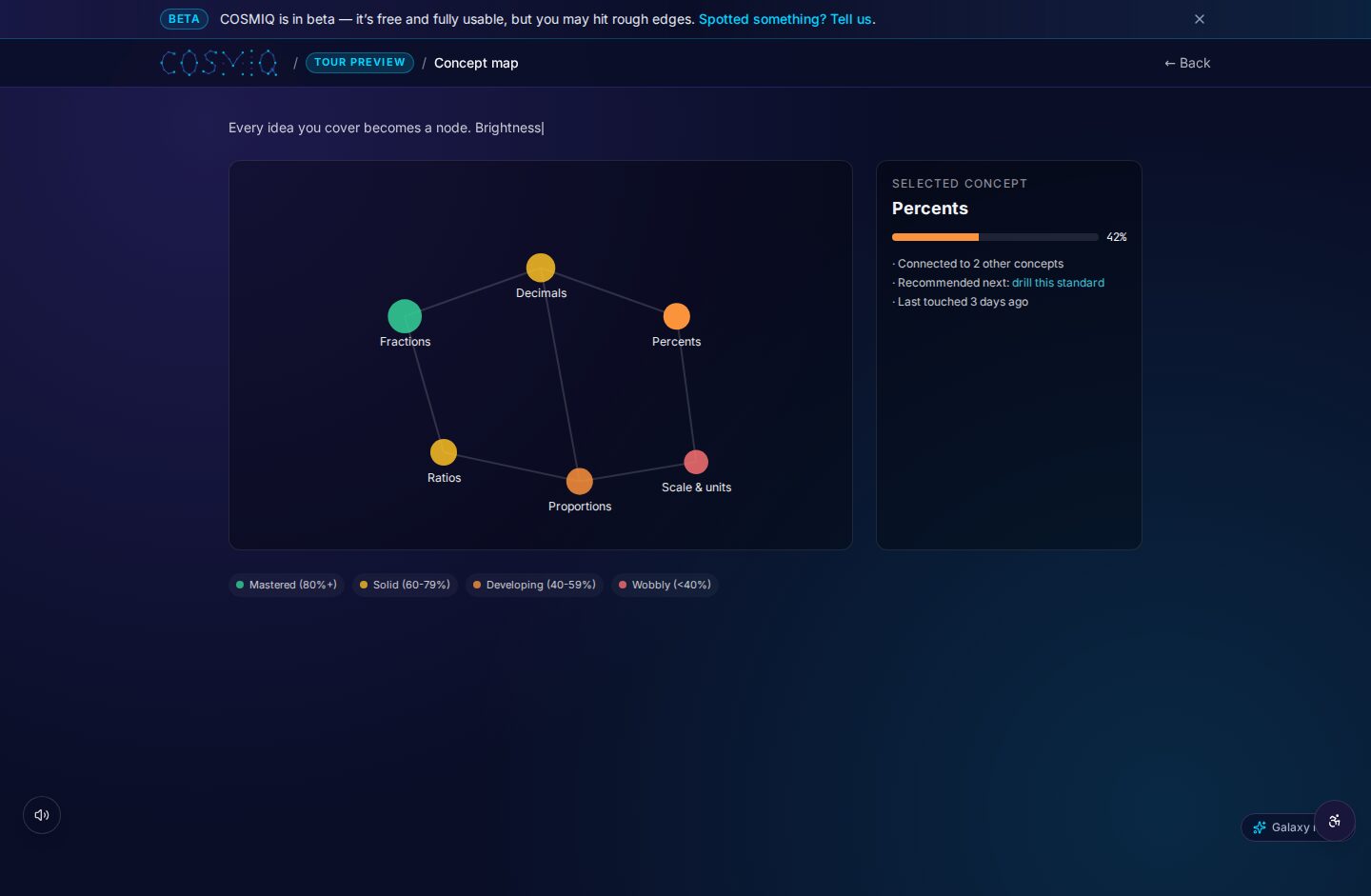
For example, programs like Cosmiq use adaptive learning technologies to assess where a student is in their learning journey and adjust the difficulty of tasks based on their responses. This real-time feedback can help educators pinpoint ZPD more quickly and accurately.
Similarly, platforms like Pedagogue offer resources and tools that can enhance teaching strategies, helping to align lessons with each student’s unique ZPD. Utilizing these resources can save time and ensure that instruction is both relevant and effective.
Additionally, online forums and communities can provide invaluable support for educators. Joining groups that focus on differentiated instruction can offer fresh ideas and strategies for identifying and addressing students' ZPDs. By sharing experiences and resources, educators can collectively enhance their teaching practices.
Promoting Student Agency
An often-overlooked aspect of identifying and working within a student’s ZPD is fostering student agency. Encouraging students to take ownership of their learning can significantly impact their growth. When students feel they have a say in their education, they're more likely to engage deeply with the material.
Start by inviting students to set their learning goals. Whether academic or personal, having them articulate what they want to achieve can help you better understand their ZPD. This process can be empowering and motivate them to work towards those goals.
You can also incorporate self-assessments. Allowing students to reflect on their understanding of a topic encourages metacognition—the awareness and regulation of their own learning process. For example, after a unit on fractions, you might ask students to rate their comfort level with the topic and identify areas where they still feel unsure. This can provide you with insight into their ZPD.
Lastly, create opportunities for students to make choices in their learning. Whether it’s by selecting topics for projects or choosing how they want to demonstrate their understanding, giving them options can significantly enhance their engagement and ownership.
Final Thoughts on ZPD
Identifying a student’s Zone of Proximal Development is not just an educational strategy; it’s a way to foster a love for learning. When you meet students where they are and guide them through their challenges, you empower them to grow. Remember, the goal is not only to help them succeed academically but also to build their confidence and resilience.
The journey of learning is filled with ups and downs; your role is to navigate it alongside your students. By honing in on their ZPD and employing effective teaching strategies, you're not just teaching—you're cultivating lifelong learners.
And as we navigate this educational landscape together, remember that the heart of teaching lies in relationships. It’s about understanding each student’s unique needs and fostering an environment where they can thrive. So keep your eyes open, your heart engaged, and your mind ready to adapt. The rewards will be worth it.
Related resources: help students grow in ways that are both challenging and achievable · theedadvocate.org
Learn anything, free.
COSMIQ is a free, voice-driven AI tutor for every learner. No credit card, ever.
Start learning free →