How to Monitor and Update Your Child's 504 Plan for Continued Success

Understanding the 504 Plan
A 504 Plan is a part of the Rehabilitation Act of 1973, aimed at protecting the rights of individuals with disabilities. Do you know if your child’s school has one in place? If they face challenges in learning or participating in school activities due to physical or mental impairments, a 504 Plan can provide necessary accommodations. This could mean extra time on tests or access to specific resources.
However, just having a 504 Plan isn’t enough. It’s essential to actively monitor and update it to ensure it meets your child’s evolving needs. Think of it as a living document; it should grow and change as your child progresses through school. Each child is unique, and their educational journey is filled with experiences that can influence their needs. For instance, a child who initially struggled with reading might find their needs change as they develop stronger skills, necessitating a different set of accommodations.
The Importance of Regular Monitoring
Why is regular monitoring crucial? Well, let’s face it: kids grow and change rapidly. Their academic and social needs shift, and what worked last year may not work now. Keeping a close eye on how your child responds to their accommodations can provide you with valuable insights. This is especially true as they enter new grades or switch schools, where the teaching styles and expectations can differ significantly.
You might want to ask questions like: Are they still struggling with certain subjects? Are they leveraging the resources provided? Engaging with your child regularly about their school experience can help you identify areas where adjustments are necessary. Regular check-ins can be as simple as having a conversation over dinner or asking them about their day. For instance, if your child expresses frustration with math, it might be time to reassess their accommodations—perhaps they need a different set of tools or methods to aid their understanding.
Additionally, pay attention to their emotional well-being. Sometimes, a child might not verbalize their struggles but show signs of anxiety or frustration. Documenting these moments can be key to understanding the broader picture of your child's needs.
Gathering Input from Educators
Teachers and school staff are on the front lines. They see your child in action—how they interact with peers, how they handle classroom tasks, and whether they’re utilizing their accommodations effectively. Establishing open lines of communication with your child’s educators is vital. You might consider scheduling regular meetings or sending emails to discuss your child’s progress.
Don't hesitate to ask for specific feedback. For instance, does your child seem more engaged when they have access to certain tools? Are there any noticeable changes in their performance over time? This information can help you gauge the effectiveness of the current 504 Plan and inform potential updates. Teachers may have suggestions or insights that you hadn’t considered, such as incorporating peer tutoring or additional technology that could enhance your child’s learning experience.
Building relationships with your child’s educators can also provide you with access to additional resources. For example, if a teacher knows of a workshop or training that could benefit your child, they might share that information with you. This kind of collaboration can prove invaluable.
Documenting Your Child's Progress
Documentation is your friend. Keeping a record of your child’s academic performance, social interactions, and emotional well-being can give you a clearer picture of what’s working and what isn’t. This doesn’t have to be a formal process; a simple notebook or digital document where you jot down observations and notes can be extremely helpful. You can track grades, attendance, and even anecdotal notes about your child's behavior or feelings about school.
For example, if your child struggles with test anxiety, document their performance on exams over a semester. Are there improvements when they use certain accommodations? This kind of data can be invaluable when discussing potential changes to their 504 Plan. Consistent documentation not only strengthens your case during meetings but also helps you spot trends over time—perhaps your child performs better in smaller group settings or needs more breaks during long assignments.
You could also create a chart or graph to visualize changes over time. This can be particularly impactful in meetings with educators who may respond better to visual representations of progress or challenges.
Timing for Updates
Knowing when to make updates is just as crucial as monitoring the plan itself. You should consider reviewing the 504 Plan at least once a year, but don’t shy away from making changes in between if you notice significant shifts in your child’s needs. Keep an eye on academic milestones, transitions to different grade levels, and new challenges that may arise.

For instance, if your child moves from elementary to middle school, the learning environment can be quite different. New subjects, more homework, and different social dynamics might require adjustments to their accommodations. Keeping an eye on these transitions can help you advocate for your child effectively. Maybe they need more organizational assistance in middle school due to increased workload or a different approach to social skills development, especially if they struggle to make friends.
It's also important to consider changes outside of academics. If your child experiences significant life events, such as a divorce or the loss of a family member, this could affect their emotional state and, in turn, their academic performance. Being proactive about these potential shifts can help you tailor their 504 Plan accordingly.
Advocating for Your Child
As a parent, you are your child's biggest advocate. If you see that the current 504 Plan isn't meeting their needs, it’s your responsibility to push for changes. Often, parents feel intimidated by the school system, but remember that you know your child best. Your insights and observations hold significant weight in discussions with educators.
Prepare for meetings by bringing your documented observations and feedback from teachers. Be ready to discuss specific accommodations that might better serve your child. It’s not just about what you think; it’s about what will effectively support your child’s success. This could include proposing additional resources like a one-on-one aide, assistive technology, or even a modified curriculum. The more specific you can be, the better.
When advocating for your child, it can also be helpful to frame your requests in terms of their overall well-being and academic success. For example, if you're suggesting more frequent breaks, explain how this can improve their focus and reduce anxiety. This approach can help educators understand the rationale behind your requests and foster greater collaboration.
Utilizing Resources for Guidance
You don’t have to navigate this process alone. There are various resources available to help you understand and manage your child’s 504 Plan. Websites like the [Ed Advocate](https://www.theedadvocate.org/) provide excellent information on educational rights and responsibilities. Familiarize yourself with these resources, as they can offer insights into what other parents have successfully implemented.
Additionally, consider connecting with parent advocacy groups. They can offer support and share experiences that can guide you in effectively managing your child’s needs. You might even find workshops and seminars that focus on understanding special education rights—a valuable asset in your advocacy toolkit. Online communities can also be incredibly helpful. Joining forums where parents discuss their experiences can provide you with a sense of camaraderie and practical advice.
Another vital resource is your child’s school counselor. They can help you navigate the 504 Plan process and ensure that all the necessary steps are being taken to support your child. Don't hesitate to utilize their expertise and ask questions about the resources available within the school.
Building a Support Network
Creating a support network is essential, both for you and your child. Surround yourself with other parents who understand the challenges associated with a 504 Plan. They can provide emotional support and practical advice based on their experiences. Schools often have parent-teacher organizations where you can connect with other families, share insights, and build a community.
Additionally, don't overlook the value of professionals who can offer guidance. School counselors, social workers, and psychologists can play a key role in your child’s educational journey. They can provide insights into social dynamics and emotional well-being, ensuring that all aspects of your child’s development are considered when reviewing their 504 Plan.
Consider forming or joining a local support group focused on special education needs. This can be a great way to share resources, learn about local events, and gather tips on navigating both school and social situations.
The Role of Technology in Monitoring
In this digital age, technology can be a powerful tool for monitoring your child’s 504 Plan. There are apps and software designed specifically for tracking academic performance, managing assignments, and facilitating communication between parents and educators. These digital tools can help you keep a close eye on your child’s progress and ensure that accommodations are being met.
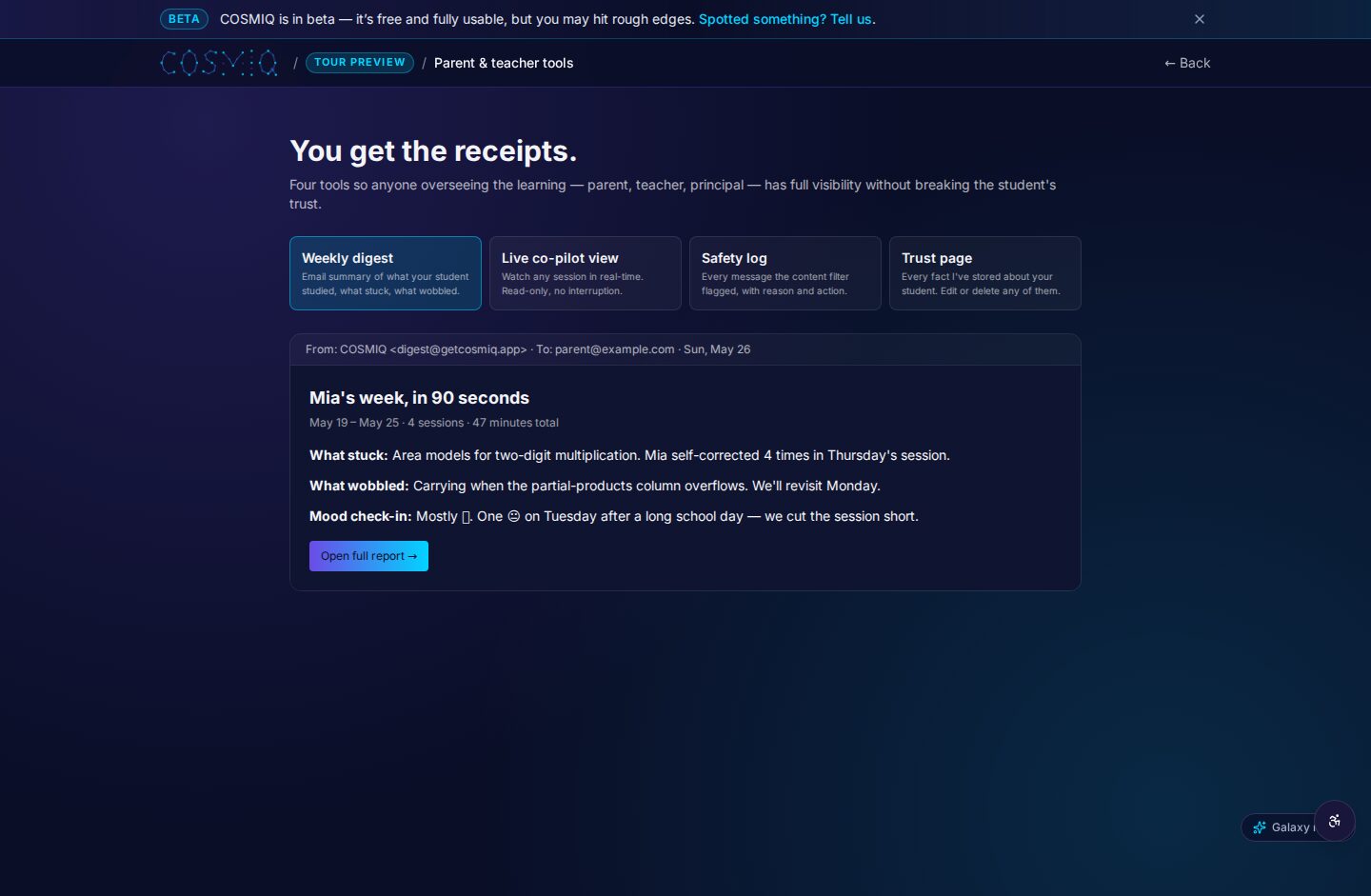
For example, using a shared calendar app can allow you to view important school dates, project deadlines, and testing days. It can also serve as a platform for your child to organize their tasks, which is particularly beneficial for children who struggle with executive functioning skills. When used effectively, technology can streamline the process of monitoring and updating your child's 504 Plan while fostering a sense of responsibility and independence in your child.
Moreover, online learning platforms often have built-in analytics that can provide insights into your child’s performance over time. These can be invaluable in identifying patterns and making informed decisions about necessary adjustments.
Preparing for the Future
Looking ahead, it’s essential to prepare your child for transitions—whether it’s moving to a new school or preparing for post-secondary education. As your child grows, their needs will evolve, and so should their 504 Plan. Discuss their aspirations, whether academic or vocational, and consider how their accommodations can support these goals.
For instance, if your child is interested in attending college, it might be beneficial to introduce them to resources available for college students with disabilities, like tutoring services or academic counseling. Discussing these options can empower them and help them understand the importance of advocating for their own needs in an educational setting. Preparing them for future independence is just as crucial as monitoring their current accommodations.
Consider connecting with local colleges or vocational programs that have support systems in place for students with disabilities. This can provide your child with firsthand knowledge of what to expect and how to navigate their educational journey successfully.
Recognizing and Addressing Overlooked Areas
While monitoring academic progress is critical, it’s equally essential to recognize and address areas that are often overlooked. For instance, social skills and emotional well-being are just as crucial for your child's overall success. If your child struggles with social interactions, their 504 Plan might benefit from accommodations that facilitate peer interactions or provide support in social settings.
Think about including goals for social development in their 504 Plan. This could involve structured group activities, social skills training sessions, or even designated times for peer interactions during school hours. By addressing these areas, you not only support their academic success but also enhance their ability to build meaningful relationships.
Furthermore, consider the impact of extracurricular activities. If your child is involved in sports or clubs, ensure these opportunities align with their accommodations. Sometimes, schools may not realize the importance of adapting these activities to meet the needs of all students. Open the conversation on how to make these programs accessible and beneficial for your child.
Fostering Independence and Self-Advocacy
As important as it is to advocate for your child, it’s equally critical to encourage them to become self-advocates. Teach them how to communicate their needs and understand their 504 Plan. This skill will empower them not only in school but in life beyond the classroom.
Start by discussing with them what accommodations are in place and why they are beneficial. Role-playing different scenarios can also help. For example, practice how they might approach a teacher to ask for extra time on a test or request assistance with an assignment. These skills will be invaluable as they grow older and face more complex situations.
Encourage your child to reflect on their experiences and articulate their feelings about their educational journey. This ongoing dialogue can help them develop a greater sense of agency and responsibility over their learning.
Related resources: understanding and managing your child’s 504 Plan · understanding educational rights and responsibilities · pedagogue.app · getcosmiq.app
Learn anything, free.
COSMIQ is a free, voice-driven AI tutor for every learner. No credit card, ever.
Start learning free →