How to Navigate Rising Competition for Elite University Places

Record numbers of students progressing to higher education can be encouraging: more learners are seeing university as a realistic next step. At the same time, headlines about elite universities increasing their share can make the admissions process seem intimidating. For students, parents, and teachers, the most useful response is not panic or endless comparison. It is clear planning, honest self-assessment, and a balanced list of courses where a student can thrive.
What increased competition can mean
Highly selective universities often attract large numbers of well-qualified applicants. If more students apply to higher education overall, competition for certain courses, institutions, accommodation, scholarships, or specialist pathways may become more visible. An increase in the share of students entering elite institutions may also reflect changes in recruitment, access initiatives, course availability, or how students choose to apply.
It does not mean that every applicant needs a flawless record or that one university determines a student’s future. Admissions decisions usually consider a combination of academic preparation, course fit, application requirements, and—in some systems—contextual information. Requirements differ substantially by country, university, and subject, so students should rely on official admissions pages rather than assumptions from social media or school rumours.
Keep the headline in perspective
A national trend cannot predict an individual result. A student’s strongest next step is to focus on the parts they can control: course research, steady academic habits, deadlines, required assessments, and a convincing explanation of why the subject suits them. These actions remain valuable whether applications rise or fall.
Build a university list around fit, not prestige alone
Prestige can be one consideration, but it is rarely enough to choose a course well. A university experience is shaped by the subject content, teaching style, location, cost, support services, community, placements, and the opportunities a student is likely to use. The “best” choice is personal.
Encourage students to create a balanced shortlist. The exact application rules vary, but the underlying approach is widely useful:

- Aspirational choices: courses that are genuinely exciting but may be especially competitive or have entry expectations at the upper end of the student’s current profile.
- Well-matched choices: courses where the entry requirements, subject interests, and learning environment align closely with the student’s strengths.
- Reliable alternatives: options the student would be happy to attend and for which they are well prepared, including different institutions, routes, or related subjects where appropriate.
Students should compare course modules, not only university names. Two programmes with the same title can have very different emphases. For example, a psychology, computer science, history, or business degree may vary in its research focus, assessment methods, placement opportunities, and optional modules.
Questions worth asking
- What will I study in the first year and beyond?
- Which qualifications, subjects, portfolio pieces, tests, or interviews are required?
- How is the course assessed: exams, coursework, practical work, presentations, or projects?
- What academic, financial, disability, language, and wellbeing support is available?
- Can I realistically afford the tuition and living costs, and what funding options should I investigate?
- Would I still feel positive about this choice if nobody else knew its ranking?
Prepare early and show genuine academic engagement
Strong applications are usually built over time. For competitive courses, students benefit from learning the requirements early enough to make sensible subject choices and develop relevant evidence. That evidence should be authentic. Admissions teams are better served by a clear account of sustained interest than by a long list of activities with no reflection.
Depending on the course and admissions system, useful preparation may include reading beyond the syllabus, attending a school lecture or local event, completing a small independent project, practising a creative portfolio, volunteering in a relevant setting, or exploring introductory materials from reputable institutions. The important step is to reflect: What did the student learn? Which question did it raise? How does it connect to the course?
Depth is often more persuasive than breadth. One meaningful project explored carefully can say more than a crowded list of unrelated achievements.
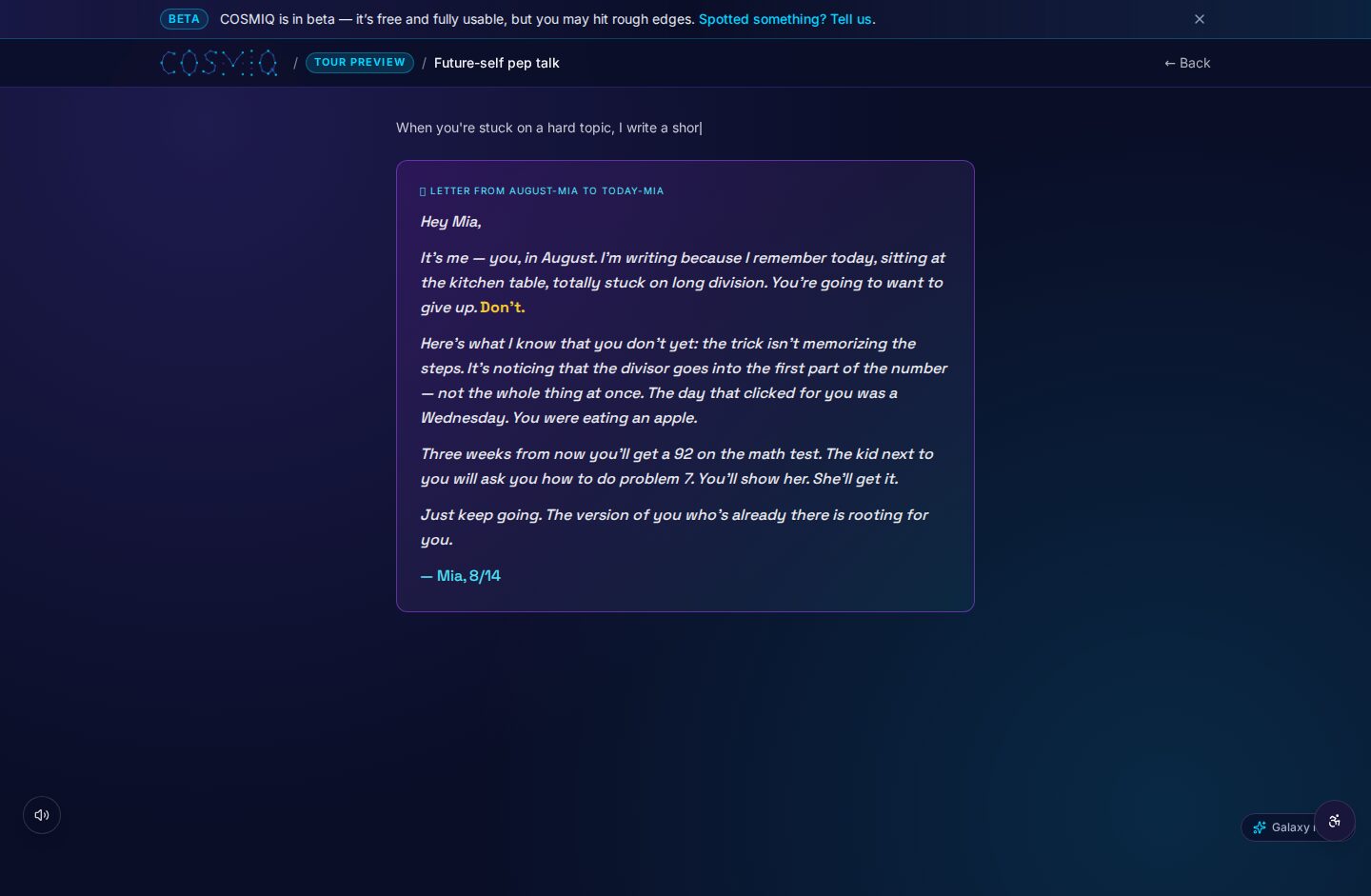
Academic foundations still matter. Students should identify the subjects or skills that carry the most weight for their intended course and create a realistic weekly study routine. A voice-driven tutoring tool can be helpful for talking through difficult concepts, practising explanations aloud, creating revision questions, or rehearsing an interview response. It should support—not replace—class teaching, independent reading, feedback from teachers, and official application guidance.
Make applications manageable for students, families, and teachers
Admissions processes can involve forms, references, predicted grades, personal statements or essays, portfolios, interviews, tests, financial-aid documents, and multiple deadlines. Breaking the process into smaller tasks reduces last-minute stress.
- Start with a deadline map. Record every deadline and work backwards. Include dates for requesting references, registering for tests, drafting written materials, and gathering documents.
- Create a course-research sheet. For each option, note entry requirements, costs, key modules, admissions steps, and questions to ask.
- Draft, pause, revise. Written statements improve when students allow time between drafts. They should use their own voice and follow each institution’s rules on support and AI use.
- Practise talking about the subject. For interviews or oral assessments, students can rehearse explaining an idea, responding to an unfamiliar problem, and saying when they need time to think.
- Protect wellbeing. Sleep, breaks, movement, and time away from applications are practical parts of sustained performance—not rewards to postpone until the process ends.
Parents can help by asking open questions and keeping practical tasks organised, rather than treating every conversation as a performance review. Teachers can support students by clarifying requirements, giving specific feedback, and helping them identify courses that fit their academic profile. Both can remind students that an offer or rejection is an admissions decision at one point in time, not a verdict on their ability or potential.
Remember that there is more than one strong route forward
University is one valuable path, but it is not the only route to meaningful learning and work. Depending on a student’s goals and local opportunities, alternatives may include apprenticeships, technical or vocational programmes, foundation courses, gap-year plans with purpose, employment with training, or applying again later. Even within higher education, transferring, studying part-time, commuting, or beginning at a different institution can be sensible choices.
When participation in higher education grows and elite places attract attention, the healthiest strategy is to stay ambitious without becoming narrowly attached to a single outcome. Research carefully, prepare consistently, apply broadly where the system allows, and choose environments in which learning can continue. A thoughtful plan gives students more options—and more confidence—whatever the admissions cycle brings.
Learn anything, free.
COSMIQ is a free, voice-driven AI tutor for every learner. No credit card, ever.
Start learning free →