How to Pick the Right AI Tutor Personality for Your Learner

In an age where learning is more personalized than ever, using an AI tutor can be a game-changer for many students. But not all AI tutors are created equal. Just like humans, AI tutors come with their own unique 'personalities'. These personalities can greatly affect how well a student engages, comprehends, and retains information. So, how do you pick the right AI tutor personality for your learner? Let’s explore the factors to consider.
Understanding AI Tutor Personalities
Before you can choose the right one, you need to understand the different types of AI tutor personalities. Imagine a classroom where each tutor has a distinctive style. Some are nurturing and patient, while others are more assertive and goal-oriented. Here are a few examples of the '8 AI tutor personalities': 1. The Encourager: This personality provides constant positive reinforcement. They celebrate small victories and motivate students to push through challenges. Think of it like having a personal cheerleader who lifts your spirits at every little success. 2. The Challenger: These tutors are tough but fair. They push students to think critically and don't let them give up easily. They might ask probing questions that make learners reconsider their answers, fostering deeper understanding. 3. The Friend: This personality builds rapport and creates a comfortable learning environment. The Friend makes learning feel less intimidating. They may use humor and relatable anecdotes to break the ice, helping students feel at home. 4. The Expert: Knowledge is their superpower. They dive into complex topics and provide in-depth explanations. They’re perfect for learners who are curious and want to know the 'why' behind concepts. 5. The Organizer: This tutor is all about structure. They help students manage their time and break down tasks into manageable parts, making overwhelming material feel digestible. 6. The Storyteller: They use narratives to make learning more relatable and engaging. Storytelling helps to cement concepts in memory, turning abstract ideas into tangible experiences that learners can connect with. 7. The Innovator: Always on the cutting edge, they use technology and new methods to make learning exciting. They might incorporate games or interactive simulations to keep the learning process fresh and stimulating. 8. The Listener: This personality focuses on understanding the student’s feelings and thoughts. They tailor their teaching to the individual’s emotional needs, ensuring that the lessons resonate on a personal level.
Assessing Your Learner’s Needs
Every learner is unique. Some thrive in a structured environment, while others need emotional support. To pick the right AI tutor personality, start by assessing your learner’s needs. Ask yourself: 1. What are their learning goals? Are they preparing for a specific exam, or are they exploring new interests? 2. How do they respond to different teaching styles? Do they prefer direct instruction, or do they engage better with a more conversational approach? 3. Are they motivated by encouragement, or do they thrive under pressure? Some students need a gentle nudge, while others excel when challenged. For instance, if your learner is struggling with confidence, an Encourager might be the best fit. They can create a supportive atmosphere that fosters growth. Conversely, if they’re a high achiever who needs an extra push, then a Challenger could work wonders, spurring them to reach new heights. You can even conduct informal surveys or discuss their feelings about learning styles to glean valuable insights.
Creating a Comfortable Learning Environment
It's proven that comfort plays a huge role in learning. If a learner feels at ease, they’re likely to absorb information better. For this reason, AI tutor personalities that emphasize empathy and understanding—like The Listener or The Friend—are often effective. A tutor that can gauge emotional responses and adapt accordingly might help a shy student open up, or encourage a more reserved learner to ask questions they might otherwise hesitate to voice. Consider a student who is nervous about tackling math problems. An AI tutor with a Friendly personality might use easygoing language and relatable examples to lower anxiety levels. Alternatively, a Listener might ask them about their feelings towards math, tailoring the approach to address their specific fears and challenges. You might even see a boost in their overall enthusiasm for learning just because they feel supported rather than pressured. Additionally, creating a comfortable learning environment goes beyond just personality traits. It involves setting up the physical or virtual space in a way that fosters a positive experience. For instance, if your learner studies at a desk cluttered with distractions, it might be time for a clean, organized study area. Bright lighting, comfortable seating, and minimal noise can all enhance the learning experience. If using an AI tutor in a virtual setting, ensure that the technology is working smoothly and that the interface is user-friendly. This attention to detail can make the difference between a productive study session and one filled with frustration.
Evaluating Engagement and Interaction
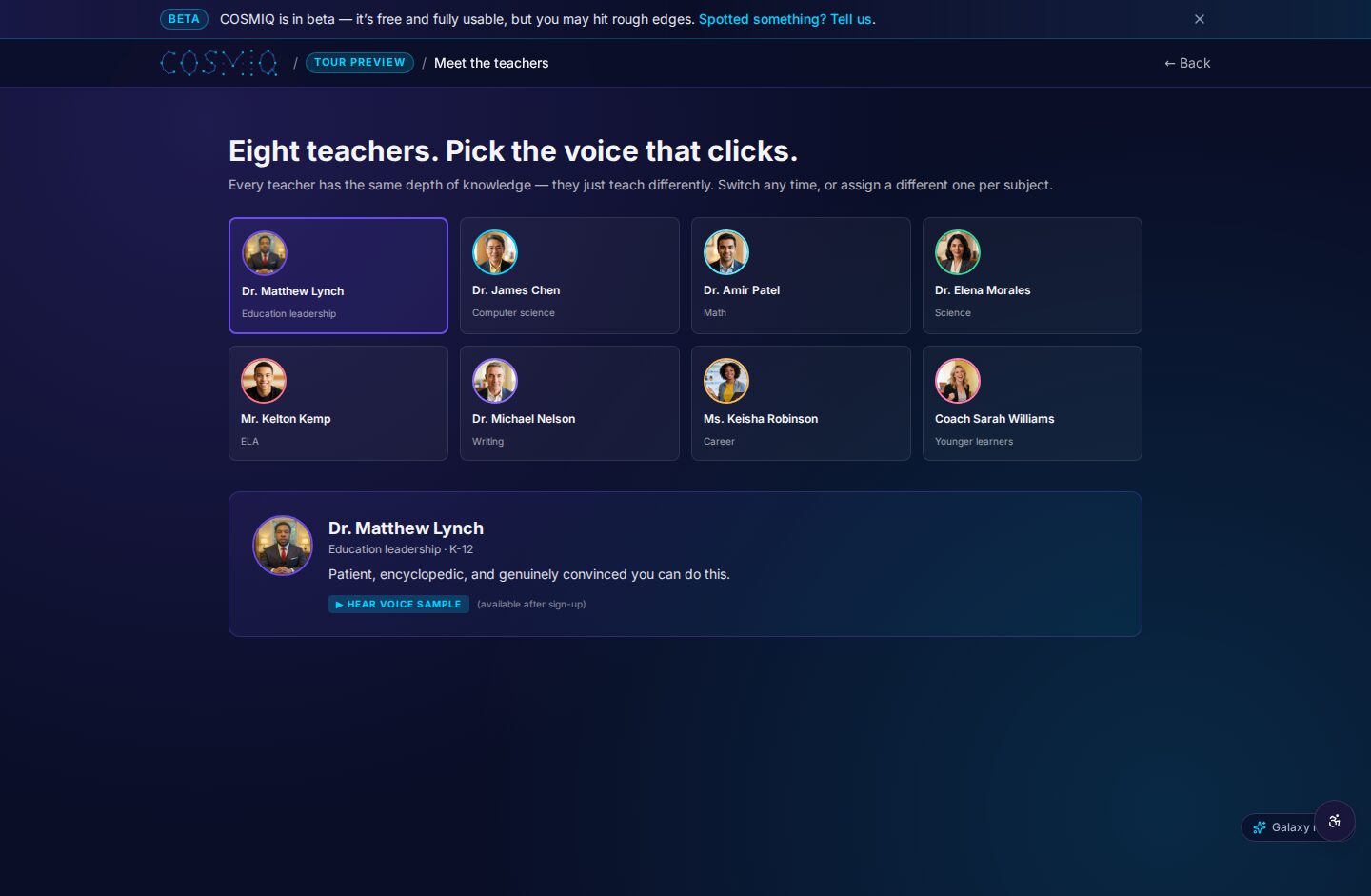
Engagement is key. The right AI tutor personality can make all the difference in keeping a learner’s interest piqued. Consider how your learner interacts with technology. Does your child respond well to a friendly interface? Then a tutor with a playful, approachable personality like The Friend might be ideal. But if they prefer a more serious approach, perhaps the Expert or Innovator would resonate better. You might want to test different AI tutors and observe who sparks the most engagement during lessons. For example, if your child responds well to games and challenges, an Innovator could implement gamified learning experiences that make education feel more like play than work. On the flip side, if they benefit from depth and detail, the Expert’s comprehensive lessons may be just what they need. This trial-and-error phase is crucial; it allows you to observe how different personalities can change your learner's attitude towards their studies. To help you gauge engagement, consider taking notes during your learner's sessions. Are they asking questions? Are they showing signs of excitement or frustration? Engaging students are often active participants. They may express their thoughts openly, make connections to what they’ve learned, and even show eagerness to continue the conversation. On the contrary, disengaged learners might seem passive, responding with one-word answers or showing little curiosity. Observing these cues can guide you in adjusting the AI tutor choice to better suit their needs.
Tailoring Content to Personality Types
Once you've chosen a personality, make sure the content matches. An AI tutor that's nurturing won't just offer praise but will also tailor its lessons to keep your learner motivated and engaged. For example, The Storyteller can use narratives that connect with the learner's interests while the Organizer may help outline a detailed study plan that keeps everything on track. For instance, if your learner is a fan of fantasy stories, a Storyteller could integrate those themes into the lessons, turning literature analysis into a thrilling quest. Meanwhile, if they're struggling with time management, The Organizer could introduce a study schedule with clear milestones, breaking larger projects into bite-sized tasks. The combination of the content style with the right personality can lead to significant learning outcomes, making the lessons not just informative but also enjoyable. Additionally, consider the learner’s current knowledge level when tailoring content. For example, if a student is familiar with basic math concepts but struggles with advanced topics, the Expert personality could provide a gradual increase in difficulty, ensuring the learner doesn’t feel overwhelmed. Tailoring the pace and difficulty of the content to match the learner's current understanding can keep them engaged and foster a sense of achievement as they progress.
Gathering Feedback and Making Adjustments
Picking an AI tutor personality isn’t a 'set it and forget it' task. Regularly collect feedback from your learner about their experience. Are they enjoying the lessons? Do they feel supported? If they’re not responding well, it might be time to switch personalities. If your child finds The Expert too dry, maybe they’d prefer the interactive style of The Innovator. Regular check-ins can help you adapt and find the best fit. Consider setting up a weekly or bi-weekly feedback session where your learner can share their thoughts openly. Encourage them to express what they appreciate about their current tutor and what they’d like to see change. This ongoing dialogue not only helps you tweak the learning experience but also empowers your learner, making them feel involved in their educational journey. In addition to verbal feedback, consider using assessments or quizzes to gauge understanding and comfort levels with the material. If a learner is consistently struggling with certain topics, it could indicate that the AI tutor isn't meeting their needs adequately. Analyzing their performance can help you decide whether to keep the same personality or explore a different one. This way, you’re not just relying on subjective feelings; you’re backing decisions with data.
The Future of Learning with AI Tutors
Looking ahead, the adaptability of AI tutor personalities will only improve. As technology evolves, we can expect even more refinement in how these personalities resonate with learners. This means you have the opportunity to keep experimenting until you find the perfect fit for your child’s learning journey. Just remember, it’s all about finding that balance between personality and pedagogical effectiveness. The right AI tutor personality can turn the learning experience from a chore into a joy. Future advancements may even allow for AI tutors to learn and adapt in real-time based on student interactions, effectively evolving their personality to better suit individual learners as they grow. Imagine a world where your child’s AI tutor becomes more attuned to their needs each day, refining its methods and strategies to match their learning pace and style seamlessly. This evolution could include deeper emotional intelligence, allowing AI tutors to understand when a student feels frustrated or bored, then adjusting their approach accordingly. Moreover, as AI becomes increasingly integrated into classrooms, you may find that these tutors can work in tandem with traditional educators. This collaboration could enrich the learning experience, allowing for a multifaceted approach that combines the strengths of human interaction with the precision and adaptability of AI. The future indeed looks bright for personalized learning.
Building a Collaborative Learning Relationship
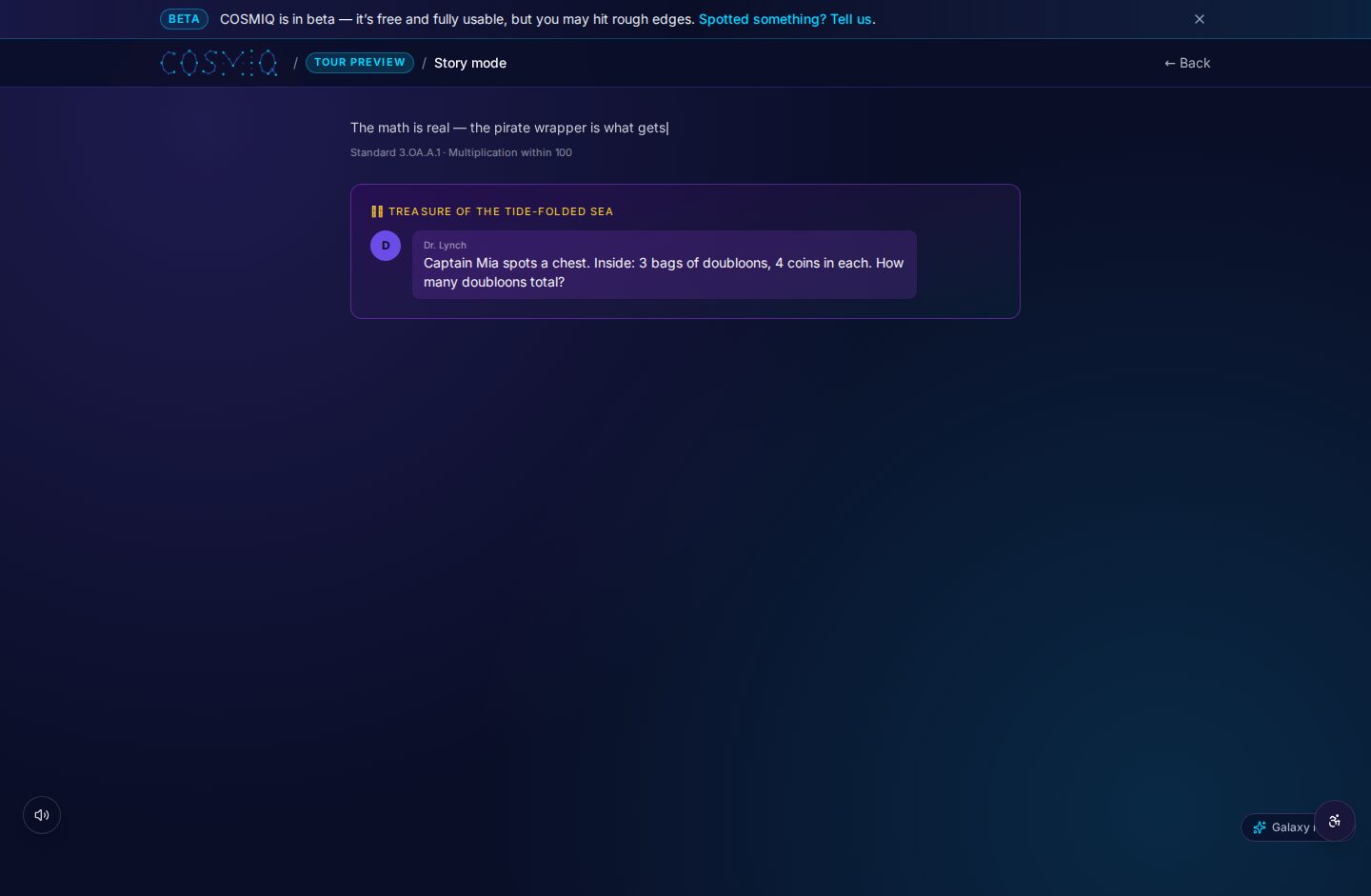
One of the most significant benefits of using AI tutors is the opportunity for collaboration. While you might think of AI as a tool used in isolation, it can actually become part of a broader educational ecosystem that includes teachers, parents, and peers. Imagine integrating an AI tutor into a structured learning program where the parent or teacher checks in regularly to assess progress. This collaborative approach ensures that everyone involved is on the same page and can offer their insights into what works and what doesn’t. For example, if a parent notices that the AI tutor is resonating well with their child, they can reinforce that positive experience with encouragement at home, leading to a more comprehensive learning environment. Furthermore, collaboration can extend to peer learning. Encourage your learner to share their experiences with classmates or friends. Not only does this foster a sense of community, but it also allows learners to compare notes, share tips, and offer support to one another. AI tutors can even facilitate group interactions or study sessions, enriching the learning experience through shared knowledge and perspectives.
Exploring Cultural and Socioeconomic Factors
When selecting an AI tutor personality, it’s crucial to consider cultural and socioeconomic factors as well. Different backgrounds can influence how a learner engages with materials and tutors. For instance, a child from a nurturing cultural background may thrive with a Listener or Encourager, while a learner from a more competitive environment might respond better to a Challenger. Understanding these nuances can help ensure that the AI tutor’s personality aligns with the learner’s cultural context and learning preferences, ultimately enhancing their educational experience. Consider factors such as language and communication styles. A child who comes from a bilingual household may benefit from a tutor that understands and incorporates their native language, making learning more accessible. Similarly, a tutor that appreciates cultural references can make lessons more relatable and engaging. By paying attention to these factors, you not only enhance learning but also make it more meaningful.
Choosing the Right AI Tutor Personality: A Personalized Journey
Choosing the right AI tutor personality for your learner is a dynamic and personal decision. Engage in the process, analyze the feedback, and keep your learner's unique needs at the forefront. Investing time in this selection can yield remarkable results in their educational journey. As you navigate this landscape, remember that flexibility is key. The process of finding the perfect AI tutor personality might take time, but with persistence and a thoughtful approach, you can create an enriching learning experience tailored specifically for your child's needs. You might find that your learner's needs evolve over time. As they progress academically, what worked last year may not be as effective this year. Don’t hesitate to revisit your choices, reassess their needs, and switch up the AI tutor personality accordingly. It’s all part of creating a responsive and nurturing learning environment that empowers your student to thrive. After all, the ultimate goal is not just to teach but to inspire and ignite a lifelong love of learning.
Related resources: 8 AI tutor personalities
Learn anything, free.
COSMIQ is a free, voice-driven AI tutor for every learner. No credit card, ever.
Start learning free →