How to Use Exit Tickets as Effective Formative Assessments

Understanding Exit Tickets
Let’s start with the basics. Exit tickets are short assessments that students complete at the end of a lesson or class. Think of them as a quick pulse check on what your students have learned. They can be as simple as a few questions on paper or even digital forms. They offer immediate feedback to both you and your students about the lesson’s effectiveness.
It’s not just about checking a box, though. Exit tickets can provide invaluable insights into student understanding, misconceptions, and engagement. Consider this: if you ask a student to summarize the day’s lesson in one sentence, you’re likely to get a revealing snapshot of their comprehension level. Understanding this is crucial as it informs your next steps in teaching. You can use this real-time feedback to adjust your teaching style or revisit specific topics that students find challenging.
Moreover, the simplicity of exit tickets makes them accessible and easy to implement in any classroom setting. Whether you're teaching kindergarteners or high school seniors, exit tickets can be tailored to fit your students’ needs. They bridge the gap between formal assessments and informal checks for understanding. Best of all, they require minimal preparation time, allowing you to focus on what really matters – teaching!
Why Use Exit Tickets?
So, why should you bother with exit tickets? The short answer is that they’re incredibly versatile and beneficial. First off, they help you gauge comprehension swiftly. If everyone struggles with a particular concept, it signals that you may need to revisit it in future lessons. Consider a scenario where the entire class misinterprets a key concept. Wouldn't you want to know that right away instead of waiting until the next test?
Additionally, they foster a sense of ownership in students. By reflecting on what they learned, students engage with the material more deeply. When students know they’ll be asked to articulate their understanding, they’re more likely to pay attention during lessons. It becomes a two-way street where teaching turns into a dialogue rather than a monologue. When they realize their input matters, it boosts their confidence and encourages them to take responsibility for their learning.
Another vital point is that exit tickets help identify students who may be struggling but aren’t vocal about it. Some students may not ask questions during class due to shyness or fear of being judged. However, when given the opportunity to write down their thoughts anonymously, they may be more forthcoming about their misunderstandings. This can help you provide support to those who need it most.
Crafting Effective Exit Tickets
Now, let’s talk about how to create exit tickets that work. The first step is to ask open-ended questions. Yes, you can throw in a few multiple-choice questions, but don’t underestimate the power of a well-phrased open-ended question. For instance, instead of asking, "What is the main idea of the lesson?" you might ask, "How does the main idea connect to what we discussed last week?" This encourages deeper thinking and helps students draw connections between lessons.
Another effective technique is to limit the number of questions. Rather than overwhelming students with a long list, select 2-3 thoughtful queries. This lets them focus and gives you clear, actionable data. For example, you could ask them to identify one concept they understood well and one they’re still grappling with. You might also ask questions like, "What was the most surprising thing you learned today?" or "What question do you still have about today’s material?" These prompts can elicit richer responses.
Don’t hesitate to mix up the formats as well. Some students may thrive on visuals or creative expressions, so allow for options like drawing a quick sketch that represents what they learned or writing a brief poem. This allows students with diverse learning styles to express their understanding in a way that feels comfortable to them.
Timing and Environment Matter
You can’t just throw exit tickets at the end of every lesson without considering timing and the classroom environment. Make sure it feels like a natural conclusion to the lesson. If students feel rushed, they won’t provide meaningful responses. You might consider giving a 5-minute warning before transitioning to exit tickets to prepare their minds for reflection.
Also, create a comfortable environment for students to express their thoughts. If they know that their responses won’t be judged or graded harshly, they’ll be more likely to share their genuine understanding and concerns. This can be achieved through establishing a culture of trust within the classroom. You might say something like, "This is just for me to understand how to help you better, so be honest!" Creating this kind of atmosphere can significantly impact the quality of the feedback you receive.
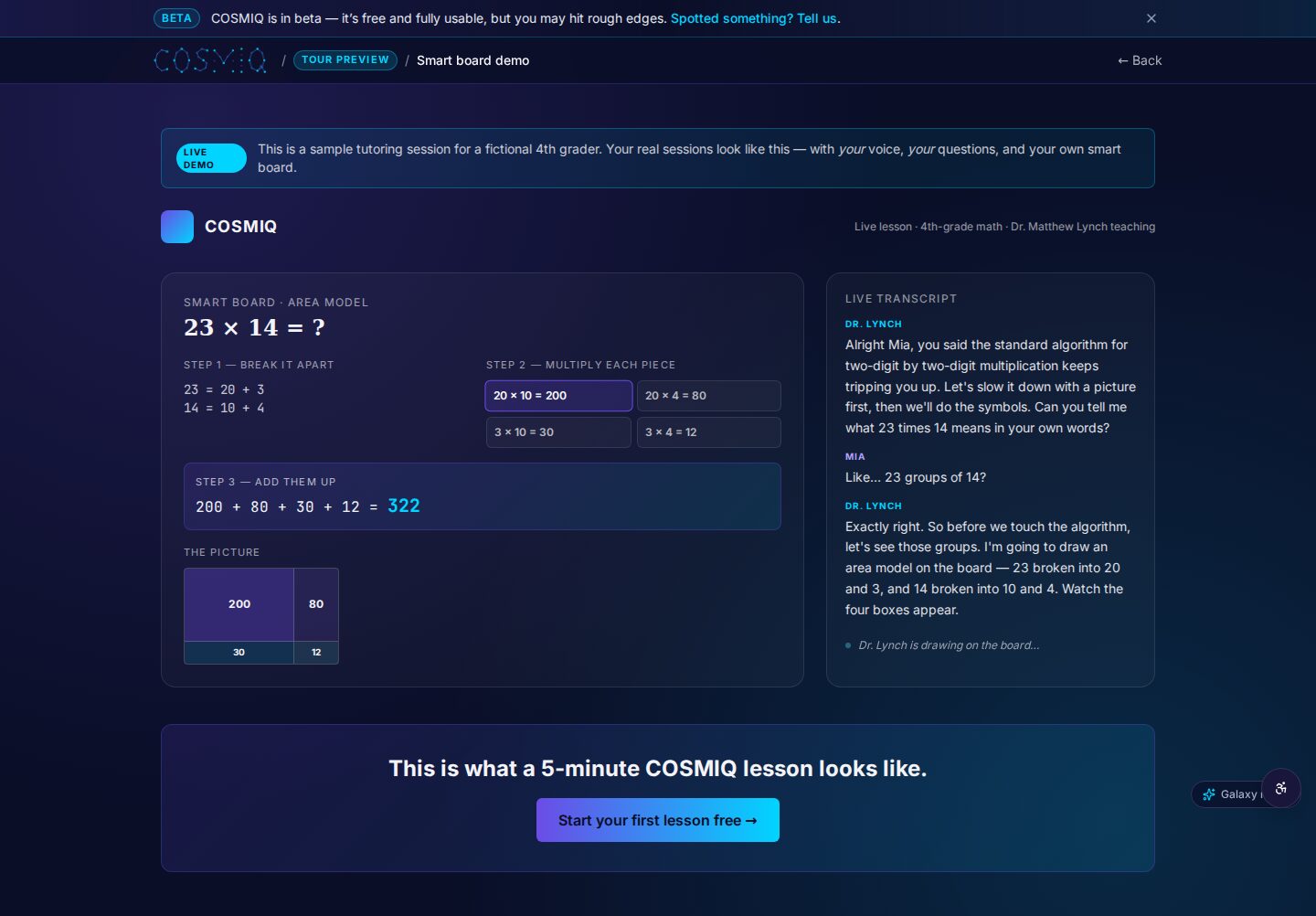
Consider incorporating collaboration into this process, too. You could allow students to discuss what they learned in pairs or small groups before they fill out their exit tickets. This peer interaction can clarify their thoughts and lead to more comprehensive responses. It also encourages a sense of community where students support each other in their learning journey.
Using Technology to Enhance Exit Tickets
In our tech-savvy age, it makes sense to incorporate technology into your exit ticket strategy. There are several online tools that allow you to create digital exit tickets, which students can fill out on their devices. This not only saves paper but also allows for quicker data analysis. Students appreciate the convenience of online forms, and it can even be more engaging for them.
Platforms like Pedagogue or Cosmiq can help streamline this process. With a digital format, you can easily review responses and identify trends over time. For instance, if you notice repeated misconceptions in responses, you can address them in future lessons. The data collected can also be invaluable for tracking student progress over the course of the semester.
By using technology, you can also incorporate multimedia elements into your exit tickets. Imagine asking students to submit a short video or audio reflection instead of traditional text. This can cater to different learning styles and make the process feel fresher and more relevant to students. Plus, it’s a fantastic way to incorporate some creativity into your assessments.
Analyzing Exit Ticket Data
Creating exit tickets is just half the battle; analyzing the data is where the real magic happens. Once you collect the responses, take the time to review them thoughtfully. Look for patterns or common themes that might indicate areas where students are struggling. This is where you can truly make your teaching effective.
Let’s say a significant number of students mention they’re confused about a specific concept. This should prompt you to adjust your lesson plans. You might plan additional review sessions or incorporate different teaching strategies to cater to those misunderstandings. For example, if many students are struggling with a math concept, consider revisiting it with a visual aid, using manipulatives, or breaking down the steps in a more detailed manner.
Furthermore, you can even involve students in the analysis process. Share anonymized exit ticket responses with the class and discuss what the data suggests about their collective understanding. This not only shows transparency but also empowers students to take charge of their learning. They might even come up with solutions or strategies to tackle the areas of confusion themselves.
Making Adjustments Based on Feedback
Ultimately, the goal of using exit tickets as formative assessments is to inform your teaching. If you find that students consistently struggle with certain topics, it’s a cue for you to rethink your approach. Don’t hesitate to adapt your lesson plans based on what the exit tickets reveal.
For example, if students express confusion about applying a formula in math, consider introducing more hands-on practice or visual aids. This kind of flexibility shows your students that you’re responsive to their needs, which can significantly boost their engagement and motivation. When they see that their feedback leads to tangible changes, they feel valued and more connected to the learning process.
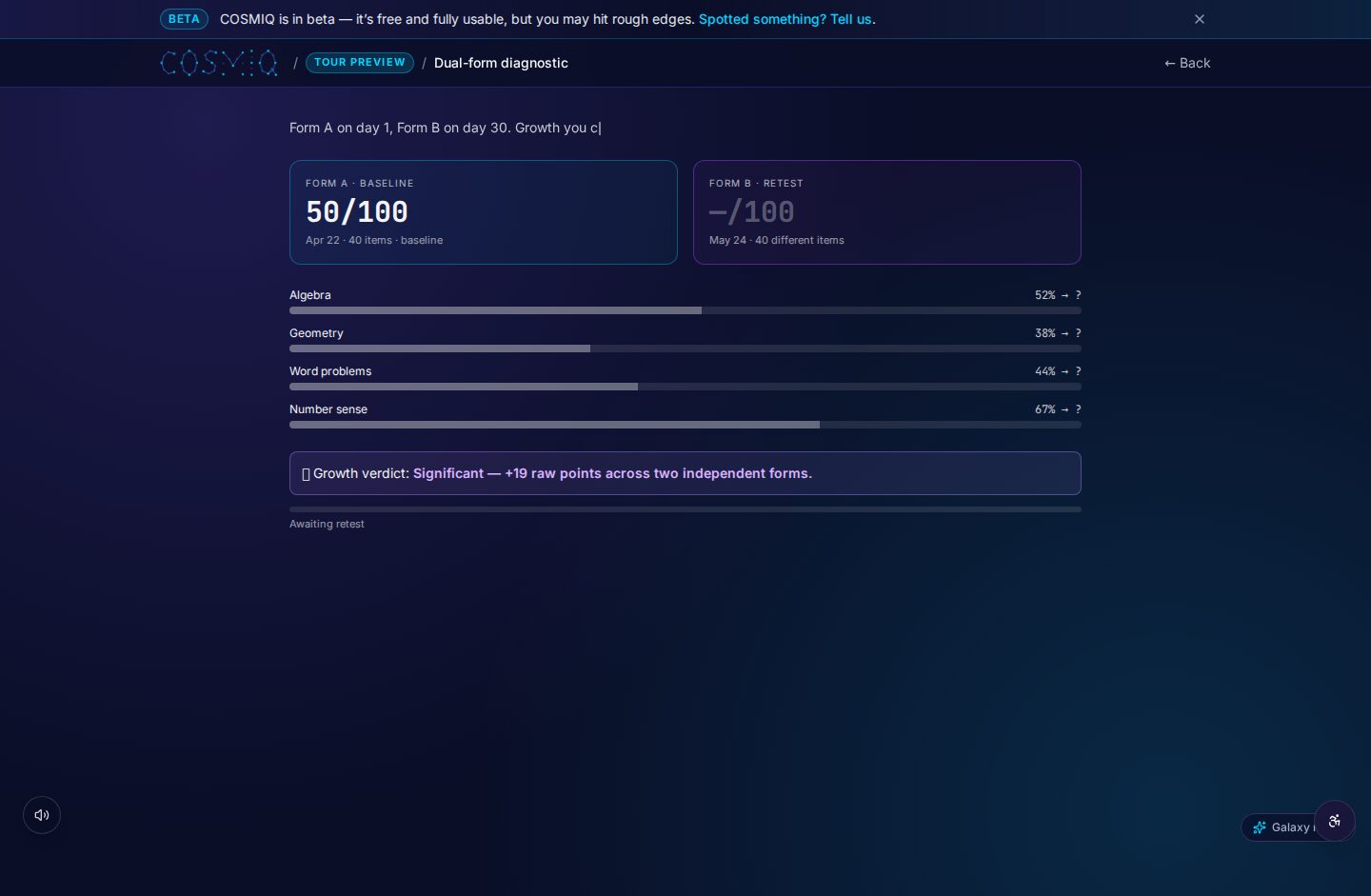
You could also arrange targeted small-group sessions based on common exit ticket responses. If a few students are struggling with a concept while the rest seem to grasp it well, you can use that data to differentiate your instruction. This approach not only helps those who need extra assistance but also allows you to provide enrichment for students who are ready to move on.
Building a Routine
Incorporating exit tickets into your teaching should become a routine. The more consistently you use them, the more beneficial they’ll be. Make exit tickets a regular feature of your classes, and soon they will become second nature for both you and your students. Think of it as a ritual that signals the end of each lesson.
You might even want to allocate a few minutes at the beginning of class time to review past exit tickets and discuss what was learned. This not only reinforces the material but also shows students that their input is valued, ultimately fostering a more open and collaborative learning environment. By routinely reflecting on past lessons, students will begin to make connections between their learning and the assessments.
Consider implementing a system where students can track their own progress based on exit ticket feedback. This reflection can lead to deeper learning and self-assessment. You can create a simple chart or journal for students to record trends in their understanding based on the feedback they provide. This practice encourages them to take ownership of their learning path.
Creating a Culture of Feedback
Building a culture around exit tickets requires a commitment to feedback, not just for the students but for you as a teacher. Create an open channel where students feel comfortable discussing their responses to exit tickets. Regularly address the feedback they provide in class discussions, and invite them to offer suggestions for future lessons or topics. This engagement creates a partnership in learning.
Encouraging students to ask questions or express concerns can help demystify the learning process. Make it a habit to ask them how they felt about the material covered and what they would like to explore further. This not only validates their experiences but also enriches your teaching strategy.
Furthermore, consider setting aside time for peer feedback. Students can exchange exit tickets with classmates for additional perspective. This not only enhances their understanding but also fosters a sense of community as they work together to support each other academically.
Potential Pitfalls and How to Avoid Them
While exit tickets can be incredibly effective, there are potential pitfalls worth noting. One common mistake is assuming that all students will provide honest feedback. If students feel pressured or fear negative consequences, they may not be truthful in their responses. To counter this, emphasize the importance of honesty and anonymity, if necessary.
Another issue could arise from poorly designed questions. If exit tickets are too vague or confusing, students may struggle to provide meaningful feedback. Make sure to test your questions ahead of time and refine them based on previous experiences. Asking a colleague to review your exit tickets can also provide fresh insight.
Finally, don’t fall into the trap of over-relying on exit tickets as the sole measure of understanding. They are just one tool in your assessment toolbox. Combine exit tickets with other assessments, such as quizzes or discussions, to create a well-rounded view of student learning.
Related resources: drmattlynch.com
Learn anything, free.
COSMIQ is a free, voice-driven AI tutor for every learner. No credit card, ever.
Start learning free →