Identifying Your Student’s Zone of Proximal Development: Assessment Strategies

Every teacher knows that one size does not fit all when it comes to learning. Each student has unique strengths and weaknesses, making it essential to tailor instruction to meet individual needs. That’s where the concept of a student’s Zone of Proximal Development (ZPD) comes into play. This term, coined by psychologist Lev Vygotsky, refers to the range of tasks that a learner can perform with guidance but cannot yet accomplish independently. Understanding how to identify and assess this zone is crucial for effective teaching and fostering student growth.
Understanding the Zone of Proximal Development
Before we jump into assessment strategies, let’s clarify what ZPD really means. Think of it as the sweet spot for learning. It’s the gap between what a student can do on their own and what they can do with help. Picture a child who can add single-digit numbers but struggles with double digits. Their ZPD would include tasks like adding two-digit numbers with some assistance from a teacher or peer. Recognizing this zone can help educators push their students just enough to stimulate growth without causing frustration.
Why is this understanding important? Well, when you properly identify a student’s ZPD, you can scaffold your instruction to provide just the right amount of challenge. Scaffolding involves offering support, guidance, and an appropriate level of difficulty to facilitate learning. This tailoring not only builds confidence but also promotes deeper understanding. Challenging a student too much can lead to anxiety and disengagement, while not challenging them enough can lead to boredom. It’s a delicate balance.
To illustrate this, consider two different students: one, Alex, is slowly grasping the concept of division, while the other, Jamie, has a solid understanding but lacks confidence when faced with word problems. If both students are presented with the same task without regard to their ZPDs, Alex might feel lost and frustrated, while Jamie might disengage due to a lack of challenge. By understanding their ZPDs, you can create tailored strategies to engage both learners effectively.
Observation: The First Step in Assessment
One of the most effective ways to assess a student’s ZPD is through observation. Watch your students during lessons and activities. Pay attention to how they tackle challenges. Do they struggle with a concept? Do they breeze through? Observational assessments can provide insight into how much support a student needs.
For instance, let’s say you’ve assigned a math problem involving word problems. As you circulate the room, you notice one student solving the problems confidently while another sits staring blankly at the page. This moment informs you that the first student is beyond their current ZPD for the task, while the second might benefit from additional support or simpler tasks. This simple act of observation doesn’t just reveal where students are; it also helps you adjust your teaching methods in real-time.
But don’t stop at just watching during lessons. Consider keeping a systematic record of your observations. You might create a chart or log to track how often students seek help or how they respond to various activities. This record can provide a clearer picture of each student’s capabilities over time. For example, if you notice that a student consistently excels in group settings but struggles in independent tasks, you can infer that their ZPD might shift depending on the context.
Formative Assessment Techniques
Formative assessments are another useful tool in identifying a student’s ZPD. These assessments occur during the learning process and are designed to gauge student understanding. Examples include quizzes, exit tickets, or quick writing prompts. They provide real-time feedback and can inform your teaching.
Imagine giving a short quiz at the end of a lesson on fractions. The results reveal that some students grasp the concept while others are still confused. This information allows you to regroup and offer targeted instruction to those struggling. Thus, formative assessments not only identify students’ current capabilities but also guide your future lessons.
In addition to quizzes, other methods like think-pair-share or one-minute reflections can be effective as well. For instance, after a lesson on historical events, you might ask students to write for one minute about how those events impact their lives today. Collecting these reflections provides insight into their understanding and helps you identify where they might need more support. This approach personalizes their learning experience and keeps lines of communication open.
Peer Assessment: Learning Together
Incorporating peer assessments into your classroom can also be a game changer. Students often learn just as much from teaching each other as they do from direct instruction. By encouraging students to give feedback to one another, you can identify areas where they might be struggling.

For example, consider a group project where students must collaborate to create a presentation. As they work together, you can observe who takes the lead and who needs help. If one student is explaining concepts to another, it indicates that the learner is operating within their ZPD when paired with a peer. This dynamic can help you see how students can support each other and where they might need additional assistance or scaffolding.
To make peer assessment more effective, establish clear guidelines and rubrics for what good feedback looks like. When students understand the criteria, they can provide more constructive input. Additionally, consider rotating peer partners regularly to expose students to different perspectives and teaching styles. This not only enhances their learning but also fosters a collaborative classroom environment.
Testing for Understanding: The Role of Standardized Assessments
While observational and formative assessments provide valuable insights, standardized testing can also serve a purpose. These assessments can offer a broader view of where a student stands in relation to their peers. However, it’s essential to use these results wisely.
If a student performs poorly on a standardized test, it may not indicate a lack of ability but rather a mismatch between their current ZPD and the test’s expectations. Thus, while these tests are useful for a snapshot of understanding, they should be supplemented with other assessments to paint a fuller picture of a student’s capabilities. A single score can be misleading, so consider it as just one piece of the puzzle.
Additionally, discussing test results with students can be incredibly beneficial. Not only does it help them understand their scores, but it also offers an opportunity to set goals together. If a student sees where they need to improve, it can motivate them to work within their ZPD to achieve those goals. This engagement in their learning process fosters a growth mindset and encourages resilience.
Using Technology for Assessment
In this digital age, technology can streamline the process of identifying a student’s ZPD. Various educational platforms offer tools for real-time assessment and feedback. For instance, platforms like Pedagogue can help you track student progress and provide insights based on data.
Imagine using an app that allows students to take quizzes at their own pace. As they answer questions, the app adapts, presenting more challenging material as they improve. This immediate feedback loop not only keeps students engaged but also helps you identify their current ZPD quickly. Technology can make the process more efficient while providing rich data to inform your teaching.
Furthermore, using interactive tools like online discussion boards or educational games can provide additional insights into student understanding. These platforms often allow for anonymous participation, creating a safe space for students to express their thoughts without the fear of judgment. Analyzing their contributions can highlight where they feel confident and where they might need more help. With technology at your fingertips, the potential for deeper understanding has never been more accessible.
Creating Individualized Learning Plans
Once you’ve identified your students’ ZPD, the next step is to create individualized learning plans. This is where you take all the information you've gathered and tailor your instruction to meet the needs of each student. It can be as simple as adjusting group activities or as complex as developing unique lesson plans for students who need extra support.
For example, let's say you find that two students in your class are at different levels of understanding in reading. One might be ready to tackle chapter books while the other is still struggling with phonics. By tailoring your lesson plans to accommodate both levels, you’re not only fostering growth within their ZPDs but also ensuring that each student feels challenged yet capable.
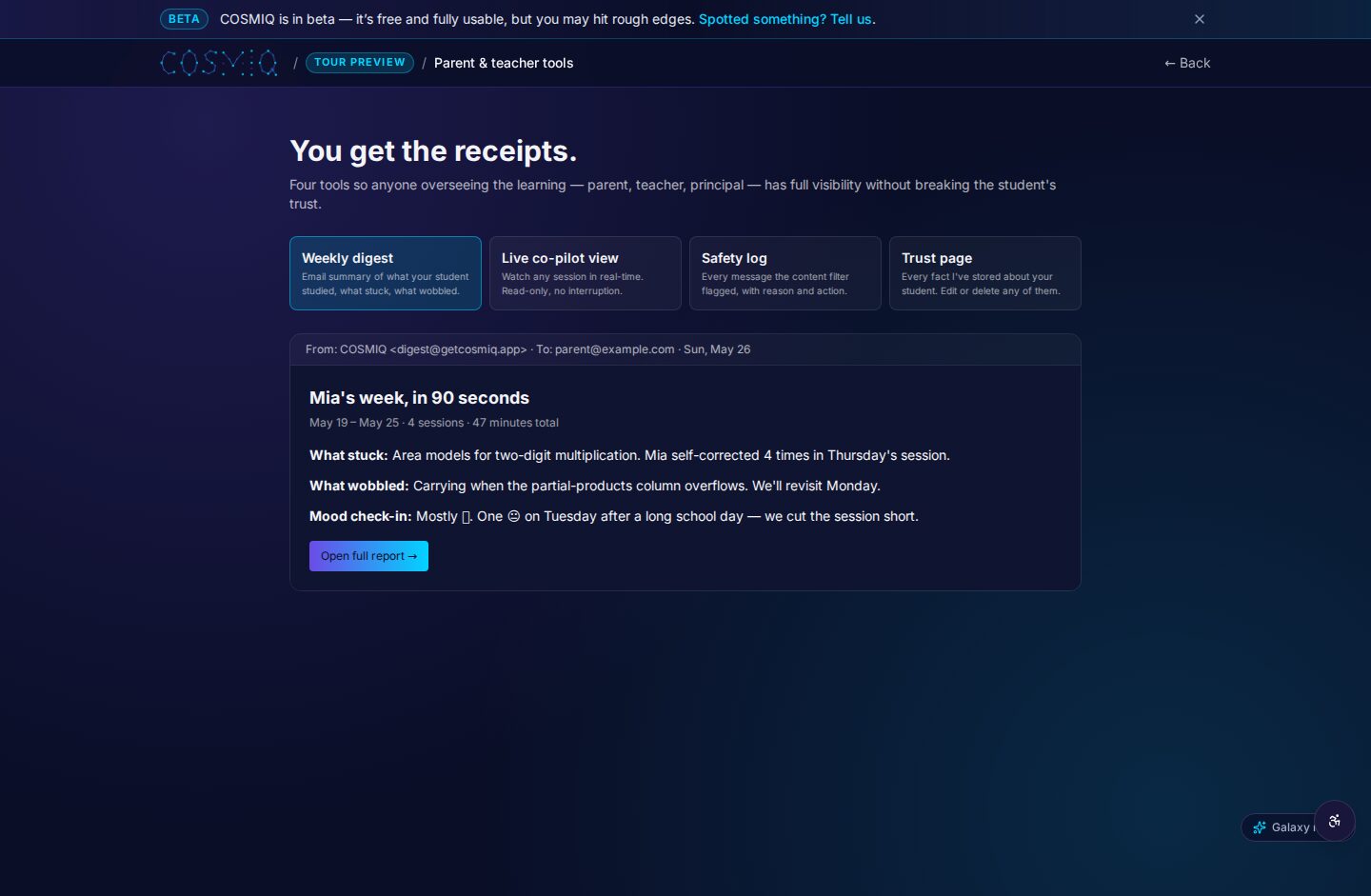
Tools like GetCosmiq can assist in creating these individualized plans, allowing you to store data and adjust instruction as needed. It enables you to keep pace with each student’s growth and continually assess their ZPD as they progress. Moreover, consider involving students in their own learning plans. Encourage them to set personal goals and reflect on their progress. This investment in their learning journey can be motivating and empower them to take ownership of their education.
Reflecting on Assessment Practices
After implementing various assessment strategies, it’s crucial to reflect on their effectiveness. Ask yourself: Are you accurately identifying each student’s ZPD? Are your teaching strategies aligned with their needs? Gathering feedback from your students can also provide insight into how they perceive the support they receive. Sometimes, students can articulate their needs better than we assume.
Consider conducting a simple survey asking your students about their learning experiences. Are they feeling challenged? Are they receiving enough support? This feedback can help you refine your assessment strategies and ensure that you’re catering to their learning needs.
Remember, identifying a student’s ZPD is not a one-time task. It’s an ongoing process that requires vigilance, flexibility, and adaptability. By employing a mix of observational assessments, formative testing, peer assessments, and technology, you can create a rich and supportive learning environment where every student can thrive.
Engaging Parents in the Process
An often overlooked aspect of identifying and supporting a student’s ZPD is the involvement of parents. Engaging parents in this process can provide additional support for students outside the classroom. When parents understand their child’s learning needs, they can reinforce concepts at home or advocate for necessary resources.
One effective strategy is to hold workshops or informational sessions for parents. During these sessions, you can explain the concept of ZPD, share how you assess it, and discuss strategies they can use at home to support their child’s learning. Provide them with resources, such as books or learning games, that align with their child's ZPD. This collaboration between school and home can significantly enhance a student's learning experience.
Additionally, regular communication with parents can also be beneficial. Sending home progress reports or updates on specific areas their child is working on can keep them informed and engaged. For instance, if a student is excelling in math but struggling with writing, parents can assist by incorporating writing exercises into family activities, such as journaling or storytelling. This kind of partnership can create a more cohesive educational experience.
Evaluating the Effectiveness of Your Assessment Strategies
Finally, you must constantly evaluate the effectiveness of the assessment strategies you implement. This involves not just assessing your students, but also assessing how well your assessment methods are working. Are they providing the insight you need to understand your students’ ZPDs? Are they helping you adjust your teaching strategies effectively?
Consider using a feedback loop. After a set period, such as a grading period, gather data on student progress and reflect on the assessment methods used. For example, you might analyze test scores alongside observations and formative assessments to see if they align. If there’s a discrepancy, this could indicate a need to adjust how assessments are designed or interpreted.
Additionally, it can be beneficial to solicit feedback from colleagues as well. They may have insights or suggestions that can improve your assessment practices. Periodic professional development can also introduce you to new techniques and tools that others have found effective. By staying open to change and continuously refining your practices, you’ll be better equipped to meet your students where they are and support their growth.
Related resources: understanding how to identify this zone · getcosmiq.app · theedadvocate.org
Learn anything, free.
COSMIQ is a free, voice-driven AI tutor for every learner. No credit card, ever.
Start learning free →