Inclusive Education and Innovation: A Path Forward from the Academic Summit

The landscape of education is continuously evolving, with a growing emphasis on ensuring that every student has the opportunity to succeed. A recent academic summit, convened by the University of Cape Town (UCT), placed a spotlight on this crucial movement, bringing together thought leaders, educators, and innovators to discuss the convergence of inclusive education and technological advancements. The event, according to UCT News, aimed to foster dialogue and collaboration on how best to create learning environments that cater to the diverse needs of all learners.
For parents, teachers, and students alike, the discussions at such summits are vital. They represent a collective effort to dismantle barriers to learning and to envision a future where education is truly equitable. The insights shared at UCT underscore a commitment to not only identify challenges but also to actively develop and implement solutions that benefit the entire educational community.
Understanding Inclusive Education in Today's World
Inclusive education is more than just a buzzword; it's a pedagogical philosophy and a set of practices designed to ensure that all students, including those with disabilities, come from diverse linguistic or cultural backgrounds, or face socio-economic challenges, are educated together in mainstream settings to the greatest extent possible. According to the University of Cape Town, the summit explored various facets of this concept, emphasizing that true inclusion goes beyond physical presence in a classroom. It involves creating a learning environment where every student feels valued, supported, and challenged appropriately.
For teachers, this often means adapting curricula, employing differentiated instruction, and utilizing assistive technologies. For students, it means access to resources and support that enable them to engage fully with their learning. Parents play a crucial role in advocating for their children and collaborating with schools to ensure their needs are met. The summit highlighted that a holistic approach, involving all stakeholders, is essential for successful inclusive practices.
The Role of Innovation in Fostering Inclusivity
Innovation, particularly in educational technology (edtech), is proving to be a powerful catalyst for inclusive education. The UCT summit explored how new tools and methodologies can bridge gaps and create more accessible learning pathways. This includes everything from adaptive learning platforms that personalize content to voice-driven AI tutors that offer on-demand support.

One area of significant discussion was how technology can empower students with diverse learning styles or needs. For instance, digital tools can provide alternative formats for content, such as text-to-speech or visual aids, making information accessible to a wider range of learners. Interactive simulations can offer hands-on experiences that might otherwise be difficult to provide in a traditional classroom setting.
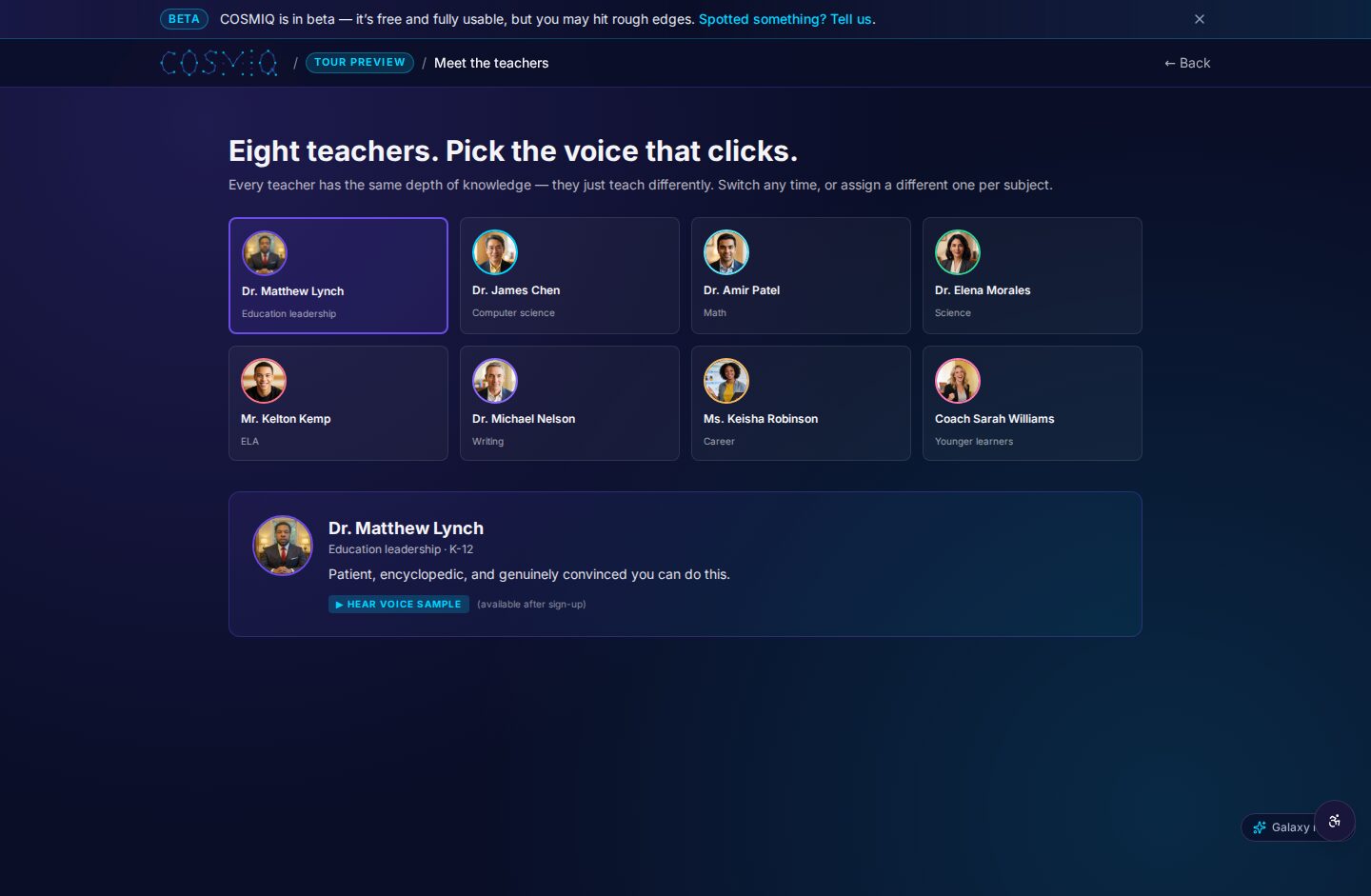
Platforms like COSMIQ, a free voice-driven AI tutor, exemplify how innovation can support inclusive education by offering personalized, accessible learning assistance for K-12 students. Tools like these can supplement classroom learning, provide extra practice, and help students grasp complex concepts at their own pace. Students can also find a free practice hub by grade and subject to reinforce their learning.
University of Cape Town's Contribution to the Dialogue
As a leading academic institution, the University of Cape Town's role in hosting and shaping this summit is significant. According to UCT News, the university provided a platform for rigorous academic discourse, allowing researchers and practitioners to share findings, best practices, and innovative solutions. UCT's involvement underscores its commitment to addressing critical educational challenges, particularly those pertinent to the African continent and the global south.
The university's expertise in various fields, from education and psychology to engineering and computer science, allows for a multidisciplinary approach to inclusive education. This integrated perspective is crucial for developing solutions that are not only technologically advanced but also pedagogically sound and culturally relevant. By facilitating these conversations, UCT helps to shape future policies and practices that will ultimately benefit countless students.
Practical Takeaways for Educators, Families, and Students
The insights from the UCT summit offer valuable guidance for anyone involved in education:
- For Educators: Embrace new technologies and pedagogical strategies that cater to diverse learning needs. Seek out professional development opportunities that focus on inclusive practices and the effective integration of edtech. Collaboration with specialists and families is key.
- For Families: Be informed advocates for your children. Understand their unique learning styles and needs, and communicate openly with schools. Explore available resources, including free online tools, that can support your child's learning journey.
- For Students: Take advantage of the diverse learning resources available, both in school and online. Don't hesitate to seek help when needed, whether from teachers, peers, or AI-powered learning tools. Embrace different ways of learning and discover what works best for you.
Looking Ahead: The Future of Inclusive Education
The convergence of inclusive education and innovation, as discussed at the UCT summit, paints a hopeful picture for the future of learning. It emphasizes a proactive approach to creating educational systems that are adaptable, equitable, and effective for every student. While challenges remain, the ongoing dialogue and collaborative efforts showcased by institutions like the University of Cape Town are crucial steps toward realizing this vision. The focus on leveraging technology, fostering community, and continuously adapting to student needs will be paramount in building truly inclusive learning environments for 2026 and beyond.
Learn anything, free.
COSMIQ is a free, voice-driven AI tutor for every learner. No credit card, ever.
Start learning free →