Interactive Whiteboard Tutoring: See the Steps, Not Just the Answer

Imagine a classroom where every student can see each step of a math problem unfold right before their eyes. Instead of just writing down the final answer, they engage with the learning process. This is the magic of interactive whiteboard tutoring. In today’s educational environment, where technology merges seamlessly with traditional teaching methods, the interactive whiteboard tutor stands out as a remarkable tool for enhancing comprehension and retention.
The Evolution of Learning Tools
Gone are the days when chalkboards were the pinnacle of classroom technology. While chalkboards served their purpose, they lacked the dynamic features needed for today’s learners. Interactive whiteboards have transformed the way teachers instruct and students learn. With the ability to display visuals, videos, and interactive content, these tools cater to a variety of learning styles. They encourage participation and make lessons memorable.
Take the example of a math lesson on fractions. Instead of merely explaining the concept verbally, a teacher can use an AI math whiteboard to illustrate how to divide a whole into parts visually. Students can manipulate the fractions themselves, moving pieces on the screen to better understand how they fit together. This visual approach caters especially to visual learners who might struggle with abstract concepts.
Moreover, the evolution of these tools reflects a significant shift in educational philosophy. The notion that students should merely absorb information has been replaced by an emphasis on engagement and interaction. Today, classrooms strive to be vibrant spaces where students actively construct knowledge rather than passively receive it.
Interactive whiteboards facilitate this shift by providing a platform for dynamic lessons. For instance, during a history lesson, a teacher might utilize a timeline tool on the board to let students drag and drop significant events into the proper chronological order. This method transforms a typically dull subject into a hands-on experience that students can remember long after the lesson has ended.
Breaking Down Complex Concepts
Perhaps one of the most significant benefits of an interactive whiteboard tutor is the ability to break down complex concepts into digestible parts. When a student faces a challenging topic, the tendency may be to give up after seeing a difficult equation. But with an interactive whiteboard, the teacher can guide students through each step, making the learning process feel less daunting.
Imagine a student grappling with algebraic equations. The teacher can display each part of the equation on the AI math whiteboard, showing exactly how to solve for x. By incrementally revealing the steps, students not only see the answer but understand how to reach that answer. They become active participants in their education, and this engagement can significantly improve their confidence in tackling similar problems in the future.
Doesn’t it feel satisfying to tackle a problem piece by piece? Students don’t just memorize methods; they truly grasp the logic behind them. A good example is when a teacher utilizes an interactive whiteboard tutor to illustrate the Pythagorean theorem. Instead of just presenting the formula, they can visually manipulate a right triangle on the screen, demonstrating how the squares of the legs relate to the square of the hypotenuse. This kind of engaging visualization makes a seemingly complex theorem much more approachable.
The use of interactive whiteboards fosters a mindset of inquiry and exploration. Students feel encouraged to ask questions, challenge assumptions, and seek out deeper understanding. This contrasts sharply with traditional teaching methods, where students might hesitate to speak up due to fear of being wrong. By creating an open environment where mistakes are seen as learning opportunities, interactive whiteboard tutoring can significantly enhance students’ critical thinking skills.
Encouraging Collaboration
Another advantage of using interactive whiteboards is the collaborative environment they foster. In a traditional classroom setup, students often work in isolation. However, a virtual chalkboard tutor can change that. By allowing multiple students to interact with the board simultaneously, they can collaborate on problem-solving in real-time.
For instance, consider a group of students working on a science project. Instead of just one student at a time presenting their part, they can all add their input on the interactive whiteboard. They can draw diagrams, input data, and make changes as they go along. This collaboration not only enriches their learning experience but also enhances their teamwork skills, preparing them for future collaborative endeavors.
Collaboration becomes even more meaningful when students take ownership of the learning process. When working on a group math problem, students can approach it from different angles—one might focus on calculations while another tackles interpretations. This shared responsibility encourages students to articulate their thought processes, reinforcing their understanding and boosting their confidence.
Think about a scenario where students collaborate on a literature project. Using the interactive whiteboard, they can annotate texts together, highlighting key themes or character developments as a group. This not only fosters a deeper understanding of the material but also builds communication skills that will serve them well beyond the classroom.
Personalized Learning Experiences
Personalization is a buzzword in education, and for good reason. Each student learns differently, and an interactive whiteboard tutor can cater to those unique needs. Teachers can tailor lessons based on the students’ individual progress. If a particular student struggles with a concept, the teacher can revisit and explain it using the dynamic features of the interactive whiteboard.
For example, if a student is having difficulty with geometry, the teacher can use the AI whiteboard tutor to create tailored exercises that focus on that specific topic. By adjusting the lesson based on real-time feedback, teachers can ensure that no student gets left behind, fostering a more inclusive learning environment.
Imagine a scenario where a teacher identifies a group of students struggling with multiplication. Instead of moving forward with the curriculum, they can utilize the interactive whiteboard to design engaging games that reinforce these skills. Students might compete in teams to solve multiplication problems displayed on the board, turning a challenging topic into an exciting group activity.
This targeted approach can be a game-changer in education. Educators can track progress and adapt their teaching methods accordingly, ensuring each student receives the support they need. The ability to cater to diverse learning paces means every student can succeed, creating a classroom atmosphere where achievement feels attainable for all.
Engaging Visuals to Enhance Memory
Let’s face it: our brains are wired to remember visuals better than plain text. Interactive whiteboards provide an opportunity to incorporate engaging visuals into lessons. Colorful diagrams, animated illustrations, and interactive models can make complex subjects more appealing and easier to grasp.
For example, when teaching biology, a teacher can use an interactive whiteboard to showcase a 3D model of the human heart. Instead of simply reading from a textbook, students can see how blood flows through the heart, engage with the model, and even manipulate it to understand how different parts function together. Such visual engagement creates a lasting memory, making the lesson more impactful.
When students interact with visuals, they’re not just passive recipients of information. They’re actively constructing knowledge. Consider a geography lesson where students can explore a digital map on the interactive whiteboard, zooming in on various regions to understand topography better. The tactile experience of dragging and clicking makes the knowledge more tangible.
These visual aids also play a crucial role in facilitating retention. Research shows that learners retain more information when it’s presented in a visually engaging format. By leveraging the interactive whiteboard, teachers can create a multi-sensory learning environment that not only captivates but educates.
Feedback and Assessment Made Easy
Assessment has always been a crucial part of the learning process. Interactive whiteboards provide immediate feedback, allowing teachers to gauge understanding on the spot. With an AI math whiteboard, students can solve problems in real-time, and teachers can provide instant corrections and encouragement.
Consider a scenario where a teacher poses a math problem on the board. As students work through it, the teacher can observe their methods and identify common mistakes. This instant feedback loop enables teachers to adjust their instruction based on the students’ needs, ensuring a more effective learning experience. Plus, it reduces the anxiety students might feel when waiting for graded tests to come back.
Imagine a student who makes a typical error in solving an equation. Instead of submitting their work and waiting for feedback later, they can receive on-the-spot guidance from the teacher. This immediate correction not only clarifies misunderstandings but also reinforces students' confidence in their abilities.
Furthermore, interactive whiteboards allow for a more comprehensive assessment experience. Teachers can incorporate quizzes into the lessons, enabling students to demonstrate their understanding in real-time. As students answer questions displayed on the board, the teacher can monitor the overall class performance, adjusting their teaching as necessary. These assessments can even be gamified, adding an element of fun to the learning process.
The Future of Tutoring with Technology
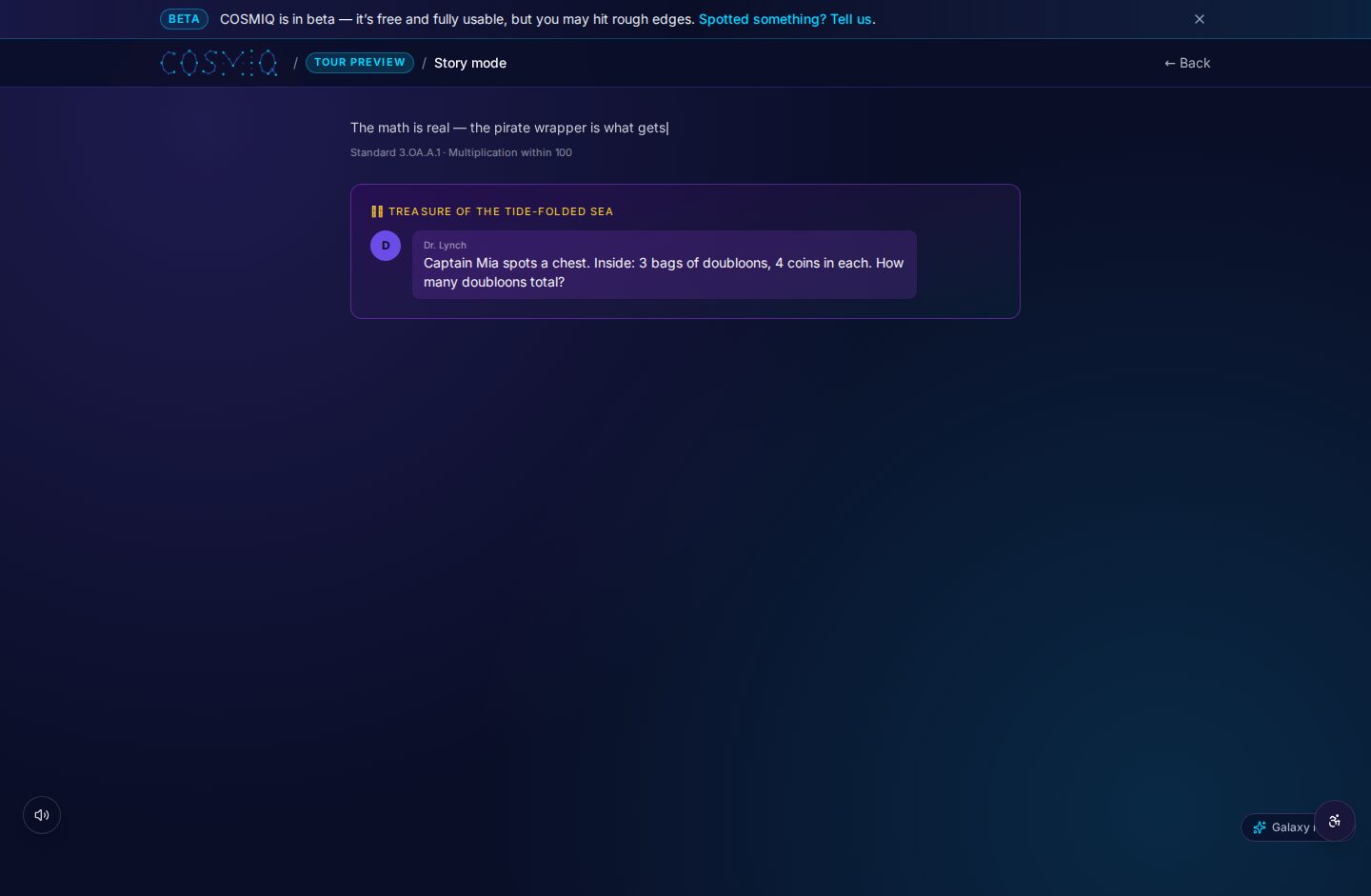
Technology is evolving rapidly, and education is no exception. As more schools adopt interactive whiteboards, we can expect tutoring to evolve, too. AI whiteboard tutors will soon become the norm, allowing for even greater personalization and engagement. Imagine a future where every student has access to a virtual chalkboard tutor that adapts to their learning style, guiding them through each step of their education.
This future could include AI algorithms that analyze a student’s performance over time, offering tailored content and quizzes based on their strengths and weaknesses. The possibilities are endless and could lead to significant improvements in learning outcomes. The key will be to balance technology with human interaction—because while AI can enhance learning, it should never replace the essential bonds formed between teachers and students.
In essence, interactive whiteboard tutoring is not just about seeing the answer; it’s about understanding the journey to get there. By making the learning process interactive, visual, and collaborative, we can foster a generation of critical thinkers who are equipped to tackle the challenges of tomorrow.
The Role of Professional Development in Implementing Technology
Despite the impressive capabilities of interactive whiteboards and AI tutors, the effective implementation of these tools relies heavily on teacher training. Professional development is essential to ensure that educators not only understand how to use these technologies but can also integrate them effectively into their teaching practices.
Schools must invest in comprehensive training programs that focus on both the technical aspects of using interactive whiteboards and the pedagogical strategies that maximize their effectiveness. Teachers should feel empowered to experiment with different features, from interactive quizzes to multimedia presentations, in order to find what works best for their students.
Consider a workshop where teachers learn how to create engaging lessons using interactive whiteboards. They might practice designing a lesson plan that incorporates visuals, collaborative exercises, and real-time assessments. By the end of the workshop, these educators would have practical tools and strategies that they can immediately implement in their classrooms.
Encouraging collaboration among teachers during professional development also fosters a sense of community and shared learning. When educators can come together to discuss their experiences and challenges, they create a support network that encourages ongoing growth and experimentation. This collaborative spirit not only benefits teachers but ultimately enhances the learning experience for students.
Addressing Challenges and Limitations of Interactive Whiteboard Tutoring
While interactive whiteboards and AI tutors offer many advantages, there are also challenges that need to be addressed. Not all schools have equal access to technology, and disparities in resources can create gaps in educational equity. In some cases, limited budgets may prevent schools from fully integrating these tools into their curriculum.
Understanding the limitations of interactive whiteboards is crucial for educators. For example, if a teacher relies too heavily on the technology without incorporating traditional methods, they might overlook the benefits of varied instructional strategies. Balancing interactive technologies with tried-and-true teaching methods can create a more well-rounded learning experience.
Additionally, not all students will respond positively to technology-driven instruction. Some may find it overwhelming, while others may struggle to engage with digital interfaces. Educators must be mindful of these differences and create an inclusive environment where all students feel comfortable participating, whether they thrive in a tech-based setting or prefer more traditional learning methods.
Ultimately, recognizing and addressing these challenges will ensure that interactive whiteboards and AI tutors are utilized effectively, providing equitable access to quality education for all students.
Conclusion: A Bright Future for Education
Related resources: AI whiteboard tutor
Learn anything, free.
COSMIQ is a free, voice-driven AI tutor for every learner. No credit card, ever.
Start learning free →