Is AI Tutoring Title I-Eligible? Here's How Schools Use It

When schools face the challenge of supporting low-income students, they often look for innovative solutions. One of the most talked-about solutions in recent years is the use of artificial intelligence (AI) for tutoring. But here's the million-dollar question: is AI tutoring Title I-eligible? Let’s break it down.
Understanding Title I Funding
Title I funding is part of the Elementary and Secondary Education Act, and it aims to provide financial assistance to schools with a high percentage of low-income students. The goal? To ensure that all students, regardless of their background, receive a quality education. Schools can use these funds for various purposes, including hiring teachers, offering professional development, and providing supplemental educational services.
To qualify for Title I funding, schools must meet specific criteria. Generally, schools with at least 40% of students from low-income families can apply for these funds. The funds must then be allocated to ensure that students achieve academic success. This is where AI tutoring programs come into play, potentially offering support that aligns with the objectives of Title I.
The process of obtaining Title I funding isn't always straightforward. Schools must demonstrate how their proposed programs will improve educational outcomes for their low-income students. This often involves conducting needs assessments, gathering data on student performance, and aligning proposed initiatives with district goals. AI tutoring programs fit neatly into this framework by offering scalable, data-driven solutions that can address individual student needs.
Furthermore, it’s essential for schools to maintain transparency and accountability in how they utilize these funds. Districts need to report on the effectiveness of their initiatives, ensuring that Title I funds are making a real difference. This scrutiny can encourage schools to carefully select AI tutoring programs that not only promise results but can also provide measurable outcomes.
How AI Tutoring Works
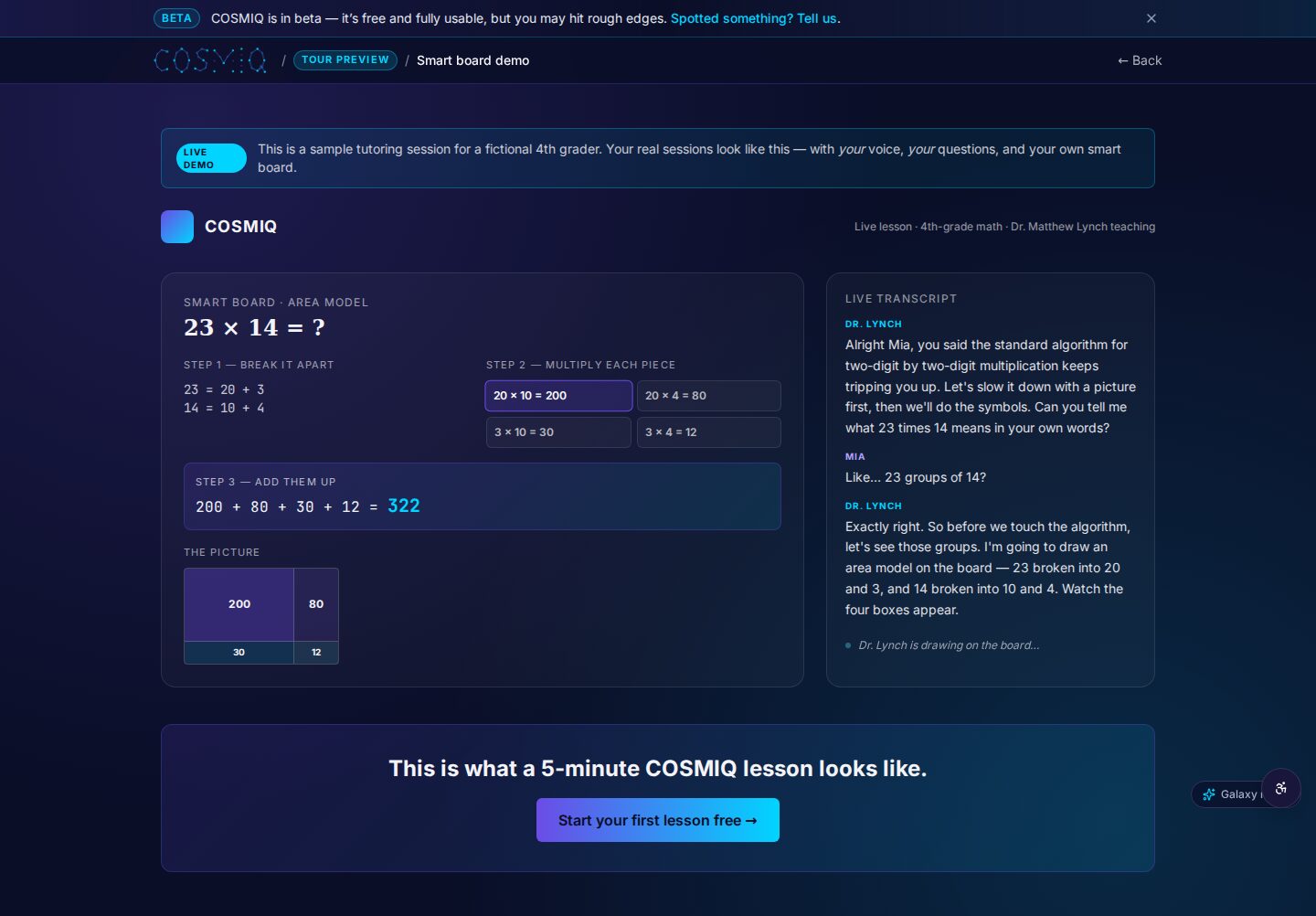
AI tutoring employs algorithms and data to personalize learning. Unlike traditional tutoring, where a human tutor assesses a student’s needs, AI systems analyze a student’s performance in real-time. They adapt content and instructional techniques based on the student’s progress. Imagine a student struggling with math: an AI tutor could identify specific areas of difficulty and provide targeted practice problems.
But it’s not just about problem-solving. AI tutoring platforms often include features like instant feedback, engaging multimedia, and even gamification to keep students motivated. This is crucial for Title I students, who may face various barriers to learning. The engagement factor alone can keep students interested and eager to learn.
Additionally, AI tutoring systems use large datasets to constantly refine their algorithms. The more students interact with these platforms, the more effective they become. This means that, over time, the AI learns the best methods for teaching specific concepts to individual students. For instance, if a student struggles with fractions, the system might introduce different visualizations or manipulatives based on proven techniques that have worked for similar learners.
Imagine a student who struggles with math homework. An AI tutoring system can analyze their incorrect answers and identify patterns. Does the student struggle with word problems? Does she miscalculate basic operations? The AI can offer customized exercises that target these weaknesses, ensuring that learning is both efficient and effective.
Title I Supplemental Services: A Perfect Fit?
Title I supplemental services are designed to provide extra support to students who need it most. This can include after-school programs, summer school, or additional tutoring. So, does AI tutoring fit the bill? Yes, in many cases, it does.
Schools can use Title I funds to provide AI tutoring as part of their supplemental services. For instance, if a school identifies that its students are struggling with reading comprehension, it might offer access to an AI tutoring platform that specializes in literacy. The key is that the tutoring must be tied to improving educational outcomes for Title I-eligible students.
Consider this: a school district identifies a significant drop in reading scores among its Title I students. In response, they deploy an AI tutoring platform that offers personalized reading exercises, interactive stories, and comprehension quizzes. Over time, the data shows that students not only engage more with these resources, but their reading levels begin to rise, suggesting a direct correlation between the use of AI tutoring and improved literacy skills.
Moreover, integrating AI tutoring with existing Title I programs can amplify its impact. For example, a school might offer additional in-person tutoring sessions alongside AI tools. This pairing allows students to receive immediate feedback from digital platforms while also benefiting from the nuanced understanding a human tutor can provide.
Real-World Examples of AI Tutoring in Title I Schools
To see how this plays out in real life, let’s take a look at some examples. In a rural school district in Texas, for instance, school leaders decided to implement an AI tutoring program for their Title I students. The results? Test scores improved, and teachers noted an increase in student engagement.
Another example comes from an urban school in California. Here, administrators used Title I supplemental services funding to purchase a subscription to an AI tutoring platform. Teachers integrated this program into their lessons, allowing students to practice math skills at their own pace. The outcome was a noticeable reduction in the achievement gap.
In addition, a district in Florida allocated Title I funding to introduce a hybrid model, where students used AI tutoring alongside traditional classroom instruction. As part of this initiative, teachers received training on how to seamlessly integrate the AI tools into their teaching. Students showed significant improvement in standardized test scores as a result, demonstrating that the combination of human and AI support can yield effective outcomes.
Furthermore, case studies from educational institutions have illustrated the potential of AI tutoring beyond just improving grades. For instance, a study conducted in a Title I high school revealed that students using AI tutoring reported higher self-efficacy in their learning abilities. They felt empowered to tackle challenging subjects because the AI offered them individualized support that traditional methods couldn’t.
Challenges of Implementing AI Tutoring
While there are undeniable benefits to AI tutoring, there are also challenges. For one, not all schools have the infrastructure needed to support AI programs. High-speed internet and access to devices are crucial. In communities where these resources are lacking, AI tutoring may not be an option for everyone.
Additionally, there’s the question of training. Teachers need to know how to effectively integrate AI tutoring into their classrooms. Without proper training, the technology might not reach its full potential. Some educators may be skeptical about relying on technology, fearing it will replace the personal touch that comes with traditional tutoring.
Another common hurdle lies in the initial investment needed for AI tutoring platforms. Schools often face budget constraints, and while Title I funds can help, the allocation process can be slow and cumbersome. Districts must justify expenditures, and many times, they opt for more traditional methods of instruction that do not require significant technological investment.
Additionally, there are concerns about data privacy, especially for younger students. Schools must ensure that any AI tutoring program they adopt complies with regulations regarding student data protection. This often requires thorough vetting of potential software solutions, adding another layer of complexity to the implementation process.
The Future of AI Tutoring in Title I Education
So, what lies ahead for AI tutoring in Title I-eligible schools? The potential is vast. As technology continues to evolve, we can expect AI tutoring programs to become more sophisticated. Data privacy concerns will need to be addressed, but if done correctly, these programs could transform how we think about supplemental education.
Moreover, with ongoing research and feedback from educators, AI tutoring can be refined to meet the specific needs of Title I students. For example, new algorithms could be developed to focus on the unique challenges faced by low-income students, ensuring that the services provided are not just adequate but truly beneficial.
As AI tutoring technologies mature, we might also see more collaboration between educational institutions and tech companies. This could lead to customized solutions designed specifically for Title I schools, incorporating best practices and addressing the unique challenges faced by these students. Imagine AI tutors that adapt not just to learning styles but also to cultural contexts, fostering a better connection with students.
Furthermore, there’s a growing movement towards transparency in AI algorithms. The educational community is starting to push for clearer explanations of how these systems make decisions. This could lead to improved trust from educators and parents, fostering a collaborative environment where AI and traditional teaching methods coalesce seamlessly.
Making the Most of Title I Resources
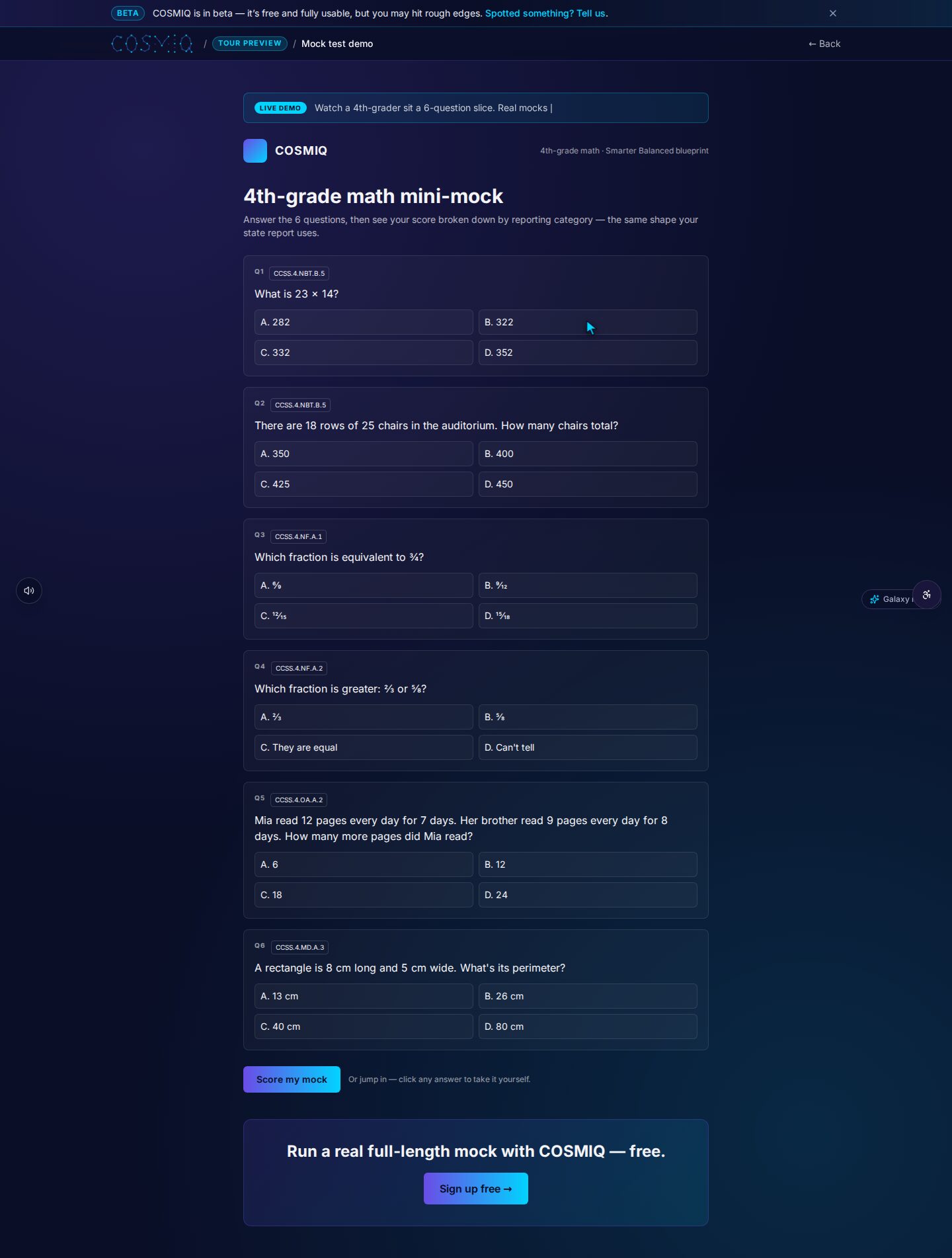
If you’re an educator or administrator in a Title I school, it’s crucial to explore how you can leverage AI tutoring. Look into various platforms, and don’t hesitate to reach out to vendors for demonstrations. It’s also a good idea to gather input from teachers and students. Their insights can help you select the most effective tool.
Additionally, keep an eye on funding opportunities. Title I supplemental services can be a great way to secure resources for AI tutoring programs. Be proactive in writing proposals that clearly outline how these services will benefit your students.
Collaboration is key. Partner with other Title I schools to share experiences and best practices. If one school has successfully implemented an AI tutoring program, they can provide valuable insights to others, creating a network of shared knowledge. This not only helps in making informed decisions but can also lead to bulk purchasing options for software, reducing costs.
You should also consider offering workshops or training sessions for teachers. This not only equips them with the necessary skills to utilize AI tutoring effectively but also helps to dispel any fears or misconceptions they may have about integrating technology into their teaching. Engaging teachers in the process fosters a culture of innovation within the school.
Evaluating the Impact of AI Tutoring
Once AI tutoring is implemented, it’s crucial to monitor and evaluate its effectiveness. Regular assessments can help determine whether the program is meeting its objectives. Are students showing improved academic performance? Are they more engaged in their learning? These are key questions to consider.
Similarly, schools can use data analytics provided by AI platforms to gain insights into student progress. Many AI tutoring systems come equipped with dashboards that track individual and group performance. Educators can use this data to identify trends and make necessary adjustments to the curriculum or tutoring approach.
Moreover, gathering feedback from students can offer invaluable insights into their experiences with AI tutoring. Surveys or focus groups can help administrators understand what’s working and what needs improvement. This continuous feedback loop ensures that the AI tutoring program evolves to meet the needs of students.
It's also worthwhile to compare the results of AI tutoring with traditional tutoring methods. This comparison can provide a clearer picture of the effectiveness of AI in a Title I setting. Schools should be ready to showcase their successes and challenges, contributing to the overall conversation about AI in education.
Final Thoughts
In the end, AI tutoring represents a promising avenue for Title I-eligible students to receive the support they need. It’s not a one-size-fits-all solution, but when implemented thoughtfully, it can enhance educational outcomes. As schools continue to evolve, blending traditional teaching with innovative technology will be key to closing the achievement gap for low-income students.
As educators, it's essential to remain open-minded about the integration of AI into our classrooms. While the challenges are real, so are the opportunities. The future of AI tutoring in Title I education could lead to unprecedented levels of personalized learning. By embracing these tools while staying committed to our students' individual needs, we can create an environment where all students have the chance to succeed.
Ultimately, the success of AI tutoring in Title I schools will depend on collaboration among educators, parents, and technology providers. Together, we can harness the power of AI tutoring to not just improve academic performance, but to instill a love of learning and belief in one's capabilities among our most vulnerable students.
Related resources: Title I tutoring · Title I tutoring · Title I-eligible AI tutoring · Title I-eligible AI tutoring
Learn anything, free.
COSMIQ is a free, voice-driven AI tutor for every learner. No credit card, ever.
Start learning free →